Antoine Griezmanns Ex Coach Sentenced To Six Years In Jail For Sexually Assaulting Minors
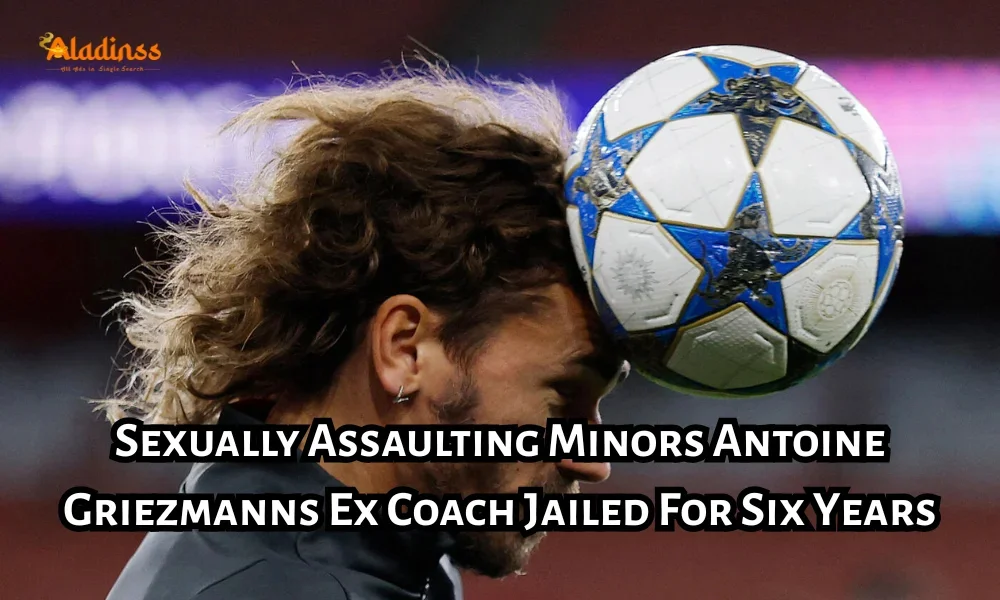
Griezmann's Ex-Coach Jailed: Shocking Verdict in Minor Assault Case Rocks French Football

In a verdict that has sent shockwaves through the world of French football, Eric Olhats, the once-celebrated scout who discovered Antoine Griezmann, was handed a six-year prison sentence on November 4, 2025, for sexually assaulting young boys during his tenure at Aviron Bayonnais FC. The Bayonne court's decision caps a harrowing two-decade saga, where six former players, all under 15 at the time of the abuses, bravely came forward with accounts spanning 1997 to 2002, and renewed incidents in 2021 and 2022. This Eric Olhats Griezmann coach sentenced ruling not only ends Olhats' storied career but also ignites urgent calls for deeper safeguarding in youth sports, reminding us of the shadows lurking behind the glamour of elite academies.
Olhats, now 62, who later served as Griezmann's trusted adviser until 2017 and scouted for Real Sociedad, stood unyielding in denial even as testimonies painted a grim portrait of manipulation and violation. The plaintiffs recounted chilling details: unsolicited touches during car rides, coerced intimate acts, and predatory messages all under the guise of mentorship. Griezmann himself, a global icon with Atletico Madrid, distanced from the horrors, telling investigators he saw no signs during his own youth days at the club. As the minor assault case France concludes, it underscores a systemic failure in oversight, prompting reflections on how talents like Griezmann rise amid unchecked power dynamics.
The courtroom drama in Bayonne wasn't just about one man's fall; it exposed fractures in French football's foundational pillars. Prosecutors, led by Caroline Parizel, had pushed for eight years, describing Olhats' "omnipresent hold" over vulnerable teens a web of influence that blurred lines between coach and confidant. The judge's ruling, coupled with five years of supervision, compulsory therapy, a 30,000-euro damages payout, and a lifetime ban from youth sports and venues, aims to deter future predators while offering scant solace to survivors whose trust was shattered young.
Courtroom Revelations: Testimonies That Shook the Bench
The trial's emotional core lay in the plaintiffs' raw narratives, each a thread in a tapestry of grooming and exploitation at Aviron Bayonnais, a storied Basque club nurturing talents in Bayonne's misty fields. Victims, now in their 30s and 40s, detailed how Olhats exploited his authority: lingering hands on thighs during drives to training, demands for self-gratification in private, and late-night texts laced with innuendo. One accuser recalled the "constant dread" of post-match rides, where compliments twisted into advances, eroding the joy of the game.
Parizel's closing painted Olhats as a master manipulator, embedding himself in families via scouting trips and personal counsel, creating an "unbreakable" dependency. The defense crumbled under cross-examinations, with Olhats dismissing accounts as fabrications, muttering post-verdict, "They've twisted the truth." Yet, the bench found the chorus of voices compelling, especially given his 1991 suspended sentence for similar indecent assault a red flag ignored in his ascent.
Lawyers for the plaintiffs lambasted his "unrepentant stance," arguing no apology robbed survivors of closure. This Eric Olhats Griezmann coach sentenced outcome, while punitive, highlights the statute of limitations' limits many acts surfaced too late for charges, delaying justice by decades.
- Key Testimonies: Car rides turned predatory; forced acts in club facilities
- Prosecution Push: Eight years sought for "systematic hold" over teens
- Defense Dismay: Olhats' denial amid mounting evidence
- Prior Conviction: 1991 suspended term for minor assault
These revelations force a reckoning: How many young athletes suffer in silence, mistaking abuse for "tough love" in pursuit of glory?
Griezmann's Shadow: Discovery Amid Darkness
Antoine Griezmann's name looms large over the minor assault case France, as Olhats' protégé who rocketed from Bayonne's pitches to World Cup heroics. Spotted at 13, Griezmann credits Olhats for his Real Sociedad breakthrough, a bond that endured until 2017. In statements to probes, the 34-year-old forward was unequivocal: No encounters with misconduct, no whispers of wrongdoing his path untainted while others veered into nightmare.
This dissociation spares Griezmann direct scrutiny but amplifies irony: A mentor's legacy, once golden, now tarnished. Fans and pundits grapple with the duality Olhats' eye for talent versus his predatory shadow. Griezmann's silence since the ruling speaks volumes, perhaps a nod to healing divides in a sport he's graced with 137 France caps.
Broader Basque football circles mourn the stain on Aviron Bayonnais, where Olhats coached from 1997-2003, unearthing gems amid alleged horrors. The club's post-verdict audit vows enhanced vetting, a microcosm of Ligue 1's awakening to abuse epidemics.
Penalties and Prevention: Justice Served, Reforms Urged
Beyond bars, Olhats faces a lifetime exile from youth realms: No stadiums, no coaching, no proximity to minors a firewall against recidivism. The 30,000-euro reparations, split among six, symbolize accountability, though lawyers decry it as meager against lifelong trauma. Mandatory therapy aims at root causes, but skeptics question efficacy for a defiant convict.
France's judicial response to the Eric Olhats Griezmann coach sentenced case aligns with #MeTooSports momentum, echoing Bernard Preynat's 2021 conviction in Catholic scandals. Federations like FFF now mandate background checks and anonymous reporting, but gaps persist rural clubs like Bayonnais often lack resources for robust oversight.
Survivor advocates push for extended limitation periods, arguing time heals nothing for groomed victims. Olhats' appeal looms, potentially prolonging pain, but the verdict's clarity offers a blueprint for deterrence.
French Football's Reckoning: A Pattern of Predators Exposed
This isn't isolated; the minor assault case France joins a grim parade Jocelyn Gourvennec's 2023 probe, US Soccer's $24 million settlements. In France, 2024 saw 150+ abuse reports in amateur ranks, per INJEP stats, with underreporting rampant due to hero worship culture.
Initiatives like UEFA's "Respect" program train guardians on red flags, while apps enable discreet alerts. For Basque youth, Olhats' fall catalyzes community dialogues, fostering safe spaces where ambition doesn't demand silence.
Globally, it echoes Nassar's USA Gymnastics nightmare, urging FIFA to enforce universal protocols. As Griezmann thrives, his mentor's cage reminds: Talent scouts must scout ethics first.
Survivors' Voices: Healing Beyond the Gavel
For the six men, vindication mingles with melancholy their dreams deferred, careers derailed by Olhats' shadow. One plaintiff, a former pro now coaching, channels trauma into advocacy, founding "Pitch Safe" for anonymous youth support. Their collective 30,000 euros funds therapy, a drop against decades of therapy needs.
Post-trial, NGOs like Innocence en Danger amplify their call for reparative justice, including public registries for offenders. This Eric Olhats Griezmann coach sentenced saga, while closing one chapter, opens dialogues on resilience, proving voices, once muffled, can topple thrones.
- Support Networks: Therapy funds from damages; peer groups
- Advocacy Push: Stricter scouting vetting; annual audits
- Global Echo: Alignment with FIFA's child protection charter
Legacy Tarnished: Olhats' Fall from Grace
Olhats' journey from 1980s scout to Griezmann's guru crumbled under scrutiny. His Real Sociedad stint unearthed stars like Zubeldia, but Bayonne's ghosts haunted. Post-2017, he faded into advisory roles, his 1991 conviction a footnote until now.
In prison, he'll confront the "hold" he wielded, perhaps through mandated reflection. For football, it's a pivot: Honor Olhats' discoveries, but never his darkness.
As November 2025's chill settles, Bayonne's fields whisper warnings: Protect the dreamers, lest nightmares eclipse the goals.
Facebook Comments












-
 Explore the upcoming Tamil film Maaman - cast, sto...
 -
 Read the ACE (2025) movie review starring Vijay Se...
 -
 Check out Maaman's 1st day box office collection a...
 -
 Explore tourist family reviews for Maaman movie –...
Popular Posts
Vote / Poll
Recent Posts




Recommended Posts

-
 Discover the best schools in Nagercoil f...
 -
 Discover the top-rated preschools in Nag...
 -
 Explore the best schools in Nagercoil th...

Comment / Reply From