Goa Nightclub Fire Claims 25 Lives: Breaking News Report
Goa Nightclub Fire Claims 25 Lives: Breaking News Report
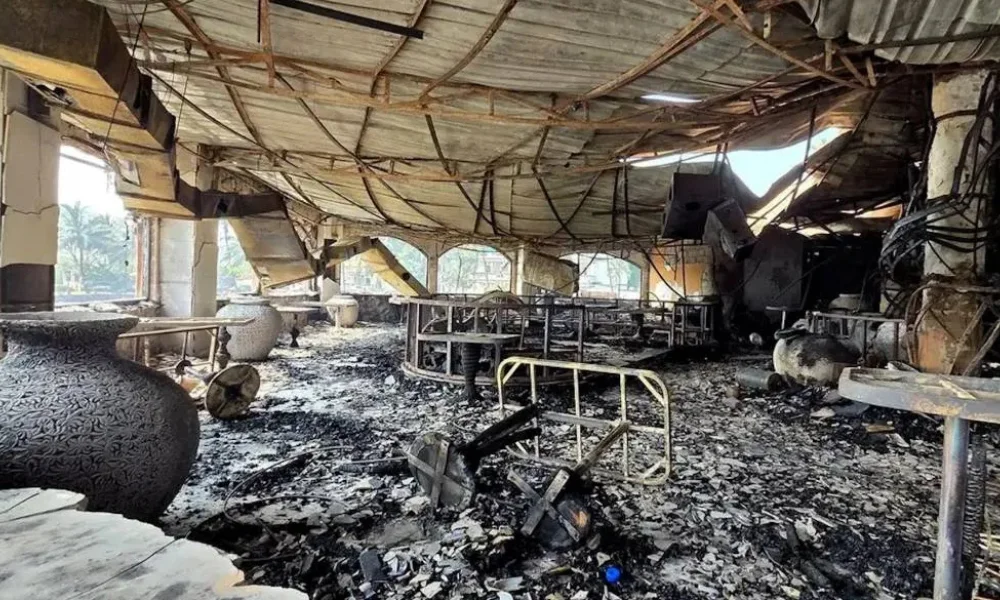
A huge inferno at a nightclub in Goa has claimed at least 25 lives and injured several others, sending shockwaves across the state and the country. The tragic incident, which unfolded on a Saturday evening, has quickly turned into a national talking point, not only because of the devastating loss of life but also due to the serious questions it raises about safety standards, regulatory oversight, and unlicensed operations at entertainment venues. This breaking news report looks in detail at what is known so far about the Goa nightclub fire, the victims, the suspected cause, and the wider implications for public safety and nightlife regulation in India.
Victims and Identification in the Goa Nightclub Blaze
Authorities have confirmed that all those who perished in the Goa nightclub fire have been identified. In a particularly heartbreaking detail, it has emerged that 20 of the dead were employees of the establishment, while five were visitors from Delhi and Karnataka who had come to Goa seeking leisure and entertainment. For many families, the victims were not just numbers in a tragic tally but breadwinners, young professionals, students, and workers who were simply at the wrong place at the wrong time. The process of identification and communication with families has been a painful but crucial step, allowing relatives to begin the difficult journey of grief, rituals, and legal formalities that follow such a disaster.
The fact that a majority of the deceased were staff members highlights how vulnerable workers often are in high-risk environments such as bars, clubs, and event venues. While guests may enter and exit based on their plans, employees remain on site for long hours, often with limited control over emergency protocols, exit options, or safety equipment. In the aftermath of the blaze, conversations have intensified around the need for better worker protections, mandatory safety drills, and clear evacuation procedures for all staff at nightlife establishments across Goa and the rest of India.
Origin of the Fire and Role of Pyrotechnics
Initial reports from the authorities suggested that a gas cylinder explosion might have triggered the Goa nightclub fire. However, eyewitness accounts have put forward a different version. According to observers present inside the venue, the fire was allegedly ignited by cold pyro devices used during a dance performance. These pyrotechnic devices, which are often marketed as producing controlled sparks with lower heat compared to traditional fireworks, were reportedly used as part of the entertainment setup during a show.
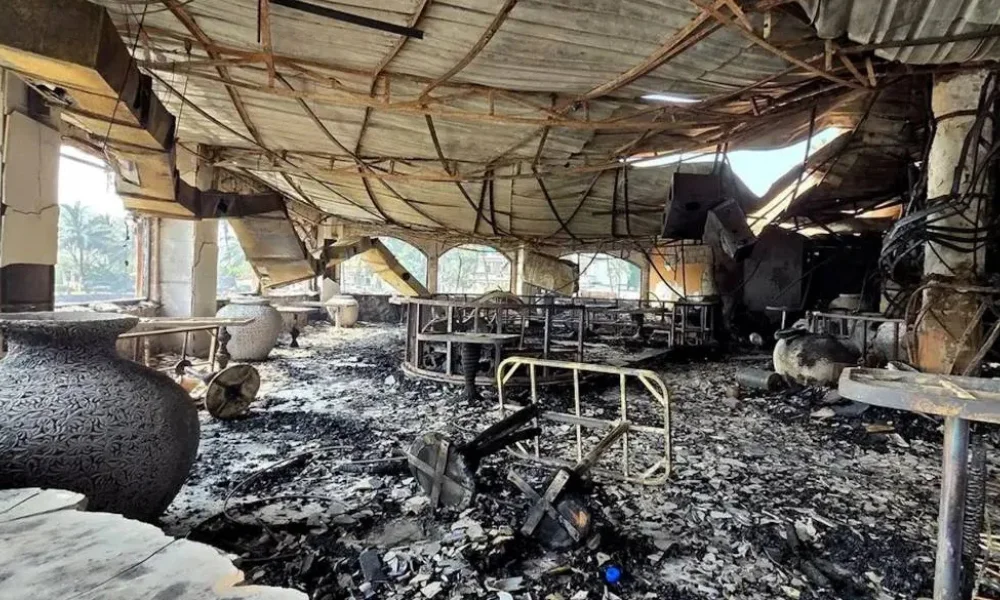
Witnesses claim that the embers from these cold pyro devices shot upwards and made contact with the thatched ceiling constructed from cane, fiber, and hay-like material. What might have seemed like a visually appealing stage effect quickly turned into a catastrophe as the highly flammable roofing material caught fire. Within a short span of time, the flames spread across the structure, leaving the crowd trapped and disoriented. Around 200 people were reportedly inside the establishment when the fire broke out, turning what should have been a lively night of music and dance into a scene of panic, suffocation, and desperate attempts to escape.
Unlicensed Operations and Structural Safety Issues
The nightclub at the center of this tragedy, identified as Birch by Romeo Lane in Arpora, had reportedly been operating without formal authorization. The revelation that the venue lacked proper permissions has intensified public anger and raised serious concerns about how an unlicensed establishment could function in a popular tourist belt without timely intervention from authorities. The Goa nightclub fire is now being seen not only as an isolated accident but as a symbol of systemic lapses in enforcement and monitoring of nightlife venues.
Structural issues made the situation even more deadly. The location reportedly had cramped entry and exit routes and an inadequate number of exit doors compared to the crowd size it was hosting. In an emergency, every second matters, and clear, wide, and well-marked exits can mean the difference between life and death. In this case, the combination of dense smoke, spreading flames, and narrow passages contributed to bottlenecks and panic as people scrambled to leave. For many, the lack of an easy way out proved fatal, underlining how critical building design and adherence to fire safety codes are for any public gathering space.
Challenges Faced by Rescue Teams and Emergency Responders
Rescue operations at the site of the Goa nightclub fire were further complicated by the physical layout of the area. Reports indicate that fire engines could not directly access the nightclub and had to be parked almost 400 meters away from the location. This distance slowed the deployment of equipment and personnel and made it harder to deliver a quick and effective response just when it was needed most. In fire emergencies, rapid access is critical, and every layer of delay can allow the blaze to grow more intense and the smoke more toxic.
The situation also sheds light on broader urban planning and zoning concerns. Nightlife hubs often emerge in areas where roads are narrow, buildings are closely packed, and infrastructure has not been designed with large-scale emergencies in mind. The Goa nightclub fire serves as a stark reminder that emergency vehicle access, fire hydrant placement, and clear evacuation corridors should be non-negotiable considerations for any venue hosting sizeable crowds. For emergency responders, working under such constraints can be physically and emotionally draining, as they battle not just the flames but also the limitations imposed by the built environment.
Custody, Accountability, and Official Steps After the Blaze
In the wake of the incident, four individuals connected with the management of the nightclub have been taken into custody. Those detained reportedly include the chief general manager and key overseers of the establishment. Their arrest reflects mounting pressure to fix accountability and ensure that those responsible for day-to-day operations, compliance, and safety do not escape scrutiny. As the investigation progresses, questions are being raised about who approved what, how safety checks were handled, and whether prior warnings or complaints were ignored.
The Goa administration has also announced the formation of an examination panel to probe the cause and circumstances of the fire and to present its findings within seven days. This committee-based approach is expected to examine technical aspects such as the role of pyrotechnic devices, the materials used in construction, the adequacy of emergency exits, and the presence or absence of fire safety clearances. The Goa nightclub fire has therefore triggered not just a law-and-order response but also a policy and governance review that could shape future regulations around nightclubs, bars, and event spaces.
Financial Aid and Support for Families of the Victims
As part of the immediate relief measures, the region's chief minister has announced financial assistance for those affected by the Goa nightclub fire. The families of each person who lost their life in the blaze are to receive compensation of ₹5 lakh, while those injured will receive ₹50,000. This aid is to be provided from the State Calamity Management Authority reserves. While no amount of money can truly compensate for the loss of a loved one, such financial support can help families manage urgent expenses, including medical bills, travel, and funeral costs.
Beyond immediate compensation, there is also a growing call for longer-term support mechanisms for dependents, especially in cases where the deceased were primary earners. The Goa nightclub fire has reignited discussions about the need for mandatory insurance, employer liabilities, and robust victim support frameworks during large-scale disasters. For many affected families, the next few months will be a period of adjustment, emotional healing, and navigating complex legal and administrative processes tied to the tragedy.
Wider Debate on Nightlife Safety and Regulation in India
The Goa nightclub fire has added to a growing body of incidents that highlight the vulnerabilities of crowded public venues in India. As nightlife culture expands in tourist hotspots and metropolitan cities, the responsibility to ensure safe, well-regulated spaces becomes even more critical. This tragedy is prompting renewed discussions around regular inspections, strict enforcement of occupancy limits, clear guidelines on the use of pyrotechnics indoors, and the need for visible emergency signage and functional firefighting equipment in clubs and bars.
For residents, tourists, and policymakers, the key questions now revolve around how similar disasters can be prevented in the future. The Goa nightclub fire is being closely watched as a test case that could shape how strongly authorities respond to violations, how responsibly venue owners act, and how effectively safety awareness is promoted among the public. As updates continue to emerge, this incident remains a powerful reminder that entertainment must never come at the cost of basic safety and adherence to the law.
Facebook Comments












-
 Explore the upcoming Tamil film Maaman - cast, sto...
 -
 Read the ACE (2025) movie review starring Vijay Se...
 -
 Check out Maaman's 1st day box office collection a...
 -
 Explore tourist family reviews for Maaman movie –...
Popular Posts
Vote / Poll
Recent Posts




Recommended Posts

-
 Discover the best schools in Nagercoil f...
 -
 Discover the top-rated preschools in Nag...
 -
 Explore the best schools in Nagercoil th...

Comment / Reply From