Violent Protests Erupt in Bangladesh After Death of Pro-Democracy Leader
Violent Protests Erupt in Bangladesh After Death of Pro-Democracy Leader
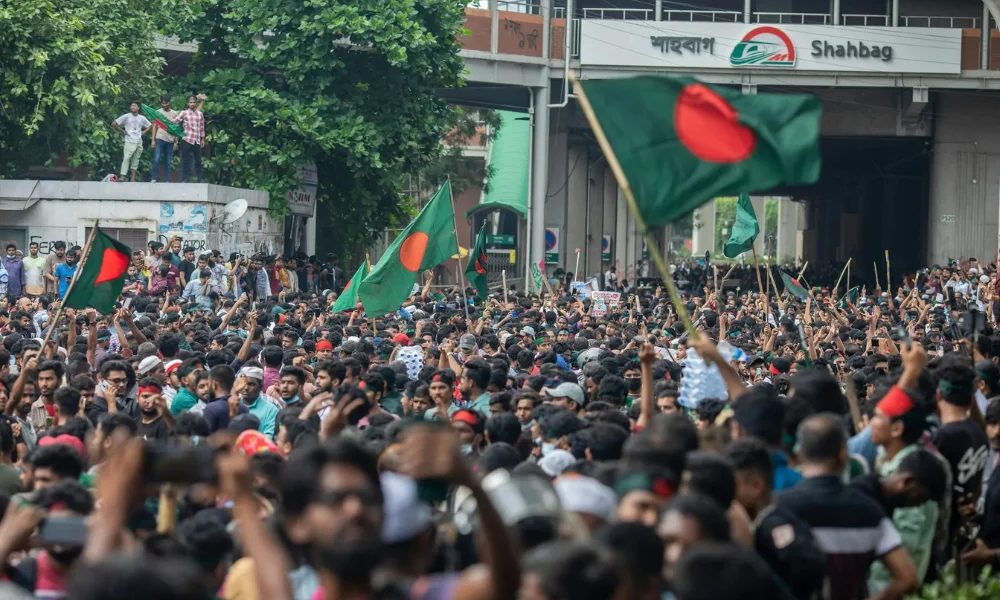
Bangladesh was gripped by intense civil unrest early Friday after the death of Sharif Osman Hadi, a prominent youth leader associated with the 2024 pro-democracy movement. His passing, which occurred at a hospital in Singapore following complications from gunshot injuries, triggered large-scale demonstrations across the capital and other major cities. Thousands of people poured onto the streets demanding justice, accountability, and the immediate arrest of those responsible for the attack.
Who Was Sharif Osman Hadi
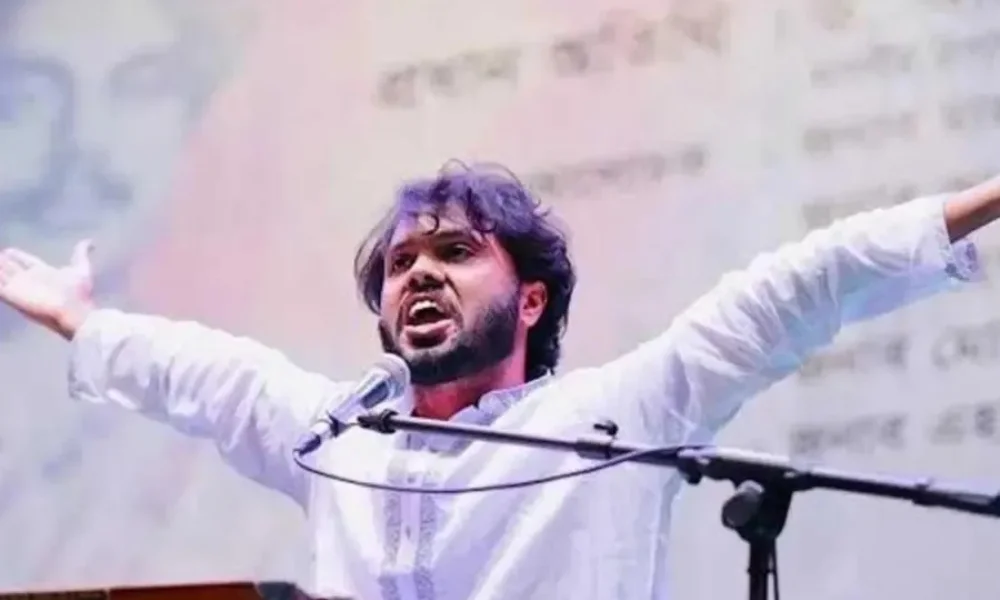
Sharif Osman Hadi, aged 32, was widely regarded as one of the most influential youth figures to emerge from Bangladesh's 2024 pro-democracy movement. He played a key role in mobilizing students and young activists during the nationwide uprising that ultimately led to the fall of the previous government. His political influence had continued to grow, and he was preparing to contest a parliamentary seat in the upcoming February 2026 national elections.
Hadi was also a senior member of the student activist platform Inqilab Mancha, where he was known for his outspoken views and strong opposition to authoritarian governance. His activism earned him significant support among the youth, but also placed him at the center of political tensions that have continued to shape the country's post-2024 political environment.
Details of the Assassination Attempt
On 12 December, Sharif Osman Hadi was shot by masked attackers as he was leaving a mosque in Dhaka. The attack shocked the nation and raised immediate concerns over the safety of political activists. Following the shooting, Hadi was rushed for emergency care before being transferred to Singapore for advanced medical treatment due to the severity of his injuries.
Despite sustained medical efforts, Hadi succumbed to his injuries on Thursday. Singaporean authorities confirmed his death, stating that he passed away in a local medical facility. News of his demise spread rapidly in Bangladesh, igniting a wave of public anger and grief.
Protests and Arson Across Dhaka
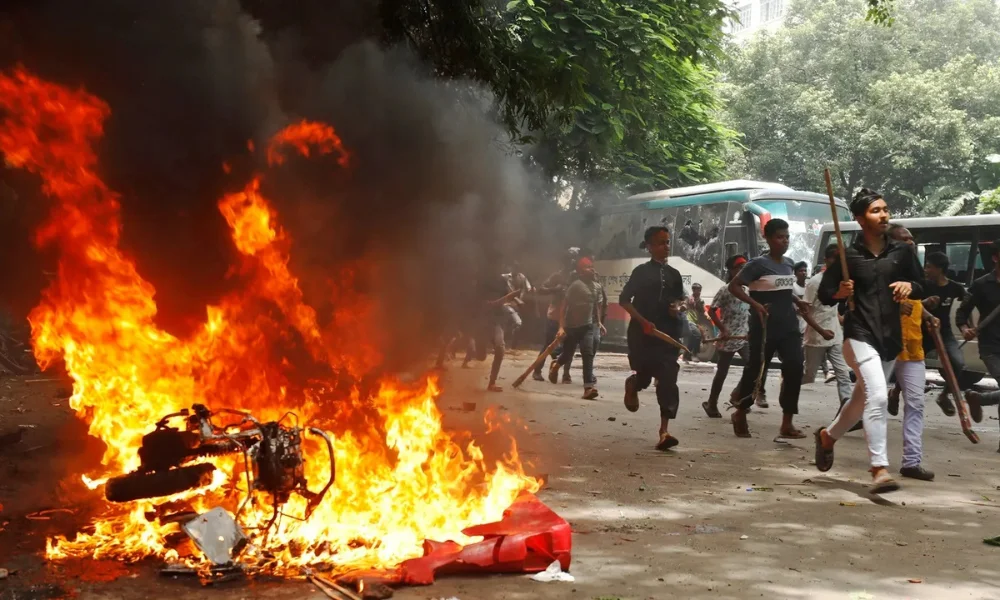
Following confirmation of Hadi's death, thousands of demonstrators flooded the streets of Dhaka, demanding justice and swift action against those responsible. The protests soon escalated, with multiple incidents of arson reported across the capital. Several buildings were set ablaze, including those housing the country's two largest newspapers, The Daily Star and Prothom Alo.
Fire service officials confirmed multiple fires in the city, stating that emergency teams were deployed to contain the situation. During the unrest, several staff members inside affected buildings were trapped as flames and smoke spread, further heightening fears over safety and stability in the capital.
Journalists Trapped During Attacks
Journalists working inside the Daily Star building reported being trapped as demonstrators surrounded the premises and chanted slogans. One journalist shared an online message describing extreme smoke conditions and difficulty breathing, highlighting the dangers faced by those inside during the chaos.
Firefighters later managed to bring the blaze under control, but dozens of staff remained inside the building for an extended period. The incident underscored the intensity of the protests and the risks faced by media workers amid rising political tensions.
Protests Spread Beyond the Capital
The unrest was not limited to Dhaka. Civil disturbances were reported in several other cities, including Chattogram. Protesters blocked key roadways, attacked the residence of a former cabinet minister, and targeted prominent cultural institutions, intensifying concerns over nationwide instability.
Demonstrations were also reported near the residence of India's deputy envoy to Bangladesh, where police used tear gas to disperse crowds attempting to stage a sit-in protest. The spread of unrest reflected the deep emotional impact of Hadi's death across different regions of the country.
Accusations Against Media and India
Demonstrators accused major media outlets of maintaining ties with India, where former prime minister Sheikh Hasina has taken refuge. These accusations fueled anger toward the press and contributed to the attacks on newspaper buildings during the protests.
The claims intensified hostility toward institutions perceived as aligned with external influence, further escalating tensions on the streets and deepening divisions during an already volatile moment.
Official Confirmation and Government Response
Singapore's foreign ministry officially confirmed Hadi's death and stated that it was assisting Bangladeshi authorities in the process of repatriating his remains. In Dhaka, the interim government led by Nobel laureate Muhammad Yunus acknowledged the loss and paid tribute to Hadi's role in the nation's democratic struggle.
The interim leadership emphasized that the country's democratic journey would not be halted by violence or fear, signaling a firm stance amid ongoing unrest.
National Mourning Measures Announced
In response to the tragedy, the interim administration announced special prayers at mosques across the country on Friday. A partial day of mourning was also declared for Saturday as a mark of respect for Hadi's contributions and sacrifice.
Police Investigation and Reward Announcement
Bangladeshi police launched an intensive manhunt for the attackers involved in Hadi's shooting. Images of two primary suspects were released, and authorities announced a reward of five million taka for information leading to their capture.
Political Background and Upcoming Elections
Bangladesh is preparing for parliamentary elections scheduled for February, during which 300 representatives will be directly elected, along with 50 additional seats reserved for women. The previous election held in January 2024 was widely criticized by opposition groups as being unfair.
The Bangladesh Nationalist Party is expected to perform strongly in the upcoming polls. Its leader, former prime minister Khaleda Zia, remains in intensive care, while her son and political successor, Tarique Rahman, is scheduled to return from exile later this month.
Facebook Comments








-
 Explore the upcoming Tamil film Maaman - cast, sto...
 -
 Read the ACE (2025) movie review starring Vijay Se...
 -
 Check out Maaman's 1st day box office collection a...
 -
 Explore tourist family reviews for Maaman movie –...
Popular Posts
Vote / Poll
Recent Posts



Recommended Posts

-
 Discover the best schools in Nagercoil f...
 -
 Discover the top-rated preschools in Nag...
 -
 Explore the best schools in Nagercoil th...

Comment / Reply From