Powerful Jolt Near Northern Japan Triggers Tidal Wave Warning
December 09, 2025
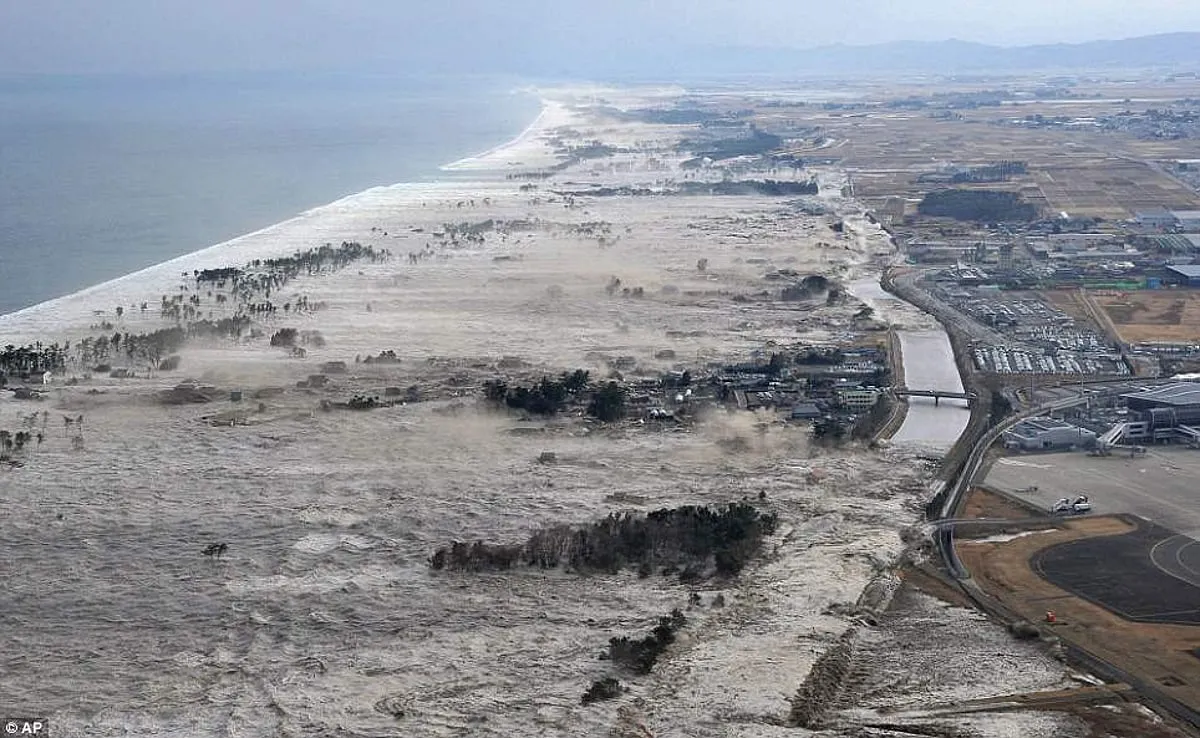
Powerful 7.2 Jolt Near Northern Japan Triggers Tidal Wave Warning
A powerful seismic jolt near northern Japan has once again drawn global attention to the country's vulnerability to strong earthquakes and tsunami threats. Authorities reported that the latest event, described as a powerful 7.2 jolt with a magnitude 7.6 reading recorded by the United States Geological Survey near Misawa along Japan's Pacific coastline, prompted an immediate tidal wave warning for coastal communities. The incident has been closely monitored as breaking news and a developing story by national broadcasters and international outlets, given Japan's history of destructive quakes and tsunami events.
The quake struck at a depth of around 53 kilometers beneath the ocean surface, shaking wide areas across northern Honshu and parts of Hokkaido. Residents reported sudden, strong horizontal swaying that lasted long enough to cause alarm, displace household items, and trigger automatic alerts on mobile phones. With tsunami advisories issued soon after the tremor, the event quickly turned into a major update for people living along the northern seaboard, many of whom are familiar with emergency drills yet still feel the psychological weight of each new earthquake report.
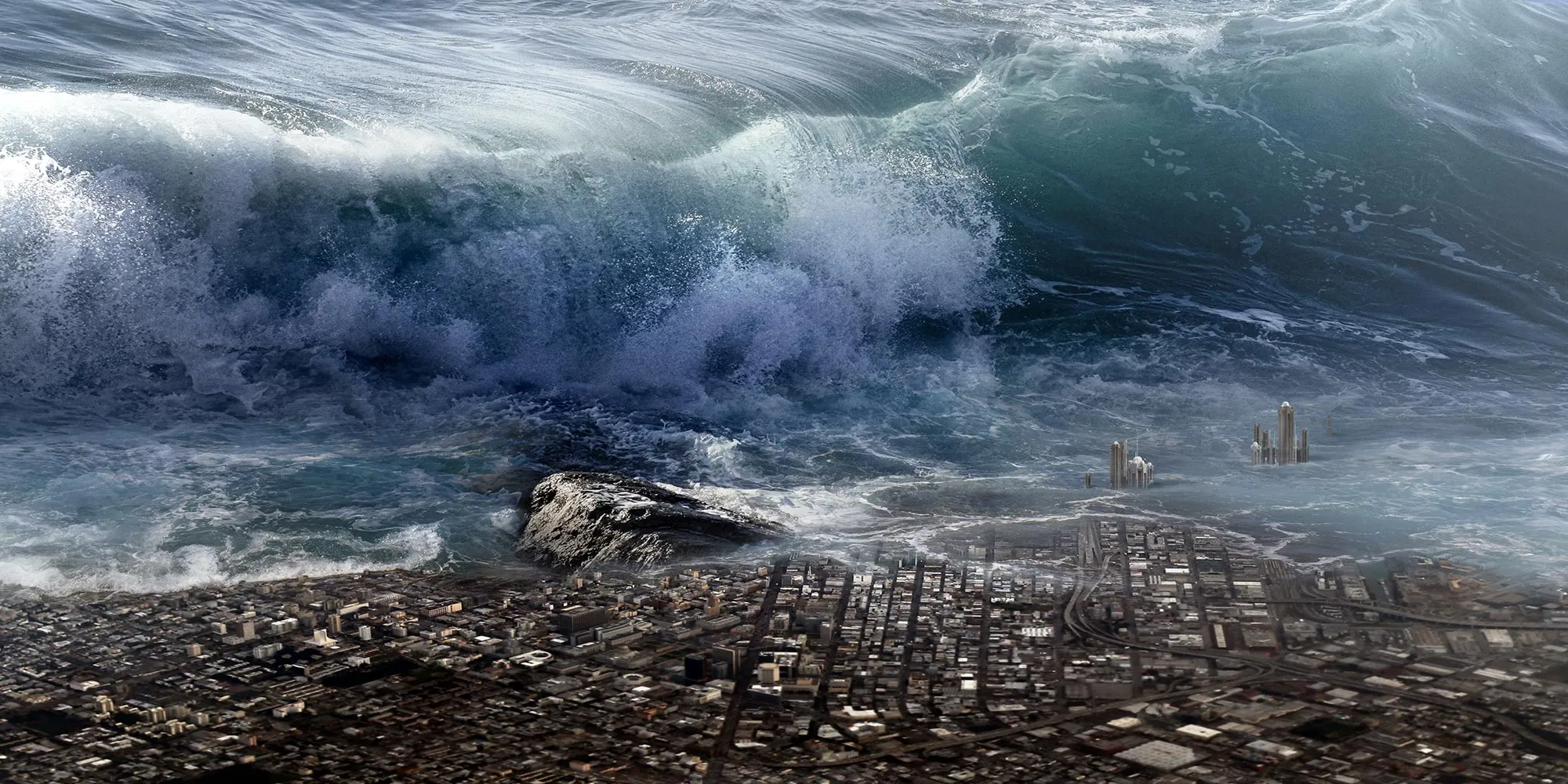
Quake Strikes Northern Seaboard
According to the information based on the original report, the earthquake hit Japan's northern seaboard on Monday, rattling communities along the Pacific edge. The United States Geological Survey logged the event as a magnitude 7.6 shake near Misawa, at a depth of approximately 53 kilometers. This depth classifies the quake as fairly shallow in geological terms, allowing more of the energy to be felt at the surface and contributing to the strong shaking experienced in cities and towns.
Residents along the coast described the motion as a forceful but steady horizontal sway, rather than a sudden vertical jolt, which can be equally disorienting. Buildings built to Japan's strict seismic standards withstood the movement, but the strength and duration of the tremor served as a reminder that even well-prepared regions must stay alert. Local media quickly issued breaking news alerts, and the incident became a leading report across television, online platforms, and social media updates throughout the night.
Tsunami Notice and First Waves
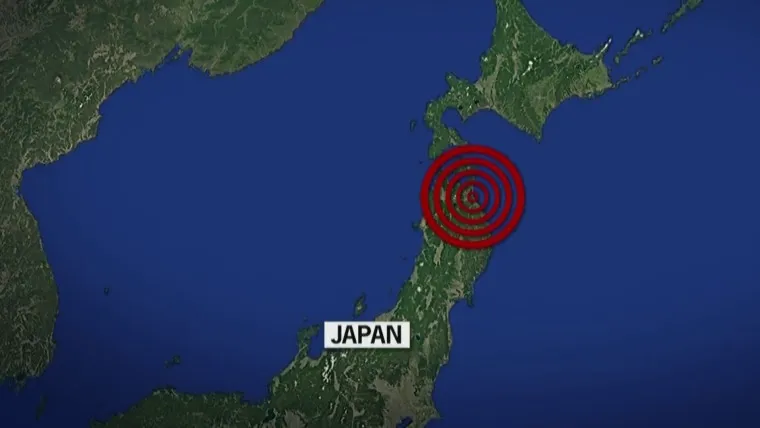
Shortly after the quake was recorded, the Japan Meteorological Agency released a tsunami advisory for parts of the northern Pacific coastline. The initial surge was reported to have reached Aomori's port at around 11:43 p.m., providing a real-time confirmation that the sea level had indeed responded to the undersea disturbance. The first waves were followed by additional swells reaching heights of up to 50 centimeters in some seaside locations.
Though these early waves were relatively modest in height compared to the towering walls of water seen in past disasters, authorities stressed that tsunami behavior can be unpredictable. A smaller initial surge does not rule out the possibility of larger waves arriving later, and this message was repeatedly emphasized in TV updates and official advisories. Residents in low-lying coastal areas were urged to remain at higher ground until officials declared it safe to return, and emergency broadcasts continued to provide the latest developments throughout the night.
Harm, Injuries, and Emergency Relocations
Local accounts from the city of Hachinohe in Aomori Prefecture reported visible damage and injuries linked to the shaking. Shattered glass was scattered across streets as shopfront windows and building panes cracked or broke under the sustained sway. Hotel staff and shop workers recounted a sudden rise in panic as objects fell and alarms sounded, turning ordinary evening routines into a tense emergency.
In response to the tsunami advisory and reports of damage, many inhabitants moved quickly to designated evacuation points. Hachinohe's municipal building and city hall served as key shelters, drawing in families, elderly residents, and tourists who followed evacuation orders. Some arrived on foot, while others used cars until roads became congested near higher ground. The temporary relocation was part of a well-practiced safety protocol that aims to reduce casualties during any potential tidal wave event.
Tremor Perceived Across Wider Regions
The impact of the quake was not limited to coastal cities. The tremor was also sensed in Sapporo, a major urban center in northern Japan, where smartphone alarms and emergency notifications activated nearly simultaneously. Residents reported that the early warning system gave them crucial seconds to prepare, for example by moving away from shelves, securing children, or taking cover under sturdy furniture.
An NHK correspondent in Hokkaido described the shaking as a horizontal swaying that lasted for roughly 30 seconds and made it challenging to remain upright. This description reflected what many viewers could see on live broadcasts: swaying cameras, shaking lights, and reporters maintaining composure while delivering real-time updates. The coverage helped people across Japan and beyond understand the intensity of the event and why authorities had responded with such urgency.
Government and Emergency Services Response
In Tokyo, government officials quickly moved into monitoring mode. Lead spokesman Minoru Kihara addressed the media, urging locals in affected areas to remain in secure zones until the tsunami advisory was lifted. He highlighted that even after a first wave appears small, later surges can be larger and more dangerous. This warning echoed long-standing guidelines in Japan's disaster manuals, which stress patience and caution during ongoing tsunami situations.
Emergency services, including fire departments, police, and coast guard units, were dispatched to check for landslides, structural damage, and people in need of assistance. Some train lines temporarily halted operations for safety inspections, and road authorities monitored expressways and bridges for visible cracks or deformations. These responses, often rehearsed through nationwide drills, reflect how seriously Japan treats every major quake, even when early reports suggest limited damage.
Nuclear Plants and Infrastructure Safety Checks
Given Japan's experience with the Fukushima disaster in 2011, any strong offshore quake immediately raises questions about nuclear facility safety. Following the latest jolt near northern Japan, officials reported that nearby atomic power stations had not shown any anomalies. Plant operators initiated standard post-quake inspections, verifying that cooling systems, backup generators, and protective barriers were functioning as expected.
These checks are designed to reassure the public and international observers that lessons from previous crises continue to shape Japan's safety protocols. While detailed inspection results often take time to compile, the initial message from authorities emphasized stability and preparedness, helping to calm immediate fears. Infrastructure such as ports, seawalls, and coastal defenses also underwent visual inspections as part of a broader effort to assess any impact from the quake and the modest tidal surges that followed.
Japan's Seismic Susceptibility and Historical Context
Japan lies along the Pacific “Ring of Fire,” where several major tectonic plates converge. This geography makes the country one of the most seismically active regions on the planet. The nation experiences roughly 1,500 seismic events every year, most of them minor and barely felt, but a significant number strong enough to generate news alerts, safety checks, and public concern. The powerful 7.2 jolt near northern Japan fits into this long and complex pattern of geological activity.
Historical memory plays a major role in how Japanese communities react to each new earthquake report. The devastating 2011 earthquake and tsunami, which caused immense loss of life and extensive damage, remains a constant reference point in public discussions and official planning. Government committees regularly evaluate the probability of future megaquakes, including those that could originate in zones such as the Nankai Trough. Recent projections have warned that a large-scale event and resulting tsunami could lead to extensive casualties and financial losses, reinforcing the urgency behind each new seismic update and safety advisory.
Ongoing Monitoring and Risk Awareness
As authorities continue to monitor the aftershocks and ocean conditions following the powerful 7.2 jolt near northern Japan, the incident serves as another reminder of the importance of preparedness in seismic regions. For residents, the latest event reinforces familiar routines: staying informed through official channels, keeping evacuation routes in mind, and maintaining emergency supplies at home and at work. For officials, it highlights the need to keep warning systems, infrastructure, and public communication strategies up to date and ready for the next potential event.
The combination of real-time alerts, public broadcasting, and clear evacuation guidance helped many communities respond quickly to this latest quake and tsunami advisory. As more detailed assessments are compiled, this event will likely be studied alongside previous tremors to refine future risk models and emergency responses. For now, it stands as a vivid example of how a single offshore quake can trigger a chain of alerts, tidal wave warnings, and protective actions across one of the world's most earthquake-aware nations.
AD
Comment / Reply From
No comments yet. Be the first to comment!








AD
AD