Dileep Acquitted in 2017 Assault Case
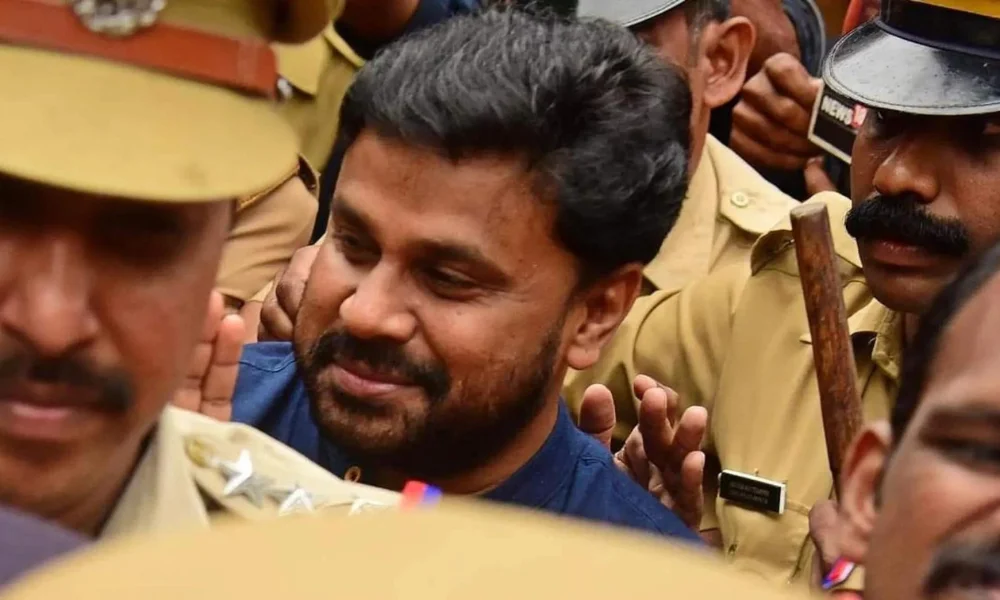
Dileep Acquitted in 2017 Assault Case
Malayalam film performer Dileep has been acquitted by a Kerala court in the high-profile 2017 performer assault case after an extended trial that lasted nearly eight years. The tribunal concluded that the prosecution was unable to firmly establish his alleged role in criminal conspiracy and destruction of evidence. This verdict marks a major turning point in one of the most closely watched cases in the Malayalam film industry, drawing attention to the functioning of the criminal justice system, the rights of the accused, and the expectations of justice for survivors of sexual violence.
Kerala Court Clears Dileep of Conspiracy Allegations
The Ernakulam District and Principal Sessions Court, presided over by Judge Honey M Varghese, delivered the much-anticipated verdict at around 11 am. In its finding, the court held that there was insufficient evidence to prove that Dileep had conspired with the main accused or played a part in destroying material related to the alleged assault. As a result, he was acquitted of the charges that had made him one of the central figures of the investigation and prolonged public debate.
Dileep had been listed as the eighth accused in the case and faced an additional allegation of destroying crucial evidence. He was arrested in July 2017 after investigators claimed that prime accused Pulsar Suni had sent a letter to him from custody. The actor later secured bail in October of the same year. Throughout the proceedings, he consistently denied the allegations, maintaining that he was being targeted and that the claims against him were based on suspicion rather than solid proof.
The court's decision to acquit Dileep underscores the stringent standard of proof required in criminal trials. Even in cases that attract wide media coverage and intense public scrutiny, the verdict ultimately hinges on whether the prosecution can provide credible, consistent, and legally acceptable evidence that withstands cross-examination and judicial scrutiny.
Six Other Accused Convicted in the 2017 Assault Incident
While Dileep was cleared, the tribunal convicted six of the other defendants in connection with the brutal incident. These accused were found guilty of a range of offences including criminal conspiracy, kidnapping, wrongful confinement, assault with intent to outrage modesty, attempt to disrobe, and gang sexual assault. The court held that their coordinated actions led to the abduction and alleged assault of a prominent Malayalam performer inside her vehicle in Kochi on 17 February 2017, an incident that shocked the state and the wider film fraternity.
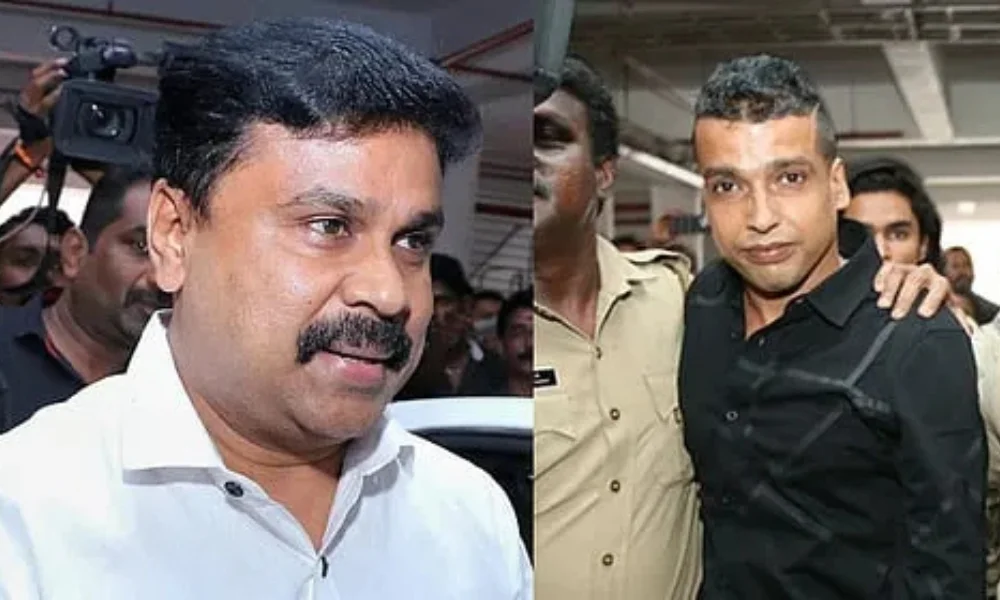
Among those who faced trial were key accused like Pulsar Suni and others, who were charged under multiple provisions of the Indian Penal Code and the Information Technology Act. The tribunal's findings against them affirm that the planning, execution, and criminal intent behind the incident were sufficiently proven. Their sentencing has been scheduled for 12 December, when the court is expected to announce the quantum of punishment after hearing arguments from the prosecution and the defence regarding mitigating and aggravating circumstances.
The conviction of these six accused highlights the gravity with which the court has viewed the offences. The charges involve serious violations of bodily autonomy, personal liberty, and dignity, and the verdict sends a strong message that such acts of violence, including group assault and abduction, will be met with strict legal consequences when proved.
Timeline and Background of the 2017 Performer Assault Case
The case traces back to the night of 17 February 2017, when a well-known Malayalam performer was allegedly abducted and sexually assaulted inside a moving vehicle for nearly two hours in and around Kochi. The incident was reported promptly, and the survivor's complaint led to a wide-ranging investigation that soon pointed to a larger conspiracy involving multiple individuals from different backgrounds.
The initial charge sheet was filed in April 2017, naming several accused, including driver and key accused Pulsar Suni. As the investigation progressed, more individuals were brought under the scanner, and supplementary charge sheets were filed later the same year. Some of the accused were discharged, and a few turned approvers, giving statements to the police in exchange for certain legal considerations, as permitted by criminal procedure provisions.
Dileep's name emerged prominently when investigators claimed that a letter written by Pulsar Suni from custody indicated a possible link between the actor and the alleged conspiracy. This led to Dileep's arrest in July 2017, drawing intense attention and polarised reactions from fans, film industry insiders, and the general public. His release on bail a few months later did little to calm the ongoing debates surrounding the case, as the matter continued to progress through the courts.
Legal Proceedings, Fresh Investigations, and Court Directions
Over the years, the case went through multiple stages of investigation and legal review. In 2018, Dileep sought a probe by the Central Bureau of Investigation, alleging bias on the part of the state police. The court, however, declined the request, clarifying that an accused person cannot select the agency that investigates the charges against them. A subsequent division bench also dismissed his appeal, observing that the trial was nearing completion and that further disruption of the process was unwarranted.
In 2021, the case took another turn when filmmaker Balachandra Kumar levelled fresh allegations, claiming that Dileep possessed recordings related to the assault. This led to a directive for further investigation and resulted in an additional layer of scrutiny over how evidence was collected, handled, and preserved. A separate case was also initiated over an alleged conspiracy to harm investigating officials, expanding the legal landscape around the original incident.
In 2022, concerns were raised regarding possible unauthorised access to the memory card containing sensitive material, which was meant to remain in safe court custody. The High Court ordered a fact-finding inquiry into these allegations and issued new guidelines for the handling of explicit digital evidence, reflecting the judiciary's focus on safeguarding the privacy and dignity of survivors while ensuring the integrity of criminal proceedings in the digital age.
Examination of Witnesses and Documentary Evidence
The trial in the 2017 assault case was marked by an unusually large number of witnesses and extensive documentation. A total of 261 witnesses were examined, including several personalities from the Malayalam film industry and individuals connected to different aspects of the incident and investigation. Over the course of the trial, many witnesses turned hostile, presenting a challenge to the prosecution as it attempted to build a consistent narrative before the court.
The court admitted 834 documents as evidence, covering a wide range of material such as technical records, investigative reports, witness statements, and other supporting records. The investigating officer was cross-examined over an extended period of 109 days, demonstrating the intense scrutiny of the methods, assumptions, and conclusions reached during the probe. The defence also produced two witnesses, seeking to counter the prosecution's claims and reinforce Dileep's stand that there was no credible link connecting him to the alleged conspiracy.
Two key witnesses, former MLA P. T. Thomas and director Balachandra Kumar, passed away during the course of the proceedings. Their earlier statements nevertheless formed part of the overall evidentiary record considered by the court. The length and complexity of the witness examinations and cross-examinations contributed to the prolonged duration of the trial but were also central to ensuring that all sides were given a full opportunity to present their case.
Impact on Malayalam Film Industry and Public Discourse
The 2017 assault case had a profound impact on the Malayalam film industry, triggering intense debates on workplace safety, gender equality, and power structures within the entertainment sector. The survivor's decision to pursue the case and remain active in her profession inspired many discussions on the support structures available to women in cinema and other fields. Collective efforts by artists and organisations to stand by the survivor brought issues of harassment, intimidation, and systemic silence into the mainstream.
At the same time, the accusations against a popular actor like Dileep led to sharp divisions among fans and industry stakeholders. Over the years, various groups expressed strong opinions either supporting the survivor or backing the actor, making the case not just a legal matter but also a social and cultural flashpoint. With the latest verdict, these discussions are likely to continue, focusing on how to balance the presumption of innocence for accused individuals with the need to ensure safety, dignity, and justice for survivors.
Legal Significance and Next Developments to Watch
The acquittal of Dileep and the conviction of six other accused underline the complexity of criminal trials involving allegations of conspiracy, sexual violence, and digital evidence. The verdict demonstrates that each accused is assessed individually based on the specific evidence available against them. While the court found the material sufficient to convict the other accused, it concluded that the threshold for linking Dileep to the alleged plotting and evidence destruction had not been met beyond reasonable doubt.
The forthcoming sentencing of the convicted accused on 12 December will be closely watched as a key next step in the case. The length and nature of their punishment will depend on several factors, including the gravity of the offences, their roles in the incident, and any considerations raised by the defence in mitigation. Additionally, there remains the possibility of appeals or further legal challenges by either side, as is common in high-stakes criminal matters involving serious charges and extensive public interest.
For now, the verdict stands as a major development in a case that has shaped conversations around crime, celebrity, survivor rights, and the justice system in Kerala and beyond. As legal experts, industry observers, and the public analyse the court's detailed reasoning, the 2017 performer assault case will likely remain a reference point in discussions on how the law responds to complex allegations of violence and conspiracy in the age of intense media coverage and digital evidence.
Facebook Comments











-
 Explore the upcoming Tamil film Maaman - cast, sto...
 -
 Read the ACE (2025) movie review starring Vijay Se...
 -
 Check out Maaman's 1st day box office collection a...
 -
 Explore tourist family reviews for Maaman movie –...
Popular Posts
Vote / Poll
Recent Posts



Recommended Posts

-
 Discover the best schools in Nagercoil f...
 -
 Discover the top-rated preschools in Nag...
 -
 Explore the best schools in Nagercoil th...

Comment / Reply From