Australia Imposes Social Media Restriction for Under-16s

Australia Imposes Social Media Restriction for Under-16s
Australia has formally implemented a nationwide restriction preventing minors under the age of 16 from using major social media platforms. Under the new framework, services such as TikTok, YouTube, Instagram, and Facebook are required to limit access and adjust their content delivery for younger users or face substantial sanctions from regulators. This breaking news development is being closely watched both within Australia and around the world as lawmakers respond to growing concerns about online safety, mental health, and the influence of digital platforms on children.
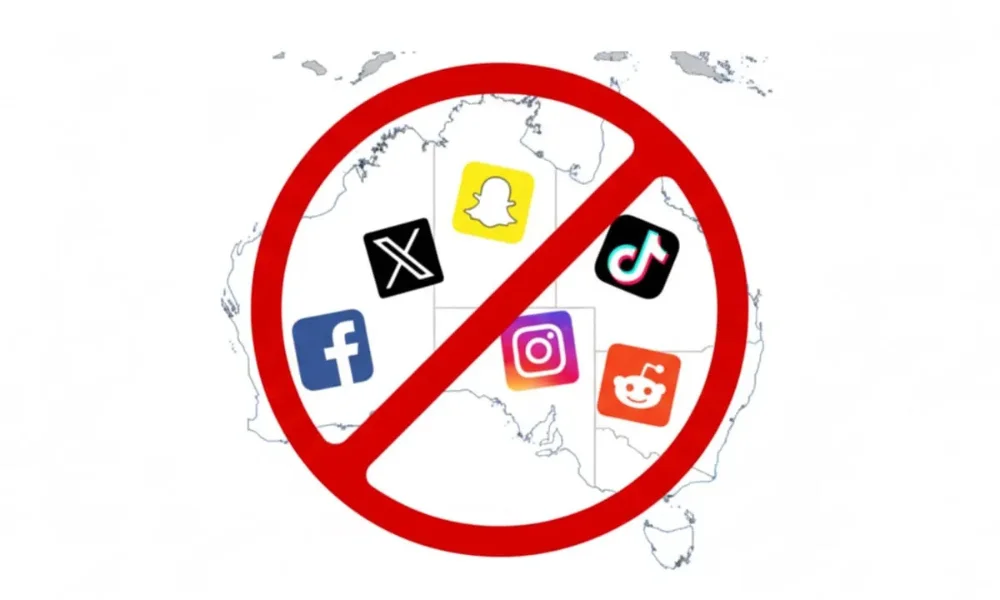
The restriction positions Australia among the countries experimenting with stricter age-based controls on social media usage. Authorities have framed the move as a necessary response to reports of cyberbullying, harmful content, and addictive online habits that can shape the emotional and social development of adolescents. As this latest update takes effect, parents, educators, technology firms, and young users themselves are attempting to understand how daily digital routines will change and what it means for the broader culture of online interaction.
Premier Anthony Albanese Describes a Proud Occasion for Families
Premier Anthony Albanese has described the social media restriction as a proud occasion for the nation and a significant step in reshaping how families interact with the digital world. In his remarks, he emphasized that the measure is intended to help households reclaim authority from large technology conglomerates. According to the premier, the legislation is not merely about limiting screen time but about restoring balance in the lives of youngsters so they can savor their youth without constant digital pressure or exposure to potentially damaging content.
Albanese highlighted that many parents feel overwhelmed by the speed at which online trends, viral challenges, and algorithm-driven recommendations shape the experiences of their children. By placing clear legal boundaries on social media access for those under 16, the government aims to offer guardians greater peace of mind. This latest development has been framed as a moment when public policy attempts to catch up with the rapid expansion of digital platforms and their influence over everyday life.
Details of the Nationwide Restriction and Compliance Requirements
Under the new rules, ten leading social media platforms have been instructed to introduce age-based limitations or face penalties that can reach significant amounts. These services are expected to restrict access for users who are identified as being under 16, adjust their content recommendation systems, and ensure that minors do not receive material considered harmful or inappropriate. If companies fail to comply, they risk investigations, fines, and reputational damage stemming from regulatory action and public scrutiny.
Authorities have linked the need for strong enforcement to a pattern of incidents where young people were allegedly exposed to misleading information, online harassment, and content that promotes unrealistic body image standards. By tightening controls, the administration aims to reduce the scale of these risks and send a clear message that the digital environment must be safer for children. The measure is being reported as a major policy shift and a key news update in Australia’s broader approach to online regulation.
Technology Companies Face Pressure to Adjust Their Platforms
The directive has not been free of controversy. Several technology corporations have expressed concern about the practical and ethical implications of enforcing strict age limits, particularly when a large portion of their user base may be affected. Some companies fear that the new law could disrupt user growth, engagement metrics, and advertising strategies that rely on capturing the attention of younger audiences. Others have raised questions about the accuracy of age verification and the potential for unintended consequences if genuine users are blocked.
Despite this resistance, platforms have been told that the law must be followed. The government has signaled that failure to comply may be met with firm regulatory responses. In this context, the restriction has become a significant point of tension between public authorities and global digital firms, with both sides acutely aware that decisions made in Australia could influence similar debates in other regions. For industry observers, this is a major news report and a case study in how states are attempting to manage powerful online ecosystems.
Guardians Applaud the Move as Young Users Say Farewell Online
Many guardians have welcomed the restriction as a long-awaited step in reducing constant online exposure. Parents who were worried about late-night scrolling, exposure to disturbing videos, and peer pressure driven by likes and comments view the law as an official backing of the boundaries they were already trying to set at home. For them, this latest development offers a sense of support, showing that the wider system recognizes the challenges of raising children in a hyperconnected world.
At the same time, many young people reacted to the news by posting farewell notes and final updates to their followers before losing access. These posts often mentioned friendships formed online, creative projects shared through videos and photos, and the sense of community that social media can provide. For some minors, logging off is not simply a technical adjustment but an emotional shift, as platforms have been deeply woven into how they communicate, learn about trends, and express their identity.
Platform X and the Challenge of Legal Compliance
Elon Musk’s platform X was reportedly the last major service to implement the restriction, openly stating that it would comply even though the decision was not its preference. The platform noted that adherence was required under the law and moved to restrict content for users who do not meet the age specifications. This episode illustrates how companies can publicly express disagreement with regulatory approaches while still altering their operations to avoid penalties.
The case of X has become a focal point in news coverage, symbolizing the broader friction between tech firms that promote open access and governments that seek tighter control over digital environments. Analysts point out that similar clashes may arise again as other jurisdictions introduce or update rules related to age limits, content moderation, and online advertising. For now, Australia’s actions serve as a prominent example of a state pressing ahead with strict requirements, even when powerful companies voice objections.
Age Confirmation Systems and New Technical Measures
In order to meet the new legal standards, social media entities have introduced age-assessment mechanisms that rely on multiple signals. These systems may examine user behaviour patterns, request personal photos such as selfies, and require documentation verification to confirm that individuals satisfy the required age threshold. By using combined assessments rather than a single data point, companies claim they can produce a more reliable estimate of a user’s age.
However, experts warn that no age-verification method is perfect. Some worry that younger users might still find ways to bypass restrictions by borrowing identification documents, adjusting their declared date of birth, or accessing services through shared devices. Others express concern about the volume of sensitive data being collected for age checks and how long that data is stored. These issues are likely to remain at the centre of ongoing policy discussions and future news reports on digital regulation.
Mental Health, Misinformation, and Online Safety Concerns
The Albanese administration has repeatedly referenced studies and reports suggesting that heavy social media use may be linked to psychological strain among adolescents. Concerns range from constant comparison with curated online lives to exposure to misinformation, harassment, and content that promotes harmful ideals regarding appearance and success. These risks, in the view of policymakers, justify a firm response and a protective framework that treats minors as a particularly vulnerable group in the digital landscape.
Supporters of the restriction argue that young people often lack the tools to critically assess what they encounter online. They believe that reducing early exposure to high-pressure digital spaces may spare children from some of the anxiety and isolation reported in recent years. For them, this policy is not simply another rule but a significant update in how society defines responsible technology use and digital wellbeing for the next generation.
Ongoing Debate About Rights, Freedom, and Digital Childhood
While there is strong backing from many parents and safety advocates, the restriction has also sparked debate about rights and freedoms in the digital age. Some commentators worry that broad limits on social media use might restrict opportunities for young people to learn, collaborate, and participate in public discussions. They note that online spaces can also host educational resources, support communities, and creative outlets that might be harder to access offline.
Others point out that enforcement alone cannot replace open conversations within families about responsible online behaviour. They suggest that the most effective approach combines regulation, digital literacy education, and active guidance from adults. As the restriction takes effect, many observers expect further reports, follow-up reviews, and potential adjustments based on how the policy operates in practice and how it affects daily life for teenagers across Australia.
Facebook Comments










-
 Explore the upcoming Tamil film Maaman - cast, sto...
 -
 Read the ACE (2025) movie review starring Vijay Se...
 -
 Check out Maaman's 1st day box office collection a...
 -
 Explore tourist family reviews for Maaman movie –...
Popular Posts
Vote / Poll
Recent Posts




Recommended Posts

-
 Discover the best schools in Nagercoil f...
 -
 Discover the top-rated preschools in Nag...
 -
 Explore the best schools in Nagercoil th...

Comment / Reply From