2 Dead After Flooding In New York City Basements Amid Heavy Rain
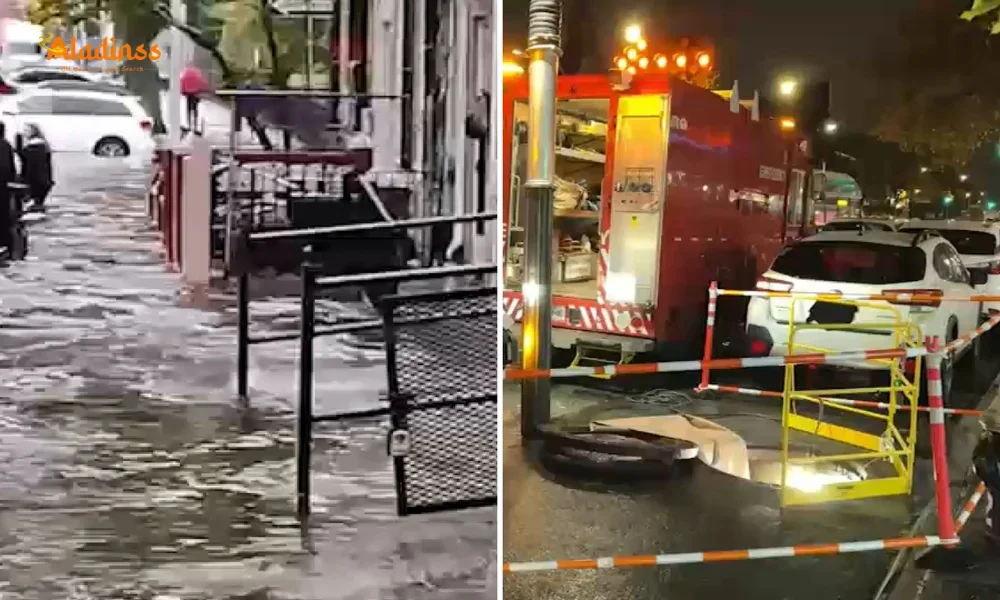
Tragic NYC Basement Flooding Claims Two Lives Amid Record Rainfall
Two men lost their lives in separate basement flooding incidents in New York City as torrential rain overwhelmed the metropolitan area on Thursday. A 39-year-old was recovered from a submerged Brooklyn basement by emergency scuba teams, while a 43-year-old was found unresponsive in a flooded boiler room. The deadly NYC basement flooding events highlight the dangers of extreme weather in urban underground spaces, with roads closed, flights delayed, and record rainfall shattering century-old benchmarks.
Central Park recorded 1.8 inches of rain, surpassing the 1917 record of 1.64 inches, according to the National Weather Service. LaGuardia Airport saw 1.97 inches-breaking the 1955 mark of 1.18 inches. Mayor Eric Adams noted the sewer system's inability to cope with the deluge, describing it as a “steady rain throughout” that strained infrastructure.
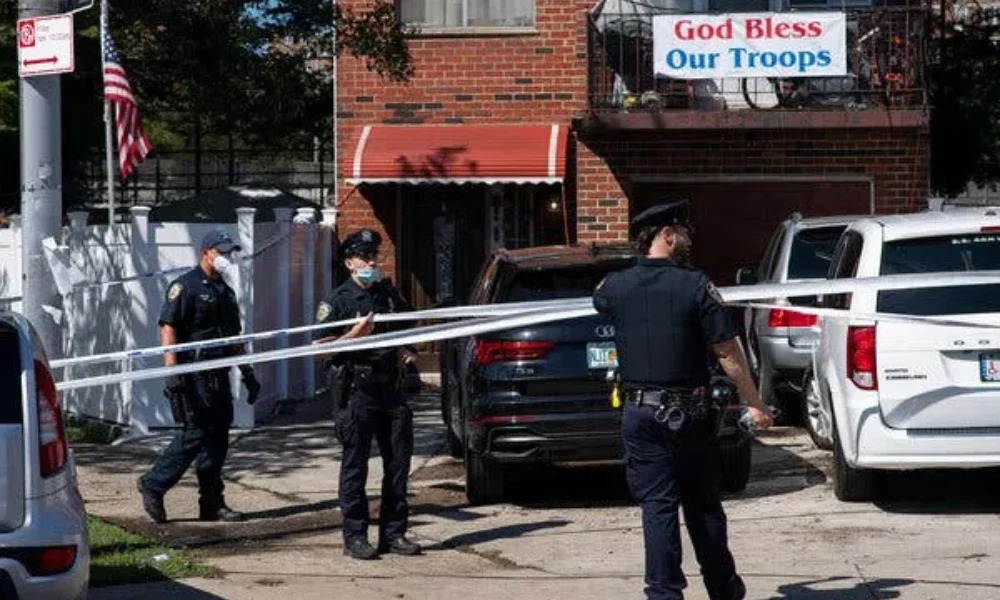
Brooklyn Basement Tragedy: Scuba Rescue Turns Fatal
The first victim, a 39-year-old man, was discovered in a flooded basement in Brooklyn’s Bay Ridge neighborhood around 4:30 PM local time. FDNY scuba divers navigated waist-deep water to reach the trapped individual. Despite rapid extraction and transport to NYU Langone Hospital-Brooklyn, he was pronounced dead on arrival. Preliminary reports suggest he may have been attempting to retrieve belongings or check utilities when water levels rose suddenly.
NYC basement flooding has become a recurring threat during intense storms. Many older buildings lack proper sump pumps or backflow preventers, allowing stormwater to surge through drains. The victim’s identity has not been released pending family notification, but neighbors described him as a longtime resident who lived alone in the basement apartment-a common, affordable housing option in the borough.
This incident mirrors past tragedies. In 2021, Hurricane Ida claimed 13 lives in NYC basement dwellings, prompting calls for stricter regulations on below-grade residences. Despite new flood disclosure laws for renters, enforcement remains inconsistent.
Second Victim Found in Queens Boiler Room
In Queens, a 43-year-old building superintendent was found unconscious inside a flooded boiler room in Jamaica. Witnesses reported he entered the space to shut off utilities amid rising water but soon became unresponsive. NYPD and EMS arrived within eight minutes, but efforts to revive him failed. He was declared dead at the scene.
The medical examiner is investigating whether drowning, electrocution, or cardiac arrest caused the fatality. Boiler rooms pose unique risks during floods-electrical hazards, toxic fumes from submerged equipment, and limited egress. The victim, a father of two, had worked at the six-story apartment building for over a decade.
These NYC basement flooding deaths underscore the human cost of urban flash flooding. Low-lying areas in Queens and Brooklyn are particularly vulnerable due to aging infrastructure and high water tables.
Record Rainfall Shatters Century-Old Marks
Thursday’s storm delivered historic precipitation across NYC. Central Park’s 1.8 inches eclipsed the October 31 record set in 1917. LaGuardia Airport’s 1.97 inches smashed the 1955 benchmark. JFK Airport logged 1.72 inches, while Newark saw 1.65 inches-both near-daily records.
The National Weather Service classified the event as a “100-year storm” in localized areas. Radar showed rainfall rates exceeding 2 inches per hour, overwhelming combined sewer systems that handle both stormwater and sewage. Over 50 streets flooded, with water depths reaching 3 feet in parts of Brooklyn and Queens.
Mayor Adams addressed the crisis on 1010 WINS: “Our sewers aren’t built for this volume. It was relentless.” The city activated its Flash Flood Emergency Plan, deploying high-water vehicles and closing underpasses.
Transportation Chaos: Roads Closed, Flights Grounded
The deluge paralyzed transit. The FDR Drive closed in both directions from 96th Street to the Brooklyn Bridge. The BQE flooded near Atlantic Avenue, stranding dozens of vehicles. MTA suspended service on the G and J lines due to station flooding.
At airports:
- LaGuardia: 120+ flights delayed, 40 canceled
- JFK: Ground delay program; average delay 90 minutes
- Newark: 80 flights affected
The Port Authority urged travelers to check flight status. Uber surge pricing hit 3.5x during peak flooding. NYC Ferry suspended East River routes due to debris and high waves.
Why Basements Are Death Traps in NYC Floods
Over 70,000 basement apartments exist in NYC, housing an estimated 200,000 residents-mostly immigrants and low-income families. These units are cheapest but riskiest during floods. Water enters via:
- Cracked foundations
- Backflow from overwhelmed sewers
- Ground saturation
Post-Ida, the city launched a $2 billion cloudburst management plan, including green infrastructure and elevated utilities. Yet, only 15% of vulnerable basements have been retrofitted. Critics argue enforcement of flood-zone building codes remains lax.
Experts recommend:
- Sump pumps with battery backup
- Backflow prevention valves
- Elevated electrical panels
- Emergency escape ladders
Climate Change Amplifies NYC Flood Risk
Scientists link intensified rainfall to climate change. Warmer air holds more moisture, leading to “rain bombs”-short, extreme downpours. NYC has seen a 50% increase in heavy rain events since 1950. Sea level rise exacerbates coastal flooding, pushing stormwater inland.
The city’s 2030 Climate Plan aims for net-zero emissions and resilient infrastructure. Projects include 10,000 bioswales, expanded bluebelts in Staten Island, and raised bulkheads. However, basement dwellings remain a blind spot in resilience planning.
Community Response and Safety Warnings
NYC Emergency Management issued flash flood warnings via text, TV, and social media. The “Know Your Zone” campaign urges residents to avoid basements during heavy rain. Community groups distributed sandbags in flood-prone areas like Hamilton Beach and Broad Channel.
Landlords face increased scrutiny. DOB inspectors issued 47 violations for illegal basement occupancy post-storm. Tenants displaced by flooding can access FEMA aid and Red Cross shelters.
Also Read: Tamil Nadu School Holiday Due to Heavy Rain Today
What Residents Should Do During Flood Warnings
FDNY and OEM recommend:
- Never enter flooded basements-risk of electrocution
- Turn off power at breaker if safe
- Evacuate to higher ground immediately
- Call 911 for trapped individuals
The NYC basement flooding deaths serve as a grim reminder: preparation saves lives. As climate threats grow, resilient housing and rapid response are non-negotiable.
Facebook Comments












-
 Explore the upcoming Tamil film Maaman - cast, sto...
 -
 Read the ACE (2025) movie review starring Vijay Se...
 -
 Check out Maaman's 1st day box office collection a...
 -
 Explore tourist family reviews for Maaman movie –...
Popular Posts
Vote / Poll
Recent Posts




Recommended Posts

-
 Discover the best schools in Nagercoil f...
 -
 Discover the top-rated preschools in Nag...
 -
 Explore the best schools in Nagercoil th...

Comment / Reply From