Ashley Tellis Arrested: US Expert's China Ties Probe
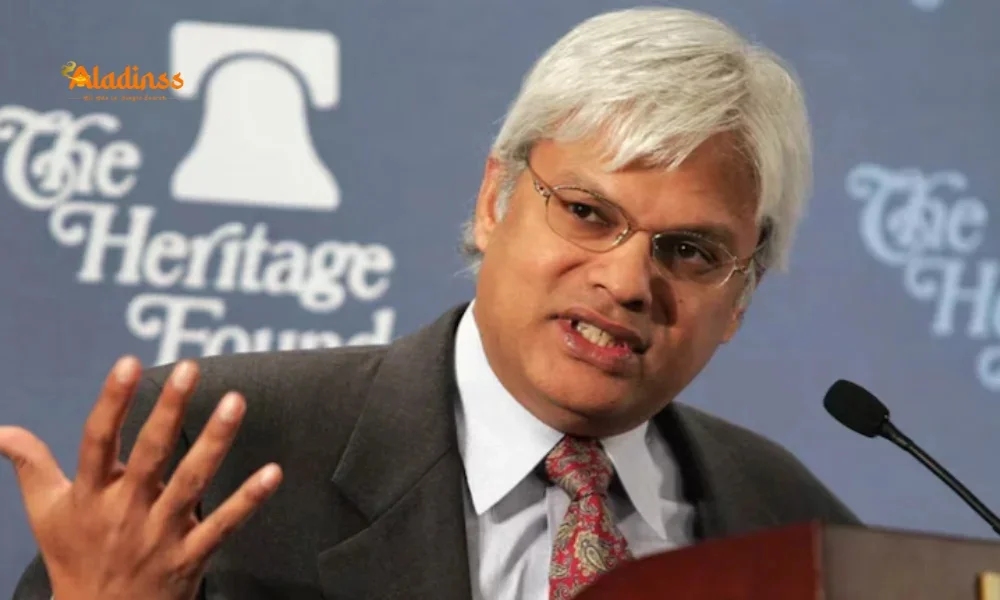
Ashley Tellis Arrested: Indian-Origin US Expert Faces Charges Over Classified Documents and China Ties
In a stunning development shaking the corridors of Washington, Ashley Tellis, a prominent Indian-origin strategic expert and long-time US policy advisor on South Asia, has been arrested on charges related to the unlawful retention of classified national defense information. The 64-year-old scholar from Vienna, Virginia, faces allegations of hoarding over 1,000 pages of top-secret and secret documents at his home, alongside suspected meetings with Chinese government officials. This arrest highlights escalating concerns about foreign influence in US security circles, particularly amid heightened tensions with Beijing.
The US Attorney for the Eastern District of Virginia, Lindsey Halligan, announced the charges, emphasizing the grave risks such actions pose to national security. Tellis was taken into custody on October 11, 2025, just as he was set to board a flight to Rome with his family. Federal investigators uncovered the sensitive materials during a search of his residence, underscoring the meticulous surveillance that led to this high-profile takedown.
Tellis's career, marked by influential roles in shaping US-India relations, now stands overshadowed by these serious accusations. His expertise on international security, particularly in Asia, had made him a go-to voice in policy debates, but recent scrutiny has revealed potential vulnerabilities in how classified information is handled by even the most trusted advisors.
Also Read: Ravi Naik, Former Goa CM, Passes Away at 79
The affidavit details how Tellis, serving as an unpaid advisor to the State Department and a contractor with the Pentagon's Office of Net Assessment, accessed and printed sensitive files in the weeks leading up to his arrest. On September 25, 2025, he reportedly entered the State Department and printed a classified document on US Air Force techniques, later renaming a 1,288-page file on military tactics to "Econ Reform" to obscure its contents. Surveillance footage captured him leaving government buildings with briefcases containing what authorities believe were pilfered documents.
Details of the Charges Against Ashley Tellis
The core accusation centers on violating 18 U.S.C. § 793(e), which prohibits the unauthorized retention of national defense information. Prosecutors allege that Tellis unlawfully removed highly classified materials from secure facilities and stored them unsecured at his home. The FBI's search on October 11 recovered documents marked "Top Secret" and "Secret" from filing cabinets, desks, and even trash bags, painting a picture of systematic mishandling.
Compounding the retention charges are suspicions of unauthorized contacts with Chinese officials. Court filings describe multiple dinners at a Fairfax, Virginia restaurant between 2022 and 2025. In one April 2023 meeting, Tellis arrived with a manila envelope that he did not leave with, while Chinese representatives presented him with gift bags on two occasions. Conversations reportedly touched on sensitive topics like Iranian-Chinese relations, emerging technologies including artificial intelligence, and US-Pakistan dynamics.
- Over 1,000 pages of classified documents recovered from Tellis's home.
- Multiple meetings with PRC officials documented via surveillance.
- Printing of Air Force tactics documents in September 2025.
- Discussions on geopolitics and tech during dinners.
- Potential exchange of materials inferred from envelope and gift bag incidents.
While no formal espionage charges have been filed yet, the implications are profound. Halligan stated, "We are fully focused on protecting the American people from all threats, foreign and domestic." The case aligns with the Trump administration's aggressive stance on classified information leaks, led by Director of National Intelligence Tulsi Gabbard, who has promised relentless prosecutions.
If convicted, Tellis faces up to 10 years in prison, a $250,000 fine, a $100 special assessment, and forfeiture of any seized assets. However, federal sentencing guidelines often result in lighter penalties, determined by a judge considering factors like the defendant's history and cooperation. Tellis's lack of prior criminal record may mitigate the sentence, but the volume of documents and foreign contacts could weigh heavily.
Background on Ashley Tellis's Illustrious Career
Born in Mumbai, India, Ashley Tellis's journey to becoming a cornerstone of US foreign policy began at St. Xavier's College. He pursued higher education in the US, earning an M.A. and Ph.D. in political science from the University of Chicago. Tellis joined the US Foreign Service in 1985, serving as a commissioned officer until 1990, and later as a senior policy analyst at the RAND Corporation.
His government service peaked under President George W. Bush, where he held senior positions on the National Security Council staff and as special assistant to the president. Tellis played a pivotal role in negotiating the landmark US-India civil nuclear agreement in 2008, a deal that ended India's nuclear isolation and bolstered strategic ties between the two democracies. This achievement not only transformed bilateral relations but also positioned India as a counterweight to China in the Indo-Pacific region.
Post-Bush, Tellis continued advising multiple administrations, including as senior adviser to the US ambassador in New Delhi. At the Carnegie Endowment for International Peace, where he serves as a senior fellow, his research focuses on international security, US defense policy, and Asian geopolitics. Books like "Striking Asymmetries: Nuclear Transitions in Southern Asia" and "Revising US Grand Strategy Toward China" have cemented his reputation as a thought leader.
Tellis's analyses often appear in prestigious outlets like Foreign Affairs, where he recently critiqued US-India alignment. He argued that India's ties with Russia and Iran diverge from American interests and expressed skepticism about New Delhi's ability to rival Beijing economically, even if China's growth slows to 2%. Such candid views made him a contrarian voice in Washington, respected for their candor but occasionally sparking debate.
Broader Implications for US-India Relations and Security
The arrest of Ashley Tellis arrested over China links comes at a sensitive juncture for US-India ties. As Washington deepens its Quad partnership to counter Chinese expansionism, any perceived breach involving an India expert risks eroding trust. Tellis's dual heritage—Indian roots and American citizenship—amplifies the scrutiny, prompting questions about vetting processes for diaspora advisors in sensitive roles.
Experts note that this case underscores vulnerabilities in the think tank-government nexus. Organizations like Carnegie, where Tellis worked, often bridge academia and policy, but blurred lines can lead to inadvertent risks. The Pentagon's Office of Net Assessment, Tellis's contracting base, was recently restructured amid concerns over its internal think tank functions, adding context to the timing.
From a geopolitical lens, the allegations of China ties probe raise alarms about Beijing's outreach to US influencers. Discussions on AI and Iran ties during meetings suggest potential intelligence-gathering efforts, aligning with broader US indictments of Chinese espionage. This incident may intensify calls for stricter compliance in handling classified info, affecting how experts like Tellis engage with foreign entities.
For India, the fallout could be nuanced. Tellis's nuclear deal legacy endures, but his recent critiques of India's Russia-Iran stance might fuel narratives of divided loyalties. Indian officials have remained silent, but diplomatic channels may quietly reassure Washington of New Delhi's commitment to shared security goals.
Legal Proceedings and Next Steps
Tellis's case will proceed in the US District Court for the Eastern District of Virginia, known for handling high-stakes national security matters. A preliminary hearing is expected soon, where prosecutors will present evidence from the affidavit, including surveillance videos and recovered documents. Tellis's legal team has yet to comment, but defenses may hinge on arguing the retention was inadvertent or that meetings were academic in nature.
The Carnegie Endowment has distanced itself, stating Tellis's work was independent and that the organization upholds strict ethics. The State Department confirmed his arrest but reiterated its commitment to safeguarding information. As the investigation unfolds, additional charges like unauthorized disclosure could emerge if links to China deepen.
This saga serves as a cautionary tale for policy experts navigating global tensions. Tellis's fall from grace, if proven, could reshape discussions on trust in multicultural advisory roles. Yet, his contributions to US-India strategic alignment remain a testament to the complexities of international diplomacy.
In the coming months, the trial will draw intense scrutiny from media and policymakers alike. It may prompt reforms in classification protocols and foreign contact disclosures, ensuring that the pursuit of knowledge does not compromise security. For now, the Ashley Tellis case stands as a stark reminder of the thin line between expertise and endangerment in the world of global strategy.
Facebook Comments









-
 Explore the upcoming Tamil film Maaman - cast, sto...
 -
 Read the ACE (2025) movie review starring Vijay Se...
 -
 Check out Maaman's 1st day box office collection a...
 -
 Explore tourist family reviews for Maaman movie –...
Popular Posts
Vote / Poll
Recent Posts




Recommended Posts

-
 Discover the best schools in Nagercoil f...
 -
 Discover the top-rated preschools in Nag...
 -
 Explore the best schools in Nagercoil th...

Comment / Reply From