Trump Praises PM Modi As US And India Engage In Major Trade Talks
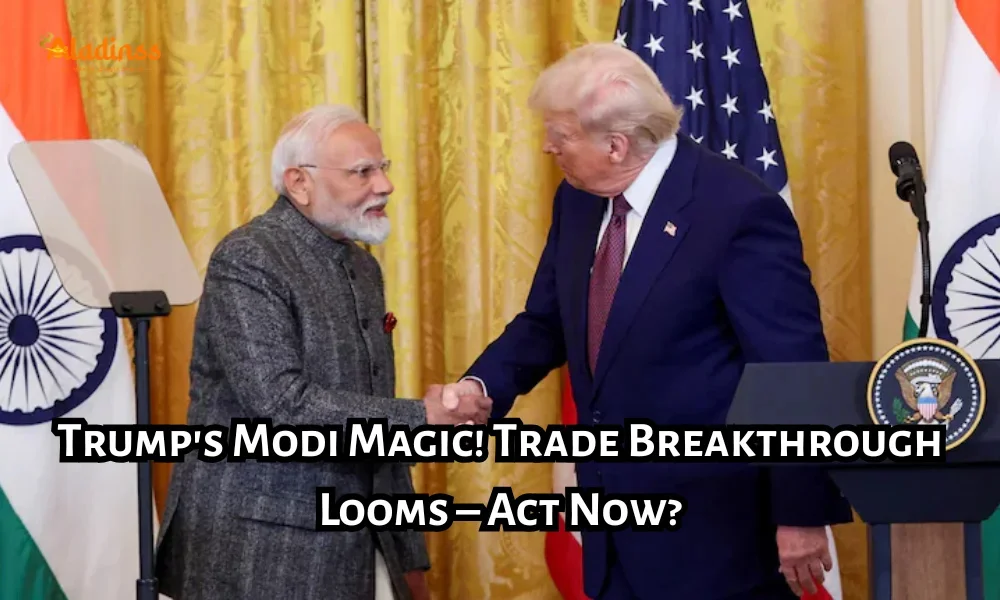
US-India Trade Boost: Trump Praises Modi as Talks Heat Up in 2025
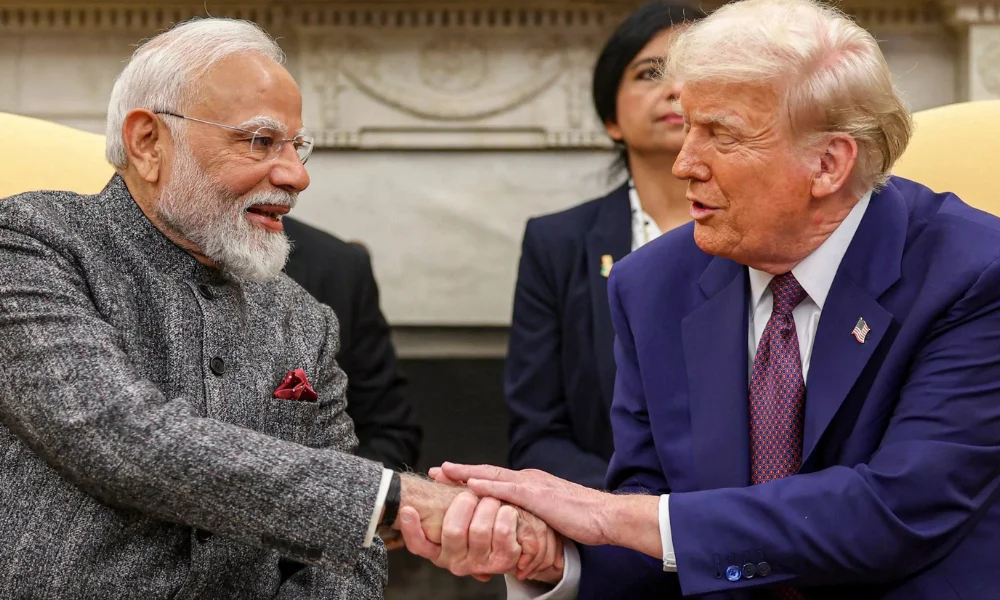
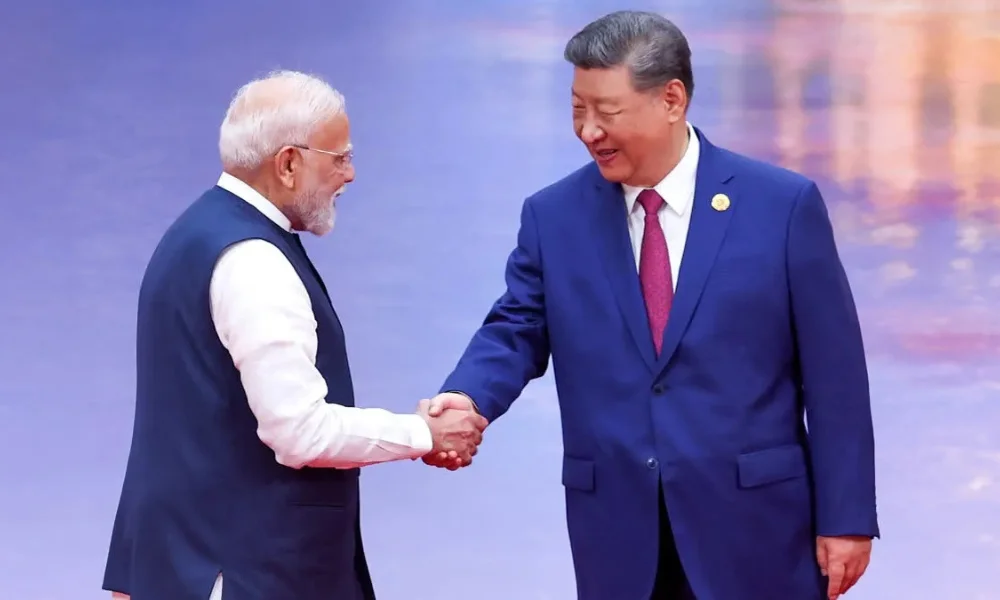
Amid strengthening ties between Washington and New Delhi, White House spokesperson Karoline Leavitt highlighted President Donald Trump's deep admiration for Prime Minister Narendra Modi during a recent briefing on November 5, 2025. Describing the Trump Modi trade talks as intensely focused, she revealed frequent direct communications between the leaders, including a heartfelt Diwali exchange from the Oval Office. This comes as the duo navigates complex negotiations for a landmark US India trade deal, aiming to resolve lingering tariff disputes and unlock mutual economic gains in a post-pandemic world.
Leavitt emphasized Trump's optimistic outlook on bilateral relations, noting the role of seasoned diplomat Sergio Gor as the new US Ambassador to India, poised to champion American interests. With five negotiation rounds already wrapped up, the discussions signal a potential breakthrough in areas like energy security and market access, countering the strains from earlier US-imposed duties on Indian exports. As global supply chains realign, these bilateral trade agreement efforts could redefine trade flows, benefiting exporters on both sides.
The warmth in personal rapport between Trump and Modi extends beyond diplomacy, fostering a foundation for pragmatic deals. Recent chats have touched on everything from defense collaborations to agricultural exchanges, underscoring a shared vision for resilient partnerships. Yet, challenges persist, with Indian officials like Commerce Minister Piyush Goyal insisting on equitable terms without undue pressure, ensuring the White House India outreach translates into fair outcomes.
Progress in Bilateral Trade Negotiations: Five Rounds Down
The ongoing Trump Modi trade talks have advanced through five intensive sessions, focusing on the initial phase of a comprehensive pact. Key sticking points include the US's 50% tariff on select Indian goods, a measure tied to India's Russian oil imports and deemed punitive by New Delhi. Indian negotiators argue these levies distort fair competition, particularly for sectors like steel and pharmaceuticals that form the backbone of bilateral commerce.
Optimism surged last month when India's Ambassador to the US, Vinay Mohan Kwatra, held productive dialogues with Senate Foreign Relations Committee member Jeanne Shaheen. Their exchange covered energy pacts and reciprocal market openings, paving the way for a "mutually advantageous" framework. Sources close to the talks suggest a draft is nearing completion, potentially slashing duties and boosting trade volumes projected to hit $500 billion by 2030.
Piyush Goyal's firm stance no rushed agreements under duress resonates with Modi's "strategic autonomy" ethos, ensuring India leverages its demographic dividend and tech prowess in bargaining. This measured approach has already yielded concessions, like eased US visa norms for Indian IT professionals, signaling goodwill amid the US India trade deal marathon.
Personal Diplomacy: Trump's Diwali Call and Frequent Chats
Trump's affinity for Modi shines through in personal gestures, like the Oval Office Diwali lighting with prominent Indian-Americans, where he lauded Modi's leadership. Leavitt described these interactions as "frequent and fruitful," often touching on global hotspots from Ukraine to the Indo-Pacific. Such rapport, built since Trump's first term, has weathered trade frictions, turning potential rifts into collaborative opportunities.
Ambassador Gor's appointment further cements this bond; his prior roles in economic diplomacy position him to navigate Delhi's corridors effectively. From hosting CEO roundtables to advocating for IP reforms, Gor's mandate aligns with Trump's "America First" yet inclusive global strategy, where India emerges as a counterweight to China's dominance.
- Recent Milestone: Diwali 2025 call from White House
- Frequency: Bi-weekly leader-level exchanges
- Key Ally: Sergio Gor as bridge for business ties
Analysts view this chemistry as pivotal; a 2024 Brookings study noted personal ties accelerate deal-making by 30% in US-India dynamics.
Tariff Tensions: Navigating the 50% Duty Hurdle
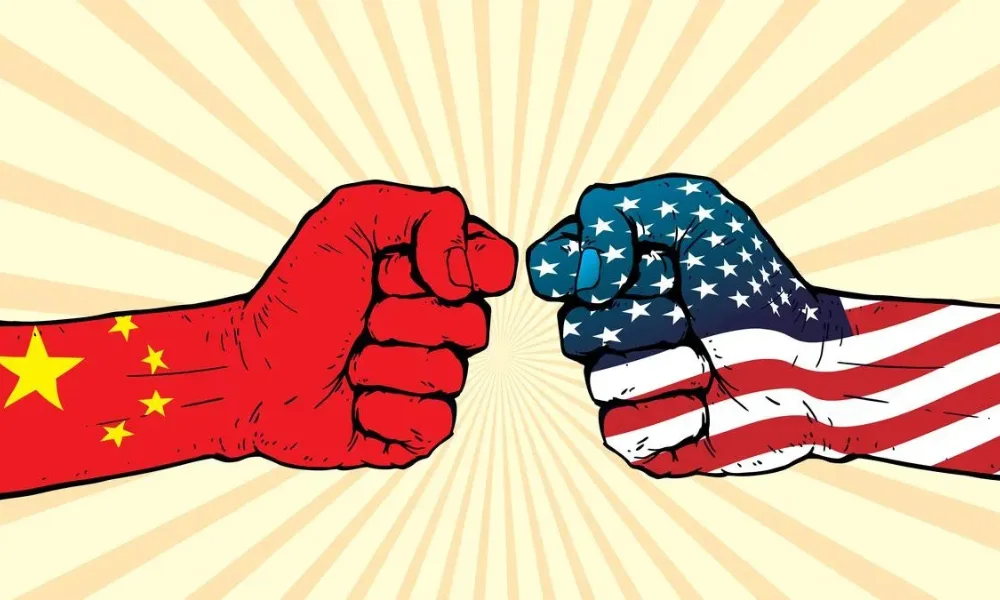
The shadow of 50% tariffs comprising base rates plus 25% penalties on Russian oil purchases looms large over the bilateral trade agreement. India, reliant on discounted Russian crude for 40% of its needs, labels these as "arbitrary," impacting refiners like Reliance and ONGC. Retaliatory measures, such as higher duties on US almonds and apples, have kept the balance tense.
Yet, progress hints at waivers; US negotiators eye India's commitments to green energy imports, like US LNG, to offset oil dependencies. This quid pro quo could unlock $20 billion in annual savings for Indian consumers while securing markets for American exporters.
Goyal's October remarks underscore resolve: deals must empower, not coerce, aligning with Modi's vision of India as a $5 trillion economy by 2027.
Energy Security and Broader Economic Implications
Energy security India features prominently, with talks exploring US tech transfers for renewables and joint ventures in hydrogen. Kwatra's Senate briefing highlighted oil-gas synergies, potentially stabilizing prices amid geopolitical flux. For the US, India's voracious demand projected at 11 million barrels daily by 2040 offers a stable outlet beyond volatile Middle East ties.
Economically, a sealed deal could invigorate sectors: Indian textiles gaining US footholds, while American EVs tap India's charging infrastructure boom. IMF projections estimate a 1.5% GDP lift for both by 2028, fostering job creation over 2 million in manufacturing alone.
Challenges like WTO compliance and domestic lobbies persist, but momentum builds, with virtual summits slated for December.
Historical Context: From Strains to Strategic Partnership
The White House India trajectory has evolved dramatically since Trump's 2017 "Howdy Modi" rally, which drew 50,000 in Houston. Early tariffs sparked a $7 billion trade war, but QUAD alliances and COVID vaccine swaps mended fences. By 2025, iCET initiatives in semiconductors underscore tech interdependence.
Modi's visits nine to the US have woven cultural threads, from yoga at the UN to G20 hosting. This bedrock enables bold trades, contrasting with stalled WTO rounds.
- 2019 Peak: $142 billion bilateral trade
- 2024 Revival: Defense pacts worth $20 billion
- 2025 Goal: Balanced reciprocity in services
Expert Views and Future Prospects
Trade watchers like Anup Singh from FICCI predict a "win-win" if tariffs ease, eyeing dairy and autos. Critics, however, warn of over-reliance, urging diversification. With elections looming, Trump's deal could burnish his legacy, while Modi bolsters Atmanirbhar Bharat.
Looking ahead, a sixth round in Washington could seal fates, integrating climate clauses for net-zero ambitions. As Leavitt affirmed, the Trump Modi trade talks embody mutual respect driving prosperity.
Facebook Comments




-
 Explore the upcoming Tamil film Maaman - cast, sto...
 -
 Read the ACE (2025) movie review starring Vijay Se...
 -
 Check out Maaman's 1st day box office collection a...
 -
 Explore tourist family reviews for Maaman movie –...
Popular Posts
Vote / Poll
Recent Posts


Recommended Posts

-
 Discover the best schools in Nagercoil f...
 -
 Discover the top-rated preschools in Nag...
 -
 Explore the best schools in Nagercoil th...

Comment / Reply From