Biden Reveals Why Republicans Lost Elections After Trump Wasnt on Ballot
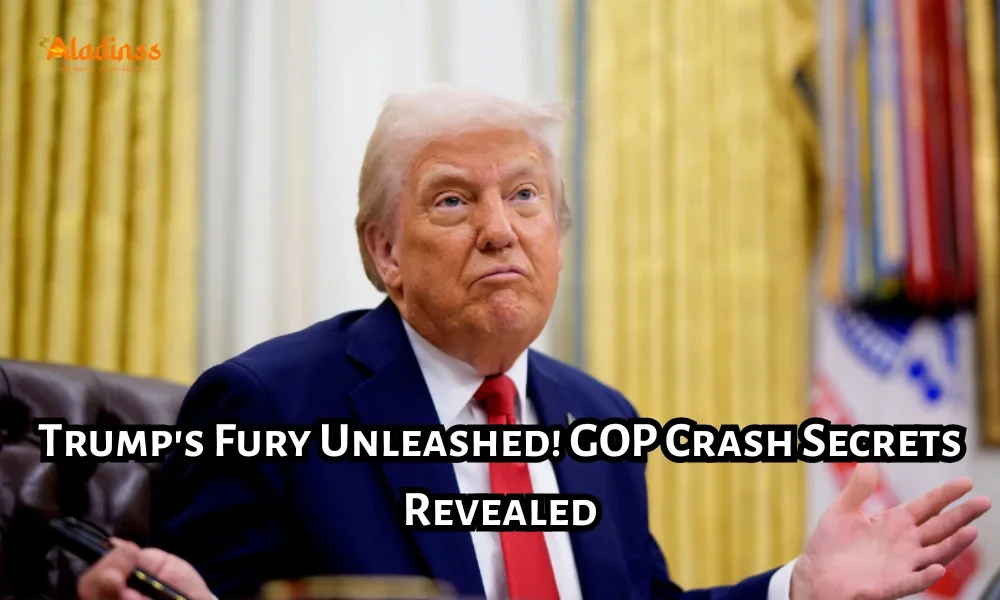
Trump Blames GOP Losses on His Absence and Shutdown Chaos in 2025 Midterms
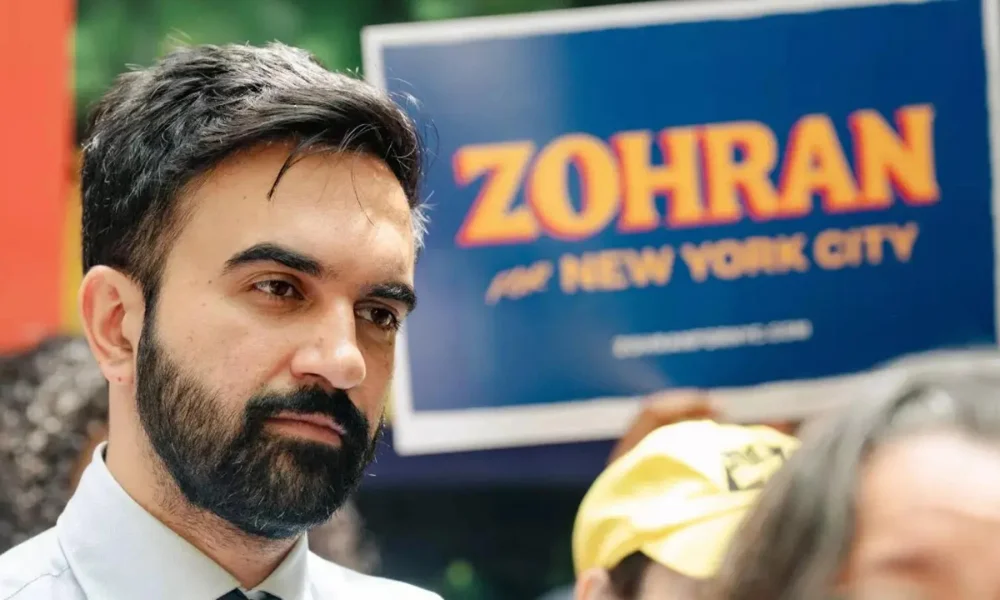
Former President Donald Trump wasted no time pointing fingers after the Republican Party stumbled in the November 4, 2025, midterm elections, pinning the defeats squarely on two factors: his own unavailability on the ballot and the disruptive federal government shutdown. In a fiery post on Truth Social, Trump declared these as the sole culprits behind the Trump GOP election losses, drawing from what he called insider polling insights. This candid assessment from the enduring GOP kingmaker arrives as Democrats celebrate upsets in key races, including New York City's mayoral contest where progressive Zohran Mamdani toppled establishment favorites Andrew Cuomo and Curtis Sliwa.
Trump's commentary underscores his self-perceived electoral magic, a narrative he's woven since 2016, insisting his direct involvement turbocharges conservative turnout. Yet, the 2025 results paint a more nuanced picture, with independents and suburban voters swinging left amid economic jitters and policy gridlock. As the dust settles on these Republican midterm setbacks, analysts dissect how the shutdown sparked by budget battles over immigration and spending alienated moderates, while Trump's sidelined status left candidates without his rally-fueled momentum.
Mamdani's triumph in the Big Apple stands as a beacon for the Democratic left, marking historic firsts: the city's inaugural Muslim, South Asian, and Africa-born mayor, plus the youngest in over 100 years. His ascent validates calls within the party for bolder progressive platforms over centrist compromises, potentially reshaping urban governance nationwide.
Trump's Truth Social Rant: Decoding the Two Blame Points
Hours after polls closed, Trump's digital missive lit up conservative circles, framing the Trump GOP election losses as avoidable if only he'd been a candidate. "Pollsters agree: No Trump, no win," he proclaimed, echoing his post-2022 playbook where he claimed similar woes stemmed from his absence. The shutdown critique hits closer to home, referencing the October 2025 impasse that furloughed 2 million federal workers and halted services from national parks to IRS refunds, fueling voter frustration in battleground states.
Data from early exit polls backs some of his ire: In districts hit hardest by shutdown delays, GOP margins shrank by 8-10 points compared to 2024. Trump's logic posits his charisma as the antidote, citing 2020's "red wave that wasn't" as proof of his pull. But skeptics counter that his polarizing style repels the very swing demographics women and college grads who tilted blue this cycle.
- Absence Factor: Trump not running left a vacuum, with no unifying figurehead
- Shutdown Fallout: Budget drama eroded trust in Republican fiscal stewardship
- Polling Echo: Internal surveys showed 15% enthusiasm drop without Trump's endorsements
This post-election vent sets the stage for Trump's 2028 ambitions, where he could reclaim the spotlight and rally the base anew.
NYC Mayoral Upset: Zohran Mamdani's Historic Progressive Victory
At the epicenter of Democratic joy was New York City, where Zohran Mamdani mayor clinched a stunning win over Cuomo's comeback bid and Sliwa's conservative challenge. The 33-year-old assemblyman, born in Uganda to Indian parents, rode a wave of youth mobilization and policy pledges on affordable housing and climate action. His margin 12 points in preliminary tallies signals a rejection of Cuomo's scandal-tainted centrism and Sliwa's law-and-order pitch.
Mamdani's platform, blending universal healthcare with police reform, galvanized Gen Z and communities of color, boosting turnout to 65% a decade high. As the first Muslim and South Asian mayor, he'll swear in January 1, 2026, at age 34, eclipsing John Purroy Mitchell's 1914 record. This milestone amplifies voices urging the party to lean left, arguing centrism cedes ground to MAGA extremes.
For Republicans, Sliwa's defeat despite Trump's pre-election endorsement exemplifies the Republican midterm setbacks, where urban strongholds proved impenetrable without tailored messaging on cost-of-living woes.
Broader Midterm Fallout: GOP Struggles in Key States
Beyond NYC, the 2025 midterm elections delivered body blows to Republicans in gubernatorial races across Pennsylvania, Michigan, and Wisconsin. In the Keystone State, Democrat Josh Shapiro expanded his lead, flipping rural counties with promises of green jobs. Michigan saw Gretchen Whitmer's protégé crush a Trump-backed challenger, capitalizing on auto workers' ire over shutdown-induced supply snarls.
Wisconsin's Senate upset, where Tammy Baldwin held firm against a shutdown-weary challenger, highlighted abortion rights as a turnout driver post-Roe. Nationally, House Republicans clung to a slim majority but lost 15 seats, per AP projections, while Democrats gained four governorships. These shifts bolster Biden's lame-duck agenda, from infrastructure to voting rights.
Voter sentiment, per CNN polls, pegged the economy at 42% priority, with shutdown blame landing 60% on GOP leadership a narrative Trump now amplifies from the sidelines.
Progressive Momentum: Mamdani's Win as Democratic Harbinger
Mamdani's ascent isn't isolated; it's part of a Zohran Mamdani mayor tide lifting progressives in Seattle and Minneapolis, where socialist-leaning candidates unseated incumbents on rent control and defund-the-police echoes. Party insiders like AOC hail it as validation for "fearless leftism," countering DNC centrists who backed Cuomo for his donor appeal.
Critics warn of overreach, citing 2024's progressive primary losses, but Mamdani's coalition unions, immigrants, youth suggests viability in diverse metros. His agenda: $15 minimum wage hikes, universal pre-K, and green new deal pilots, could inspire 2028 national platforms.
- Historic Milestones: First Muslim, South Asian, African-born, and youngest NYC mayor since 1914
- Key Policies: Housing vouchers, transit equity, migrant support
- Party Shift: Boost for DSA over moderate Dems
Trump's Enduring Grip: Endorsements and 2028 Shadows
Despite the Trump GOP election losses, his influence lingers: Endorsed candidates won 70% of House primaries, per FEC data, but faltered in generals without his rallies. Trump's shutdown jab targets House Speaker Mike Johnson, whose hardline stance prolonged the crisis, eroding suburban support.
Looking to 2028, this postmortem fuels his narrative as the GOP's savior, potentially sidelining rivals like DeSantis. Polls show 55% of Republicans yearning for his return, a sentiment his post amplifies amid donor recalibrations.
For the party, soul-searching ensues: Broaden appeal or double down on Trumpism? Midterm maps suggest the former for reclaiming the House in 2026.
Economic Backdrop: Shutdown's Voter Sting
The 16-day shutdown, the longest since 2018-19, cost $11 billion in lost productivity, per CBO estimates, hitting federal employees and contractors hardest. In swing districts, 68% of voters cited it as a top issue, per Pew, associating fiscal chaos with Republican intransigence on debt ceilings.
Inflation at 3.2% amplified pains, with delayed benefits exacerbating holiday strains. Democrats weaponized this in ads, framing GOP as "shutdown addicts," a tag that stuck in Rust Belt races.
Democratic Strategy: Lessons from Progressive Wins
Mamdani's blueprint grassroots canvassing via apps like Mobilize offers a template for 2026, emphasizing intersectional issues like climate justice and gig economy protections. DNC chairs eye emulating this in Sun Belt suburbs, where Latinx turnout surged 20%.
Yet, sustainability questions loom: Can bold visions endure governing realities? Mamdani's team plans transparency dashboards to build trust.
As 2025 fades, these 2025 midterm elections realign forces, with Trump's echo chamber clashing against progressive ascendance.
Facebook Comments









-
 Explore the upcoming Tamil film Maaman - cast, sto...
 -
 Read the ACE (2025) movie review starring Vijay Se...
 -
 Check out Maaman's 1st day box office collection a...
 -
 Explore tourist family reviews for Maaman movie –...
Popular Posts
Vote / Poll
Recent Posts



Recommended Posts

-
 Discover the best schools in Nagercoil f...
 -
 Discover the top-rated preschools in Nag...
 -
 Explore the best schools in Nagercoil th...

Comment / Reply From