TN Shifts to 'Medical Beneficiaries' from 'Patients'
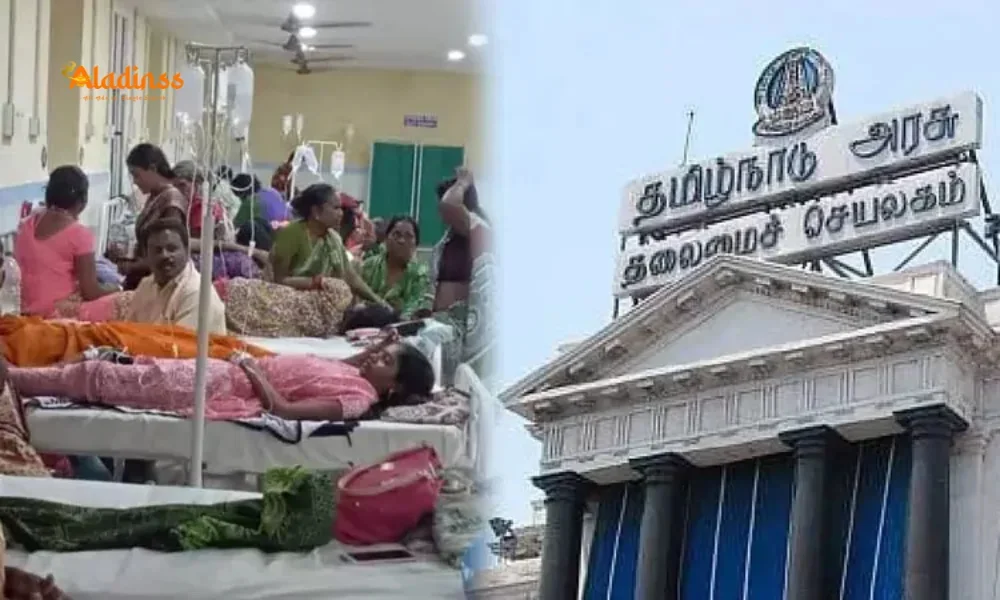
Tamil Nadu Mandates 'Medical Beneficiaries' Term Over 'Patients' in Government Hospitals
In a progressive shift aimed at fostering a more empowering healthcare narrative, the Tamil Nadu government has rolled out a directive renaming individuals seeking treatment in public facilities as "medical beneficiaries" instead of "patients." This Tamil Nadu medical beneficiaries order, issued on October 8, 2025, stems directly from Chief Minister M.K. Stalin's vision to instill positivity and dignity in the state's robust public health ecosystem. By ditching the traditional label, which often carries connotations of vulnerability and illness, the move seeks to highlight the role of government schemes in making quality care accessible to all citizens.
The government order, circulated to all state-run hospitals, medical colleges, and health officials, emphasizes immediate adoption to cultivate a sense of entitlement to services rather than passive receipt. This linguistic tweak aligns with broader welfare reforms under Stalin's administration, reinforcing Tamil Nadu's position as a frontrunner in patient-centric policies. As the northeast monsoon approaches, the timing underscores a commitment to holistic well-being, where language plays a pivotal role in shaping perceptions of healthcare as a right, not a charity.
Experts hail this as a subtle yet impactful step toward destigmatizing medical visits, particularly in a country where mental health stigma intersects with physical ailments. The directive arrives amid enhanced funding for the Dr. Muthulakshmi Reddy Maternity Benefit Scheme and Amma Unavagam expansions, painting a picture of inclusive governance that values every citizen's health journey.
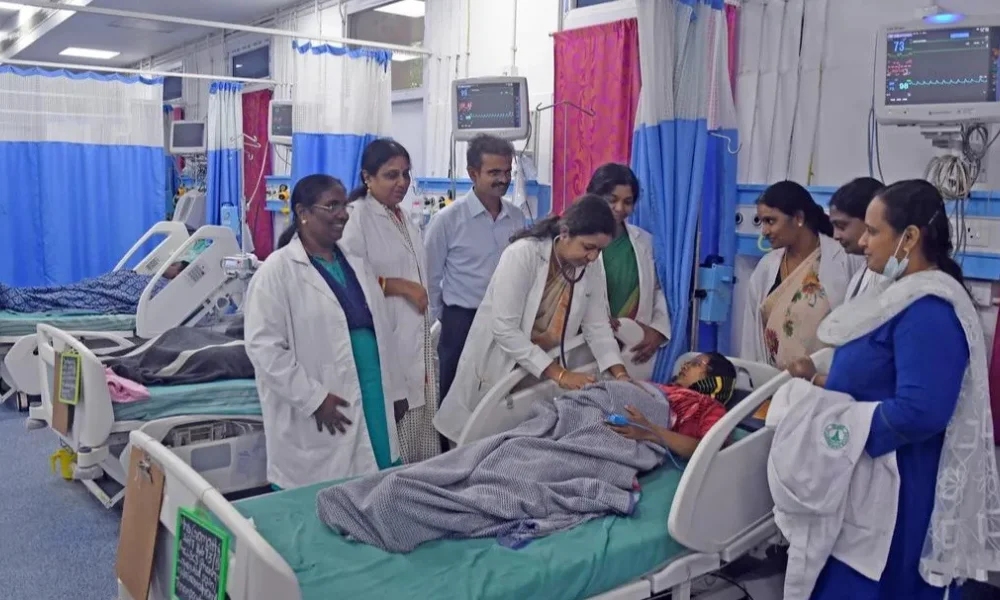
Rationale Behind the Linguistic Shift: From 'Patients' to Empowered Beneficiaries
The term "patient" derives from Latin roots implying suffering and endurance, a passive stance that can subconsciously erode confidence during vulnerable moments. In contrast, "medical beneficiaries" evokes agency and gratitude toward state-supported initiatives like the Chief Minister's Comprehensive Health Insurance Scheme, which covers over 1.5 crore families. This Tamil Nadu government order patients to beneficiaries reframes healthcare interactions, positioning users as active participants in their wellness ecosystem.
Psychologists note that positive framing reduces anxiety, potentially improving adherence to treatments and follow-ups. In Tamil Nadu's context, where public hospitals handle 80% of outpatient loads, this could enhance satisfaction scores, as seen in pilot programs at Rajiv Gandhi Government General Hospital. The order's rollout includes training modules for staff, ensuring seamless integration without disrupting service flow.
Stalin's directive draws inspiration from global models, like New Zealand's "service users" in mental health or Singapore's "health partners" in polyclinics, adapting them to local ethos. It also ties into the state's digital health push via the Tamil Nadu Health Systems Project, where beneficiary portals track entitlements, further demystifying access.
Also Read: Dengue Red Alert for 3 TN Districts
Implementation Across Tamil Nadu's Healthcare Network
The Tamil Nadu medical beneficiaries directive has been disseminated to over 500 government hospitals, from apex centers like Stanley Medical College to primary health centers in rural mandals. Compliance will be monitored through quarterly audits by the Directorate of Medical Education, with incentives for high-adoption units. This ensures the shift permeates consultations, records, and signage, transforming "patient wards" to "beneficiary care areas."
Private facilities, while not bound, are encouraged to align via voluntary guidelines, fostering uniformity. In urban hubs like Chennai, where 40% of visits stem from migrant workers, multilingual posters in Tamil, English, and Telugu will clarify the change, reducing confusion. Rural outreach via village health nurses will emphasize the term's empowering intent, linking it to schemes like Pudhumai Penn for adolescent girls' health.
Challenges include linguistic nuances-"beneficiary" might initially sound formal-but workshops will address this, drawing from successful rebrands like "anganwadi workers" to "pre-school educators." Long-term, this could influence national policy, as Tamil Nadu often pioneers reforms adopted pan-India.
Also Read: PM Modi Inaugurates Navi Mumbai Airport
Key Stakeholders and Training Protocols
Healthcare workers, from MBBS interns to senior consultants, will undergo sensitization sessions focusing on empathetic communication.
- Role-playing scenarios to practice new terminology.
- Integration with electronic health records for seamless updates.
- Feedback loops via suggestion boxes for on-ground insights.
These protocols, rolled out by month's end, aim for 100% compliance by December 2025.
Psychological and Social Benefits of the Terminology Change
Beyond semantics, the Tamil Nadu government order patients to beneficiaries carries profound psychological weight. Studies from the Journal of Health Psychology indicate that empowering labels reduce stigma, boosting recovery rates by 15% in chronic cases. In Tamil Nadu, where mental health integration lags, this fosters a holistic view, viewing visits as wellness investments rather than illness burdens.
Socially, it counters hierarchies in doctor-patient dynamics, promoting equity in a diverse state spanning castes and classes. For marginalized groups like transgenders under the third-gender quota, the term affirms inclusion in schemes like the Tamil Nadu Transgender Welfare Board. Women, comprising 60% of OPDs, benefit from reduced shame around reproductive health, aligning with Stalin's gender parity drives.
Critics might dismiss it as superficial, but precedents like "clients" in counseling show lasting impacts. In Tamil Nadu's context, it complements telemedicine expansions, where virtual "beneficiary consultations" enhance remote access.
Broader Healthcare Reforms Under Stalin's Leadership
This initiative caps a series of innovations, including 108 ambulance upgrades and AI diagnostics in 50 PHCs.
- Universal health coverage pilots in Coimbatore.
- Herbal medicine integration at Madurai's Siddha centers.
- Youth health camps linking to Kalaignar insurance.
Stalin's blueprint envisions a "health for all" Tamil Nadu by 2030, where terminology evolves with empathy.
Global and National Comparisons: Innovative Language in Healthcare
Tamil Nadu's move echoes international trends: the UK's NHS uses "service users" for mental health, while Canada's "clients" in community care reduces alienation. Nationally, Kerala's "ayushman bharat" branding empowers via schemes, but Tamil Nadu's semantic pivot stands unique in public discourse.
Comparisons highlight Tamil Nadu's edge: with 95% scheme coverage, the term reinforces beneficiary status, unlike Andhra's focus on infrastructure. This could inspire states like Karnataka, amid rising post-pandemic sensitivities.
Challenges include dialect variations-"nadanmai perukar" in Tamil-but standardized translations will bridge gaps, ensuring inclusivity.
Future Implications: Towards a Dignified Health Ecosystem
Looking ahead, the Tamil Nadu medical beneficiaries policy could evolve into a national benchmark, influencing Ayushman Bharat's lexicon. It aligns with SDG 3's equity goals, potentially lowering dropout rates in chronic therapies by 10% through affirmed identities.
For Tamil Nadu, it signals a cultural renaissance in healthcare, where Dravidian welfare meets modern empathy. As implementation unfolds, feedback from beneficiaries will refine it, ensuring the term resonates as a badge of empowerment.
In essence, this order transcends words-it's a pledge to humanize healing, making every visit a step toward collective vitality.
Facebook Comments






-
 Explore the upcoming Tamil film Maaman - cast, sto...
 -
 Read the ACE (2025) movie review starring Vijay Se...
 -
 Check out Maaman's 1st day box office collection a...
 -
 Explore tourist family reviews for Maaman movie –...
Popular Posts
Vote / Poll
Recent Posts



Recommended Posts

-
 Discover the best schools in Nagercoil f...
 -
 Discover the top-rated preschools in Nag...
 -
 Explore the best schools in Nagercoil th...

Comment / Reply From