IndiGo Issue Worsens Across India
IndiGo Issue Worsens Across India
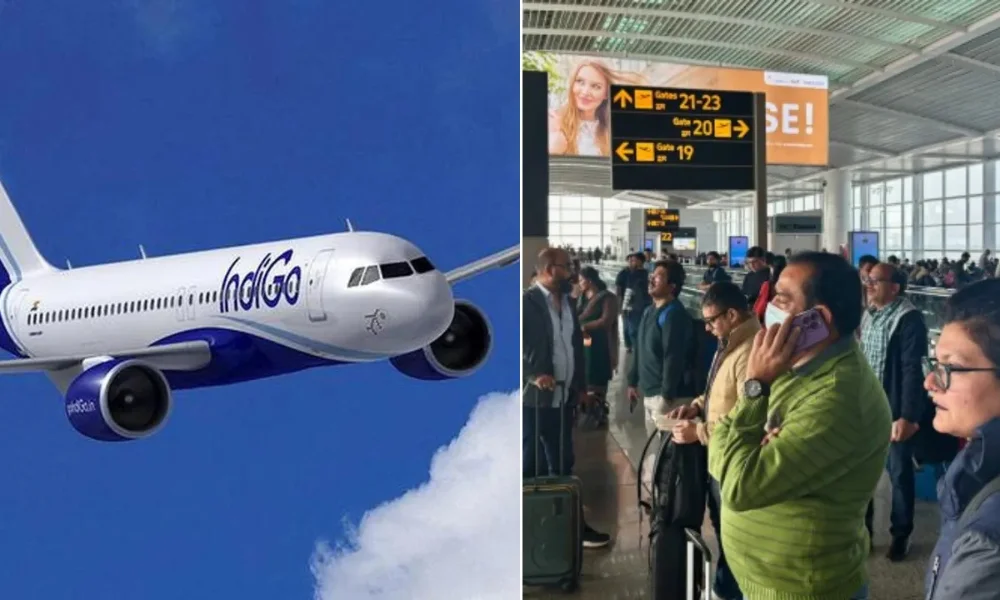
IndiGo, one of India's largest airlines, is currently facing a growing operational crisis marked by widespread travel disruptions, repeated flight cancellations, passenger inconvenience, and heightened government scrutiny. The ongoing issue, which began on December 2, has escalated to a level that now impacts thousands of flyers nationwide. The airline's sudden inability to streamline its operations has led to intense criticism, legal attention, administrative directives, and large-scale logistical hurdles. As travelers continue to grapple with this unpredictable scenario, the IndiGo predicament has become a focal point in India's aviation sector, raising questions about management efficiency, regulatory oversight, and flight handling standards.

Judicial Examination Reaches Tribunals
The IndiGo service disruption has rapidly turned into a legal flashpoint that has drawn the attention of two major judicial bodies—the Supreme Court of India and the Delhi High Court. The Supreme Court acknowledged the gravity of the situation by referring to it as “serious,” yet refrained from direct intervention. This response suggested a preference to let administrative bodies and regulatory frameworks operate first before judicial enforcement becomes necessary. Meanwhile, the Delhi High Court demonstrated a stronger inclination to act by agreeing to hear a petition filed against IndiGo's flight terminations. The petition, set for review on December 10, highlights demands for accountability, compensation, and structural corrective measures.
The legal escalation indicates that aviation-related service failures are no longer merely technical or managerial issues. Instead, they have evolved into matters connected to passenger rights, industry standards, and regulatory responsibility. The fact that a routine flight cancellation problem has evolved into a courtroom challenge underscores how severely the Indian aviation ecosystem has been affected. It also represents the growing expectation among travelers that airlines must be held answerable when they fail to uphold basic service promises.
Pilot Work Rule Modifications Tied to Stoppages
Aviation experts, analysts, and internal industry reports point towards significant procedural changes in pilot duty regulations as the root cause of IndiGo's mass cancellations. The airline, known for its extensive domestic network, reportedly implemented updated flight duty norms that directly affected pilot shift duration, mandatory rest hours, and operational compliance timelines. Although IndiGo attempted to justify the cancellations using a combination of technical, strategic, and manpower explanations, independent aviation specialists have consistently identified pilot scheduling reforms as the primary trigger.
The introduction of new guidelines has allegedly led to a shortage of available pilots, subsequently crippling the flight roster and leading to widespread disruptions across major airports. Such operational failures suggest a lack of preparedness from the airline's management, especially given that duty rule changes are typically announced well in advance. Critics argue that IndiGo should have anticipated the workforce shortage and implemented a staggered adaptation plan instead of immediate enforcement. The cascading effects of this misstep have now resulted in large-scale cancellations and passenger frustration at an unprecedented level.
Delhi High Court Session Arranged
The upcoming Delhi High Court hearing scheduled for December 10 represents a pivotal development in the ongoing crisis. The petition filed seeks directives for compensation, standardized guidelines, and immediate relief for affected travelers. A bench led by Chief Justice Devendra Kumar Upadhyaya will review arguments related to IndiGo's operational responsibility and the government's duty to ensure consumer rights in air travel. This hearing symbolically positions the judiciary as a necessary arbitrator amid growing dissatisfaction with airline policy enforcement.
The petition is rooted in the belief that passengers have suffered substantial financial loss, travel uncertainties, missed commitments, and emotional distress—all consequences of an avoidable administrative lapse. Should the court deem IndiGo's justification inadequate, the ruling could set a precedent for future aviation-related accountability mandates, potentially reshaping how airlines handle emergency communications, cancellations, and reimbursement systems.
Administration Reports Reimbursements Finalized
In response to the intensifying criticism, civil aviation secretary Samir Kumar Sinha confirmed that full refunds have been issued for all passengers whose flights were affected by the disruption. He emphasized that the government took immediate cognizance of the matter and coordinated closely with IndiGo's management to expedite reimbursement settlements. This assurance comes at a crucial time when passengers have repeatedly expressed concern about refund delays across multiple airline operations nationwide.
According to officials, the refund completion milestone was prioritized not only to provide financial relief but also to restore confidence in the aviation system. The reimbursement update is being seen as one of the few positive developments amid the crisis, offering some stability to affected travelers who were left stranded without travel alternatives. The government's role in pushing for timely refunds signals a stronger administrative approach toward enforcing airline accountability.
Moves to Deliver Unclaimed Luggage
Beyond flight cancellations, passengers also faced the inconvenience of missing and delayed baggage. The aviation authorities revealed that nearly 90% of stranded luggage has already been dispatched to respective customers. The remaining luggage is expected to be delivered within the next 24 hours, as confirmed by the civil aviation secretary. These delays were caused by disrupted manpower deployment, reduced operational bandwidth, and logistical bottlenecks that emerged from abrupt flight cancellations.
For many flyers, luggage-related obstructions were not merely an inconvenience—they represented a direct violation of basic service expectations. The government's assurance has temporarily quelled frustration, but baggage delivery inefficiencies have exposed gaps in communication and real-time passenger support mechanisms. The situation has emphasized the need for Indian carriers to adopt stronger technology-driven systems for baggage tracking and customer updates.
Ministry Mandates 10% Service Reduction
In a strong governmental directive, the civil aviation ministry criticized IndiGo for its inability to operate according to pre-approved seasonal schedules and ordered a mandatory 10% reduction in the airline's operations. This directive was implemented to prevent further chaos, stabilize flight networks, and reduce cancellation rates across major domestic routes. The ministry has also demanded that IndiGo submit a revised operational blueprint by 5 PM on December 10, marking a deadline that could reshape the airline's future service strategy.
The mandated reduction reflects a broader expectation that airlines must align operational expansions with resource availability and staff deployment capability. If IndiGo fails to comply or stabilize its routes, the ministry may consider imposing additional restrictions. Industry observers believe the directive may temporarily reduce travel accessibility in certain regional sectors, but it could restore long-term functional consistency across India's aviation network.
Overall, the IndiGo crisis represents a defining moment for Indian aviation governance. As authorities, courts, and passengers converge on the issue, the airline is under increasing pressure to address system failures, strengthen internal management, and rebuild public trust. The coming days will determine whether IndiGo's leadership can not only contain the damage but also prevent similar disruptions in the future, thereby ensuring a stable operational trajectory for India's busiest private carrier.
Facebook Comments


![How to Download Netflix MOD APK v9.34.0 build 6 63420 [Premium Unlocked, 4K, No Ads]](https://genie.aladinss.com/genie/cloud/classifieds/articles/2025/how-to/20250919/Netflix-Mod-Apk/Netflix-Mod-Apk-main-banner.webp)










-
 Explore the upcoming Tamil film Maaman - cast, sto...
 -
 Read the ACE (2025) movie review starring Vijay Se...
 -
 Check out Maaman's 1st day box office collection a...
 -
 Explore tourist family reviews for Maaman movie –...
Popular Posts
Vote / Poll
Recent Posts




Recommended Posts

-
 Discover the best schools in Nagercoil f...
 -
 Discover the top-rated preschools in Nag...
 -
 Explore the best schools in Nagercoil th...

Comment / Reply From