Italian Deputy PM Tajani Calls Meeting With PM Modi Quite Favorable
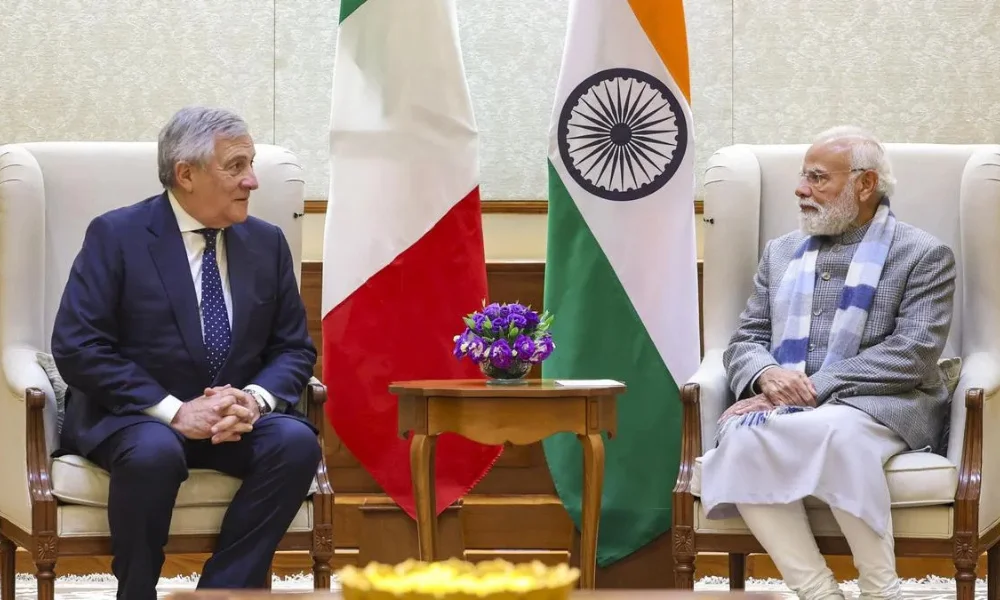
'Quite Favorable': Italian Deputy PM Tajani on Meeting with PM Modi
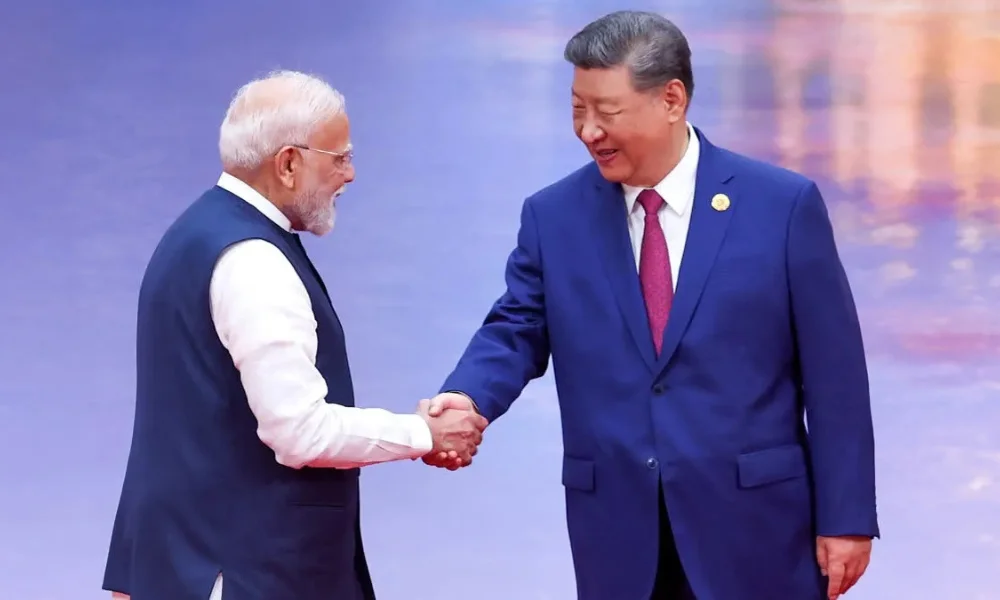
Italian Deputy Prime Minister and Foreign Minister Antonio Tajani described his December 10, 2025 meeting with Indian Prime Minister Narendra Modi as "quite favorable," underlining robust India-Italy relations and renewed momentum on several strategic fronts. The leaders discussed enhanced industrial cooperation, cultural exchanges and the India-Middle East-Europe Economic Corridor (IMEC). Tajani highlighted improving conditions in West Asia and expressed optimism about IMEC's prospects as diplomatic efforts advance among partner nations.
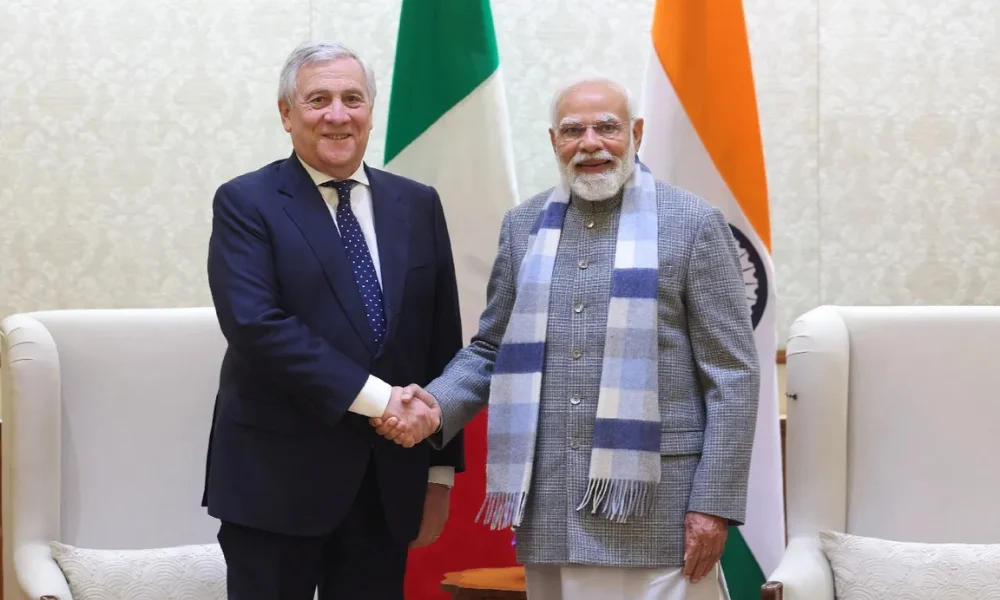
Strengthening Bilateral Relations and Strategic Dialogue
The meeting reaffirmed decades-long diplomatic ties and underscored a mutual interest in deepening strategic partnership across trade, technology and cultural cooperation. Both leaders emphasized predictable, long-term collaboration frameworks that can support investments and joint ventures. Tajani's characterization of the encounter as “quite favorable” reflects consensus on practical steps to broaden commercial engagement and create institutional channels for sustained high-level consultation.
Industrial Cooperation: Trade, Technology and Investment
Industrial collaboration formed a central pillar of discussions. Officials explored avenues to expand bilateral trade in high-value sectors — advanced manufacturing, green technologies, defence supply chains, and digital services. Both sides signaled readiness to facilitate market access, encourage joint research and development, and simplify regulatory processes to speed project implementation. Tajani stressed that practical mechanisms, including regular industry dialogues and joint task forces, will underpin faster realization of agreed projects.
Cultural Exchanges: Soft Power and People-to-People Ties
Cultural cooperation and people-to-people links were highlighted as essential complements to economic ties. Tajani and Modi considered initiatives to increase academic exchanges, cultural festivals, heritage conservation partnerships and tourism promotion. Strengthening cultural cooperation is viewed as a long-term investment that sustains goodwill and supports broader bilateral objectives, while creating opportunities for creative industries and educational institutions.
India's Diplomatic Role in Russia-Ukraine Dialogue
Tajani emphasized India's important diplomatic position in encouraging negotiations between Russia and Ukraine. He described India as “very vital” to prompting progress toward a peaceful settlement, reflecting recognition of New Delhi's independent foreign policy and its capacity to engage with multiple parties. The leaders discussed continued diplomatic coordination and the need to support mediation efforts that can produce a durable ceasefire and political pathway forward.
IMEC: Corridor Ambitions and Regional Connectivity
A major portion of the talks focused on the India-Middle East-Europe Economic Corridor (IMEC), conceived to boost connectivity linking India with the Middle East and Europe via overland and maritime routes. Tajani noted that the regional environment in West Asia has improved and advocated resuming concerted diplomatic work to advance the corridor. The IMEC project aims to facilitate trade flows, diversify supply chains, and build infrastructure synergies between partner countries — an objective both Italy and India reaffirmed their commitment to pursue.
Addressing Delays and Diplomatic Momentum
When asked about reported IMEC delays, Tajani conveyed that improved geopolitical conditions in the Middle East make it more feasible to move forward. He emphasized the need for sustained diplomatic engagement with corridor partner nations, noting his own discussions in Saudi Arabia as part of a concentrated push to build consensus and operational timelines. Tajani underlined that India and Italy are at the forefront and must coordinate closely with other stakeholders to convert political will into actionable milestones.
High-Level Visits and Future Engagements
Tajani extended an invitation on behalf of Italian Prime Minister Giorgia Meloni for PM Modi to visit Italy in 2026. The proposed visit would aim to consolidate agreements, sign new cooperation frameworks, and set timelines for IMEC-related initiatives. High-level exchanges of this nature are intended to signal political resolve, catalyse business confidence and accelerate project-level decision-making.
Strategic and Economic Implications for the Region
The renewed emphasis on IMEC and bilateral industrial ties has broad strategic implications. For India, it offers an opportunity to diversify routes to Europe, strengthen economic ties with Gulf partners and leverage Italian logistics and port infrastructure. For Italy and Europe, IMEC promises alternative supply lines and enhanced access to Asian markets. Both countries view the corridor as a platform for resilient trade architecture that can withstand geopolitical shocks.
Diplomatic Track and Next Steps
Looking ahead, officials indicated that coordinated diplomatic outreach and technical working groups will be essential to transform political intent into project timelines. India and Italy will continue consultations with Middle Eastern partners, aligning legal, financial and logistical frameworks. Tajani's positive readout and the planned 2026 state visit offer a concrete window to formalize agreements and set measurable targets.
This report summarizes the key outcomes and strategic themes from the December 10, 2025 meeting between Italian Deputy Prime Minister Antonio Tajani and Indian Prime Minister Narendra Modi, capturing diplomatic signals on trade, culture, peace mediation and the forward trajectory of the IMEC initiative.
Facebook Comments




-
 Explore the upcoming Tamil film Maaman - cast, sto...
 -
 Read the ACE (2025) movie review starring Vijay Se...
 -
 Check out Maaman's 1st day box office collection a...
 -
 Explore tourist family reviews for Maaman movie –...
Popular Posts
Vote / Poll
Recent Posts

Recommended Posts

-
 Discover the best schools in Nagercoil f...
 -
 Discover the top-rated preschools in Nag...
 -
 Explore the best schools in Nagercoil th...

Comment / Reply From