Nitish Kumar Poised for Record Fifth Term as Bihar CM
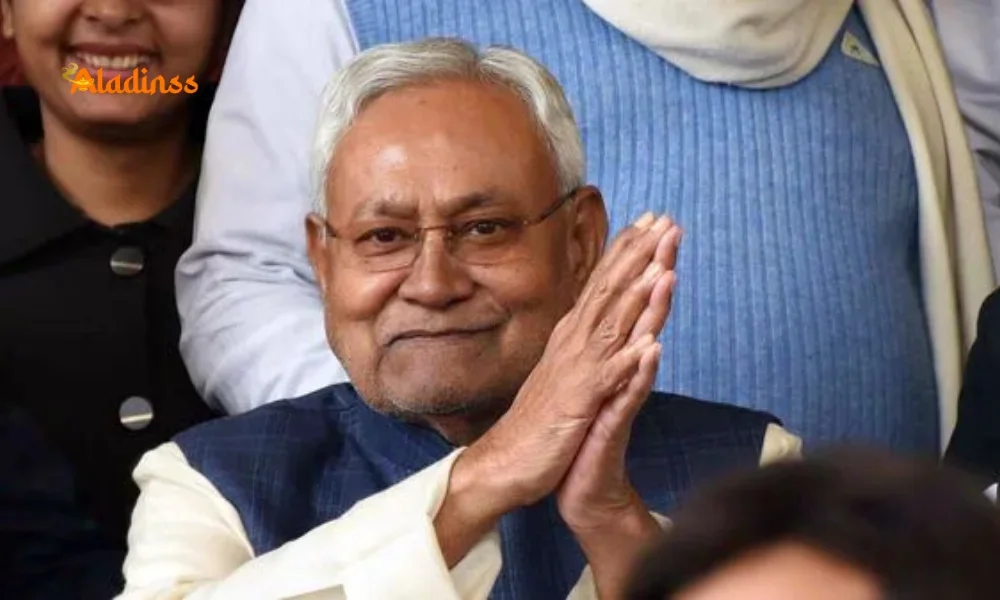
Nitish Kumar's Epic Comebacks: The Unkillable Force in Bihar Politics
Nitish Kumar, the quintessential survivor of Indian politics, has defied obituaries more times than most leaders can claim electoral victories. As the National Democratic Alliance (NDA) surges toward a commanding lead in the 2025 Bihar Assembly elections, the Janata Dal (United) chief is on the verge of swearing in as Bihar's Chief Minister for a staggering 10th time. This milestone cements his legacy as the master of political reinvention, navigating treacherous alliances and betrayals with the finesse of a seasoned chess grandmaster. With NDA leading on 177 seats against the 122 needed for majority in the 243-member house JD(U) at 79 and BJP at 75 Kumar's fifth full term appears inevitable, underscoring his unmatched endurance in Bihar's volatile arena.
At 74, Kumar's journey from a small-town engineer to Bihar's longest-serving chief minister is a saga of calculated risks and unyielding ambition. Never has his JD(U) clinched a solo majority, yet he has governed the state for over two decades through a web of coalitions. Critics brand him "Paltu Ram" for his frequent flips from BJP to RJD and back but admirers hail his clean governance, shunning corruption and nepotism that plagued predecessors. This 2025 triumph, amid whispers of retirement, reaffirms that no setback is too daunting for this Kurmi powerhouse.
His political odyssey, spanning four decades, reveals a leader who thrives on adaptability. From student agitator in the JP movement to architect of Bihar's revival post-"jungle raj," Kumar's comebacks are legendary. Each alliance rupture 2013 with BJP, 2017 return, 2022 Mahagathbandhan revival has only honed his survival edge, turning potential downfalls into dominant rebounds.
As counting progressed on November 14, 2025, the Mahagathbandhan RJD-Congress-Leftover alliance crumbled, leading on mere 58 seats. Tejashwi Yadav's aggressive youth outreach couldn't counter Kumar's women-centric schemes like Rs 10,000 aid, which drove record female turnout. This victory isn't just electoral; it's a validation of Kumar's philosophy: power preserved through pragmatism, not ideology.
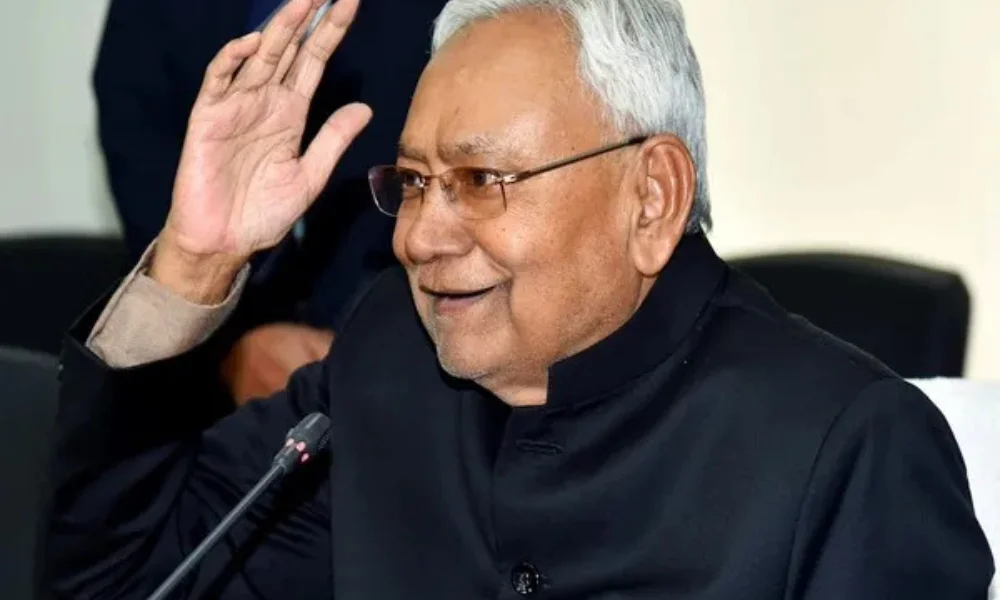
Roots of Resilience: From Bakhtiyarpur to Student Firebrand
Born on March 1, 1951, in Bakhtiyarpur a sleepy Patna suburb Nitish Kumar grew up in the shadow of his father, an Ayurvedic healer and freedom fighter whose tales of Gandhian satyagraha ignited young Nitish's reformist spark. An electrical engineering graduate from Bihar College of Engineering (now NIT Patna), Kumar's campus days were anything but textbook. He plunged into student politics, aligning with Jayaprakash Narayan's anti-corruption crusade, the JP movement that toppled Indira Gandhi's Emergency regime.
There, amid fiery debates in Patna University halls, he forged bonds with future titans: Lalu Prasad, the Yadav strongman then heading the students' union, and Sushil Kumar Modi, BJP's Bihar brain who later became his uneasy ally. These connections, laced with ideological friction, foreshadowed Kumar's alliance-juggling future. His early activism honed a trait central to his survival: reading the political winds, allying with underdogs to topple giants.
Kumar's electoral baptism arrived in 1985, contesting Harnaut on a Lok Dal ticket amid Congress's statewide sweep. Victory was sweet but solitary; it marked the start of a career defined by coalition crutches. By 1990, he stormed Delhi as MP from Barh, a now-defunct seat, amplifying his voice in the Mandal storm that reshaped caste politics. Yet, as Lalu Prasad rode Yadav waves to power, Kumar, a Kurmi outsider, pivoted to George Fernandes, birthing the Samata Party in 1994 a precursor to JD(U) that allied with BJP, blending socialist roots with Hindutva pragmatism.
Dawn of Dominance: First Term as CM and Law-Order Overhaul
November 2005 etched Kumar's name in Bihar's lore. After 15 years of Lalu-Rabri "jungle raj" synonymous with caste massacres, kidnappings, and economic paralysis voters handed NDA a mandate. Kumar, as CM, unleashed a blitz: superhighways snaking through villages, schools sprouting like monsoon weeds, and a zero-tolerance police purge that halved crime rates. Critics, even from RJD, concede his 2005-2010 stint as transformative, pulling Bihar from India's "BIMARU" basket.
A Mandal-era product himself, Kumar astutely dismantled Yadav dominance by carving sub-quotas for Extremely Backward Classes (EBCs) and Mahadalits smaller OBC and Dalit clusters totaling 75 percent of Bihar's populace. This "social engineering" genius, resented by Yadavs and Paswans, diversified his base, ensuring JD(U) punched above its 15-20 percent vote share. By 2010 re-election, Bihar's GDP growth hit 11 percent, outpacing national averages, with Kumar's "Sushasan" (good governance) mantra echoing from Purnea to Gaya.
Yet, beneath the sheen lurked alliance fissures. Kumar's unease with BJP's 2014 Lok Sabha surge and Modi's rise foreshadowed cracks. His governance, though lauded, masked a personal aversion to prolonged partnerships, setting the stage for the flips that defined his era.
- Law and Order Revival: From 1,000+ annual kidnappings to under 100, via specialized anti-ransom squads.
- Infrastructure Boom: 5,000 km roads built, electrifying 90 percent villages by 2010.
- Caste Rejig: EBC quota hiked to 18 percent, Mahadalit schemes aiding 20 lakh families.
2013 Rift: Breaking with BJP and Solo Survival Gambit
The 2013 BJP split was Kumar's boldest bet. Opposing Narendra Modi's anointment as PM candidate citing secular qualms he yanked JD(U) from NDA mid-Lok Sabha term. With assembly numbers razor-thin, he clung to power via Congress-CPI crutches and RJD defectors, a high-wire act lasting a year. The 2014 polls crushed JD(U), winning just two seats, prompting Kumar's moral resignation a rare statesmanlike exit amid chaos.
This nadir tested his resilience. Barred from recontesting Harnaut, Kumar retreated to introspection, mending fences with old foes. The drubbing exposed JD(U)'s over-reliance on Kurmi-EBC votes, pushing reforms like women's reservation pushes. By 2015, whispers of revival grew, as Bihar's electorate, weary of Lalu's dynasty, eyed Kumar's proven admin chops.
Mahagathbandhan Magic: 2015 Sweep and Swift Implosion
Resurrection arrived via the 2015 Mahagathbandhan JD(U)-RJD-Congress pact that steamrolled NDA, netting 178 seats. Kumar ousted protégé Jitan Ram Manjhi in a palace coup, reclaiming the gaddi with Tejashwi Yadav as deputy. This "rainbow coalition" bridged caste chasms: Yadavs with Kurmis, Muslims with EBCs. Policies flourished cycle schemes for girls slashed dropouts 20 percent, while liquor ban, though flawed, won women's cheers.
But harmony soured by 2017. Corruption shadows on Tejashwi IT raids on Yadav kin clashed with Kumar's probity pledge. In a midnight July maneuver, he dumped RJD, realigning with BJP. The flip drew "Paltu" jeers, but secured his eighth oath, stabilizing Bihar amid economic upticks.
NDA Redux and 2020 Setbacks: Blaming Chirag Paswan
The 2017-2022 NDA stint deepened infrastructure: 100+ medical colleges, Puna-Patna expressways. Yet, 2020 polls bruised JD(U) to 43 seats, courtesy Chirag Paswan's LJP splitting BJP votes in 40 spots. Kumar blamed BJP's "arrogance," igniting 2022's seismic shift back to Mahagathbandhan, his ninth oath amid Left inclusion.
This era spotlighted Kumar's mentorship tilt: grooming Tejashwi as successor while eyeing national anti-BJP unity. Hosting 2023's Patna opposition conclave birthed INDIA bloc, though slights Kharge as PM face irked him.
2024 Volte-Face: Ditching INDIA for Historic NDA Return
January 2024's dramatic NDA pivot post-INDIA snubs marked Kumar's 10th oath tease. Blaming Congress's "inactivity," he realigned with BJP, securing special status bids and cabinet perks. This flip, his fourth major, drew dynasty barbs but stabilized JD(U) amid 2025's welfare push: Rs 10,000 women aid, free power, pension hikes fueling 71 percent female polls.
Kumar's zigzags nine oaths in four terms reflect Bihar's fractured mandates: no party breaches 30 percent votes. His opportunism? Perhaps, but it's yielded results: Bihar's HDI up 50 percent since 2005, migration down 30 percent.
Legacy of the Survivalist: Lessons from a Zigzag Path
Kumar's tale teaches endurance: post-2014 lows, he rebuilt via grassroots; 2020 wounds healed through targeted quotas. Admirers laud his taint-free rule no scams, family sidelines contrasting Lalu's fodder saga. Detractors decry flips eroding trust, yet voters forgive, valuing stability.
At 74, health rumors swirl, but 2025's projected 79 seats signal vigor. Mentoring Tejashwi or Chirag? Unclear, but Kumar's north star Bihar's uplift endures. In India's cutthroat politics, his comebacks remind: survival isn't luck; it's strategy.
As Patna buzzes with oath prep, Kumar stands unbowed. From JP acolyte to NDA anchor, he's scripted a narrative where U-turns lead forward. Bihar, and India, watches this unkillable force chart its next chapter.
Facebook Comments








-
 Explore the upcoming Tamil film Maaman - cast, sto...
 -
 Read the ACE (2025) movie review starring Vijay Se...
 -
 Check out Maaman's 1st day box office collection a...
 -
 Explore tourist family reviews for Maaman movie –...
Popular Posts
Vote / Poll
Recent Posts



Recommended Posts

-
 Discover the best schools in Nagercoil f...
 -
 Discover the top-rated preschools in Nag...
 -
 Explore the best schools in Nagercoil th...

Comment / Reply From