Sahani's Demands Strain Bihar Alliance Ahead of Polls
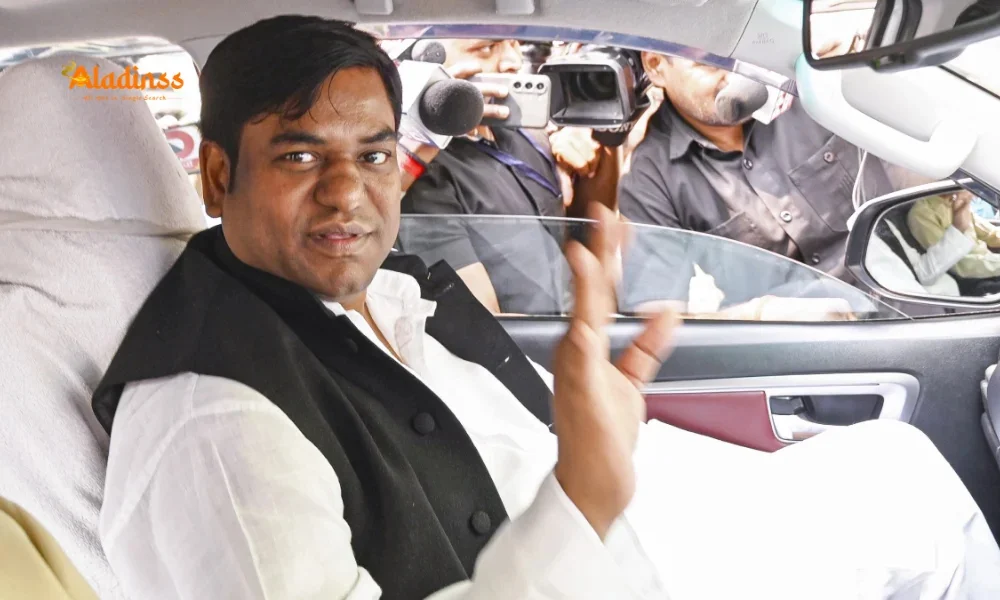
Mukesh Sahani's Bold Demands Test Mahagathbandhan Ahead of Bihar Election 2025
As the Bihar election 2025 approaches next month, tensions are simmering within the opposition Mahagathbandhan alliance over the ambitious claims of Vikasheel Insaan Party (VIP) leader Mukesh Sahani. The former Bollywood set designer, who positions himself as a champion of the Mallah or fishermen community, is demanding more than 30 seats, the deputy chief minister position, and significant recognition for his contributions. This push for "VIP treatment" is creating ripples, reminiscent of his dramatic exit from a key alliance meeting in 2020, highlighting the fragile dynamics of seat-sharing negotiations in Bihar politics.
Sahani's VIP party, which made its electoral debut in the 2020 assembly polls, has been a wildcard in Bihar's polarized landscape. Representing what he claims is 14% of the state's population from the fishing and boatmen communities, Sahani has flipped alliances multiple times, first aligning with the NDA in 2015 as a campaigner, forming VIP in 2018, switching to the opposition before 2020, and then rejoining the NDA mid-campaign to secure four wins out of 11 seats. His ministerial stint in the Nitish Kumar government further bolstered his profile, but his return to the Mahagathbandhan in 2024 signals ongoing volatility.
Recent visibility during the Voter Adhikar Yatra, where Sahani shared stages with Tejashwi Yadav and Rahul Gandhi, has fueled his confidence. He asserts that VIP mobilized the largest crowds for the event, justifying his escalated demands—from an initial ask of 60 seats to a revised target of over 30, plus the deputy CM post, which he insists is already "agreed upon." However, sources within the Rashtriya Janata Dal (RJD)-led bloc remain tight-lipped, casting doubt on these assertions and underscoring the challenges in accommodating smaller allies amid broader coalition pressures.
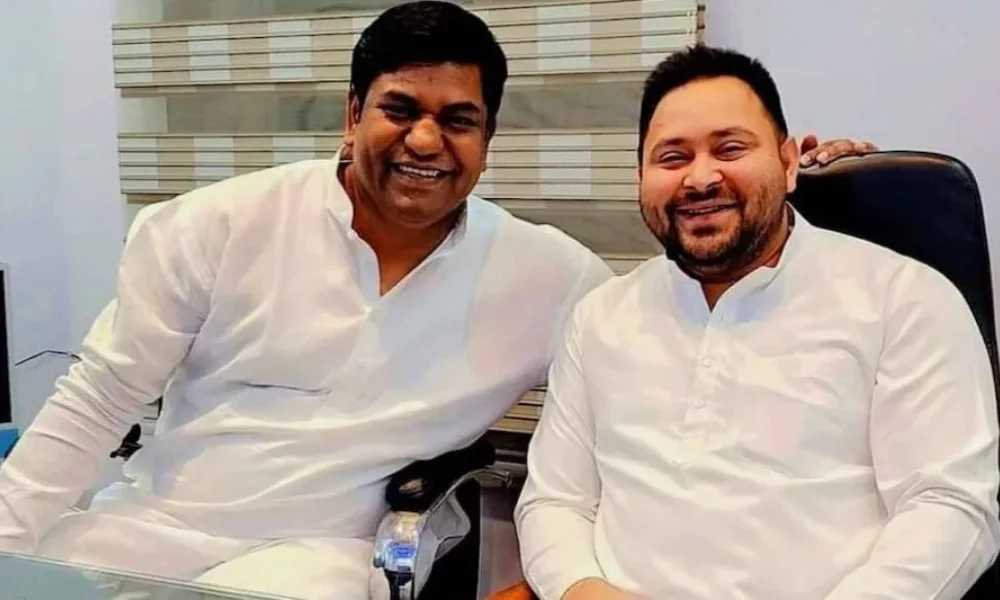
Sahani's Flip-Flops: A History of Alliance Shifts in Bihar Politics
Mukesh Sahani's political journey is a tale of calculated maneuvers and community mobilization. Emerging from the shadows of Mumbai's film industry, he tapped into the grievances of Bihar's marginalized Mallah voters, a demographic often overlooked in caste-dominated electoral strategies. In 2015, the BJP recognized his potential, enlisting him as a star campaigner to woo this bloc away from traditional rivals. By 2018, with VIP's formation, Sahani carved a niche as a voice for social justice, focusing on fishermen's rights, education, and economic upliftment.
The 2020 Bihar assembly elections marked a turning point. Initially part of the Mahagathbandhan, Sahani staged a high-profile walkout from a Tejashwi Yadav press conference over inadequate seat allocations, accusing the alliance of betrayal. This pivot to the NDA yielded immediate dividends: four legislative seats and a cabinet berth. Yet, post-2024 Lok Sabha results, with NDA's national setbacks, Sahani realigned with the opposition, participating prominently in rallies and yatras. His narrative of being the "son of Mallah" resonates deeply, blending personal authenticity with populist appeal in Bihar's diverse electorate.
Critics, however, view these shifts as opportunistic, questioning VIP's organizational depth beyond Sahani's charisma. With only a handful of MLAs and limited grassroots machinery, the party's leverage hinges on its claimed sway over 14% of voters—a figure debated but pivotal in swing constituencies along Bihar's riverine belts. As negotiations intensify, Sahani's insistence on "samman" or respect underscores the personal stakes in Bihar's high-wire coalition arithmetic.
Also Read: LPG Blast Kills One on Jaipur-Ajmer Road
Challenges for Mahagathbandhan: Balancing Seats and Power Shares
The Mahagathbandhan, comprising RJD, Congress, and smaller partners, faces a delicate balancing act ahead of the Bihar polls. Tejashwi Yadav's leadership has revitalized the bloc post-2020 losses, but accommodating Sahani's demands risks alienating other stakeholders. The Congress, eyeing a deputy CM slot to assert its national footprint, views Sahani's claim as presumptuous, especially given VIP's modest 2020 performance.
Moreover, the Left parties—CPI(ML), CPI, and CPM—boast impressive strike rates, clinching key seats in 2020 and contributing significantly to the 2024 Lok Sabha gains. Their inclusion demands substantial allocations, potentially capping VIP at a dozen seats in winnable Mallah-dominated areas. RJD strategists prioritize consolidating Yadav-Muslim votes, leaving little room for expansive concessions to fringe allies like VIP.
Sahani's rhetoric of "backstabbing" from past dealings adds friction, evoking memories of fractured alliances that cost the opposition dearly. Analysts predict a tough bargain, where VIP might secure 10-15 seats but fall short of plum posts, prompting speculation of another defection to the NDA—a move that could bolster Nitish Kumar's caste calculus against Mahagathbandhan's urban-rural divide.
Key Factors Influencing Seat-Sharing Dynamics
Several elements shape the ongoing tussle in Bihar politics. The state's 243 assembly seats demand precise targeting, with Mallah voters influencing outcomes in 40-50 constituencies. Sahani's mobilization skills could tip scales, but his overreach might isolate VIP if unmet.
- Historical alliances: VIP's NDA ties provide fallback options.
- Community consolidation: Fishermen's issues like river encroachments amplify Sahani's appeal.
- National optics: Congress's deputy CM aspirations clash with regional satraps.
- Left's momentum: High win rates necessitate equitable shares.
As deadlines loom, informal talks suggest a compromise formula, but Sahani's public posturing risks escalation, potentially derailing unified opposition fronts against the BJP-JD(U) juggernaut.
Implications for Bihar's Diverse Electorate and Coalition Stability
Beyond seats, Sahani's saga reflects Bihar's intricate social fabric, where caste identities drive electoral verdicts. The Mallah community's aspirations for representation echo broader demands from EBCs and Dalits, challenging both alliances to evolve beyond Yadav-centric or upper-caste formulas. VIP's focus on welfare—fish markets, boat subsidies, and skill training—resonates, positioning Sahani as a disruptor in Bihar election 2025 narratives.
For the Mahagathbandhan, stability is paramount. A disgruntled Sahani could fragment anti-NDA votes, echoing 2019 Lok Sabha setbacks. Conversely, yielding to his demands might embolden other minors, diluting RJD's dominance. Political observers note that Tejashwi's youth appeal and Rahul's national backing provide leverage, but ignoring regional satraps like Sahani invites peril in Bihar's fragmented polls.
On the NDA side, Nitish Kumar's JD(U) watches keenly, ready to exploit fissures. With BJP's organizational prowess, any opposition discord favors the incumbents, who tout infrastructure gains and law-order improvements. Sahani's potential return could fortify NDA's EBC outreach, altering seat projections in riverine districts.
Prospects for VIP and Broader Reforms
VIP's future hinges on Sahani's negotiations. A modest deal could sustain momentum, allowing focus on policy over drama. Long-term, the party eyes expansion into neighboring states with similar demographics, advocating fisherman cooperatives and anti-encroachment laws.
- Policy planks: Emphasizing sustainable fishing and community banks.
- Electoral strategy: Targeting 50+ seats independently if alliances falter.
- Alliance lessons: Building trust through consistent advocacy.
As Bihar gears for multi-phase voting in November, Sahani's impasse encapsulates the drama of Indian democracy—where personal ambition intersects with collective aspirations. Will he secure his "samman," or spark another upheaval? The electorate, weary of flip-flops, awaits outcomes that prioritize governance over gamesmanship.
In this cauldron, the Bihar election 2025 could redefine coalitions, amplifying voices like Sahani's or reinforcing majoritarian holds. For now, the "son of Mallah" remains a pivotal player, his demands echoing the undercurrents of a state forever in flux.
Facebook Comments









-
 Explore the upcoming Tamil film Maaman - cast, sto...
 -
 Read the ACE (2025) movie review starring Vijay Se...
 -
 Check out Maaman's 1st day box office collection a...
 -
 Explore tourist family reviews for Maaman movie –...
Popular Posts
Vote / Poll
Recent Posts



Recommended Posts

-
 Discover the best schools in Nagercoil f...
 -
 Discover the top-rated preschools in Nag...
 -
 Explore the best schools in Nagercoil th...

Comment / Reply From