Air India’s $1.14B Plea to Tata & SIA—Can It Survive?
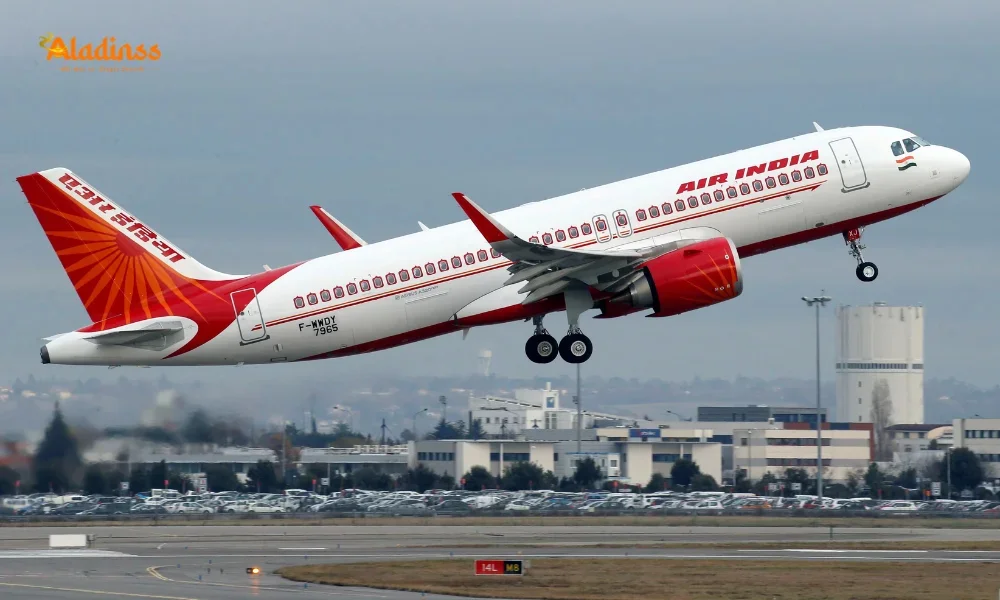
Air India Seeks $1.14 Billion Bailout from Tata and SIA After Deadly Crash
Air India is urgently requesting at least ₹100 billion ($1.14 billion) in financial aid from its parent companies, Tata Sons and Singapore Airlines (SIA), according to a Bloomberg report citing sources close to the development. The plea comes in the wake of a catastrophic June crash that claimed over 240 lives, plunging the Tata-owned airline into its most severe crisis since privatization. The Air India financial support request aims to fund critical upgrades in systems, services, and in-house maintenance capabilities.
Tata Group, holding a 74.9% stake, and SIA with the remaining 25.1%, are reportedly deliberating whether to extend the funds as interest-free loans or equity infusion. The move underscores the mounting pressure on Air India to rebuild public trust, modernize its aging fleet, and strengthen operational safety amid intense scrutiny following the tragedy.
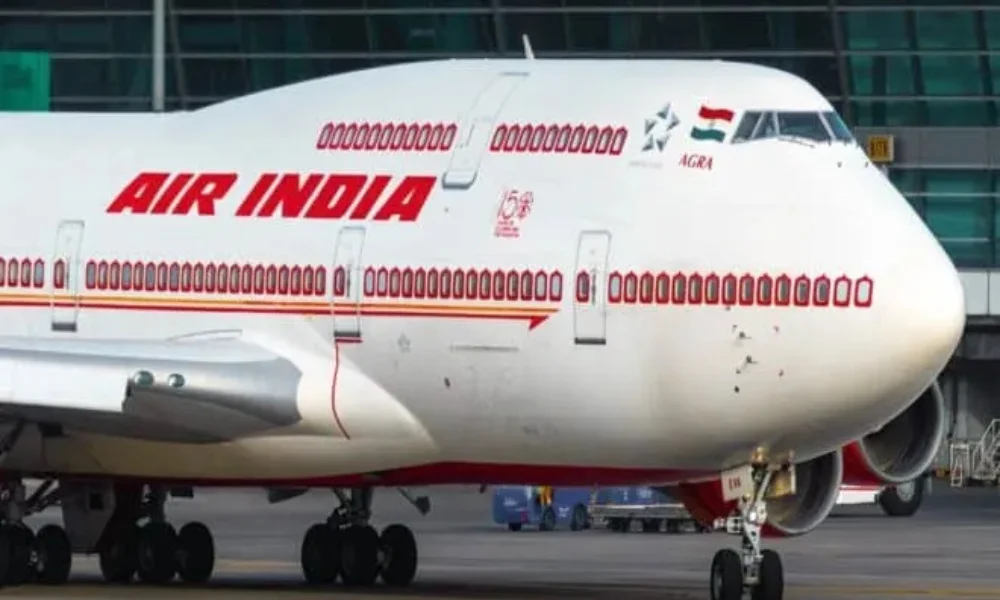
Why Air India Needs $1.14 Billion: Post-Crash Overhaul Imperative
The June disaster—Air India’s deadliest in decades—exposed deep-rooted flaws in maintenance protocols, crew training, and legacy IT infrastructure inherited from its government-owned era. The airline now seeks the massive Air India Tata SIA funding to launch a comprehensive turnaround program. Key priorities include establishing fully in-house engineering and MRO (maintenance, repair, and overhaul) facilities, previously outsourced to third-party vendors.
Industry insiders reveal that current maintenance costs are inflated due to dependency on external providers. By developing internal capabilities, Air India aims to slash expenses by 20–30% while enhancing control over safety standards. The funding will also bankroll digital transformation—upgrading reservation systems, passenger experience platforms, and real-time fleet monitoring tools.
Moreover, the carrier plans to accelerate its $400 million fleet refurbishment program, which includes retrofitting over 100 aircraft with new seats, IFE systems, and Wi-Fi. Delays in this project had already drawn passenger backlash even before the crash.
Ownership Structure and Funding Proportionality
Since Tata Sons acquired Air India from the government in January 2022 for ₹18,000 crore, the conglomerate has injected over $1.5 billion into revival efforts. Singapore Airlines, a strategic partner since the 2010s through joint ventures like Vistara, holds a minority but significant stake. Any new Air India financial support will follow ownership ratios:
- Tata Sons: ~₹74.9 billion (74.9%)
- Singapore Airlines: ~₹25.1 billion (25.1%)
The decision on loan vs. equity remains pending. An interest-free loan preserves shareholding structure but increases debt burden. Equity dilution, while costlier for owners, strengthens the balance sheet and signals long-term commitment—crucial for investor and passenger confidence.
Tata Group has historically favored equity in flagship ventures (e.g., Tata Motors, TCS), but SIA may push for loans to limit exposure in a high-risk aviation market still recovering from COVID-19 losses.
Post-Crash Crisis: Reputation Damage and Regulatory Heat
The June crash not only resulted in tragic loss of life but triggered a cascade of consequences. India’s Directorate General of Civil Aviation (DGCA) grounded 30% of Air India’s fleet for urgent inspections, leading to over 1,500 flight cancellations in July alone. Passenger bookings plummeted 40% on international routes, with travelers shifting to rivals like IndiGo and Emirates.
Compensation claims from victims’ families are estimated at ₹250–300 crore, with lawsuits filed in Indian and U.S. courts. Insurance payouts could exceed $500 million, straining Air India’s cash reserves. The airline’s credit rating was downgraded by CRISIL to ‘BB-’ with a negative outlook, making commercial borrowing expensive.
Air India CEO Campbell Wilson, in a recent townhall, admitted “systemic gaps” and pledged sweeping reforms. However, analysts question whether internal changes alone suffice without substantial capital infusion—the core rationale behind the $1.14 billion bailout request.
Tata’s Long-Term Vision vs. Short-Term Cash Crunch
When Tata reclaimed Air India after 69 years, it unveiled a bold ‘Vihaan.AI’ transformation plan targeting profitability by 2027. The five-year roadmap included merging four airlines (Air India, Vistara, AirAsia India, Air India Express), ordering 470 new aircraft, and capturing 30% domestic market share.
Progress was visible pre-crash: 100+ new aircraft inducted, Maharaja lounge revamped, and crew uniforms refreshed. But the accident derailed momentum. The $70 billion Airbus-Boeing order—heralded as India’s largest—faces delivery delays as suppliers demand payment guarantees post-downgrade.
The Air India bailout from Tata and SIA is thus not merely operational—it’s existential. Without fresh funds, fleet expansion stalls, mergers falter, and competitors like IndiGo (with 60%+ market share) consolidate dominance.
Singapore Airlines’ Strategic Calculus
SIA, a global benchmark for service excellence, initially joined Air India to expand its India footprint via Vistara. The 2024 merger of Vistara into Air India was meant to create a full-service giant challenging Gulf carriers on long-haul routes. But the crash has complicated integration—Vistara’s premium reputation now risks dilution under the Air India brand.
SIA’s board must weigh:
- Protecting its $300+ million investment
- Avoiding brand contagion
- Ensuring merger synergies (codeshare, loyalty programs)
- Regulatory mandates (foreign ownership cap at 49%)
Analysts expect SIA to approve funding but demand governance reforms—perhaps board seats on safety and audit committees. An interest-free loan with milestones tied to MRO setup and on-time performance could be a compromise.
What the Funds Will Achieve: Breakdown of $1.14 Billion
If approved, the Air India financial lifeline will be deployed across:
- ₹40 billion: In-house MRO hangars in Delhi, Mumbai, Nagpur
- ₹25 billion: Digital platforms (CRS, ERP, predictive maintenance AI)
- ₹20 billion: Crew training simulators and safety academies
- ₹15 billion: Cabin retrofit for 120 aircraft
The balance covers working capital and legal liabilities. Returns are projected within 4–5 years via cost savings and premium yield growth.
Competitive Landscape: Can Air India Recover?
IndiGo dominates short-haul with 400+ aircraft and 80% load factors. Emirates, Qatar, and Etihad rule long-haul from India. Air India’s wide-body fleet (47 aircraft) is aging—average age 12 years vs. SIA’s 7. The bailout is critical to induct 25 new A350s and B787s by 2027.
Market share has slipped to 12% domestic, 18% international. Passenger NPS (Net Promoter Score) hit -45 post-crash. Only sustained investment in safety and service can reverse this.
What Happens if Funding is Denied?
Without the $1.14 billion, Air India risks:
- Grounding more aircraft due to unpaid leases
- Failed Vistara merger (SIA could exit)
- Loss of slots at London Heathrow, JFK
- Potential bankruptcy protection filing
Tata’s pride in the Maharaja brand makes collapse unlikely—but a forced fire sale of assets (A350 order, Bilaterals) remains a grim possibility.
Road to Recovery: Timeline and Milestones
With funding secured, Air India targets:
- Q4 2025: First in-house MRO operational
- Q2 2026: Full Vistara integration
- 2027: Break-even EBITDA
- 2030: Top-3 Asian full-service carrier
The $1.14 billion Air India bailout from Tata and SIA is more than capital—it’s a vote of confidence in India’s aviation growth story. With 8% annual traffic rise, the prize is worth the risk.
Facebook Comments









-
 Explore the upcoming Tamil film Maaman - cast, sto...
 -
 Read the ACE (2025) movie review starring Vijay Se...
 -
 Check out Maaman's 1st day box office collection a...
 -
 Explore tourist family reviews for Maaman movie –...
Popular Posts
Vote / Poll
Recent Posts



Recommended Posts

-
 Discover the best schools in Nagercoil f...
 -
 Discover the top-rated preschools in Nag...
 -
 Explore the best schools in Nagercoil th...

Comment / Reply From