India Top 10 Richest People in 2025
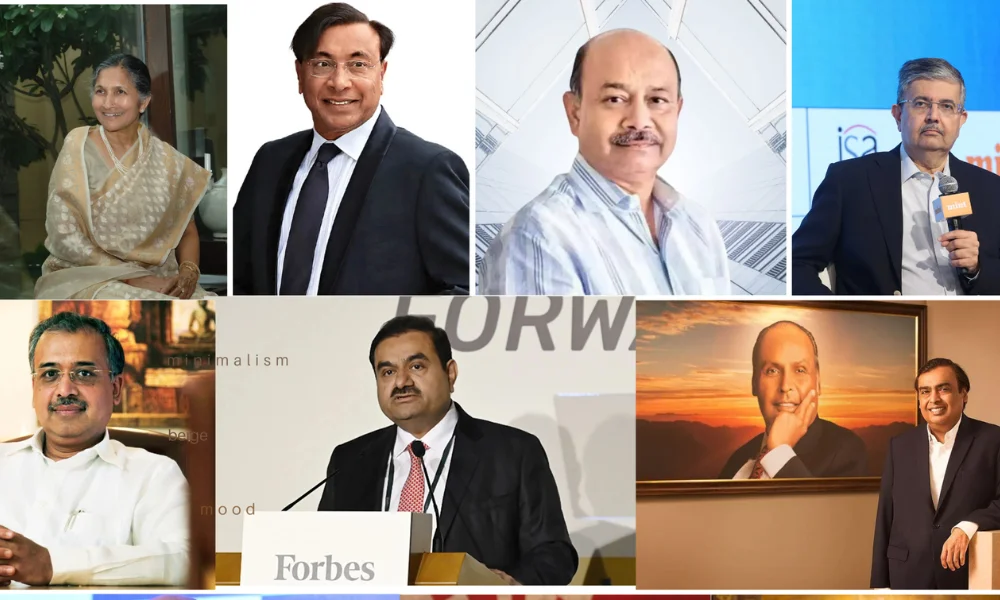
India's Billionaire Titans: Top 10 Richest People in 2025
India's billionaire class represents far more than extraordinary wealth. It reflects ambition, resilience, and the ability to shape a nation's economic destiny. In 2025, India stands firmly among the world's leading wealth-creating nations, powered by industrial giants, technology pioneers, infrastructure visionaries, financial strategists, and retail innovators. These individuals influence how India connects, consumes, builds, heals, and expands on the global stage.
From redefining digital access and transforming infrastructure to advancing healthcare solutions and global manufacturing, their fortunes are built on decades of calculated risk, discipline, and long-term vision. Together, they form the backbone of India's modern economic story - a blend of legacy and disruption, tradition and innovation. This report highlights the top 10 richest people in India in 2025 and examines the empires that continue to shape the nation's future.
Mukesh Ambani - The Architect of India's Digital and Energy Future
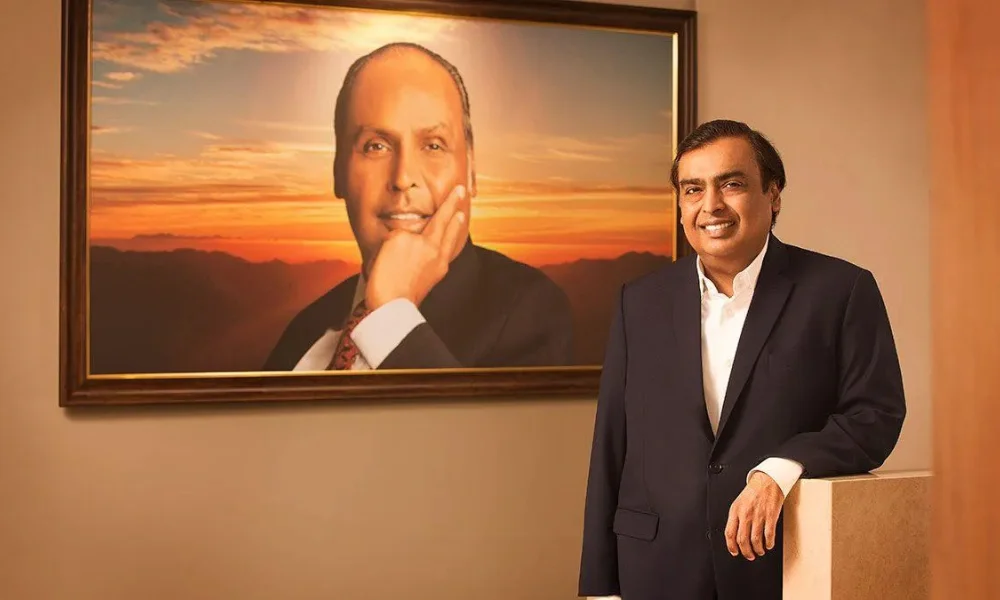
Mukesh Ambani sits at the very apex of India's wealth hierarchy and continues to be one of the most powerful business titans of the present era. As the chairman of Reliance Industries, he converted a traditional petrochemicals firm into a varied worldwide conglomerate with leading roles in energy, telecom, retail, digital services, and media. His daring choice to initiate Reliance Jio upended India's telecom sector, drastically cutting data expenses and fostering digital inclusion throughout both urban and rural India. Reliance Retail further reformed consumer habits, establishing Ambani as a commanding figure in both brick-and-mortar and digital arenas.
Moving forward, Ambani's vision reaches past current achievements toward enduring national and international effect. He has dedicated vast sums toward renewable power, green hydrogen, advanced battery storage, and sustainable production. His stewardship demonstrates magnitude, endurance, and foresight, setting Reliance Industries as an enterprise prepared for the future, harmonized with India's clean-energy and digital aspirations.
Gautam Adani - Infrastructure Powerhouse with Global Aspirations
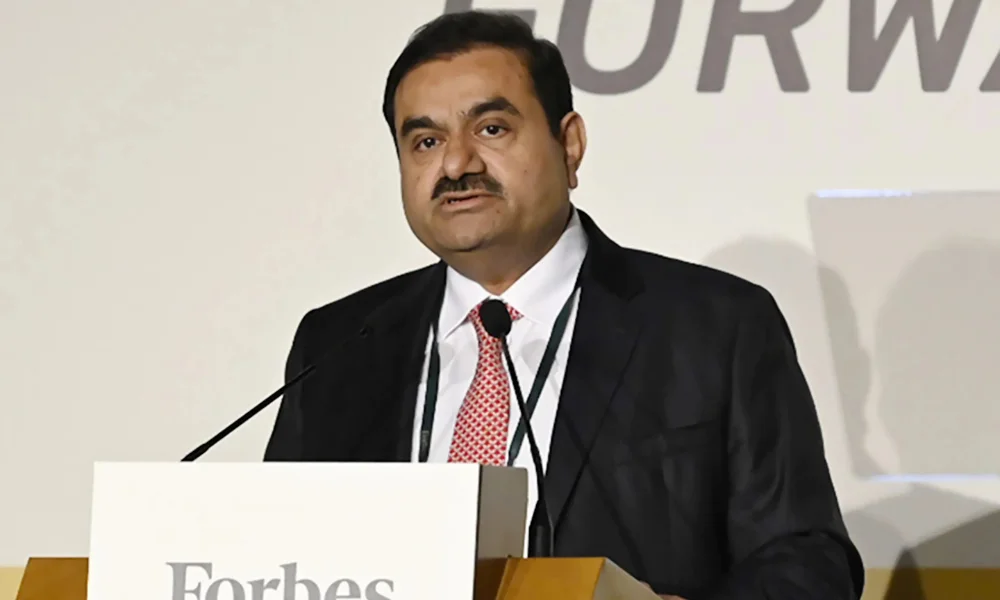
Gautam Adani grew the Adani Group from a humble commodities trading venture into one of India's most vital infrastructure domains. With interests encompassing ports, airports, power manufacturing, transmission, logistics, mining, and renewable energy, his firms constitute the foundation of India's physical framework. Adani-controlled harbors manage a substantial share of India's maritime exchange, while his airport functions link major metropolitan areas across the nation, emphasizing his impact on national linkage.
Despite enduring periods of intense examination and market instability, Adani has persisted in pursuing vigorous growth consistent with India's advancement objectives. His increasing concentration on renewable power, green hydrogen, and global infrastructure initiatives mirrors ambitions extending well beyond domestic territories. Adani's trajectory is characterized by swiftness, breadth, and a readiness to undertake measured gambles on a vast platform.
Shiv Nadar - The Pioneer Who Brought IT to Indian Homes
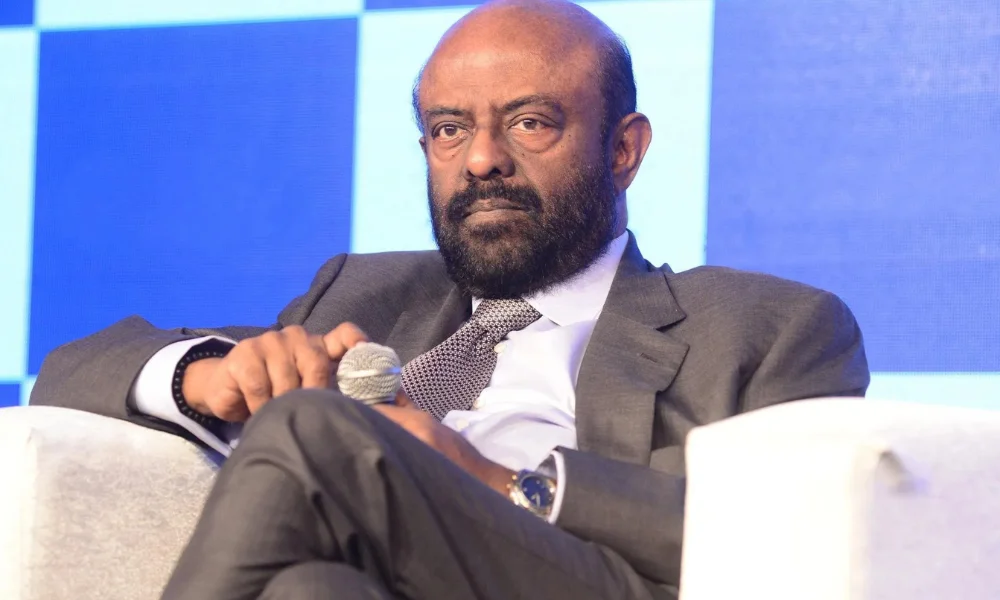
Shiv Nadar is broadly perceived as one of the originators of India's information technology surge. As the founder of HCL Technologies, he played a crucial part in positioning India as a worldwide center for IT support, enterprise solutions, and digital reshaping. His early conviction in technology as a factor for expansion enabled Indian aptitude to contest internationally, aiding to recast India's economic character from a manufacturing-centric economy to a knowledge-driven one.
Beyond commerce, Nadar's heritage is deeply embedded in education and altruism. Through the Shiv Nadar Foundation, he has established premier universities, academies, and research organizations intended to cultivate next-generation innovators. His belief that learning is the most lasting form of fortune continues to shape India's intellectual and societal sphere.
Savitri Jindal and Family - A Legacy Forged in Steel and Power
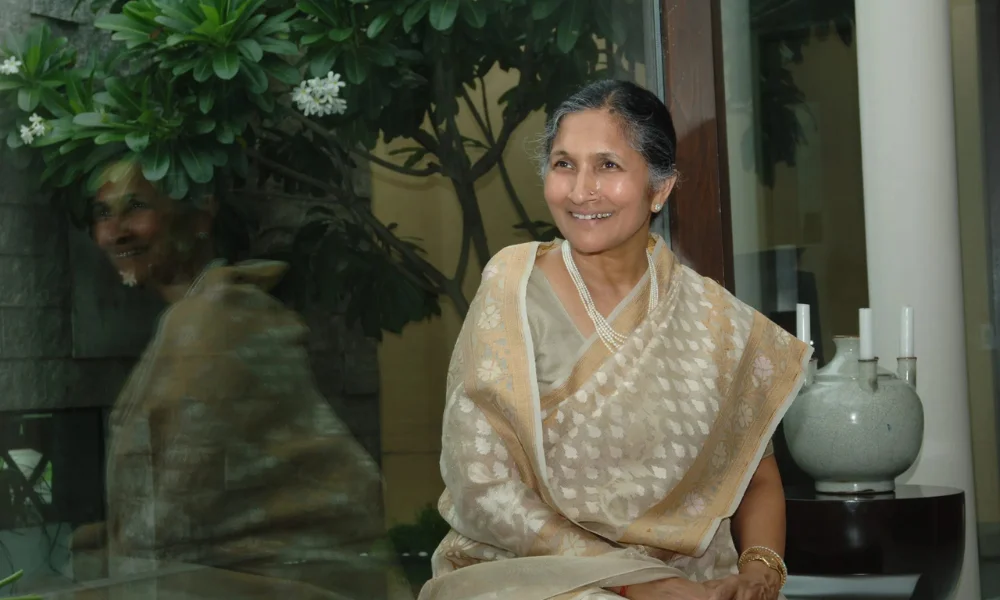
Savitri Jindal presides over the Jindal Group, one of India's most substantial and multifaceted industrial conglomerates, with ventures covering steel, power, cement, and framework. Established by O.P. Jindal, the collective has held a primary function in India's industrial climb, supplying essential materials that support building, manufacturing, and energy creation throughout the nation.
Her management exemplifies tenacity and persistence in Indian family-held entities. Under her direction, the Jindal ventures have sustained robust operational autonomy while adjusting to contemporary management and sustainability prerequisites. The family's sway remains deeply integrated into India's heavy industry setting.
Dilip Shanghvi - The Quiet Giant of Indian Pharmaceuticals
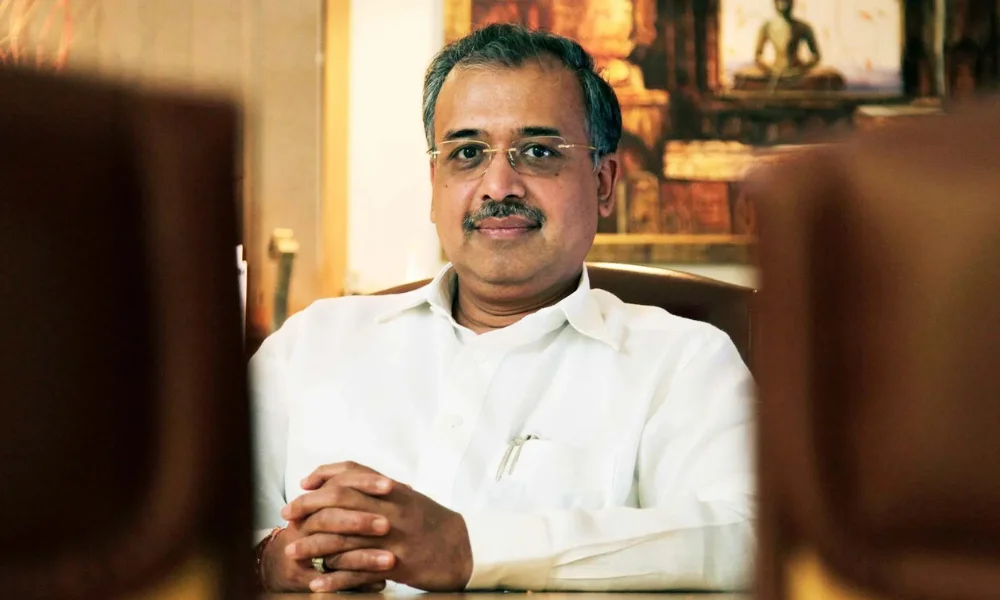
Dilip Shanghvi established Sun Pharmaceutical Industries with a clear mandate: to supply accessible, top-quality medications to patients globally. Commencing with a small offerings list, he steadily broadened the corporation through calculated takeovers, research investment, and worldwide progression. Presently, Sun Pharma ranks as India's premier pharmaceutical corporation and a key participant in global generic and specialized drug realms.
Recognized for his reserved leadership manner, Shanghvi concentrates on enduring value generation rather than ephemeral prominence. His accent on ingenuity, regulatory adherence, and worldwide scope has aided Indian pharmaceuticals acquire credence and reliance across international healthcare structures, strengthening India's function as a worldwide medicine provider.
Cyrus Poonawalla - The Man Who Vaccinated the World
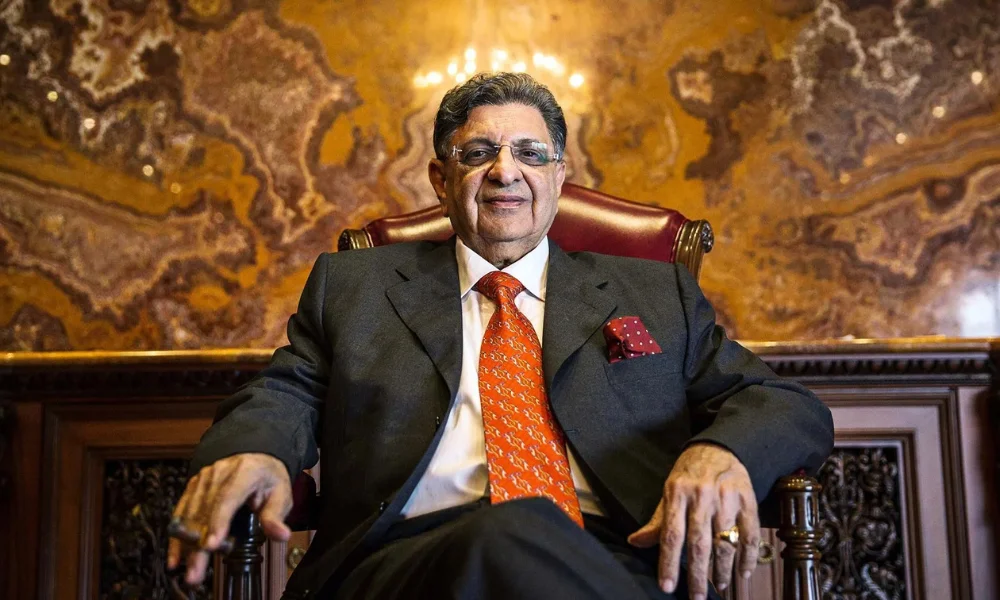
Cyrus Poonawalla cultivated the Serum Institute of India into the foremost vaccine producer globally by output, profoundly altering worldwide wellbeing provision. His firm furnishes inoculations to over 170 nations, rendering life-saving immunization affordable for many millions, particularly in emerging countries. Serum Institute's magnitude and capability have rendered it crucial to worldwide public health initiatives.
During worldwide health emergencies, Poonawalla's leadership situated India at the core of global vaccine supply efforts. By merging scientific breakthrough with mass creation capacities, he demonstrated how private enterprise can serve humankind extensively. His heritage is defined by contribution rather than mere gain.
Kumar Mangalam Birla - A Global Business Leader with Indian Roots
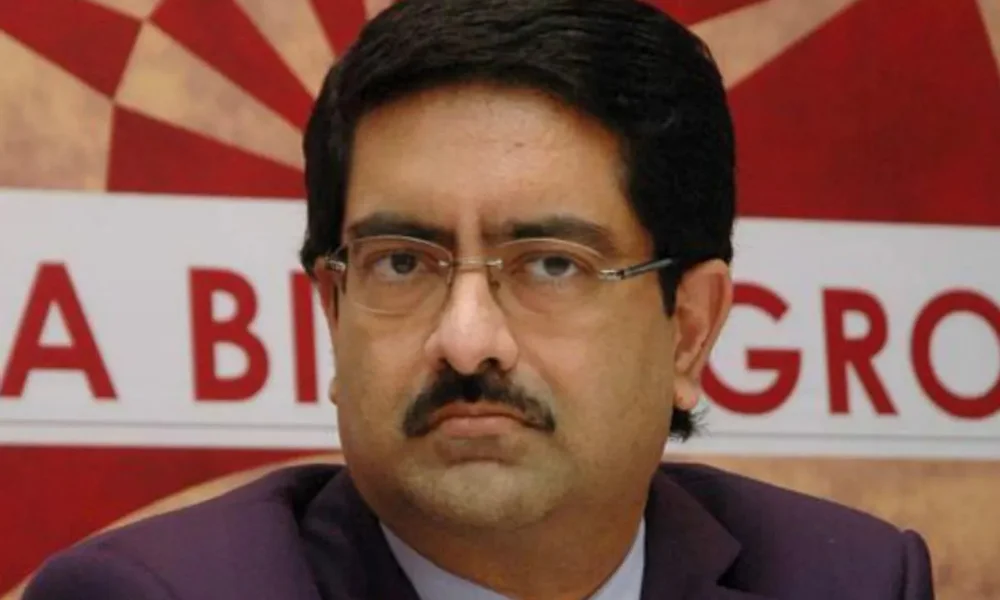
Kumar Mangalam Birla directs the Aditya Birla Group, a multinational entity with operations spanning metals, cement, telecom, fabrics, carbon black, and financial services. Under his guidance, the group augmented its presence to more than 30 nations, evolving into one of India's most globally diverse business houses.
Birla's leadership approach merges traditional principles with contemporary corporate administration. He has stressed professional management, environmental soundness, and global competitiveness while upholding the group's ethical core. His triumph mirrors India's increasing corporate maturity and assurance on the world expanse.
Lakshmi Mittal - Steel Baron of the World
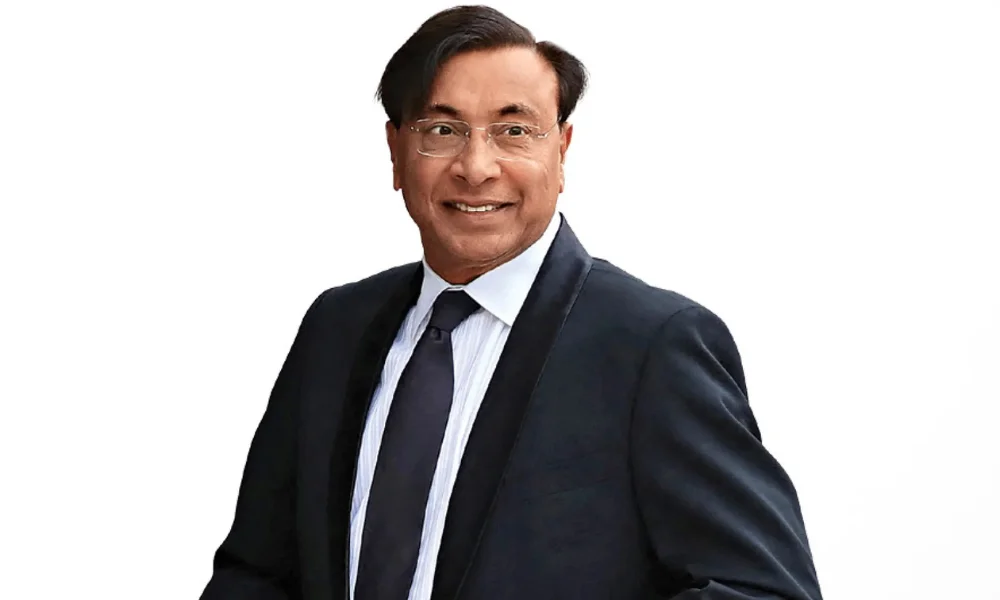
Lakshmi Mittal transformed the worldwide steel sector by integrating ailing steel assets across continents to form ArcelorMittal, the preeminent steel manufacturer globally. His methodology centered on scope, effectiveness, and updating, enabling him to dominate a traditionally scattered sector. Mittal's method altered how steel production functions internationally.
From modest origins in a family enterprise, Mittal erected an enterprise spanning Europe, Asia, and the Americas. His path is noted by calculated patience, resilience amidst industry lulls, and an unwavering focus on functional excellence, establishing him as one of India's most potent global industrialists.
Radhakishan Damani - The Retail Visionary
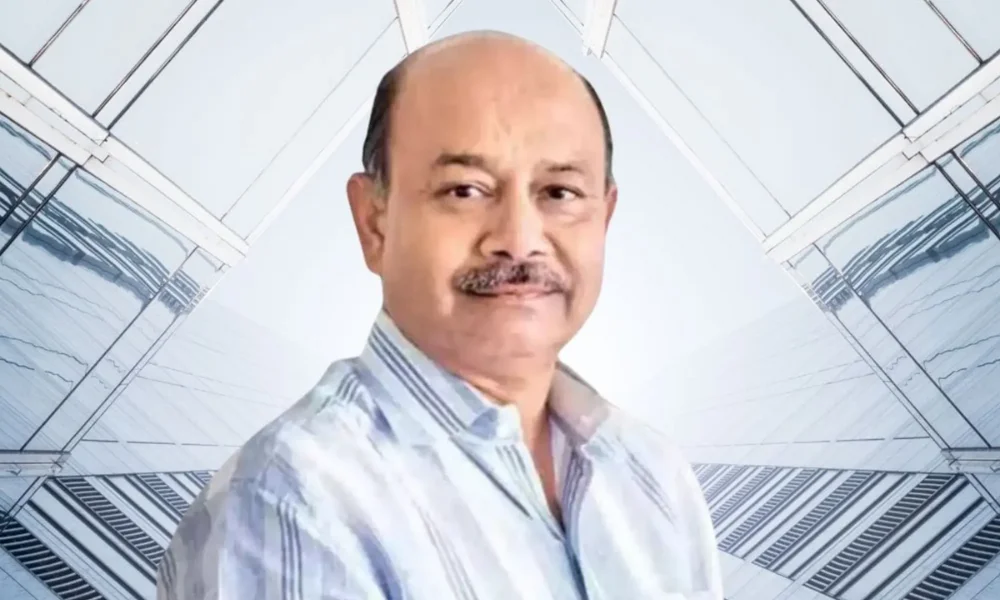
Radhakishan Damani is the founder of DMart, one of India's most prosperous retail chains. Known for his stripped-down methodology, he concentrated on value pricing, expense control, and operational effectiveness instead of hurried expansion. This disciplined approach secured strong customer faith and sustained profitability.
Unlike numerous retail innovators, Damani avoided debt-laden expansion and conspicuous branding. His subtle, measured execution converted everyday grocery retail into a wealth-generating engine. His achievement underscores the potency of simplicity, perseverance, and uniformity in intensely competitive markets.
Uday Kotak - The Mastermind of Modern Indian Banking
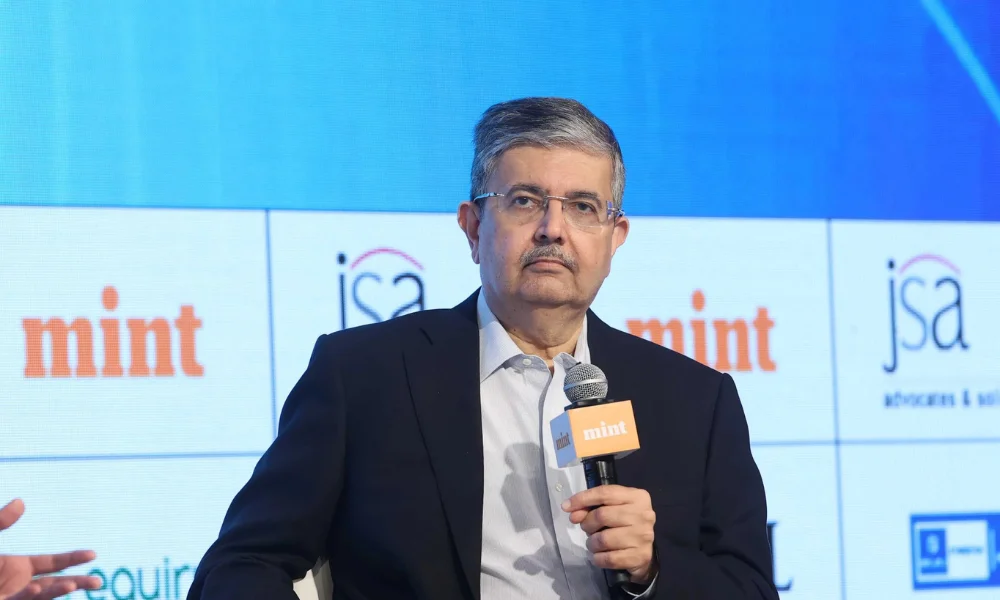
Uday Kotak upgraded Kotak Mahindra from a small finance firm into one of India's foremost private-sector banks. His profound grasp of risk oversight, capital prudence, and governance aided the institution in maneuvering economic phases with stability and believability. Kotak's banking ethos prioritized long-lasting reliance over swift enlargement.
Beyond banking, Kotak is widely respected for his perspectives on financial oversight, corporate structure, and economic planning. His sway reaches into consultative functions and public dialogue, making him a crucial voice in shaping India's contemporary financial environment.
Facebook Comments














-
 Explore the upcoming Tamil film Maaman - cast, sto...
 -
 Read the ACE (2025) movie review starring Vijay Se...
 -
 Check out Maaman's 1st day box office collection a...
 -
 Explore tourist family reviews for Maaman movie –...
Popular Posts
Vote / Poll
Recent Posts




Recommended Posts

-
 Discover the best schools in Nagercoil f...
 -
 Discover the top-rated preschools in Nag...
 -
 Explore the best schools in Nagercoil th...

Comment / Reply From