The Billion Dollar Minds Worlds Top 10 Richest Persons
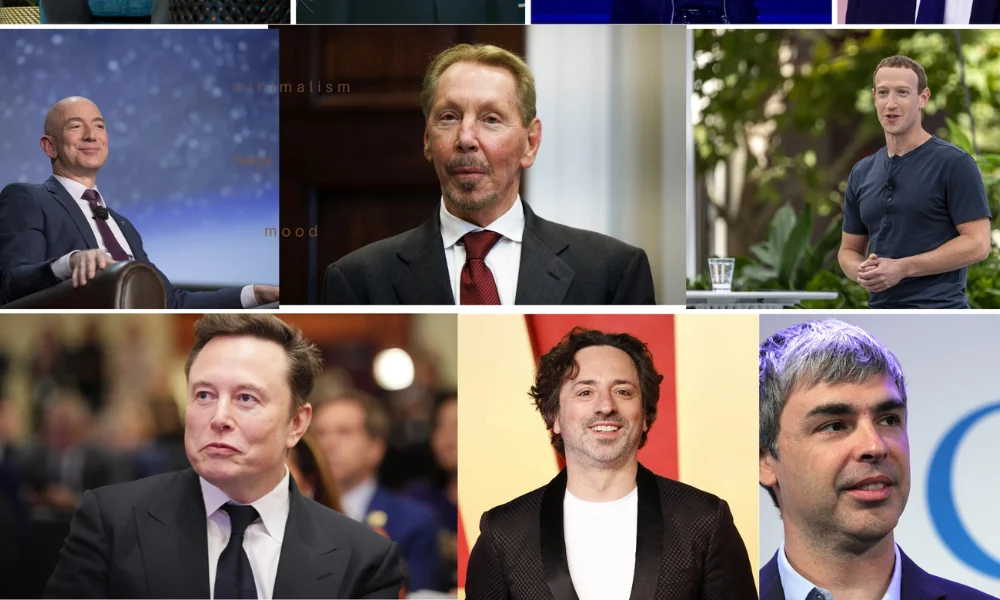
The Billion-Dollar Minds: World's Top 10 Richest Persons
The world's richest individuals are not merely holders of immense wealth; they are the architects of modern civilization. Their fortunes represent decades of calculated risk-taking, innovation, leadership, and the ability to foresee change before it becomes reality. From technology and artificial intelligence to luxury brands and global investments, these individuals have built empires that shape how people live, work, shop, communicate, and imagine the future. Their journeys are defined by bold decisions, relentless discipline, and an unwavering belief in their ideas. Understanding their stories offers insight into how influence, wealth, and power are created at the highest level of global business.
Elon Musk - The Visionary Disruptor of Tomorrow
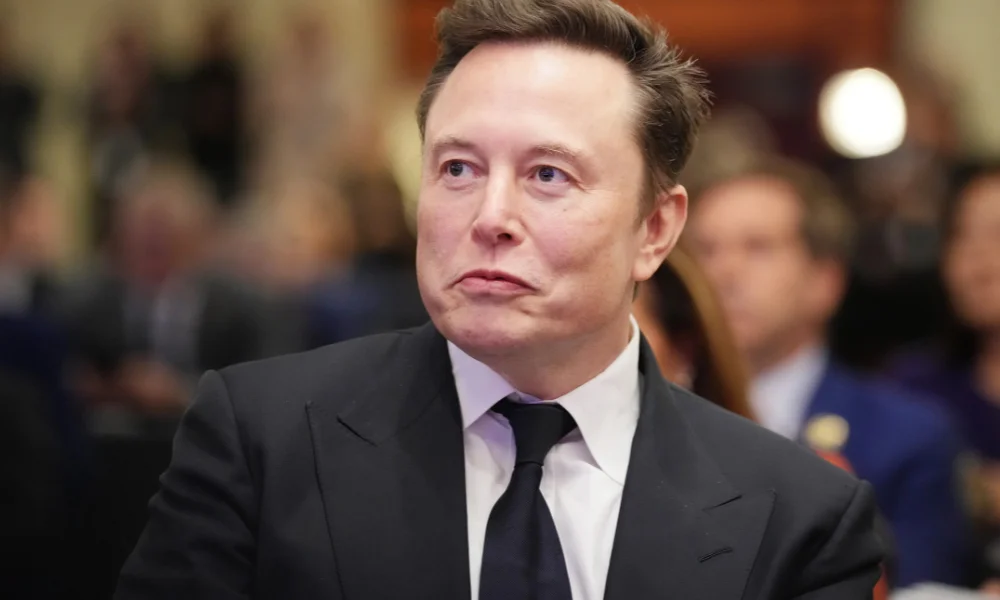
Elon Musk is widely regarded as one of the most influential entrepreneurs of the modern era. His wealth is primarily driven by Tesla and SpaceX, but his influence extends far beyond electric vehicles and space exploration. Musk is known for focusing on long-term challenges humanity will face in the future, including clean energy, space colonization, and artificial intelligence. Tesla transformed electric vehicles from a niche concept into a global mainstream product, while SpaceX reshaped the space industry by significantly reducing launch costs and introducing reusable rockets.
What truly sets Musk apart is his willingness to take extreme risks. On multiple occasions, he invested nearly his entire personal fortune into his companies during moments of crisis. His leadership style is intense and often controversial, yet it has delivered groundbreaking results. Musk's success reflects his ability to convert futuristic ideas into practical industries that influence the global economy and shape the future of technology.
Larry Page - Building the Foundation of the Digital World
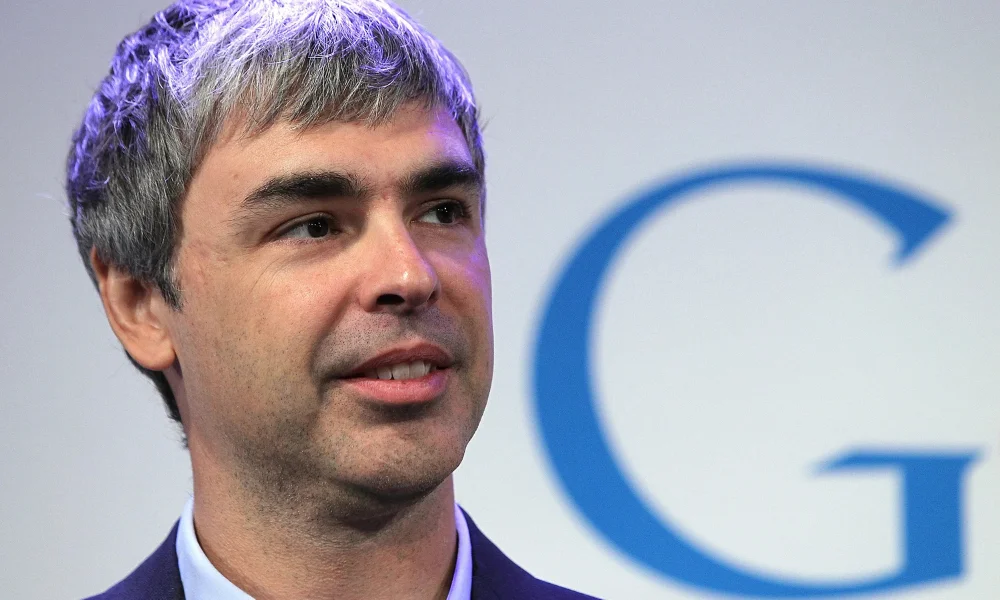
Larry Page is one of the silent architects behind the digital age. As a co-founder of Google, he helped create a system that fundamentally changed how information is accessed worldwide. Google's search engine solved one of the internet's biggest challenges by organizing vast amounts of data and making it instantly available to billions of users. Under Page's leadership, Google evolved into Alphabet, a parent company that invests heavily in artificial intelligence, cloud computing, healthcare innovation, and experimental research.
Page believed that prioritizing innovation and user experience would eventually lead to financial success. This philosophy proved to be highly effective on a global scale. Even after stepping away from daily operations, his influence continues through Alphabet's research-driven culture. His journey highlights how intellectual curiosity and long-term vision can create lasting global dominance.
Sergey Brin - Innovation Through Curiosity and Experimentation
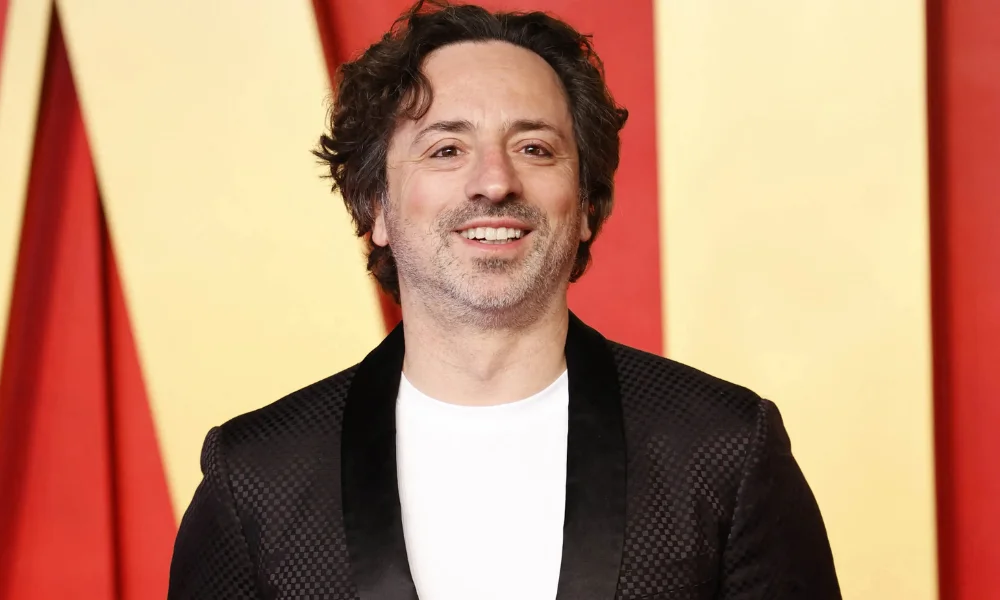
Sergey Brin, co-founder of Google, played a key role in shaping one of the most powerful technology companies in history. Known for his experimental mindset, Brin encouraged pushing boundaries rather than maintaining comfort. His wealth stems from Google's expansion into digital advertising, mobile platforms, artificial intelligence, and data-driven services that influence everyday life across the globe.
Brin believed that failure was a necessary step toward meaningful innovation. This philosophy allowed Google to remain relevant in an ever-changing technological landscape. His success demonstrates how curiosity, technical expertise, and openness to experimentation can lead to global influence and extraordinary wealth.
Jeff Bezos - Mastering Scale and Long-Term Vision
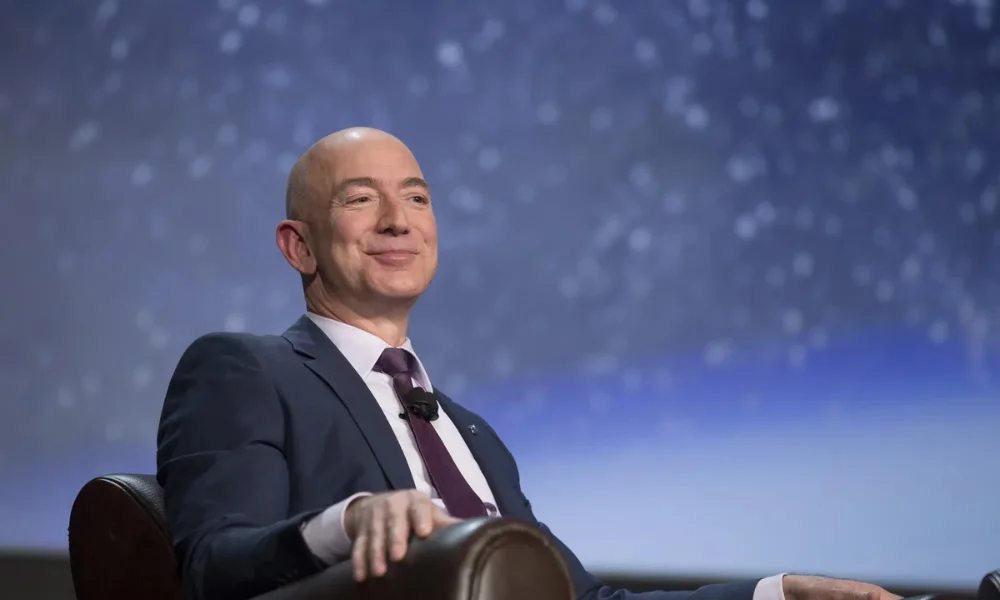
Jeff Bezos built Amazon by focusing on long-term growth rather than immediate profits. Starting as an online bookstore, Amazon expanded into nearly every consumer category while also becoming a global leader in cloud computing through Amazon Web Services. Bezos believed that customer satisfaction, efficient logistics, and continuous reinvestment were the foundations of sustainable success.
His ability to control infrastructure such as warehouses, delivery networks, and digital platforms created a powerful competitive advantage. Bezos' disciplined approach to scale and innovation transformed Amazon into one of the most influential companies in the world.
Also Read: India Top 10 Richest People in 2025
Larry Ellison - Powering the Enterprise Economy

Larry Ellison built his fortune by focusing on enterprise software rather than consumer products. As a co-founder of Oracle, he dominated database management systems used by governments, banks, and multinational corporations. His aggressive business strategies and consistent technological upgrades allowed Oracle to remain relevant for decades.
Ellison maintained that possessing vital infrastructure establishes lasting strength. His fortune reflects the importance of background technology that sustains the global economy. Known for his competitive temperament and bold acquisitions, Ellison expanded Oracle into cloud services to remain relevant in a rapidly changing technological landscape. His journey shows how deep technical knowledge and calculated leadership in a specialized field can generate exceptional wealth.
Mark Zuckerberg - Redefining Human Connection
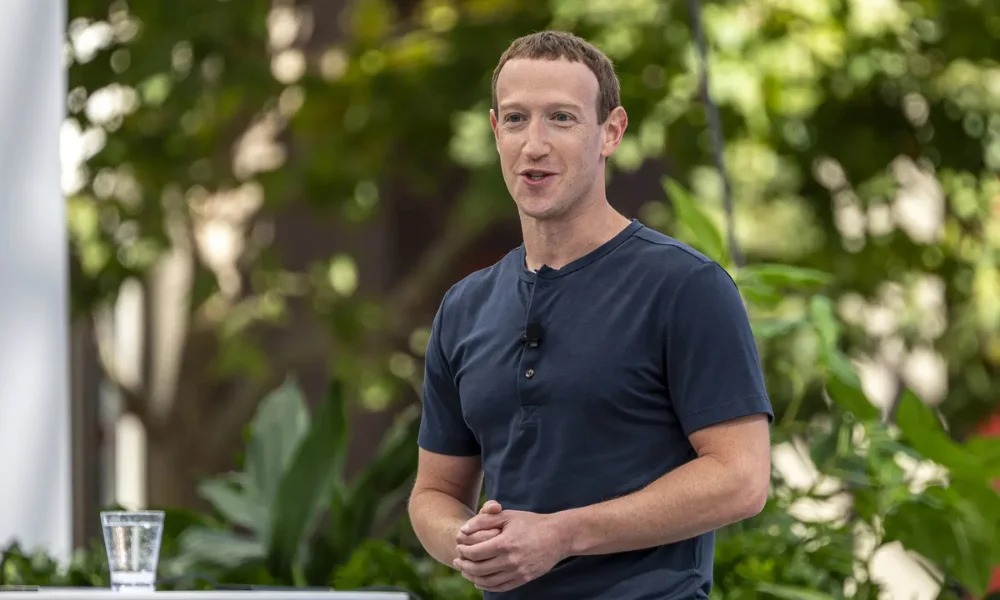
Mark Zuckerberg reshaped global communication through social media platforms used by billions. His company Meta focuses on digital connection, advertising, and immersive experiences. His long-term investments in virtual technologies reflect his belief in the future of digital interaction.
Zuckerberg's long-range vision includes immersive digital worlds and virtual interaction. While controversial, his willingness to invest heavily in future technologies reflects calculated patience. His story demonstrates how platforms built on human connection can evolve into global structures of influence, shaping culture, governance, and business.
Bernard Arnault - Luxury as a Global Empire
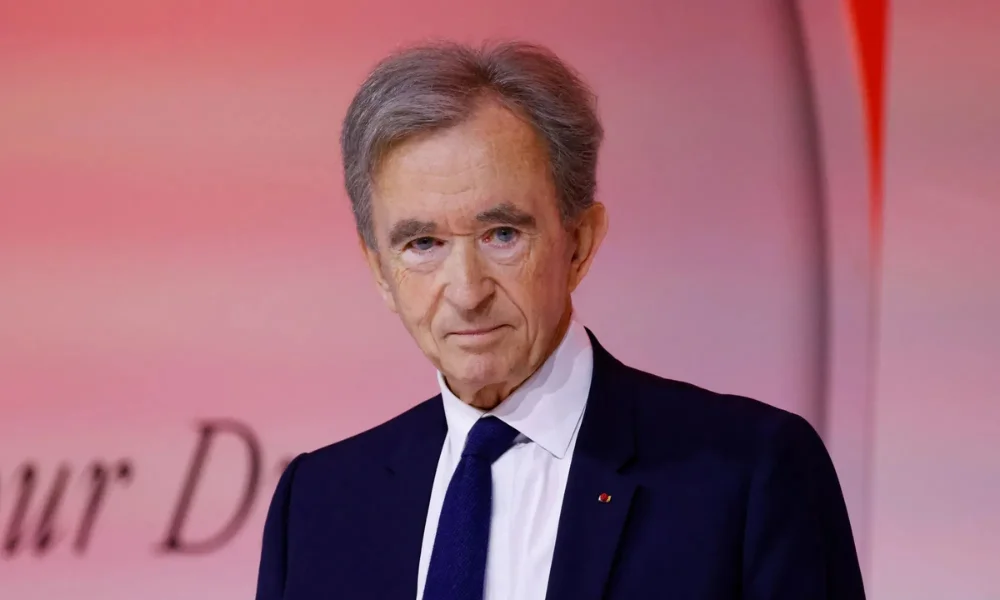
Bernard Arnault is the foremost figure globally in high-end merchandise. As the chief of LVMH, he oversees celebrated brands symbolizing artistry,legacy, and exclusivity. His assets reflect the lasting merit of luxury in a mass-produced universe.the only luxury titan on the list, built LVMH into the world's most powerful luxury group. Controlling iconic brands across fashion, watches, and spirits, Arnault proved that craftsmanship, heritage, and exclusivity remain timeless sources of wealth.
Arnault's success lies in preserving brand identity while expanding across global markets. He understands that emotional connection and prestige drive demand. His empire proves that heritage, when combined with strategic leadership, can compete with modern technology giants.
Jensen Huang - The Mind Behind the AI Boom
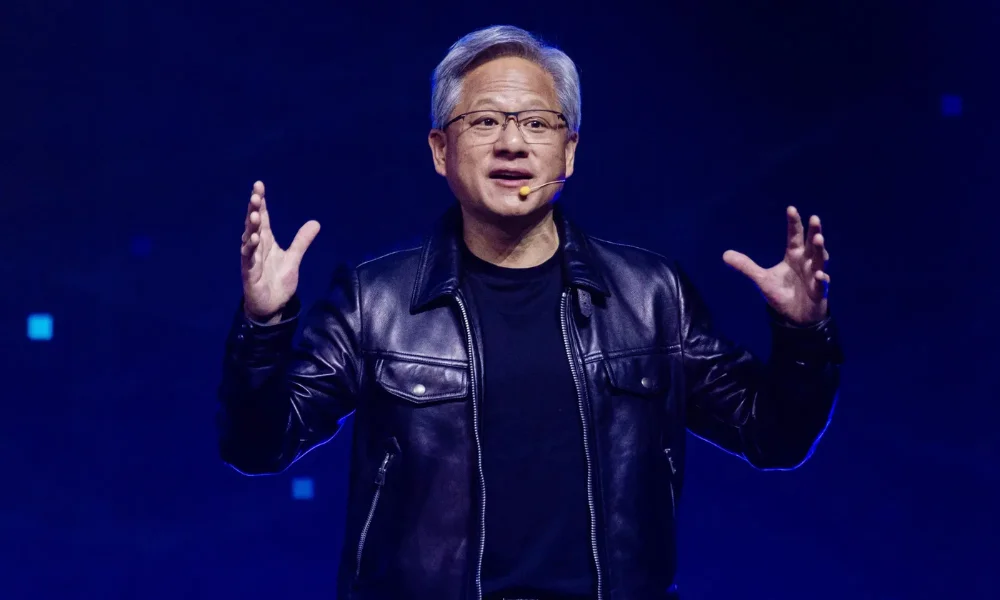
Jensen Huang transformed NVIDIA into a key force behind artificial intelligence and advanced computing. His foresight positioned the company at the center of AI development, powering data centers and future technologies worldwide.Huang's wealth reflects his ability to foresee technological shifts early. By investing heavily in research and developer ecosystems, he ensured NVIDIA's dominance. His journey highlights how specialized innovation can redefine entire industries.
Jensen Huang, CEO of NVIDIA, emerged as a key figure in the AI revolution. His leadership turned graphics chips into the backbone of artificial intelligence, data centers, and next-generation computing, placing him at the heart of modern technology.
Warren Buffett - The Discipline of Long-Term Wealth
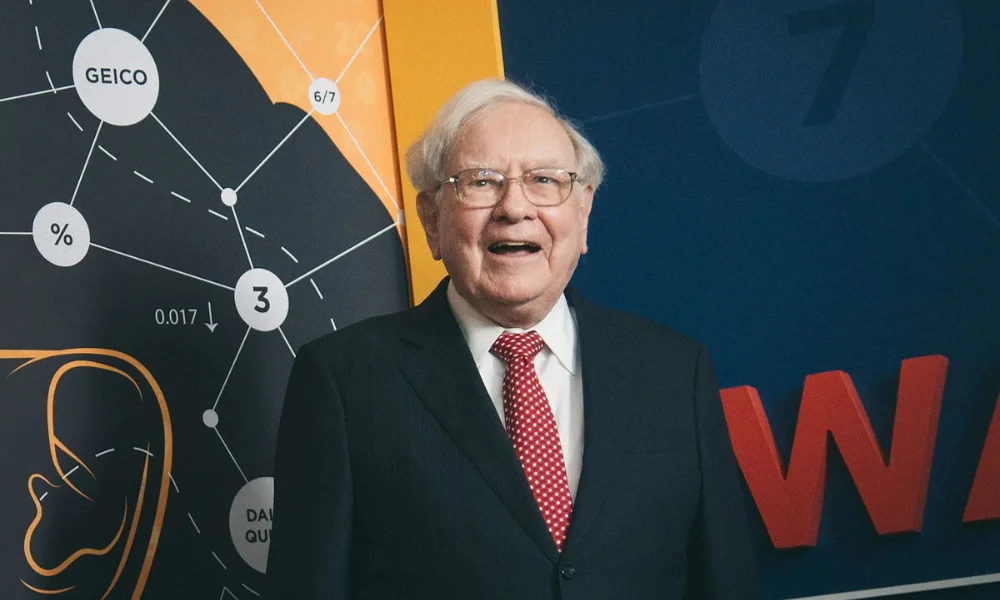
Warren Buffett built his fortune through disciplined investing and long-term thinking. Through Berkshire Hathaway, he demonstrated that patience, strong fundamentals, and ethical leadership can outperform speculation and market hype over time.Buffett's net worth represents stability and wisdom. His approach proves that long-term success does not require constant disruption, but steady and thoughtful decision-making over time.
Warren Buffett, known as the "Oracle of Omaha", represents disciplined investing. Through Berkshire Hathaway, he built wealth steadily by valuing patience, fundamentals, and long-term trust in businesses rather than trends.
Steve Ballmer - The Executive Who Turned Equity Into Billions
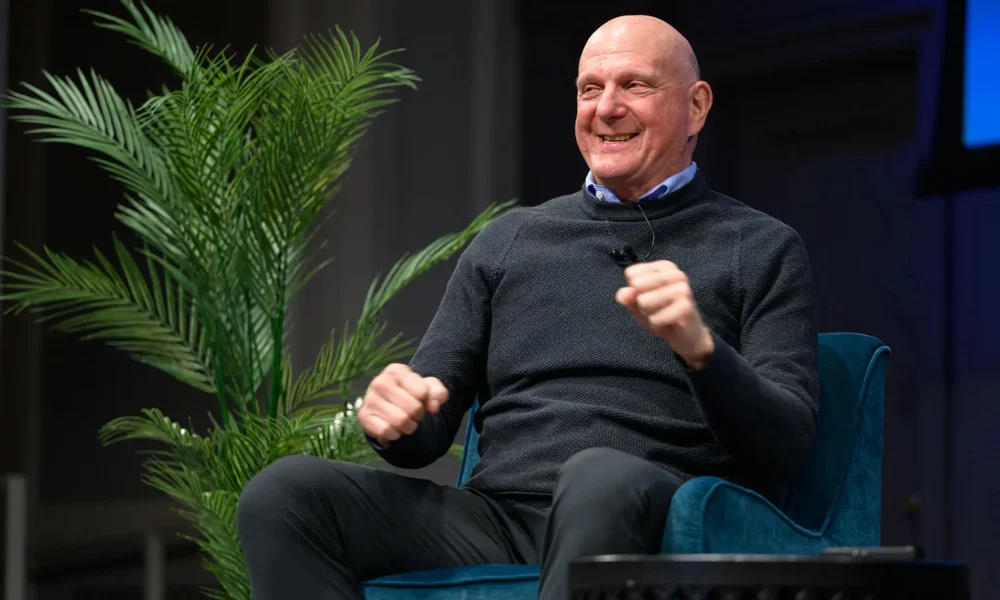
Steve Ballmer built his vast fortune through his long-standing association with Microsoft, where he served as Chief Executive Officer for more than a decade. Joining the company in its early years, Ballmer played a key role in transforming Microsoft from a growing software company into one of the most powerful technology corporations in the world. Unlike many billionaires who founded companies themselves, Ballmer's wealth reflects the strength of executive leadership, strategic management, and long-term ownership in a successful enterprise.
Beyond Microsoft, Ballmer further solidified his billionaire status through smart investments and high-profile ownership. His purchase of a major professional basketball franchise marked his entry into the sports business, where he applied the same data-driven and long-term approach. Today, his wealth stands as a testament to how strategic leadership, patience, and disciplined investment can rival entrepreneurial founding in building extraordinary financial success.
Facebook Comments














-
 Explore the upcoming Tamil film Maaman - cast, sto...
 -
 Read the ACE (2025) movie review starring Vijay Se...
 -
 Check out Maaman's 1st day box office collection a...
 -
 Explore tourist family reviews for Maaman movie –...
Popular Posts
Vote / Poll
Recent Posts




Recommended Posts

-
 Discover the best schools in Nagercoil f...
 -
 Discover the top-rated preschools in Nag...
 -
 Explore the best schools in Nagercoil th...

Comment / Reply From