India’s Textile Exports Shift Amid US Tariff Hike
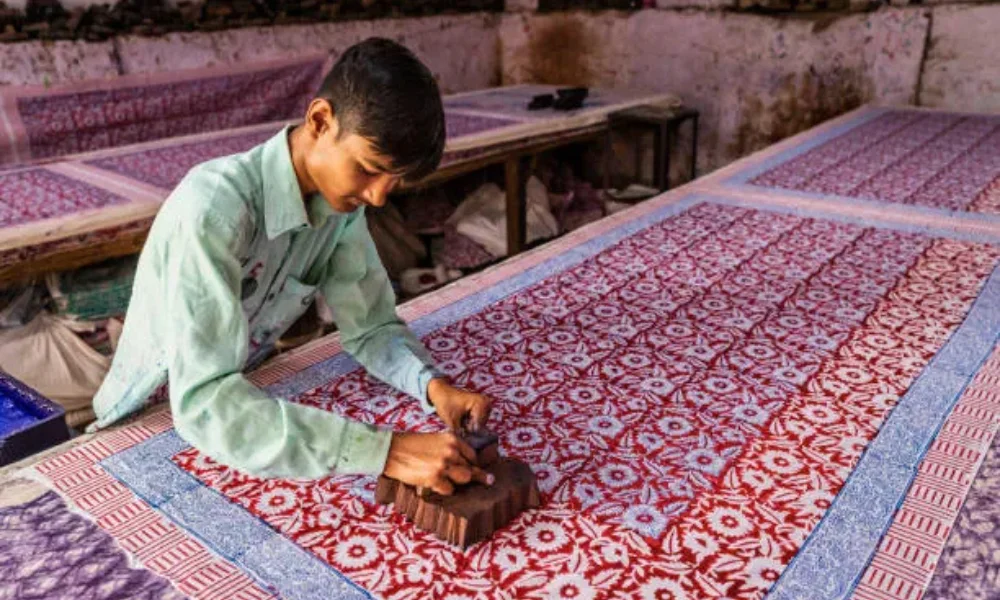
India’s Textile Exports Under Pressure As Firms Shift Production Overseas
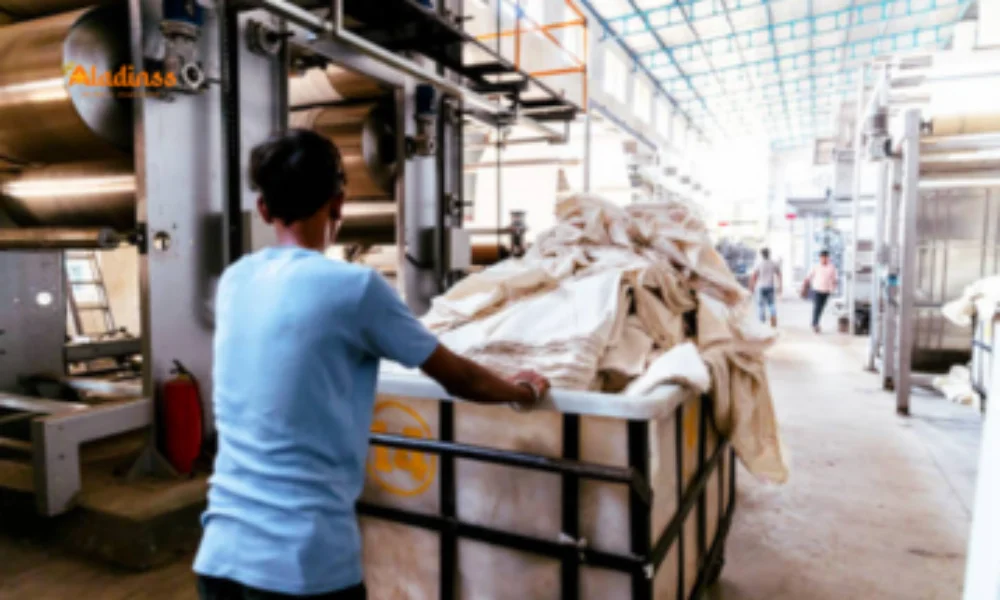
India’s Rs 87,000-crore annual textile exports to the United States are facing significant pressure as major exporters begin shifting production to other countries. With a steep 50% US tariff now impacting Indian textile and garment shipments, companies are looking to Vietnam, Indonesia, Bangladesh, and Africa to fulfill American orders and maintain competitiveness.
Pearl Global Industries Leads the Shift
Pearl Global Industries, a leading garment exporter, announced plans to reassign US-bound production to its overseas hubs. Managing Director Pallab Banerjee highlighted growing demand from US buyers for production in Vietnam, Indonesia, Bangladesh, and Guatemala. The company is capitalizing on favorable tariff structures and diversifying its supply chain to reduce dependence on India for US markets.
African Manufacturing Gains Ground
Another top-10 Indian textile exporter revealed plans to move US orders to Africa, leveraging existing manufacturing facilities to bypass steep American import duties. The move is expected to boost Africa’s role in the global textile supply chain while reducing tariff-related costs for US buyers.
Also Read: Japanese Investors Increase Focus on India
Impact of US Tariff Changes
The US recently finalized reciprocal tariffs on major garment manufacturing countries at 19-20%. However, India now faces a 50% tariff, significantly reducing its price competitiveness. This policy shift is forcing exporters to recalibrate their business strategies and focus on Free Trade Agreement (FTA) markets like Japan, Australia, and potentially the UK once negotiations conclude.
Balancing US Market Losses with Global Growth
While production for the US market is being shifted overseas, Indian operations will continue targeting other global markets. Pearl Global aims to sustain growth through strategic partnerships, expanding presence in FTA-enabled regions, and investing in its Bangladesh facilities to serve both existing and new customers.
Financial Implications
Currently, US revenue from India accounts for 16-18% of Pearl Global’s FY25 group revenue, contributing 4-5% of total group profit. The company expects that its production shift strategy will protect customer relationships and safeguard profitability despite higher US tariffs.
Also Read: India Top 10 Richest People in 2025
The Road Ahead
India’s textile industry now faces a critical juncture. Exporters must adapt quickly to shifting trade dynamics, leveraging overseas facilities and exploring new markets to offset tariff impacts. The coming months will determine whether these strategies can sustain India’s position as a leading player in the global garment supply chain.
Facebook Comments














-
 Explore the upcoming Tamil film Maaman - cast, sto...
 -
 Read the ACE (2025) movie review starring Vijay Se...
 -
 Check out Maaman's 1st day box office collection a...
 -
 Explore tourist family reviews for Maaman movie –...
Popular Posts
Vote / Poll
Recent Posts




Recommended Posts

-
 Discover the best schools in Nagercoil f...
 -
 Discover the top-rated preschools in Nag...
 -
 Explore the best schools in Nagercoil th...

Comment / Reply From