IndiGo Flight Groundings Cripple Key Air Terminals: Live Operational Update

IndiGo Flight Groundings Cripple Key Air Terminals: Live Operational Update
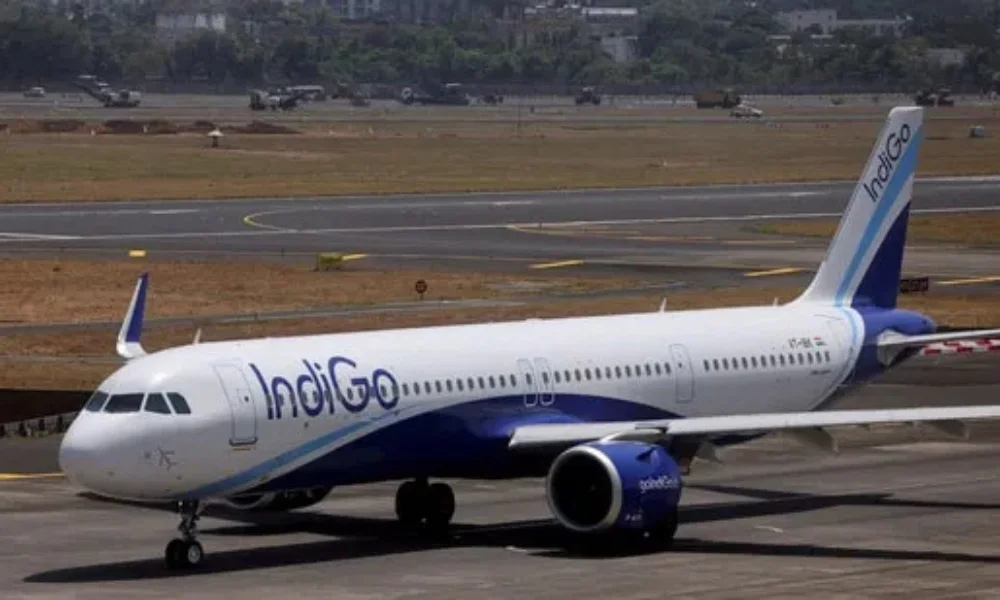
IndiGo, India's largest domestic airline, is in the middle of one of its most serious operational crises, with more than 400 flights grounded in a single day and disruptions extending into the seventh consecutive day. Major air terminals in Delhi, Bengaluru and Chennai have been heavily affected, with thousands of passengers facing delays, cancellations and last-minute rescheduling. The ongoing disruption is closely linked to IndiGo's preparedness for the updated Flight Duty Time Limitations (FDTL) norms, which have reshaped how pilot rosters and operational hours are planned across the network.
On the latest day of disruption, Delhi alone reported 134 cancellations, Bengaluru recorded 127 and Chennai saw 71 flights grounded. These figures come on the back of several days of turbulence, during which more than 2,000 flights were cancelled since the previous week and the total number of cancellations over seven days has climbed to above 4,500. For many travellers, what began as a routine journey has turned into a prolonged wait in crowded terminals, long queues at help desks and an anxious search for alternate travel options.
Operational Glitches and the Pressure of New FDTL Rules
At the core of the IndiGo flight groundings lies the airline's insufficient readiness for the revised Flight Duty Time Limitations (FDTL) regulations, which came into effect on 1 November 2025. These rules govern how long pilots can operate flights, how quickly they must be given rest and how rosters should be structured to safeguard safety and minimise fatigue. For any large airline, aligning thousands of daily flight sectors with fresh FDTL norms requires meticulous planning, new rostering strategies, and robust backup arrangements.
According to regulatory assessments, IndiGo's scheduling systems and manpower planning did not adapt to the new rules quickly enough. As the updated limits started restricting how many hours pilots could fly within a given period, the airline found itself with insufficient crew availability for its existing schedule. This triggered a cascading effect: last-minute cancellations, stretched resources at key hubs and an urgent need to curtail operations temporarily while rosters were recalibrated.
The Directorate General of Civil Aviation (DGCA) issued show-cause notices to IndiGo's top management, including the CEO and the accountable manager, seeking explanations for the scale of disruption. While an extension was granted for the airline to submit a detailed response, the regulatory scrutiny underscores the seriousness of the episode from both passenger rights and operational safety perspectives.
City-wise Impact: Delhi, Bengaluru, Chennai and Other Hubs
Delhi and Bengaluru have emerged as the worst-hit among IndiGo's major hubs. With 134 cancellations in Delhi and 127 in Bengaluru in a single day, passengers at these airports faced long queues at check-in counters and customer service desks, alongside repeated public announcements about disrupted schedules. Chennai, with 71 grounded flights, also experienced visible congestion, particularly during peak morning and evening hours.
Beyond these three hubs, the ripple effect has been felt across other key cities such as Mumbai, Hyderabad and Kolkata. Even where flights were not fully cancelled, many were rescheduled or delayed, forcing travellers to adjust hotel bookings, connecting flights and ground transport. For business travellers, the disruption has meant missed meetings and reshuffled schedules, while for families and tourists it has turned long-planned holidays into stressful waiting games.
Airport authorities have repeatedly advised passengers to check the latest flight status on official channels before leaving for the airport. This has become essential because last-minute operational decisions are being taken throughout the day as IndiGo adjusts its network to manage crew availability under the new FDTL rules.
IndiGo's Response: Refunds, Rescheduling and On-Time Targets
In response to the scale of cancellations, IndiGo has issued reimbursements amounting to approximately ₹610 crore for affected flights, while also arranging alternate options where feasible. The airline has reportedly delivered around 3,000 pieces of luggage to passengers across different cities after bags were delayed or separated from travellers amid the disruption. These measures are part of an effort to rebuild confidence and limit the financial and emotional impact on passengers.
IndiGo's CEO has communicated internally that the airline is working “step by step” to restore stability and has set a target of reaching an on-time performance of about 75 percent in the near term. This indicates a phased recovery strategy rather than an immediate return to full normalcy. By moderating its schedule and adjusting capacity in line with available crew and aircraft, the airline aims to provide more predictable operations, even if that means temporarily operating fewer flights than usual.
The civil aviation ministry has stepped in with measures such as temporary fare caps on certain routes and close monitoring of refund timelines. These steps are aimed at preventing sudden fare spikes on alternative airlines and ensuring that passengers whose flights were cancelled are not left waiting indefinitely for their money back.
Voices from the Terminals: Passenger Experiences and Complaints
Behind the statistics are thousands of individual passenger stories. At Guwahati airport, a traveller who had flown in from Jaipur described how her return flight on 5 December, scheduled for the evening, was cancelled suddenly. Confusion at the terminal grew as more passengers realised their flights would not operate, and the passenger recounted that airline staff eventually shut the service windows amid the chaos, leaving customers with unanswered questions.
Similar accounts have emerged from other airports where travellers reported long waits to reach customer care, limited real-time updates and difficulty in getting clear information on rebooking options. For many stranded passengers, the biggest concern has not only been the cancellation itself, but the sense of uncertainty about when they would finally be able to travel or receive refunds. These experiences highlight the importance of transparent communication and swift customer support in any large-scale operational disruption.
Wider Impact on India's Aviation Ecosystem
IndiGo's extensive network means that any prolonged disruption has a direct effect on India's broader aviation ecosystem. With thousands of flights cancelled or rescheduled over a week, capacity on several high-demand routes has tightened. Other airlines have attempted to absorb some of the displaced demand, but this can quickly lead to fuller flights, fewer available seats and higher fares on alternative carriers, particularly during busy travel periods.
For airports, the disruption alters the usual flow of arrivals and departures, affecting everything from ground handling schedules to security queues and retail operations inside terminals. When mass cancellations occur on short notice, airport teams must rearrange parking stands, adjust boarding gate allocations and manage passenger crowds in waiting areas. This adds an additional operational burden on already busy facilities in Delhi, Bengaluru, Chennai and other hubs.
What Travellers Should Check Before Leaving for the Airport
With IndiGo's operations still in the recovery phase, passengers scheduled to fly with the airline are strongly advised to verify their flight status as close to departure as possible. Real-time status checks can help travellers avoid unnecessary trips to the airport if a flight has already been cancelled or substantially delayed. In cases where a flight is affected, passengers should keep records of their booking reference, payment receipts and any communication from the airline regarding rescheduling or refunds.
Travellers with urgent commitments, such as medical appointments, examinations or international connections, may wish to explore alternative carriers or routes if they notice repeated changes to their IndiGo bookings. Although switching plans can involve additional costs, it may provide more certainty in time-sensitive situations while the airline gradually restores stability to its timetable.
Timeline of the IndiGo Disruption and Path to Normalisation
The present wave of cancellations began around Tuesday of the previous week, shortly after the new FDTL rules started influencing crew rostering on a larger scale. Initially, the disruption involved hundreds of flights, but as the week progressed the cumulative total rose sharply, crossing 2,000 and then 4,500 grounded flights over seven days. On Sunday, the number of cancelled flights was estimated at around 650, with Monday also seeing more than 400 flights grounded even as the airline worked to stabilise its network.
IndiGo has indicated that it expects operations to largely normalise by 10 December, signalling that the airline is compressing its schedule temporarily while it rebalances pilot rosters and aligns fully with the revised duty-time rules. The coming days will be critical in determining how quickly on-time performance improves and whether passengers begin to experience fewer last-minute disruptions on key routes.
As India's aviation sector continues to expand, the IndiGo episode serves as a reminder of how tightly linked scheduling, regulatory compliance and customer experience have become. Any misalignment between new safety norms and operational planning can quickly lead to large-scale cancellations, with significant consequences for passengers and the wider travel ecosystem. For now, travellers, regulators and the airline alike remain focused on ensuring that the network returns to a predictable and reliable pattern as swiftly as possible, while key air terminals work to absorb the impact of this unprecedented wave of flight groundings.
Facebook Comments














-
 Explore the upcoming Tamil film Maaman - cast, sto...
 -
 Read the ACE (2025) movie review starring Vijay Se...
 -
 Check out Maaman's 1st day box office collection a...
 -
 Explore tourist family reviews for Maaman movie –...
Popular Posts
Vote / Poll
Recent Posts




Recommended Posts

-
 Discover the best schools in Nagercoil f...
 -
 Discover the top-rated preschools in Nag...
 -
 Explore the best schools in Nagercoil th...

Comment / Reply From