Plan Solo Trip to India National Parks Budget Permits Best Time
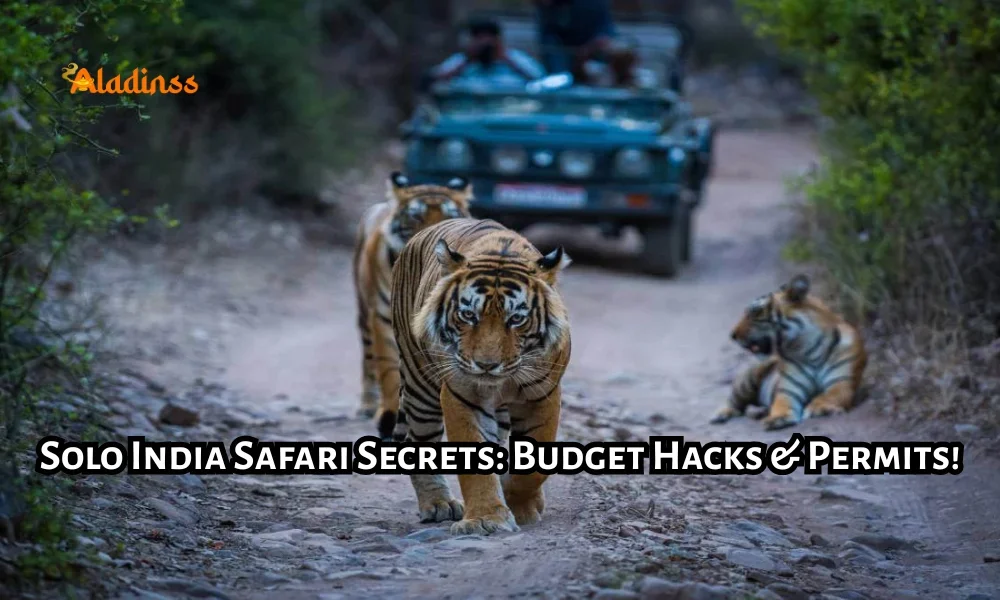
How to Plan a Solo Trip to India’s National Parks - Budget, Permits & Best Time
Planning a solo trip to India’s national parks is an exhilarating adventure that combines wildlife thrill, serene landscapes, and personal discovery. From the dense jungles of Jim Corbett to the arid expanses of Ranthambore, India’s 106 national parks offer unmatched biodiversity. This guide helps solo travelers navigate budget planning, permit processes, and the best time to visit India’s national parks for an unforgettable experience without breaking the bank.
Solo travel in India’s wildlife sanctuaries demands careful preparation. You’ll need to factor in park entry fees, safari costs, accommodation, and transportation while ensuring safety and compliance with regulations. Whether you’re a first-time visitor or seasoned explorer, understanding seasonal patterns and permit systems can transform your journey into a seamless, rewarding escape into nature.
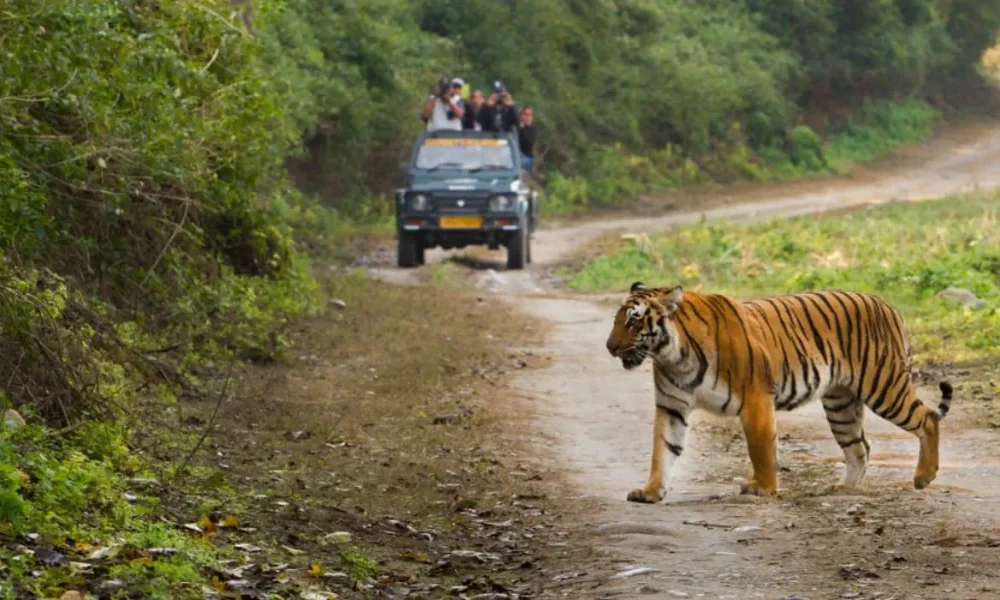
The allure of spotting a Royal Bengal tiger in the wild or witnessing thousands of migratory birds in Keoladeo draws thousands annually. But solo travelers enjoy unique freedom setting their pace, choosing early morning safaris, and immersing deeply in the wilderness. With smart planning, a budget solo trip to India’s national parks can cost as low as ₹15,000-₹25,000 for a 4-day itinerary, including travel, stays, and safaris.
Choosing the Right National Park for Solo Travelers
Not all parks suit solo travelers equally. Jim Corbett National Park in Uttarakhand stands out as the most solo-friendly destination. Its well-developed infrastructure, multiple entry gates, and frequent public bus connectivity from Delhi make logistics easy. The Bijrani and Dhikala zones offer high tiger sighting probability, and forest rest houses provide affordable stays inside the park.
Ranthambore in Rajasthan follows closely, especially for those seeking dramatic landscapes and tiger photography. The park’s proximity to Jaipur and availability of shared jeeps reduce costs. However, avoid peak winter (December-January) if crowd aversion is a priority solo travelers often prefer shoulder seasons like October or March for quieter safaris.
For bird enthusiasts, Keoladeo Ghana National Park (Bharatpur) offers a cyclist-friendly terrain. Rent a bicycle for ₹50/day and explore over 370 bird species independently. The park remains open year-round, but monsoon (July-September) transforms it into a waterbird paradise. Bandipur in Karnataka and Kaziranga in Assam also welcome solo visitors with guided walks and elephant safaris, though permits require advance booking.
Best Time to Visit India’s National Parks
Timing defines your wildlife experience. Most parks follow a seasonal calendar:
- October-February (Winter): Ideal for tiger parks like Corbett, Ranthambore, and Bandhavgarh. Cool temperatures (5-25°C) keep animals active near waterholes. Book 90 days in advance permits sell out fast.
- March-June (Summer): Best for guaranteed big cat sightings. Temperatures soar (35-45°C), but thirsty predators frequent water bodies. Early morning safaris (5:30 AM) beat the heat.
- July-September (Monsoon): Many parks close due to flooding, but open ones like Bharatpur and Sundarbans offer lush greenery and fewer tourists. Budget travelers save up to 40% on accommodation.
Solo travelers should prioritize shoulder seasons October and March. Lower crowds, moderate weather, and discounted rates create perfect conditions. Avoid Holi and Diwali weeks; domestic tourist surges inflate prices and reduce safari availability.
Understanding Permits and Booking Systems
India’s national parks operate under strict permit quotas to control human impact. Each safari jeep or canter requires a separate permit mentioning vehicle type, zone, and date. Solo travelers can book through official state tourism portals or authorized agents.
Core steps for solo national park permit booking:
- Visit the park’s official website (e.g., corbett.nic.in, ranthamborenationalpark.in).
- Create an account with ID proof (Aadhaar, passport, or driver’s license).
- Select date, zone, and safari shift (morning/afternoon).
- Pay online fees range ₹1,500-₹4,500 per jeep (6 seats). Solo travelers can join shared jeeps to split costs.
- Carry printed permit and ID on safari day.
Some parks like Kaziranga require elephant safari permits booked on-site one day prior. Arrive early (6 AM) to secure spots. Third-party platforms like JungleSafariBooking.com offer convenience but charge 10-15% extra. For budget travelers, direct booking saves money and avoids middlemen risks.
Budget Breakdown for a 4-Day Solo Trip
A realistic budget solo trip to India’s national parks balances cost and comfort. Here’s a sample for Jim Corbett (Bijrani zone):
- Travel (Delhi-Ramnagar-Delhi): Sleeper bus ₹800 round trip
- Local transport: Shared jeep to park gate ₹200
- Accommodation (3 nights): Forest rest house dormitory ₹600/night = ₹1,800
- Safaris (2 jeep safaris): Shared seat ₹800 × 2 = ₹1,600
- Park entry fees: ₹450 × 2 = ₹900
- Meals (3 days): ₹400/day = ₹1,200
- Miscellaneous: Guide tip, water, snacks ₹500
- Total: ₹7,000 (extendable to Ranthambore under ₹10,000)
Luxury seekers can opt for resorts outside park boundaries (₹3,000-₹8,000/night), but solo budget travelers thrive in government rest houses and homestays. Book dormitories 45 days ahead via the forest department portal.
Transportation Options for Solo Travelers
Reaching remote national parks solo requires strategic planning:
- Trains: Indian Railways connects major park gateways (Ramnagar for Corbett, Sawai Madhopur for Ranthambore). Book Tatkal 24 hours prior if plans change.
- Buses: State transport and private volvo services run overnight from Delhi, Mumbai, and Bangalore. RedBus offers real-time tracking.
- Flights + cabs: Fly to nearest airport (Pantnagar for Corbett, Jaipur for Ranthambore), then hire prepaid taxis (₹1,500-₹2,500 one way).
- Self-drive: Permitted in buffer zones; carry pollution certificate and follow speed limits (20 kmph inside park).
Inside parks, gypsies and canters are mandatory for safaris. Solo travelers should request front seats during booking for better visibility and photography angles.
Safety Tips for Solo Safari Explorers
Wildlife zones demand vigilance. Follow these solo traveler safety tips for India’s national parks:
- Never exit the vehicle during safaris.
- Carry a whistle and pepper spray in homestays (for stray dogs, not wildlife).
- Share live location with family via WhatsApp.
- Avoid night walks outside fenced properties.
- Drink only bottled water; carry oral rehydration salts.
Female solo travelers report high safety in government accommodations with 24-hour forest guards. Connect with local women’s cooperatives for guided village walks adds cultural depth without compromising security.
Packing Essentials for Wildlife Adventure
Pack light but smart:
- Earth-tone clothing (avoid bright colors)
- Binoculars (8x42 recommended)
- 600mm lens or superzoom camera
- Power bank and offline maps
- Valid ID and permit printouts
- Insect repellent and sunscreen (SPF 50)
- Reusable water bottle and energy bars
Monsoon travelers need rain covers; winter visitors require fleece jackets for 4 AM safaris. Label luggage with contact details lost items often return via forest staff networks.
Sample 4-Day Itinerary for Jim Corbett
Day 1: Overnight bus from Delhi (10 PM) → Reach Ramnagar 5 AM → Check into forest rest house → Afternoon Bijrani safari
Day 2: Morning Dhikala safari → Visit Garjiya Devi Temple → Evening nature walk (buffer zone)
Day 3: Full-day exploration in Jhirna zone → Photography workshop with local guide
Day 4: Sunrise birding → Bus back to Delhi (arrive 8 PM)
This itinerary maximizes sightings while keeping costs under ₹8,000. Adapt for other parks by swapping safari zones and travel modes.
Sustainable Practices for Responsible Solo Travel
Leave no trace carry waste bags, avoid single-use plastic, and respect animal distance (minimum 20 meters). Support local economies by hiring registered guides and buying handmade souvenirs from forest-adjacent villages. Offset carbon footprint by planting a tree through park-affiliated NGOs (₹100 per sapling).
Your solo trip to India’s national parks can inspire conservation. Share experiences on social media with #WildIndiaResponsible to amplify eco-tourism messages. Every mindful traveler contributes to protecting these pristine habitats for future generations.
Facebook Comments












-
 Explore the upcoming Tamil film Maaman - cast, sto...
 -
 Read the ACE (2025) movie review starring Vijay Se...
 -
 Check out Maaman's 1st day box office collection a...
 -
 Explore tourist family reviews for Maaman movie –...
Popular Posts
Vote / Poll
Recent Posts




Recommended Posts

-
 Discover the best schools in Nagercoil f...
 -
 Discover the top-rated preschools in Nag...
 -
 Explore the best schools in Nagercoil th...

Comment / Reply From