IndiGo Flight Disruptions Continue for Fifth Consecutive Day
IndiGo Flight Disruptions Continue for Fifth Consecutive Day
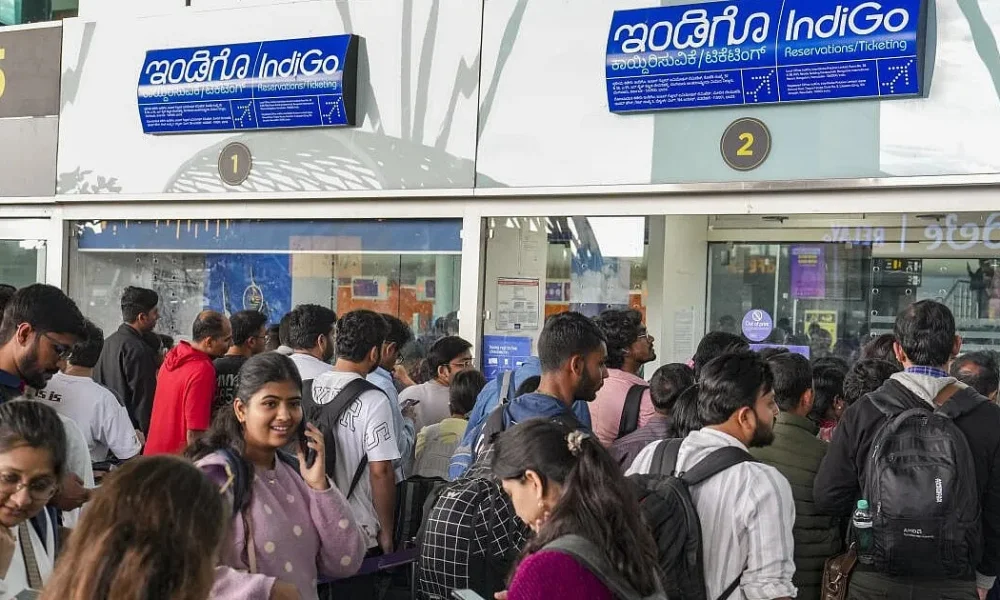
IndiGo’s operational crisis stretched into its fifth consecutive day on December 6, 2025, as the airline continued to cancel a significant number of flights across India. Despite temporary relaxations in flight duty and rest regulations for cockpit crew, the carrier was forced to cancel over 400 flights from major airports. This sustained disruption has had a direct impact on domestic air travel, leaving travellers anxious, frustrated and uncertain about their schedules, especially as the cancellations followed a day when more than 1,000 flights were scrapped nationwide.
The ongoing situation has highlighted the delicate balance between flight safety norms, crew rest requirements and operational efficiency. IndiGo, one of India’s largest airlines, found itself struggling to realign schedules and rosters after the implementation of new duty time regulations. Even with interim relief from the aviation regulator, the chain reaction of delays, cancellations and reassignments continued to ripple through the network, turning December 6 into yet another day of uncertainty for passengers across multiple cities.
Overview of the Ongoing IndiGo Flight Crisis
The disruptions that began earlier in the week escalated into a full-fledged operational crisis, with IndiGo entering Day 5 of widespread cancellations and schedule changes. What started as an issue linked to new flight duty time limitations and pilot rest norms soon turned into a nationwide concern, as passengers across metros and tier-2 cities reported sudden cancellations, last-minute alerts and crowded airline counters. The scale and duration of the crisis have raised serious questions about contingency planning, crew management and the pace at which airlines adapt to regulatory changes, especially when they directly affect pilot rosters.
For many travellers, the most challenging aspect has not only been the cancellation itself but also the unpredictability of the situation. With flights being withdrawn from the schedule at short notice, passengers have had to rearrange meetings, family events, business travel and connecting journeys. The ripple effects extended to airport infrastructure as well, with long queues at check-in counters, customer service desks and rebooking points, all adding to the stress of what should have been routine domestic flights during a busy travel period.
Major Cancellations Across Key Indian Airports
On December 6, 2025, the brunt of IndiGo’s cancellations was felt at four major airports: Bengaluru, Mumbai, Delhi and Hyderabad. Bengaluru recorded the highest number of impacted flights, with 124 services cancelled, underscoring the pressure on one of India’s busiest domestic hubs. Mumbai, another critical node in the country’s aviation network, saw 109 cancellations, while the national capital Delhi recorded 106. Hyderabad added to the list of affected cities, with 66 flights being called off, further tightening connectivity across the southern region.
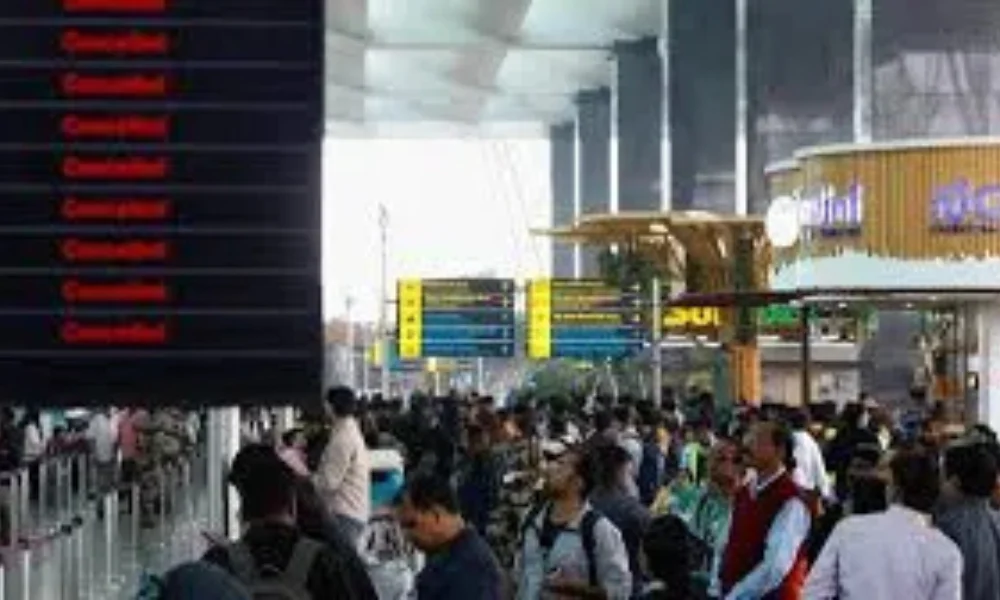
These cancellations did not just affect point-to-point travellers but also those relying on IndiGo’s extensive network for same-day connections. Many passengers who had planned multi-leg itineraries through these major airports faced forced stopovers, missed onward connections and long waiting hours. The cumulative effect was a palpable sense of disruption across terminals, where departure boards showed long lists of cancelled or rescheduled flights, and announcements about operational adjustments became a constant background to the travel experience.
CEO Pieter Elbers’ Apology and Promise of Fewer Cancellations
After several days of silence, IndiGo CEO Pieter Elbers addressed passengers through a video message on December 5, a day when the airline had cancelled over 1,000 flights. In his one-way communication, he apologised for the extensive inconvenience caused and acknowledged the seriousness of the disruptions. The message came at a time when social media and airport terminals were filled with complaints, visuals of long queues and accounts of travellers struggling to adjust their plans, making the CEO’s intervention both important and closely watched.
Elbers also indicated that the airline was expecting fewer cancellations on December 6, following temporary regulatory relief. His assurance aimed to restore some level of confidence among flyers who had begun to question the reliability of scheduled services. While the number of cancelled flights did come down compared with the previous day, the continued disruption across multiple airports made it clear that the recovery from such a large-scale operational imbalance would not be immediate and would require gradual stabilisation of crew rosters and schedules.
DGCA Relief and the Role of New Pilot Duty Norms
The Directorate General of Civil Aviation (DGCA) stepped in with temporary relief for IndiGo by partially rolling back some elements of the new flight duty time limitations for pilots. The definition of night duty was adjusted from the extended window of midnight to 6 a.m. back to midnight to 5 a.m., and pilots were allowed to undertake up to six night landings instead of the earlier limit of two. These relaxations were introduced in response to the immediate operational strain while keeping overall safety considerations in mind.
The underlying issue, however, is rooted in the implementation of new fatigue management norms, which were framed to enhance pilot rest and flight safety. IndiGo had been among the first carriers to oppose the new FDTL norms when they were announced with a March 2024 implementation timeline. As the airline adjusted rosters and schedules to comply with the updated rules, the mismatch between available crew and planned schedules became more evident, eventually leading to large-scale cancellations and the operational turbulence seen in early December 2025.
Disruptions at Pune Airport Leave Travellers Stranded
Pune Airport, which operates from an Indian Air Force base, witnessed its own share of disruption as 42 IndiGo flights were cancelled between Friday and midnight leading into Saturday. The cancellations included 14 inbound and 28 outbound flights, affecting services to and from cities such as Indore, Delhi, Nagpur, Guwahati, Patna, Varanasi, Chennai and Chandigarh. For many travellers, the sudden loss of connectivity from Pune meant long waits at the terminal, unexpected hotel stays or the need to arrange alternative transport at short notice.
The impact was particularly severe for passengers travelling for time-sensitive purposes such as medical appointments, exams, business meetings or family functions. With limited alternative non-stop options on some of these routes, rebooking became challenging. Airline counters remained crowded as passengers sought refunds, rescheduling and clarity on when normal operations would resume. The situation at Pune reflected how disruptions at a single airline, when large enough in scale, can significantly affect regional air connectivity and the confidence of local travellers.
Mixed Operational Status in Jammu and Srinagar
In Jammu and Kashmir, the situation presented a mixed picture for IndiGo passengers on December 6. At Jammu Airport, the airline announced the resumption of nine out of its eleven scheduled flights, bringing relief to travellers who had been stranded due to earlier cancellations. The partial restoration of services helped ease some of the backlog, allowing passengers to finally proceed with journeys that had been postponed or repeatedly rescheduled over the previous days.
Srinagar, however, faced fresh setbacks. The airline had been scheduled to operate 36 flights from the Srinagar International Airport, split evenly between arrivals and departures. Owing to ongoing rostering issues, IndiGo cancelled seven arriving and seven departing services, while another flight operated by a different airline was also cancelled. As a result, nearly half of the planned movements were affected, disrupting travel plans for tourists, students, local residents and business travellers who rely on Srinagar for regional connectivity.
Wider Impact on Passenger Confidence and Airline Reputation
The prolonged disruption has inevitably affected passenger confidence in IndiGo’s reliability, at least in the short term. Many travellers who experienced repeated cancellations or last-minute changes are likely to factor this episode into their future booking decisions, especially for critical or time-bound journeys. For a carrier that built its brand on punctuality, high frequency and dependable service, the current crisis marks a significant test of resilience, communication strategy and customer relationship management in the face of operational stress.
At the same time, the situation has brought broader issues in Indian aviation into focus, including crew scheduling practices, fatigue management and the pace of regulatory change. Travellers, regulators and airlines will all be closely watching how rapidly IndiGo is able to restore full operations, stabilise its rosters and regain the trust of passengers. For now, the fifth day of disruptions serves as a reminder of how tightly interlinked safety norms, crew welfare and operational planning are in the daily functioning of modern air travel.
Guidance for Passengers Caught in the IndiGo Disruptions
For passengers whose flights have been affected by the ongoing IndiGo disruptions, it remains important to stay updated on the latest status of their bookings, keep digital copies of tickets and receipts, and carefully track communications from the airline. Many travellers may qualify for rescheduling assistance or refunds under the airline’s policies, and documenting the sequence of cancellations can make it easier to resolve issues later. Those with essential travel may also consider flexible timings or alternate routes, especially through less affected airports, until the situation fully stabilises.
As IndiGo works to realign schedules and as relief measures from the regulator continue to take effect, the expectation is that the number of cancellations will gradually reduce. However, the fifth continuous day of disruption underlines the scale of the challenge involved in rebalancing pilot duty rosters across a large domestic network. Until normalcy is fully restored, passengers across Delhi, Mumbai, Bengaluru, Hyderabad, Pune, Jammu, Srinagar and other affected airports will continue to closely follow every update, treating each fresh announcement as an important indicator of how quickly India’s busiest airline can return to steady, predictable operations.
Facebook Comments














-
 Explore the upcoming Tamil film Maaman - cast, sto...
 -
 Read the ACE (2025) movie review starring Vijay Se...
 -
 Check out Maaman's 1st day box office collection a...
 -
 Explore tourist family reviews for Maaman movie –...
Popular Posts
Vote / Poll
Recent Posts




Recommended Posts

-
 Discover the best schools in Nagercoil f...
 -
 Discover the top-rated preschools in Nag...
 -
 Explore the best schools in Nagercoil th...

Comment / Reply From