CJI Shoe Attack: Lawyer's Divine Defense
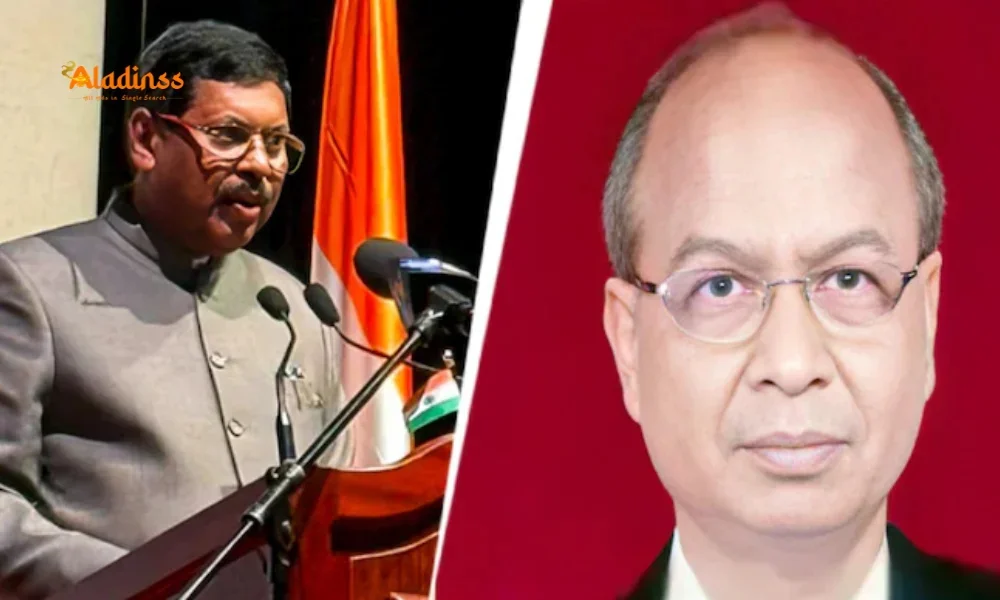
CJI Shoe Attack: Elderly Lawyer Claims Divine Impulse, No Regret for Court Outburst
The CJI shoe attack incident has gripped the nation, with 71-year-old advocate Rakesh Kishore expressing zero remorse for his audacious attempt to hurl footwear at Chief Justice of India BR Gavai within the hallowed halls of the Supreme Court. Residing in Delhi's Mayur Vihar, Kishore attributed his actions to a compelling "divine force," declaring his willingness to embrace incarceration if it aligns with his convictions. This dramatic lawyer attacks CJI episode, unfolding on October 6, 2025, stems from deep-seated outrage over the CJI's judicial observations in the Khajuraho Vishnu idol restoration plea, compounded by remarks from a recent international address. As the Supreme Court grapples with the fallout, Kishore's unyielding stance-coupled with his family's distress-raises profound questions about the intersection of faith, fervor, and judicial decorum in India's apex court.
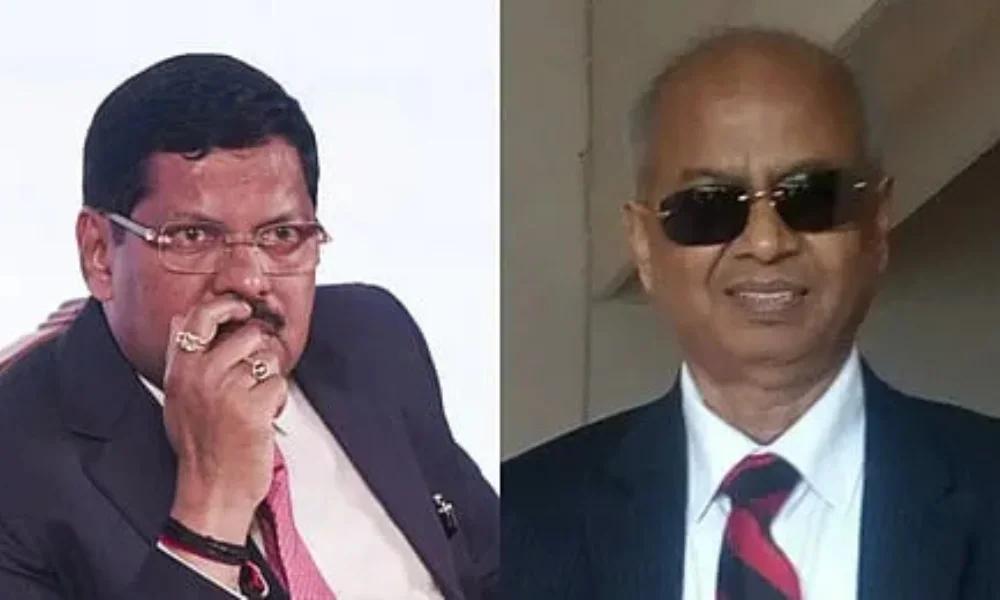
Kishore, a veteran of the legal fraternity, recounted sleepless nights haunted by what he perceived as an affront to Sanatana Dharma, triggered by the CJI's handling of the ancient artifact's revival bid. "The almighty questioned my rest amid such disrespect," he confided, underscoring a spiritual torment that propelled him to the courtroom confrontation. Despite the gravity, authorities released him after a thorough three-hour interrogation, as the Supreme Court administration opted against formal charges, opting instead for internal reviews to fortify premises security.
Unrepentant Advocate: From Courtroom Fury to Familial Strain
In the wake of the CJI attack Supreme Court drama, Kishore remains steadfast, insisting his outburst was devoid of political undertones-a pure manifestation of devotional zeal. "It would be preferable if I were behind bars," he lamented, highlighting the emotional toll on his kin, who grapple with incomprehension over his radical display. This personal rift mirrors broader societal divides, where reverence for heritage clashes with modern judicial pragmatism, leaving families torn between loyalty and legacy.
The septuagenarian's narrative paints a portrait of unrelenting conviction, rooted in nightly divine dialogues that eclipsed rational restraint. His readiness to confront consequences exemplifies a rare blend of legal acumen and unbridled piety, prompting reflections on how personal beliefs infiltrate professional sanctums like the judiciary.
The Dramatic Courtroom Confrontation Unfolds
The shoe hurling attempt transpired amid routine case mentions before a bench of CJI BR Gavai and Justice KV Chandran, transforming a mundane session into mayhem. As per eyewitness accounts from fellow advocates, Kishore advanced toward the judicial dais, deftly slipping off his shoe in a bid to launch it at the presiding judge. Vigilant security swiftly neutralized the threat, ushering him out amid echoes of his fervent cry: "Sanatana ka apman nahi sahega Hindustan" (India will not tolerate the disrespect of Sanatana Dharma).
CJI Gavai, lauded for his equanimity, quelled the ripples with composure: "Don't get distracted by all this. We are not distracted. These things do not affect me." This unflappable response not only diffused immediate tensions but also reinforced the judiciary's bulwark against provocations, ensuring proceedings resumed without further ado. The episode, captured in fleeting videos circulating online, has since amplified debates on courtroom protocols and advocate conduct.
Roots of Rage: The Khajuraho Vishnu Idol Controversy
At the epicenter of Kishore's ire lies the September 2025 hearing on reinstating a severed seven-foot Lord Vishnu idol at Madhya Pradesh's Javari Temple, nestled within the UNESCO-listed Khajuraho complex-a jewel of Chandela-era architecture symbolizing eternal devotion. The petition, seeking governmental directives for reconstruction, was unceremoniously dismissed by the CJI-led bench as a "publicity interest litigation," eliciting the now-infamous quip: "Go and ask the deity himself to do something. If you are a strong devotee, pray and meditate."
These words, laced with sarcasm, ignited a firestorm on social media, with critics decrying them as dismissive of cultural patrimony. In response to the backlash, CJI Gavai clarified his reverence for all faiths, emphasizing that judicial wit does not equate to irreverence. The case, emblematic of tensions between heritage preservation and legal pragmatism, underscores ongoing battles over temple restorations amid urban encroachments and archaeological debates.
Mauritius Speech: The Additional Spark
Compounding the idol verdict's sting was CJI Gavai's address in Mauritius, where he extolled India's adherence to the rule of law over "bulldozer justice"-a veiled nod to controversial demolitions in states like Uttar Pradesh. Kishore interpreted this as further erosion of dharma, fueling his nocturnal unrest and culminating in the courtroom audacity. This global platform remark, intended to showcase constitutional ethos, inadvertently amplified domestic fault lines on vigilantism versus vigilantism.
- Khajuraho's Javari Temple: A 11th-century marvel housing intricate Vishnu sculptures, vandalized in antiquity.
- PIL Dismissal: Bench cited lack of locus standi, urging petitioners toward spiritual rather than statutory recourse.
- Online Backlash: Hashtags like #RespectSanatana trended, blending critique with calls for judicial sensitivity.
- CJI Clarification: Post-hearing note affirmed interfaith harmony, mitigating perceptions of bias.
The dual triggers illustrate how judicial pronouncements ripple into public psyche, particularly on sacred symbols, challenging the delicate equilibrium between bench authority and believer sentiments.
Judicial Poise and Security Overhaul in Wake of Assault
CJI Gavai's serene demeanor post-incident has earned accolades, embodying the judiciary's resilience against individual ire. His directive to refocus on merits exemplifies a legacy of unflinching impartiality, honed through landmark rulings on everything from electoral bonds to environmental safeguards. Yet, the breach exposes vulnerabilities in the Supreme Court's layered defenses, prompting an internal audit of access protocols and advocate screenings.
Delhi Police's interrogation revealed no prior threats, classifying the act as impulsive rather than orchestrated. With charges waived, Kishore walks free, but the event catalyzes discussions on contempt laws and emotional literacy in legal training, ensuring such fervor finds voice through ballots, not boots.
Broader Echoes: Faith, Law, and Public Trust
This saga transcends one man's shoe; it probes the fraying threads between religion and reason in secular India. The Khajuraho plea, dismissed amid rising temple tourism-drawing 1.5 million pilgrims annually-highlights heritage's economic heft, with restorations boosting local livelihoods. Kishore's divine rationale echoes historical precedents, from Gandhi's satyagraha to modern vigilantism, questioning where piety ends and provocation begins.
As the Bar Council deliberates ethical guidelines, the incident fortifies calls for mindfulness modules in law curricula, blending jurisprudence with empathy. CJI Gavai's Mauritius discourse, meanwhile, reaffirms global perceptions of India's legal fortitude, countering narratives of majoritarian overreach.
- Supreme Court Security: Enhanced AI surveillance and advocate ID verifications proposed.
- Sanatana Advocacy: Rise in PILs on cultural icons, balancing devotion with due process.
- Judicial Wit: Debates on humor's place in verdicts, post-Khajuraho sarcasm.
- Family Impact: Kishore's kin seek counseling, underscoring collateral emotional costs.
Also Read: Balaji ED Case: Court Delays Witness
In the end, the CJI shoe attack saga illuminates the judiciary's pivotal role as society's mirror-reflecting rifts, yet resilient in resolution. As Kishore contemplates his celestial summons, the court presses on, a bastion of balance amid brewing storms of belief.
Expanding the lens, such episodes parallel global tensions, from US courthouse disruptions to European blasphemy trials, affirming India's democratic maturity. With Gavai at the helm until 2027, his tenure promises fortified faiths in justice's impartial gaze, turning tempests into teachable tenets.
Facebook Comments









-
 Explore the upcoming Tamil film Maaman - cast, sto...
 -
 Read the ACE (2025) movie review starring Vijay Se...
 -
 Check out Maaman's 1st day box office collection a...
 -
 Explore tourist family reviews for Maaman movie –...
Popular Posts
Vote / Poll
Recent Posts



Recommended Posts

-
 Discover the best schools in Nagercoil f...
 -
 Discover the top-rated preschools in Nag...
 -
 Explore the best schools in Nagercoil th...

Comment / Reply From