Top Mileage Cars in India Best Fuel Efficient Daily Use
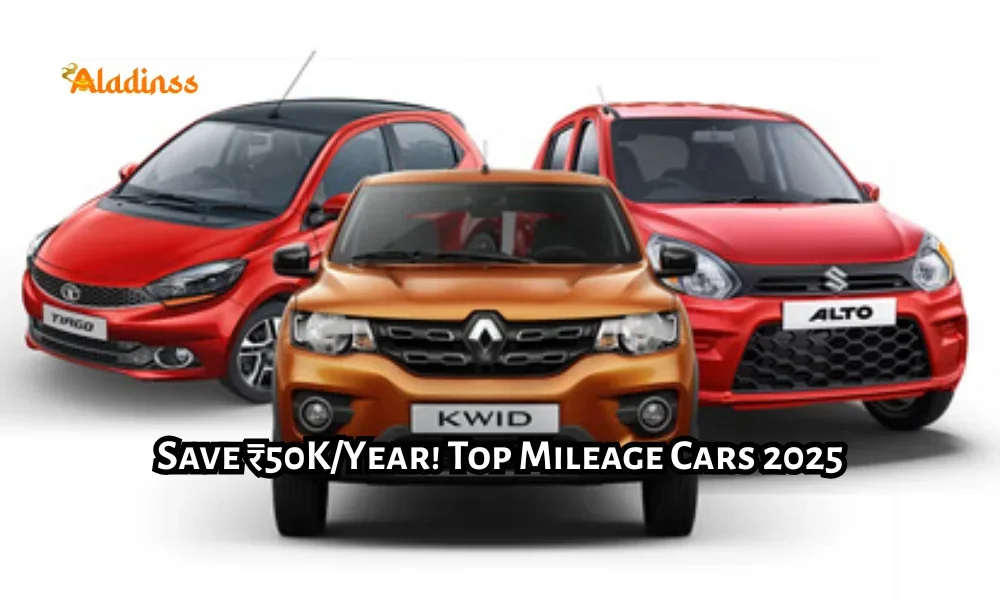
Top Mileage Cars in India – Best Fuel-Efficient Cars for Daily Use
Fuel prices in India continue to rise, making top mileage cars a priority for daily commuters and long-distance travelers alike. In 2025, automakers are delivering groundbreaking efficiency through hybrid systems, turbocharged engines, and lightweight materials. This guide ranks the best fuel-efficient cars for daily use, comparing real-world mileage, running costs, and performance to help you save thousands annually on fuel.
From compact hatchbacks to family sedans and SUVs, the Indian market offers diverse options that deliver 20–30 kmpl without compromising comfort or safety. Advanced technologies like mild-hybrid assistance, CVT transmissions, and aerodynamic designs ensure every drop of fuel is maximized.
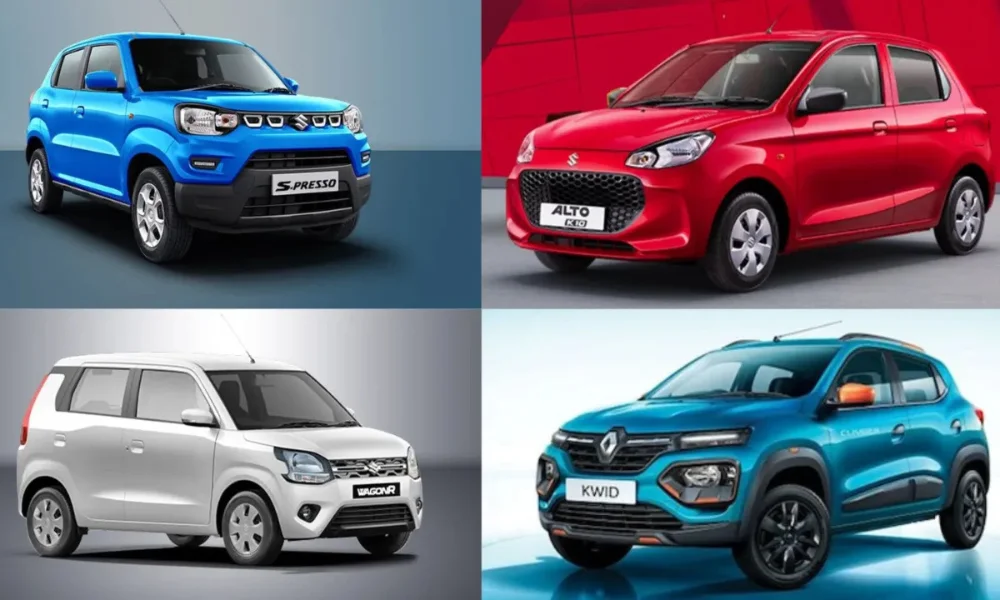
Real-world testing under Indian traffic conditions reveals significant differences between ARAI claims and actual mileage. This analysis uses data from owner reports, fuel logs, and independent tests to provide accurate per-kilometer costs and annual savings for daily 50 km commuters.
Top 10 Fuel-Efficient Cars in India 2025
Here are the top mileage cars in India dominating sales and owner satisfaction in 2025:
- Maruti Suzuki Dzire Tour S CNG – 32.1 km/kg, ₹7.49 lakh, 1.2L dual-jet
- Maruti Suzuki Swift CNG – 31.5 km/kg, ₹7.89–9.29 lakh, 82 PS
- Toyota Glanza Mild Hybrid – 30.6 kmpl, ₹8.78–10.89 lakh, 1.2L K-Series
- Hyundai Aura CNG – 28.4 km/kg, ₹8.65–9.85 lakh, factory-fitted
- Honda City e:HEV – 27.1 kmpl, ₹19.99–20.99 lakh, strong hybrid
- Maruti Suzuki Baleno Delta Hybrid – 26.8 kmpl, ₹8.43–9.98 lakh, smart hybrid
- Tata Altroz iCNG – 26.2 km/kg, ₹7.59–10.65 lakh, twin-cylinder tech
- Hyundai Verna Turbo – 20.6 kmpl, ₹14.99–17.49 lakh, 1.5L T-GDi
- Skoda Slavia 1.0 TSI – 19.8 kmpl, ₹13.49–17.99 lakh, manual
- Volkswagen Virtus 1.0 TSI – 19.6 kmpl, ₹13.99–18.49 lakh, 6-speed MT
Maruti Suzuki continues to lead with CNG and mild-hybrid technology, offering the lowest running costs. The Dzire Tour S CNG achieves ₹2.8–3.0 per km in city conditions, making it unbeatable for commercial and personal use.
CNG vs Petrol vs Hybrid: Running Cost Comparison
CNG remains the most economical fuel at ₹78–85/kg across major cities. Top CNG cars deliver 28–32 km/kg, translating to ₹2.5–3.0 per km. Petrol variants at ₹95–105/liter and 18–22 kmpl cost ₹4.5–5.8 per km, while strong hybrids like Honda City e:HEV achieve ₹3.8–4.2 per km with superior refinement.
A daily 50 km commuter saves ₹45,000–55,000 annually with CNG over petrol, and ₹25,000–30,000 with hybrids. Payback on the ₹1–1.5 lakh premium for CNG/hybrid variants occurs within 2–3 years.
Real-World Mileage Under Indian Conditions
ARAI figures are tested under ideal conditions. Real-world data from 2025 owner reports shows:
- Dzire CNG: 26–28 km/kg (city), 29–31 km/kg (highway)
- Swift CNG: 25–27 km/kg (city), 28–30 km/kg (highway)
- Glanza Hybrid: 23–25 kmpl (city), 27–29 kmpl (highway)
- City e:HEV: 22–24 kmpl (city), 25–27 kmpl (highway)
- Altroz iCNG: 22–24 km/kg (city), 25–27 km/kg (highway)
Factors like traffic density, AC usage, and driving style impact efficiency by 15–20%. Smooth acceleration, 40–60 km/h cruising, and proper tire pressure maximize returns.
Engine Technology & Efficiency Features
Modern engines incorporate dual VVT, high-compression ratios, and friction reduction. Maruti’s K-Series with SHVS mild-hybrid adds torque fill and idle start-stop, improving city mileage by 10–12%. Toyota’s self-charging hybrid system in Glanza recovers 40% braking energy.
CNG models feature factory-fitted kits with ECU calibration, maintaining performance while reducing emissions by 25%. Tata’s twin-cylinder technology in Altroz places one tank under the boot floor, preserving 345L luggage space.
Maintenance & Long-Term Reliability
CNG cars require spark plug replacement every 20,000 km and filter checks every 10,000 km, adding ₹2,000–3,000 annually. Hybrid batteries come with 8-year/1.6 lakh km warranties. Maruti’s service network ensures parts availability within 24 hours across India.
Five-year maintenance for a Swift CNG totals ₹18,000–22,000 versus ₹25,000–30,000 for petrol. Resale value retention stands at 60–65% after three years due to high demand for fuel-efficient models.
Safety & Comfort Features
All listed cars achieve 4–5 star Global NCAP ratings with dual airbags, ABS, and EBD standard. Premium variants include 360° cameras, TPMS, and hill-hold assist. Honda City e:HEV offers Level-2 ADAS with adaptive cruise and lane-keeping.
Spacious cabins, touchscreen infotainment, and connected car tech enhance daily usability. The Dzire and Aura provide 378L boot space despite CNG tanks, while Baleno offers 318L with a full-size spare.
CNG Infrastructure & Availability
Over 6,500 CNG stations operate nationwide, with 1,200+ in Maharashtra and 900+ in Gujarat. Major highways feature pumps every 40–60 km. Home CNG compressors like Physeo and Mahanagar Gas units refill 8–10 kg overnight for ₹1,200–1,500 monthly investment.
Average queue time is 5–10 minutes in urban areas. Apps like MyCNG and IndianOil provide real-time availability and digital payments, reducing refill hassle.
Turbo Petrol Efficiency in Premium Segment
1.0L TSI engines from Skoda and Volkswagen deliver 115–120 PS with 18–20 kmpl real-world mileage. Cylinder deactivation and 6-speed manuals optimize highway efficiency. The Slavia achieves 22+ kmpl at 80–100 km/h cruising speeds.
Premium hatches like Hyundai i20 N Line and Tata Altroz Racer offer 18–19 kmpl with sporty dynamics, proving efficiency and performance can coexist in the sub-₹15 lakh segment.
Future of Fuel Efficiency in India
Upcoming strong hybrids from Maruti (Grand Vitara, Brezza) and Toyota (Urban Cruiser) promise 28–30 kmpl in mid-size SUVs. Flex-fuel technology supporting E20 and E85 blends will further reduce dependency on pure petrol.
The top mileage cars in India for daily use combine proven CNG, smart hybrids, and efficient turbo engines to deliver unmatched economy. Whether you choose the ultra-frugal Dzire CNG or refined City hybrid, savings of ₹40,000–60,000 annually make these the smartest mobility investments in 2025.
Facebook Comments











-
 Explore the upcoming Tamil film Maaman - cast, sto...
 -
 Read the ACE (2025) movie review starring Vijay Se...
 -
 Check out Maaman's 1st day box office collection a...
 -
 Explore tourist family reviews for Maaman movie –...
Popular Posts
Vote / Poll
Recent Posts




Recommended Posts

-
 Discover the best schools in Nagercoil f...
 -
 Discover the top-rated preschools in Nag...
 -
 Explore the best schools in Nagercoil th...

Comment / Reply From