Best Scooters in India Daily Commute Price Mileage
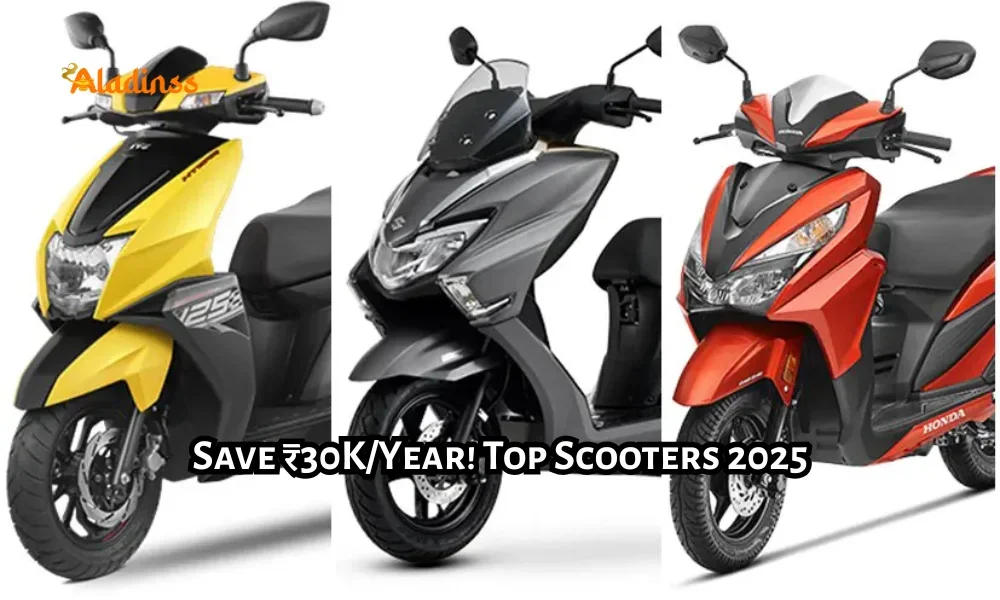
Best Scooters in India for Daily Commute – Price, Mileage & Features
With rising fuel costs and congested city roads, best scooters in India for daily commute have become the go-to choice for millions. In 2025, the two-wheeler market offers highly efficient, feature-packed models that deliver 50–70 kmpl, agile handling, and low maintenance. This guide compares top scooters on price, real-world mileage, performance, and urban practicality to help you pick the perfect ride.
From iconic Honda Activa to tech-loaded TVS Jupiter 125, manufacturers are integrating digital clusters, smartphone connectivity, and silent-start systems. Lightweight construction and optimized engines ensure smooth navigation through traffic while keeping running costs under ₹1.5 per km.
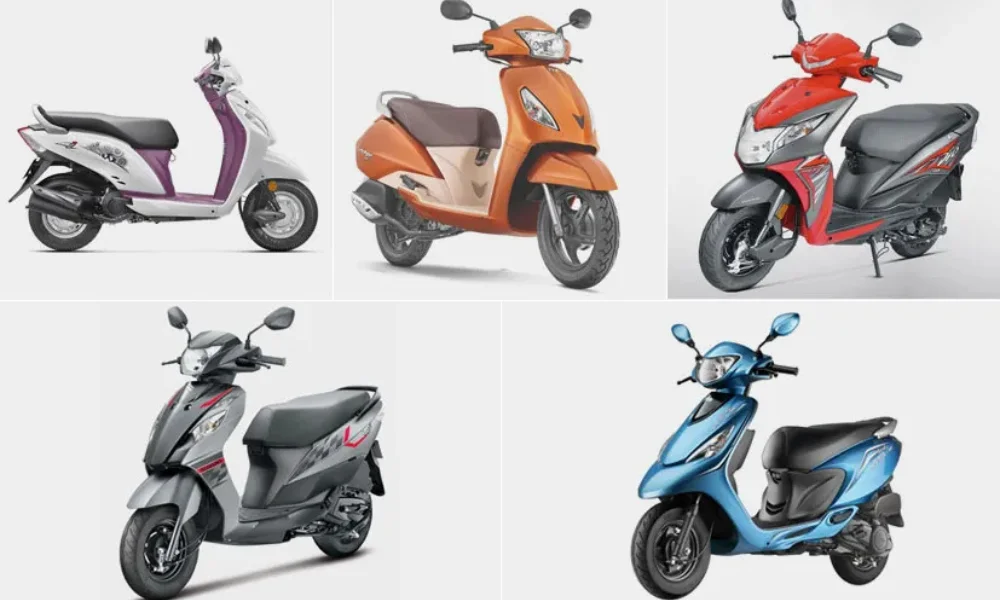
Daily commuters prioritize reliability, service network density, and resale value. Brands like Honda, TVS, and Hero dominate with extensive dealerships and spare parts availability. Real-world tests under Indian conditions—potholes, heat, and stop-go traffic—reveal true efficiency and durability.
Top 10 Scooters for Daily Commute in India 2025
Here are the best scooters for daily commute leading in sales, owner satisfaction, and value:
- Honda Activa 6G Deluxe – ₹78,900, 55 kmpl, 7.79 PS, 109.51 cc
- TVS Jupiter 125 SmartXonnect – ₹86,600, 57 kmpl, 8.15 PS, disc brake
- Suzuki Access 125 SE – ₹84,800, 56 kmpl, 8.7 PS, LED headlamp
- Hero Pleasure+ Xtec – ₹79,400, 58 kmpl, 8.0 PS, projector LED
- Yamaha Fascino 125 Fi Hybrid – ₹82,300, 60 kmpl, 8.2 PS, mild hybrid
- Honda Dio Sports – ₹76,900, 55 kmpl, 7.76 PS, digital cluster
- TVS Ntorq 125 Race XP – ₹96,800, 54 kmpl, 10.2 PS, Bluetooth
- Suzuki Burgman Street 125 – ₹96,300, 53 kmpl, 8.6 PS, maxi-scooter
- Hero Destini 125 Xtec – ₹81,500, 56 kmpl, 9.0 PS, i3S tech
- Yamaha Ray ZR 125 Fi Hybrid – ₹87,400, 58 kmpl, 8.2 PS, sporty design
Honda Activa retains over 50% market share with unmatched reliability and service reach. The Activa 6G features silent start, telescopic suspension, and a 5.3L fuel tank, ideal for 40–60 km daily runs.
Price vs Mileage Analysis
Per-kilometer cost is the ultimate metric. At ₹100/liter petrol, top scooters deliver:
- Yamaha Fascino: ₹1.67/km (60 kmpl)
- Hero Pleasure+: ₹1.72/km (58 kmpl)
- TVS Jupiter 125: ₹1.75/km (57 kmpl)
- Suzuki Access: ₹1.78/km (56 kmpl)
- Honda Activa 6G: ₹1.82/km (55 kmpl)
A 50 km daily commuter spends ₹2,500–3,000 monthly on fuel. Compared to bikes (40–45 kmpl), scooters save ₹800–1,200 per month. Premium models like Ntorq justify ₹10,000–15,000 higher price with performance and features.
Real-World Mileage in City Traffic
Owner-reported data from 2025 shows city mileage 10–15% below ARAI claims due to idling and AC usage:
- Activa 6G: 48–52 kmpl (city), 55–58 kmpl (highway)
- Jupiter 125: 50–54 kmpl (city), 58–60 kmpl (highway)
- Access 125: 49–53 kmpl (city), 56–59 kmpl (highway)
- Fascino Hybrid: 52–56 kmpl (city), 60–63 kmpl (highway)
- Ntorq 125: 45–48 kmpl (city), 52–55 kmpl (highway)
Eco riding—gradual acceleration, 40–50 km/h cruising, and engine braking—boosts efficiency by 8–10%. Regular air filter cleaning and 30 PSI tire pressure are critical for peak performance.
Engine & Technology Features
All 125cc scooters use fuel-injected engines with OBD-2 compliance for cleaner emissions. TVS SmartXonnect and Suzuki Ride Connect offer navigation, call alerts, and theft tracking. Yamaha’s mild-hybrid system adds 0.3 kmpl via start-stop and torque assist.
Silent start (Activa, Dio), external fuel fill (Jupiter, Access), and USB charging are now standard. LED lighting improves visibility and reduces battery load. Combi-braking system (CBS) enhances safety across variants.
Suspension & Ride Quality
Telescopic front forks (Activa, Jupiter) absorb potholes better than bottom-link (older models). Rear monoshock in Burgman and Ntorq ensures plush ride over speed breakers. Ground clearance of 155–165 mm prevents underbelly scrapes.
12-inch wheels (most models) balance stability and agility. Tubeless tires reduce puncture downtime. Wider floorboards in Access and Burgman accommodate bags and groceries comfortably.
Storage & Practicality
Under-seat storage ranges from 18L (Dio) to 21.5L (Jupiter, Access). Boot lights and USB ports enhance usability. Front glove box with charging (Pleasure+, Destini) adds convenience. Hook and bag holder support daily errands.
Foldable pillion footrests and side-stand engine cut-off improve safety. Digital-analog clusters display real-time mileage, distance-to-empty, and service reminders.
Maintenance & Service Costs
Service intervals are every 3,000–4,000 km or 6 months. Average cost per service:
- Honda: ₹400–600
- TVS/Suzuki: ₹450–650
- Hero/Yamaha: ₹350–550
Five-year maintenance totals ₹8,000–12,000. Engine oil (10W-30) costs ₹300–400 per liter. Parts like brake shoes (₹200), air filters (₹150), and belts (₹600) are widely available.
Resale Value & Ownership Experience
Activa retains 65–70% value after three years. Jupiter and Access follow at 60–65%. Online platforms report 40% higher demand for connected scooters. Insurance costs ₹2,500–3,500 annually (third-party + comprehensive).
Total 5-year ownership cost for Activa 6G is ₹1.05 lakh (fuel, service, insurance) vs ₹1.25 lakh for 110cc bikes—delivering ₹20,000 savings.
Safety & Build Quality
Metal body panels (Activa, Access) resist dents better than plastic. All models include CBS or UBS. Disc brake variants (Jupiter, Ntorq) reduce stopping distance by 15%. LED headlamps improve night visibility.
Side-stand indicators, pass switches, and engine kill switches are standard. Wider rear-view mirrors and grippy tires enhance control in wet conditions.
Future Trends in Scooters
Upcoming models will feature traction control, voice commands, and swappable batteries. Flex-fuel 125cc engines (E20 compatible) are under testing. TVS and Honda plan ethanol-blend variants by 2026.
The best scooters in India for daily commute in 2025 blend legendary reliability with modern tech. Whether you choose the evergreen Activa or feature-rich Jupiter, savings of ₹25,000–35,000 annually and hassle-free ownership make scooters the smartest urban mobility solution.
Facebook Comments










-
 Explore the upcoming Tamil film Maaman - cast, sto...
 -
 Read the ACE (2025) movie review starring Vijay Se...
 -
 Check out Maaman's 1st day box office collection a...
 -
 Explore tourist family reviews for Maaman movie –...
Popular Posts
Vote / Poll
Recent Posts




Recommended Posts

-
 Discover the best schools in Nagercoil f...
 -
 Discover the top-rated preschools in Nag...
 -
 Explore the best schools in Nagercoil th...

Comment / Reply From