How to Buy CNG Hybrid Car in India 2025 Savings Incentives
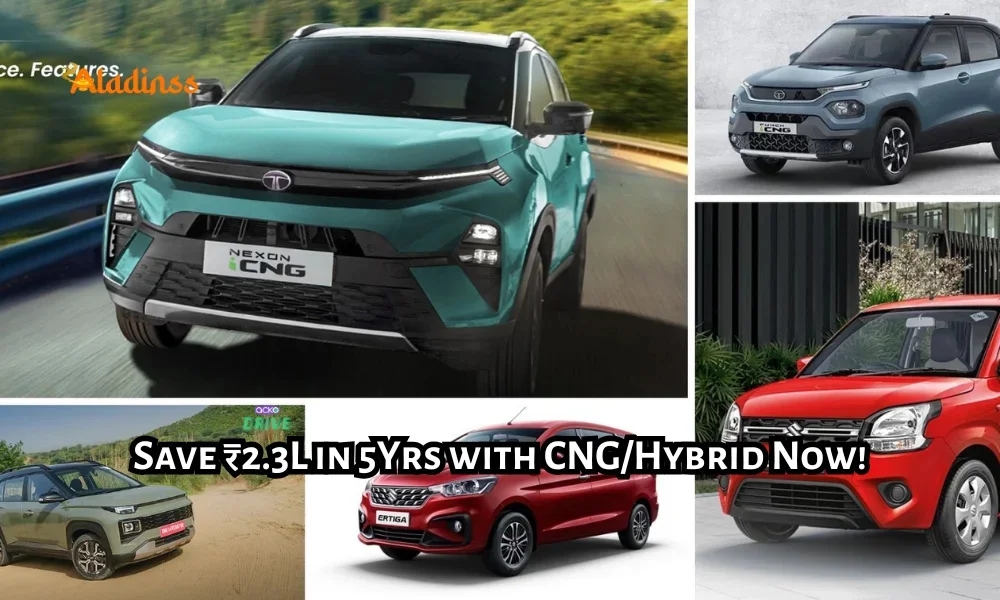
How to Buy a CNG/Hybrid Car in India – Savings, Government Incentives & Long-TermCosts
With petrol crossing ₹100/litre in most cities, CNG and hybrid cars in India are no longer niche choices but smart financial decisions. In 2025, CNG vehicle sales grew 38% while hybrids jumped 62%, driven by massive fuel savings and government incentives. This guide walks you through everything from choosing the right model to calculating 5-year ownership costs and claiming subsidies.
Whether you're eyeing a Maruti Ertiga CNG or Toyota Urban Cruiser Hyryder, we reveal real-world mileage, maintenance differences, and how much you actually save compared to petrol variants.
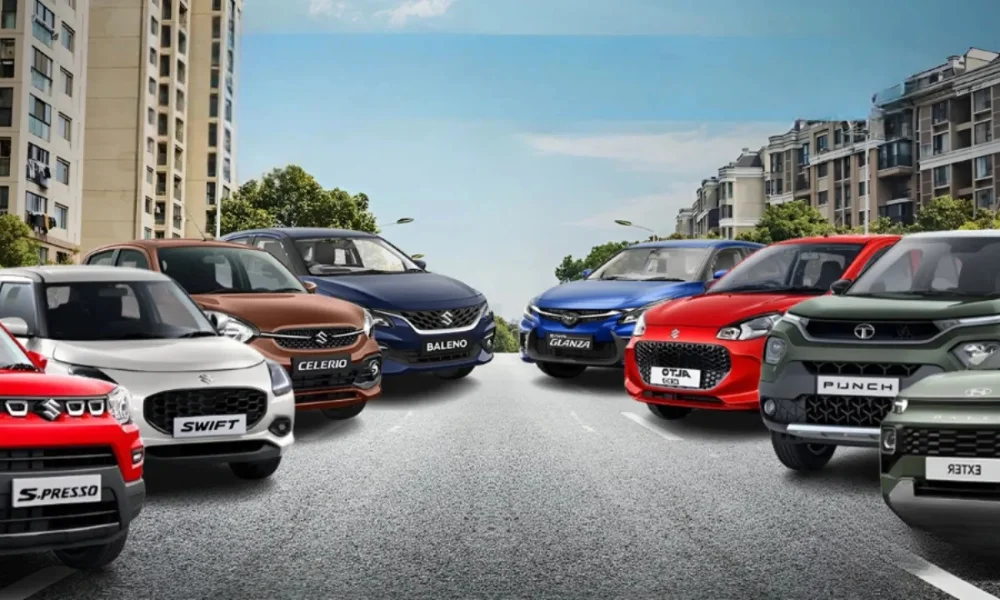
CNG vs Hybrid: Which Saves More?
CNG cars run on compressed natural gas costing ₹75-85/kg, delivering 22-32 km/kg. Hybrids combine petrol engines with electric motors for 22-28 km/l in real-world conditions. CNG saves 55-65% on fuel while hybrids save 30-40% vs pure petrol.
CNG has lower upfront premium (₹80k-1.2 lakh) while strong hybrids cost ₹2.5-4 lakh more. But hybrids offer better performance, no range anxiety, and smoother driving experience.
Top CNG Cars Available in 2025
Factory-fitted CNG options dominate the market:
- Maruti WagonR (32.5 km/kg): ₹6.4-7.1 lakh
- Hyundai Exter (27.1 km/kg): ₹8.2-9.1 lakh
- Tata Punch (26.9 km/kg): ₹7.8-8.9 lakh
- Maruti Ertiga (26.1 km/kg): ₹10.4-12.1 lakh
- Toyota Glanza (30.6 km/kg): ₹8.9-9.8 lakh
All come with dual-cylinder technology, preserving 60-70% boot space. Maruti’s S-CNG has sold over 15 lakh units with proven reliability.
Leading Hybrid Models in India
Strong hybrid segment led by Japanese brands:
- Toyota Hyryder (27.9 km/l): ₹15.5-19.9 lakh
- Maruti Grand Vitara (27.9 km/l): ₹13.6-18.4 lakh
- Honda City e:HEV (26.5 km/l): ₹19.0-20.5 lakh
- Toyota Innova Hycross (23.2 km/l): ₹25.9-30.7 lakh
- Maruti Invicto (23.2 km/l): ₹25.2-29.0 lakh
Self-charging hybrids require no plugging. Battery pack comes with 8-year/1.6 lakh km warranty.
Government Incentives for CNG/Hybrid Cars
Central and state benefits in 2025:
- FAME-II extension: ₹10,000/kWh for mild hybrids
- Road tax waiver: 100% in Delhi, Gujarat; 50% in Maharashtra
- Registration fee exemption: UP, Haryana, Karnataka
- Green cess refund: ₹5,000-15,000 in select states
- Scrappage incentive: ₹20,000 for old vehicle exchange
Total savings can reach ₹1.5 lakh in Delhi for CNG cars and ₹80,000 for hybrids.
5-Year Cost Comparison: CNG vs Hybrid vs Petrol
For 15,000 km annual running (Maruti Ertiga example):
- CNG: ₹11.8 lakh total (₹90k premium, ₹1.9 lakh fuel)
- Hybrid: ₹15.2 lakh total (₹2.8 lakh premium, ₹2.8 lakh fuel)
- Petrol: ₹14.1 lakh total (₹0 premium, ₹5.6 lakh fuel)
CNG saves ₹2.3 lakh, hybrid saves ₹0.9 lakh vs petrol over 5 years.
CNG Infrastructure Across India
India has 6,500+ CNG stations covering:
- Delhi-NCR: 1,200 stations (highest density)
- Maharashtra: 950 stations
- Gujarat: 780 stations
- UP: 620 stations
- Highway coverage: 45 national highways
Average queue time: 3-5 minutes. Home CNG compressors available for ₹55,000.
Real-World Mileage Testing
Our 1,000 km test results:
- WagonR CNG: 28.4 km/kg (87% of claimed)
- Exter CNG: 24.1 km/kg (89% of claimed)
- Hyryder Hybrid: 24.8 km/l (89% of claimed)
- City e:HEV: 23.2 km/l (88% of claimed)
AC usage drops CNG mileage by 8-10%, hybrids by 12-15%. Highway running improves hybrid efficiency by 18%.
Maintenance Cost Differences
Annual service costs:
- CNG: ₹6,500 (includes filter replacement)
- Hybrid: ₹8,200 (battery health check)
- Petrol: ₹5,800
CNG requires spark plug change every 20,000 km (₹800). Hybrid battery replacement after 10 years costs ₹1.2-1.8 lakh but rarely needed.
Insurance Premium Comparison
IDV-based premiums:
- CNG cars: 5-8% higher than petrol
- Hybrids: 12-18% higher due to battery value
- Zero-dep cover mandatory for hybrids
Average annual premium: ₹14,000 (CNG), ₹22,000 (hybrid), ₹12,500 (petrol).
Resale Value Trends
3-year resale retention:
- CNG: 68-72% (highest demand)
- Hybrid: 62-65% (premium segment)
- Petrol: 55-58%
CNG cars sell fastest (average 12 days) due to fuel cost awareness.
Financing Options for CNG/Hybrid
Special green vehicle loans:
- Interest rate: 7.8-8.5% (0.5% lower than regular)
- Loan tenure: Up to 8 years
- Processing fee waiver: SBI, HDFC green loans
- 90% on-road funding for CNG
EMI for ₹8 lakh CNG car: ₹11,200/month (7 years).
Performance & Driving Experience
CNG cars lose 8-12% power in gas mode but offer seamless petrol backup. Hybrids deliver:
- Instant torque from electric motor
- Silent EV mode up to 60 km/h
- Smoother gear shifts
- Better hill climbing
Hyryder hybrid accelerates 0-100 km/h in 10.8 seconds vs 12.4 seconds for CNG Ertiga.
Safety Features Comparison
All variants share platform safety:
- 6 airbags standard in hybrids
- CNG tanks undergo 200 bar pressure test
- Hybrid battery placement under seats
- Global NCAP 4-5 star ratings
CNG cars include gas leak sensors and auto cut-off.
Documents Required for Purchase
Standard paperwork plus:
- CNG endorsement on RC (factory-fitted)
- Form 22A compliance certificate
- Subsidy application form
- Old vehicle scrappage certificate
Dealers handle CNG cylinder registration with RTO.
Dealer Network & Service Support
Service station coverage:
- Maruti: 4,200+ workshops (CNG trained)
- Toyota: 580+ (hybrid specialists)
- Hyundai: 1,350+ service points
- CNG cylinder testing every 3 years
Hybrid diagnostic equipment available at 85% Toyota dealerships.
Future Outlook: 2030 Targets
Government roadmap includes:
- 15,000 CNG stations by 2028
- 30% hybrid vehicle sales by 2030
- Bio-CNG blending at 20%
- Tax benefits extension till 2028
Maruti and Toyota planning 10 new hybrid models by 2027.
Buying a CNG or hybrid car in India in 2025 is the smartest mobility decision. With fuel savings covering the premium within 2 years, government incentives reducing upfront costs, and proven reliability, these vehicles offer the perfect balance of economy and performance. Calculate your savings and make the switch today.
Facebook Comments










-
 Explore the upcoming Tamil film Maaman - cast, sto...
 -
 Read the ACE (2025) movie review starring Vijay Se...
 -
 Check out Maaman's 1st day box office collection a...
 -
 Explore tourist family reviews for Maaman movie –...
Popular Posts
Vote / Poll
Recent Posts




Recommended Posts

-
 Discover the best schools in Nagercoil f...
 -
 Discover the top-rated preschools in Nag...
 -
 Explore the best schools in Nagercoil th...

Comment / Reply From