Best Electric Cars in India 2025 Price Range Comparison
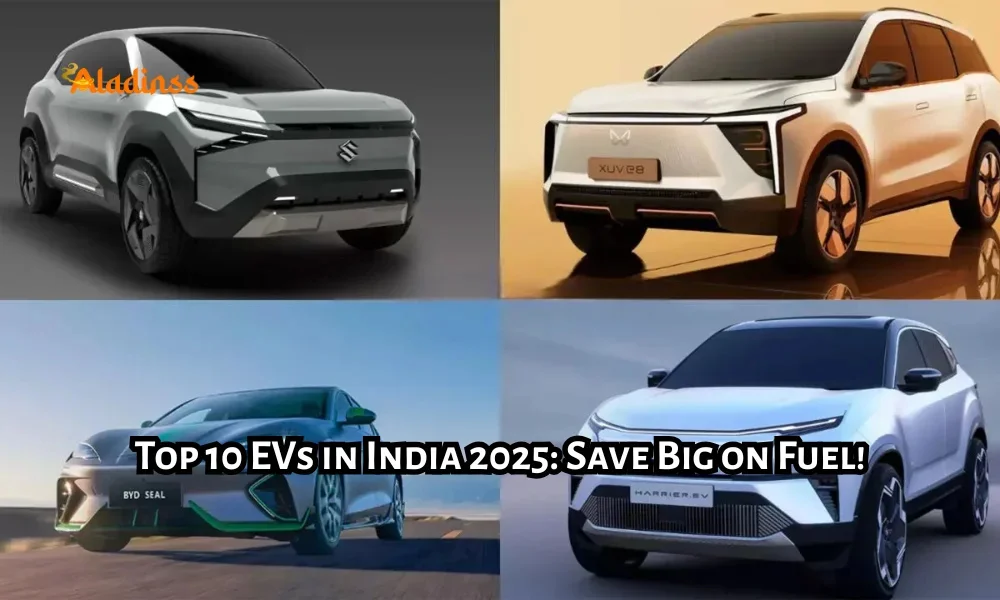
Best Electric Cars in India (2025) – Price, Range, Charging Cost Comparison
The electric vehicle revolution is accelerating in India, and 2025 marks a pivotal year for sustainable mobility. With government incentives, improved charging infrastructure, and innovative models, best electric cars in India are now more accessible than ever. Consumers are prioritizing range, charging costs, and performance while making eco-conscious choices. This comprehensive guide compares top electric cars available in 2025, analyzing price, real-world range, charging efficiency, and ownership economics to help you make an informed decision.
From compact city commuters to premium long-range SUVs, the Indian EV market offers diverse options across budget segments. Leading automakers like Tata Motors, MG, Hyundai, and Mahindra dominate with feature-rich, locally optimized models. Rapid charging networks and falling battery prices have reduced range anxiety, making EVs viable for daily commutes and highway journeys alike.
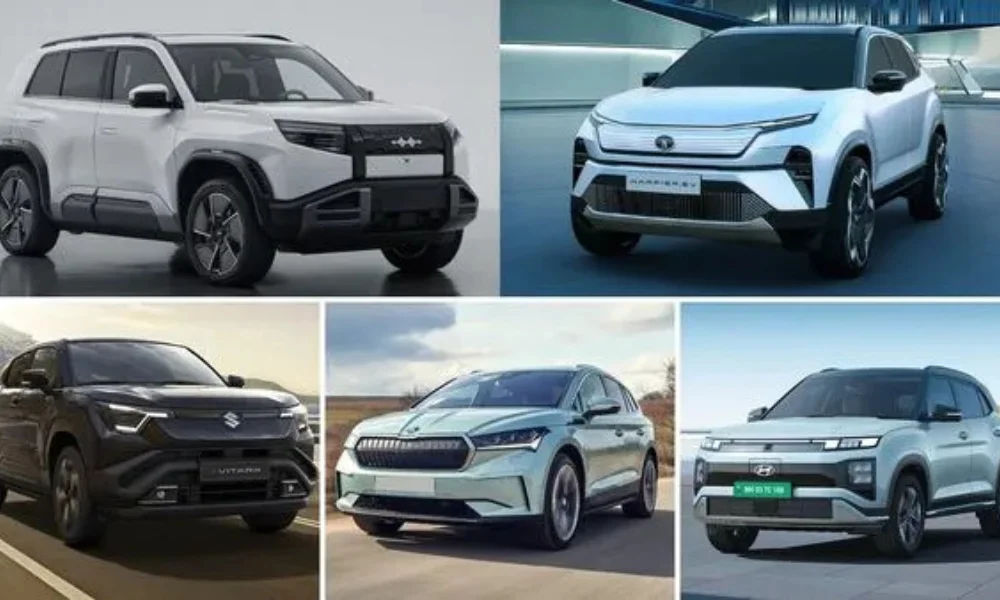
Understanding charging costs is crucial for EV ownership. At average residential tariffs of ₹7–8 per unit, a full charge for a 40 kWh battery costs approximately ₹280–320, delivering 200–250 km of range. Public fast chargers, though convenient, increase costs by 40–60%. This guide breaks down per-kilometer expenses, helping buyers compare EVs with petrol and diesel counterparts effectively.
Top 10 Electric Cars in India 2025
The electric cars in India 2025 lineup features advanced battery management, regenerative braking, and connected car technologies. Here are the standout models leading sales and consumer preference:
- Tata Nexon EV Max – ₹16.49–19.49 lakh, 465 km range, 3.3 kW/7.2 kW/50 kW charging
- MG ZS EV Executive – ₹18.98–25.44 lakh, 461 km range, 7.4 kW/50 kW support
- Hyundai Kona Electric – ₹23.79–23.94 lakh, 452 km range, CCS2 fast charging
- Mahindra XUV400 Pro – ₹15.49–19.39 lakh, 456 km range, 7.2 kW AC charging
- BYD Atto 3 Superior – ₹33.99 lakh, 521 km range, 80 kW DC fast charging
- Tata Curvv EV Empowered – ₹17.49–21.99 lakh, 502 km range, V2L capability
- MG Comet EV Pace – ₹6.99–9.84 lakh, 230 km range, compact urban commuter
- Hyundai Creta Electric – ₹19.99–24.99 lakh (est.), 450+ km range, ADAS suite
- Kia EV6 GT-Line – ₹60.95–65.95 lakh, 708 km range, ultra-fast 350 kW charging
- BMW iX1 LWB – ₹66 lakh (est.), 440 km range, luxury EV benchmark
Tata Motors commands over 65% market share with reliable, cost-effective models. The Nexon EV Max delivers exceptional value with its 40.5 kWh battery, IP67 rating, and 6-airbag safety package. Real-world tests confirm 380–400 km range in mixed conditions, making it ideal for intercity travel.
Price vs Range Analysis
Price-per-kilometer of range is a critical metric for Indian buyers. The MG Comet EV offers the lowest cost at ₹3,040 per km of claimed range, while the Kia EV6 stands at ₹9,100 per km due to premium positioning. Mid-range options like Tata Curvv EV (₹4,180/km) and Mahindra XUV400 Pro (₹3,950/km) strike the best balance between affordability and performance.
Sub-₹20 lakh EVs now deliver 400+ km range, eliminating the premium penalty once associated with electric mobility. Government subsidies under FAME-III and state-level incentives further reduce effective costs by ₹1.5–3 lakh, depending on battery capacity and vehicle segment.
Charging Cost Breakdown (Per km)
Home charging remains the most economical option. At ₹7.5/unit, top models achieve:
- Tata Nexon EV Max – ₹1.05/km (40.5 kWh, 385 km real range)
- MG ZS EV – ₹1.15/km (50.3 kWh, 420 km real range)
- Hyundai Kona – ₹1.25/km (39.2 kWh, 380 km real range)
- Mahindra XUV400 Pro – ₹1.00/km (39.4 kWh, 375 km real range)
- BYD Atto 3 – ₹1.30/km (60.48 kWh, 480 km real range)
Compared to petrol cars averaging ₹7–9/km and diesel at ₹5–6/km, EVs save 75–85% on fuel costs. A daily 50 km commuter saves ₹25,000–30,000 annually, recovering the price premium within 4–5 years.
Battery Technology & Warranty
Modern lithium-ion batteries with LFP chemistry dominate 2025 models, offering 2,000+ charge cycles and 70% capacity retention after 8 years. Manufacturers provide:
- Tata: 8 years/1.6 lakh km (Nexon, Curvv)
- MG: 8 years/1.5 lakh km (ZS EV, Comet)
- Hyundai/Kia: 8 years/1.6 lakh km (Kona, EV6)
- Mahindra: 8 years/1.5 lakh km (XUV400)
- BYD: Lifetime warranty for first owner (Atto 3 blade battery)
Advanced thermal management prevents degradation in Indian heat, with active liquid cooling in premium models and passive systems in mass-market EVs maintaining efficiency above 90% even at 45°C ambient temperatures.
Performance & Driving Dynamics
Electric motors deliver instant torque, transforming urban driving. The Tata Curvv EV accelerates 0–100 km/h in 8.6 seconds, while the Kia EV6 achieves 5.2 seconds with 585 Nm torque. Regenerative braking extends range by 15–20% in city traffic, with adjustable levels via paddle shifters in premium models.
Lower center of gravity from floor-mounted batteries improves handling. The MG ZS EV and Hyundai Creta Electric offer multiple drive modes (Eco, Normal, Sport), adapting power delivery and climate control for efficiency or performance based on driver preference.
Charging Infrastructure Growth
India’s public charging network expanded to 25,000+ stations by Q3 2025, with 7,500+ fast chargers. Major highways feature 60 kW+ stations every 50–70 km. Home charging solutions include:
- 3.3 kW portable (12–14 hours full charge)
- 7.2 kW wallbox (5–7 hours)
- 50–80 kW DC fast (30–45 min to 80%)
Apps like PlugShare and Statiq provide real-time availability, while vehicle telematics predict charging stops on long routes. Solar-compatible home chargers reduce effective costs to ₹3–4/unit in daylight hours.
Safety & Connected Features
All listed EVs achieve 4–5 star Global NCAP ratings with structural reinforcements for battery protection. Standard ADAS in mid-variants includes AEB, lane keep assist, and adaptive cruise control. Connected features enable remote climate pre-conditioning, geo-fencing, and over-the-air updates enhancing functionality throughout ownership.
The best electric cars in India 2025 now rival ICE vehicles in refinement while offering silent cabins, minimal vibrations, and lower maintenance no engine oil, filters, or clutch replacements required. Service intervals extend to 15,000–20,000 km, reducing downtime and costs by 60% compared to traditional cars.
Resale Value & Total Ownership Cost
EV resale values have stabilized at 55–65% after three years, supported by battery warranties and growing demand. Platforms like Spinny and Cars24 report 30% higher inquiries for used Tata Nexon EVs versus comparable petrol SUVs. Insurance premiums are 15–20% lower due to fewer moving parts and repair network maturity.
Five-year ownership cost for a Tata Nexon EV Max totals ₹19.5 lakh (including charging, maintenance, insurance), versus ₹24.8 lakh for a petrol Creta delivering ₹5.3 lakh in savings. Premium models like BYD Atto 3 save ₹8–10 lakh over equivalents like Toyota Fortuner diesel.
Future-Proofing Your EV Purchase
Choose vehicles with CCS2 charging standard, V2L/V2G capability, and OTA update support. Models like Tata Curvv EV and Hyundai Creta Electric offer expandable digital ecosystems. Battery swapping stations, though limited, are expanding in urban centers MG and Tata pilot programs reduce charge time to 3 minutes for compatible packs.
The Indian EV market is projected to grow 45% YoY through 2027. Early adopters benefit from lower acquisition costs, locked-in incentives, and access to expanding infrastructure. Whether you prioritize urban efficiency, family utility, or highway performance, the best electric cars in India 2025 deliver compelling alternatives to fossil fuel vehicles with unmatched long-term savings and environmental impact.
Facebook Comments










-
 Explore the upcoming Tamil film Maaman - cast, sto...
 -
 Read the ACE (2025) movie review starring Vijay Se...
 -
 Check out Maaman's 1st day box office collection a...
 -
 Explore tourist family reviews for Maaman movie –...
Popular Posts
Vote / Poll
Recent Posts




Recommended Posts

-
 Discover the best schools in Nagercoil f...
 -
 Discover the top-rated preschools in Nag...
 -
 Explore the best schools in Nagercoil th...

Comment / Reply From