Discover Singapore The Only City That Is Also A Country
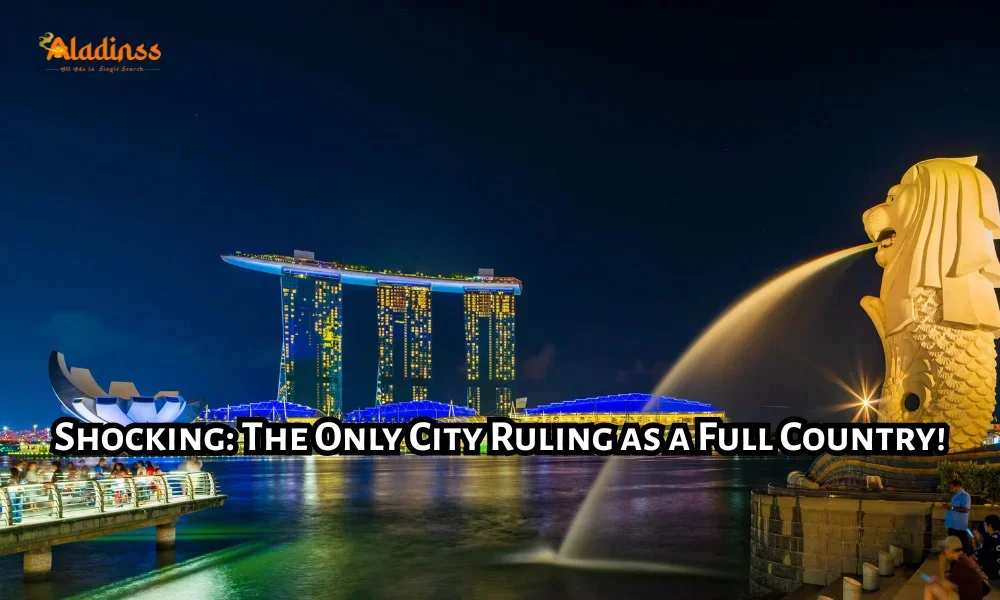
Discover the Only City That Doubles as a Sovereign Nation
Imagine a place where the entire country fits within the limits of one bustling metropolis. Among 195 sovereign nations worldwide, Singapore stands alone as the only city-state that operates both as a vibrant urban center and an independent country. This tiny yet powerful republic manages everything from governance to global trade within its compact borders, proving that size is no barrier to success.
Known officially as the Republic of Singapore, this island nation covers just 734 square kilometers but punches far above its weight in economy, innovation, and quality of life. Its unique structure eliminates provinces or states, allowing a single centralized authority to drive efficiency and rapid development. For travelers, investors, and curious minds, Singapore offers a fascinating model of urban excellence wrapped in national sovereignty.
What Makes Singapore a True City-State?
A city-state combines urban infrastructure with full national independence. Singapore embodies this concept perfectly. Unlike sprawling countries with multiple cities, Singapore’s territory is one continuous urban area. From residential neighborhoods to commercial districts, everything falls under one government. This setup streamlines decision-making and resource allocation.
The absence of rural provinces means every citizen lives in an urban environment with access to world-class amenities. Public housing reaches 80% of residents, while green spaces cover nearly half the land. This balance of density and livability sets Singapore apart as the ultimate city that is a country.
Historically, city-states like ancient Athens or Venice thrived through trade and strategic location. Modern Singapore follows suit, leveraging its position to become a global hub. Its ports handle more cargo than many larger nations, while financial districts rival London and New York.
Strategic Location Between Two Giants
Nestled at the southern tip of the Malay Peninsula, Singapore sits between Malaysia and Indonesia. The Johor Strait separates it from Malaysia, while the Singapore Strait connects the Indian Ocean to the South China Sea. This crossroads position made it a natural trading post centuries ago and continues to fuel its economy today.
Despite its modest size, the nation comprises one main island and over 60 smaller islets. Land reclamation has expanded its area by 25% since independence, showcasing innovative urban planning. The tropical climate brings year-round warmth, with temperatures averaging 27-31°C and high humidity.
Rainfall is abundant, supporting lush gardens and reservoirs that supply fresh water. The blend of natural beauty and engineered precision creates a unique environment where skyscrapers coexist with rainforest canopies.
Journey to Independence and Modern Governance
Singapore’s path to sovereignty began in 1819 as a British trading post. After World War II, it joined Malaysia in 1963 but separated in 1965 due to political differences. August 9 marks Independence Day, celebrated with parades and fireworks.
The government operates as a parliamentary republic. The Prime Minister leads the executive branch, while the President serves as head of state with veto powers over reserves. The People’s Action Party has dominated since independence, credited for stability and growth.
Strict laws maintain order, from chewing gum bans to severe penalties for vandalism. Yet, these rules contribute to safety Singapore consistently ranks among the world’s safest cities. Transparency International rates it as one of Asia’s least corrupt nations.
Economic Powerhouse in a Compact Package
Singapore boasts the world’s third-highest GDP per capita, exceeding $82,000 USD. Its economy thrives on finance, biotechnology, electronics, and logistics. The Port of Singapore handles over 37 million TEUs annually, making it the second-busiest by container volume.
Changi Airport connects to over 400 cities and wins “World’s Best Airport” awards regularly. The nation invests heavily in research, with agencies like A*STAR driving innovation. Foreign direct investment flows freely due to low taxes and business-friendly policies.
The Singapore dollar ranks among the strongest currencies globally. Reserves exceed $400 billion, providing a buffer against crises. Unemployment stays below 3%, while education produces a skilled workforce ready for high-tech industries.
Sustainability initiatives include solar power targets and carbon pricing. The “Garden City” vision integrates nature into urban design, with vertical gardens and eco-friendly buildings reducing the carbon footprint.
Cultural Melting Pot with Four Official Languages
Singapore’s population of 5.7 million reflects diverse origins. Ethnic Chinese form 74%, Malays 13%, Indians 9%, and others 3%. This mix creates a rich cultural tapestry celebrated through festivals like Chinese New Year, Hari Raya, and Deepavali.
English serves as the lingua franca, alongside Malay (national language), Mandarin, and Tamil. Street signs appear in multiple scripts, and schools teach bilingual education. Food courts offer Hainanese chicken rice, laksa, and roti prata side by side.
Religious harmony is mandated by law. Mosques, temples, churches, and synagogues coexist peacefully. The government promotes racial integration through housing quotas ensuring mixed communities in public estates.
The Legend Behind the Lion City Name
The name “Singapore” derives from Sanskrit via Malay: “Singa” meaning lion and “Pura” meaning city. Legend tells of Prince Sang Nila Utama from Sumatra spotting a lion upon landing in the 14th century. Though lions never roamed the island (likely a tiger misidentification), the story stuck.
The Merlion statue a lion head on a fish body symbolizes this heritage and the city’s fishing village origins. It spouts water at Marina Bay, attracting millions of tourists yearly. The lion embodies courage, strength, and excellence reflected in national achievements.
Tourism and Iconic Landmarks
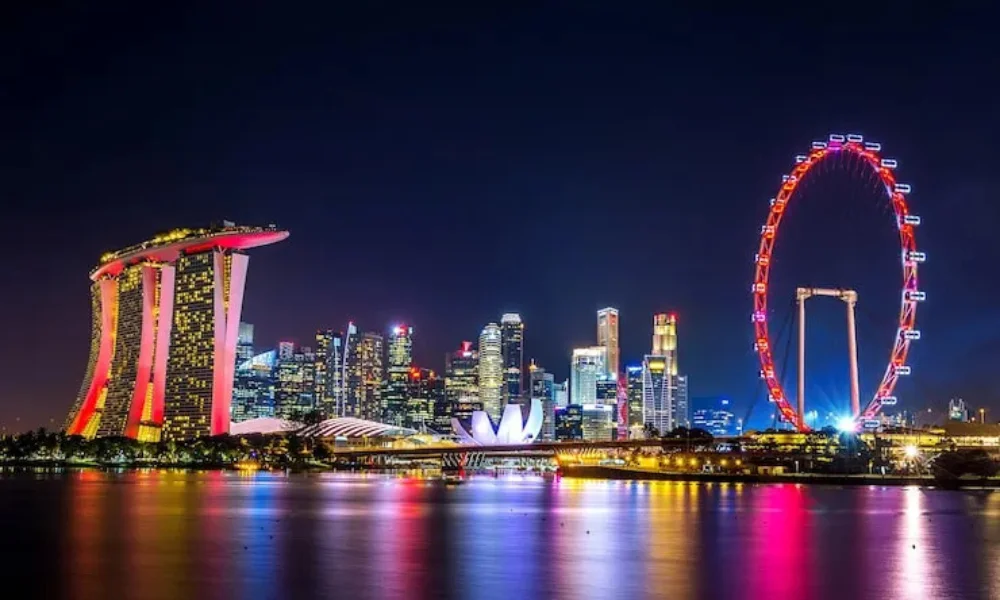
Singapore welcomed 19 million visitors in 2019, drawn to Marina Bay Sands, Gardens by the Bay, and Sentosa Island. The Supertree Grove lights up nightly, while Universal Studios offers thrills. Orchard Road satisfies shoppers with luxury brands and local boutiques.
Heritage districts like Chinatown, Little India, and Kampong Glam preserve history amid modernity. Hawker centers, awarded Michelin stars, serve affordable gourmet meals. Clean streets, efficient MRT trains, and contactless payments enhance the visitor experience.
Education and Innovation Hub
The National University of Singapore ranks among the top 10 globally. Compulsory education and merit-based scholarships produce talent for tech giants like Google and Grab, both headquartered locally. Coding is taught from primary school, preparing youth for digital economies.
Smart Nation initiatives deploy AI in traffic management, healthcare, and eldercare. Driverless buses and drone deliveries test future technologies. With 90% internet penetration, Singapore leads in digital readiness.
Challenges and Future Outlook
Limited land and reliance on imports pose challenges. Water security is addressed through NEWater recycling and desalination. An aging population requires immigration to sustain growth. Climate change threatens low-lying areas, prompting sea wall construction.
Yet, Singapore’s adaptability shines. The 2030 Green Plan aims for net-zero emissions. Underground expansion includes caverns for storage and amenities. As the only city that is also a country, Singapore continues redefining urban sovereignty.
From a modest trading post to a global icon, this Lion City proves that strategic vision and disciplined execution can transform constraints into strengths. Whether you seek business opportunities, cultural immersion, or simply marvel at efficient urban living, Singapore delivers an unforgettable experience in one compact, sovereign package.
Facebook Comments






-
 Explore the upcoming Tamil film Maaman - cast, sto...
 -
 Read the ACE (2025) movie review starring Vijay Se...
 -
 Check out Maaman's 1st day box office collection a...
 -
 Explore tourist family reviews for Maaman movie –...
Popular Posts
Vote / Poll
Recent Posts




Recommended Posts

-
 Discover the best schools in Nagercoil f...
 -
 Discover the top-rated preschools in Nag...
 -
 Explore the best schools in Nagercoil th...

Comment / Reply From