
Donald Trump's Travel Limitations Set to Widen to Over 30 Countries
Donald Trump's Travel Limitations Set to Widen to Over 30 Countries
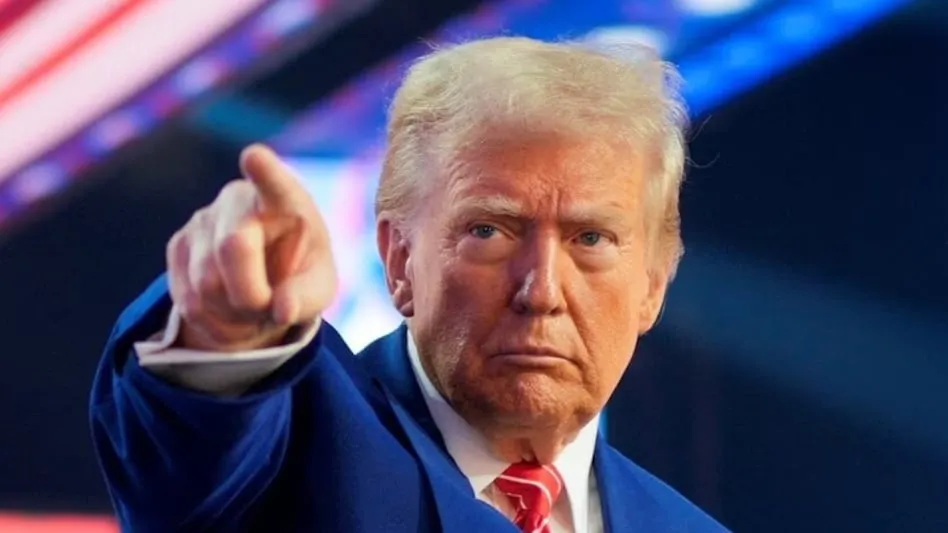
Donald Trump's administration is preparing to significantly widen its travel limitations, with Homeland Security Secretary Kristi Noem confirming that the United States intends to expand its list of restricted countries to more than thirty. According to Noem, the expansion will focus on countries that do not have a stable governing body and are therefore unable to provide reliable security information on individuals seeking to enter the US. While she has not disclosed the full list of affected nations, she emphasized that President Donald Trump is actively assessing the document and reviewing which countries pose the highest risk under the administration's new security standards.
The announcement comes at a moment of heightened national security concern, following a deadly shooting involving members of the National Guard in Washington DC. The move is being framed as a major policy step in the president's broader immigration and border security agenda during his current term. It also reflects a familiar pattern, as Trump once again turns to travel restrictions and stricter vetting as key tools to combat perceived threats. For readers following developments in US immigration, this marks one of the most significant breaking news updates in the ongoing debate on travel bans and asylum reforms.
Overview of the Expanded Travel Limitations
In her remarks, Homeland Security Secretary Kristi Noem stated that the updated travel roster will comprise countries that do not have a stable governing framework and cannot effectively assist US authorities in vetting travelers or asylum seekers. These are governments that, in the view of the administration, either lack the capacity or the willingness to share crucial security and criminal background data. By targeting such nations, the new policy aims to reduce the risk that individuals with dangerous intentions might enter the United States under refugee, asylum, or other immigration programs.
Noem clarified that she would not be specific on the exact number or list of countries but confirmed that the figure is above thirty. She further explained that the president continues to evaluate which governments meet the criteria for inclusion. This ongoing assessment suggests that the travel limitations may evolve over time, with new states potentially being added or reclassified as the security situation in those regions changes. For now, the message from the administration is clear: only countries able to partner credibly on security screening will enjoy relatively open access to US travel opportunities.
Rationale for Extending the Travel Restrictions
The immediate trigger for the proposed expansion was a fatal shooting in Washington DC, which has reignited concerns about the vetting of foreign nationals admitted under earlier resettlement and refugee initiatives. Homeland Security officials argue that the incident exposed vulnerabilities in previous screening regimes and underscored the importance of stronger safeguards. As a result, the administration is presenting the broadened travel restrictions as a necessary response to national security risks rather than a purely political move.
In an interview with a major television network, Noem repeated that the leadership seeks to prevent entry from countries that cannot reliably participate in background examinations. According to her argument, if a foreign government cannot confirm the identity, criminal record, or security risk of an individual, the United States has to assume a more cautious posture. This line of reasoning is consistent with the administration's public messaging that national security comes first and that travel, asylum, and migration processes must be restructured to reflect that priority.
Washington DC Shooting Event and Its Impact on Policy
The Washington DC shooting that pushed this issue to the forefront involved an attack on members of the National Guard near the heart of the US capital. The assailant, identified as Rahmanullah Lakanwal, a twenty nine year old Afghan citizen, opened fire, resulting in the death of one National Guard member and leaving another gravely injured. The shocking nature of the assault, and its location in one of the most heavily monitored areas in the country, intensified public scrutiny of immigration and vetting procedures.
The incident was quickly framed as a national security failure rather than an isolated criminal act. For critics of previous screening systems, it became a symbol of what they describe as systemic weaknesses in refugee and ally relocation programs. For the Trump administration, it offered a concrete example to justify a halt, reassessment, or tightening of existing immigration pathways, particularly those connected to conflict zones and high risk regions.
Operation Allies Welcome and the Suspect's Entry into the US
Lakanwal entered the United States in 2021 as part of Operation Allies Welcome, a federal relocation initiative created to resettle Afghans who assisted US forces and officials during the long conflict in Afghanistan. The program was designed as an emergency humanitarian and strategic effort, offering refuge to interpreters, support staff, and others who faced danger after the withdrawal of international troops. Many of these individuals were seen as trusted partners, which added urgency to their evacuation and resettlement.
However, the shooting has prompted officials to revisit how individuals admitted through such programs were screened and monitored over time. While Operation Allies Welcome was initially presented as a moral obligation and strategic necessity, the attack has raised questions about whether the urgency of the situation led to compromises in background checks. The renewed focus on this program feeds directly into the broader narrative that more rigorous, ongoing assessments are needed for all entrants from high risk or unstable regions.
Trump's Reaction and Tribute to the National Guard Members
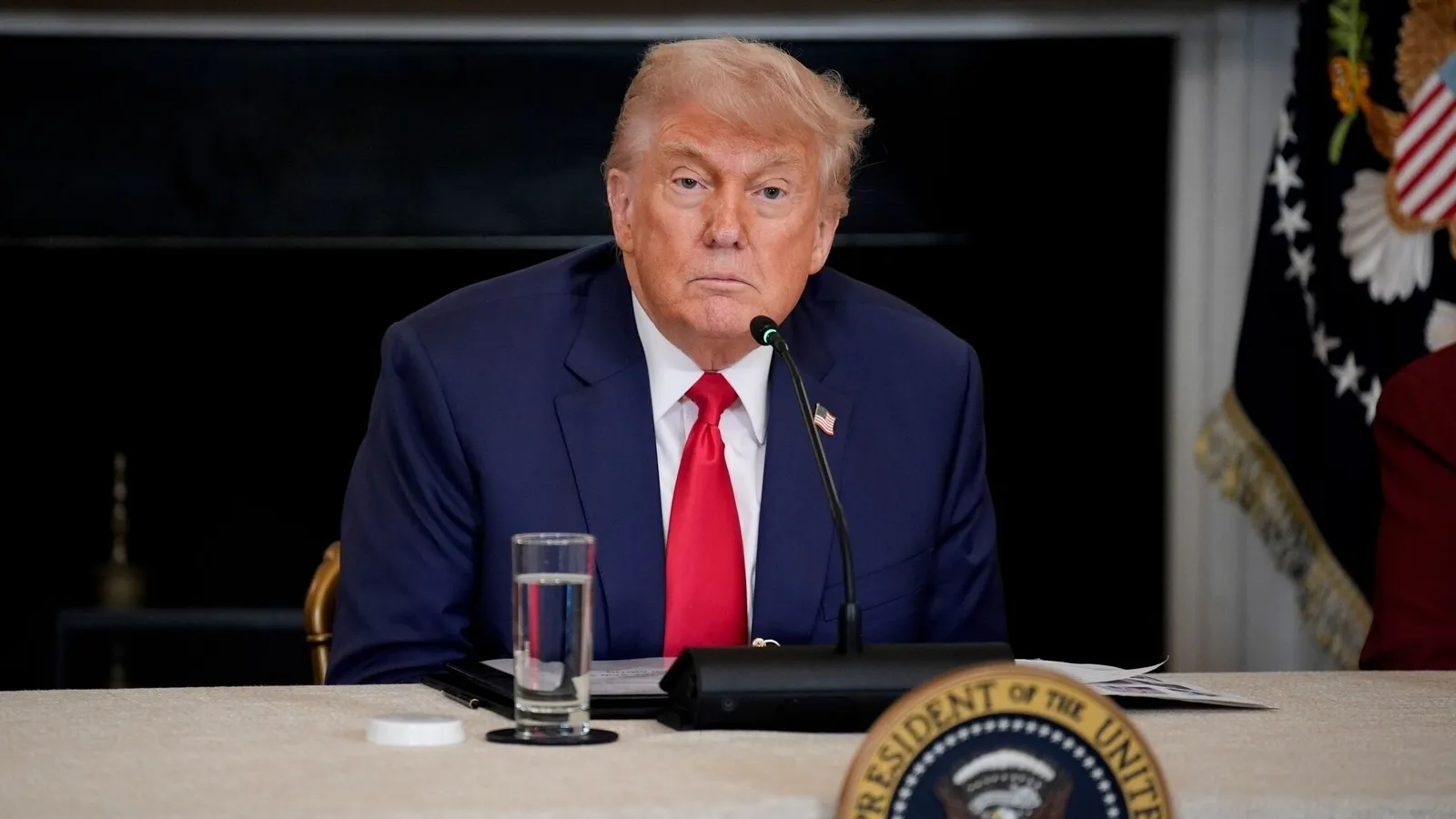
In the aftermath of the attack, President Trump publicly addressed the nation and the families of the victims. He noted that one of the National Guard members, identified as Andrew Wolfe in reports, was slowly recovering, while the other, Sarah Beckstrom, had died from her injuries. In emotional remarks, he said that she was watching from above, a phrase that underscored the administration's effort to frame the fallen service member as a symbol of sacrifice and patriotism.
These comments served not only as a tribute but also as a platform to reinforce the administration's broader security agenda. By linking the tragedy directly to policy changes, the president signaled that the government would respond forcefully, using every available legal tool to prevent similar incidents. This messaging was echoed across official channels and quickly connected to the planned expansion of travel limitations and fresh reviews of existing immigration files.
Noem's Call for Firmer Travel and Immigration Actions
Secretary Noem amplified this hard line in a post on X, formerly known as Twitter, where she wrote that she was advising a full travel restriction on every country that she claimed was sending violent criminals and economic exploiters to the United States. Her choice of language, describing some arrivals as killers, moochers, and right claimers, reflected a tough stance aimed at resonating with voters who are deeply concerned about border security and perceived abuses of the immigration system.
This forceful rhetoric aligns closely with Trump's long standing political brand on immigration. Both supporters and critics recognize that such statements are designed to send a strong signal that the current leadership is willing to use bans, suspensions, and extensive reviews to reshape who can come to the United States. For news audiences tracking the latest immigration update, Noem's comments mark a key escalation in how the travel limitations are being framed to the public.
Past Immigration Halts and the History of Trump's Travel Bans
This is not the first time Donald Trump has turned to travel bans as a central instrument of immigration and security policy. During his initial term, he introduced a series of restrictions that affected several Muslim majority countries, sparking legal challenges and intense national debate. Those measures were defended by the administration as common sense security precautions and criticized by opponents as discriminatory and overly broad. Over time, they were revised and restructured but remained a powerful symbol of his approach to border control.
In his current term, Trump has again used travel limitations as a key lever. Earlier this year, he banned travel to the United States by citizens of twelve specified countries and restricted access for people from seven additional nations. The full travel stoppage applied to Afghanistan, Myanmar, Chad, the Republic of Congo, Equatorial Guinea, Eritrea, Haiti, Iran, Libya, Somalia, Sudan, and Yemen. Meanwhile, citizens of Burundi, Cuba, Laos, Sierra Leone, Togo, Turkmenistan, and Venezuela faced constrained admittance, with tighter conditions and narrower pathways to legal entry.
Importantly, these earlier limitations did not apply retroactively to immigrants already residing in the United States before the bans took effect. Residents and long term visa holders from those countries were generally allowed to remain, even as future travel and new entries were curbed. The new proposal to expand the list beyond thirty nations builds directly on this framework, but signals an even more sweeping application of the underlying principles.
New Immigration Vetting and Reassessment Procedures
Following the Washington DC shooting, the US Citizenship and Immigration Services issued a memo outlining an extensive new reassessment process. According to the directive, all foreign nationals from high risk nations of concern who entered the United States on or after January twenty, two thousand twenty one will be subject to a comprehensive review. This includes potential interviews and re interviews, signalling that even previously approved cases may be revisited under the revised security lens.
The memo places particular emphasis on individuals admitted through refugee, asylum, and special resettlement programs that were active during the prior administration. The intention, as presented by officials, is to determine whether any red flags were missed or whether changes in behavior, associations, or security conditions warrant updated scrutiny. For affected immigrants, this could mean additional paperwork, interviews, background checks, and potentially delays in securing permanent residency or citizenship.
Wider Immigration Strategy in Trump's Current Term
Even before the recent attack, Trump's team had been preparing a broad assessment of tens of thousands of immigrants who entered the United States during the Biden administration under the US Refugee Assistance Program and related schemes. Since resuming office in January, the president has repeatedly promised to restore and intensify his earlier immigration agenda. The expansion of travel limitations, the pause on certain asylum processes, and the reassessment of green card applications fit into that overarching strategy.
For supporters, these measures are seen as overdue corrections intended to protect American lives and restore control over the border and entry systems. For critics, they represent a harsh and sweeping response that risks penalizing people who pose no threat and who may themselves be fleeing violence. Regardless of viewpoint, the current developments mark one of the most significant latest updates in US immigration policy during Trump's second term, and they are being closely followed by observers both inside the country and abroad.
Context and Future Direction of the Travel Limitations
The latest proposal to widen Donald Trump's travel limitations to over thirty countries should be understood as part of a larger continuum rather than an isolated action. From his initial travel bans targeting Muslim majority nations to the current plans affecting a broad list of states with unstable regimes, Trump has consistently framed immigration as a core security and identity issue. The shooting in Washington DC has intensified that narrative, providing a dramatic event around which new restrictions and reassessments can be structured.
For now, the key elements are clear: a growing roster of countries facing full or partial travel stoppages, a comprehensive review of immigrants from high risk regions who entered after early twenty twenty one, and a renewed emphasis on rigorous vetting for any future applicants. As the administration finalizes the expanded list and implements the new procedures, this story will remain a major point of focus in breaking news coverage and policy analysis related to immigration, security, and US foreign relations.