Prime Minister Pays Tribute to Dr. Babasaheb Ambedkar
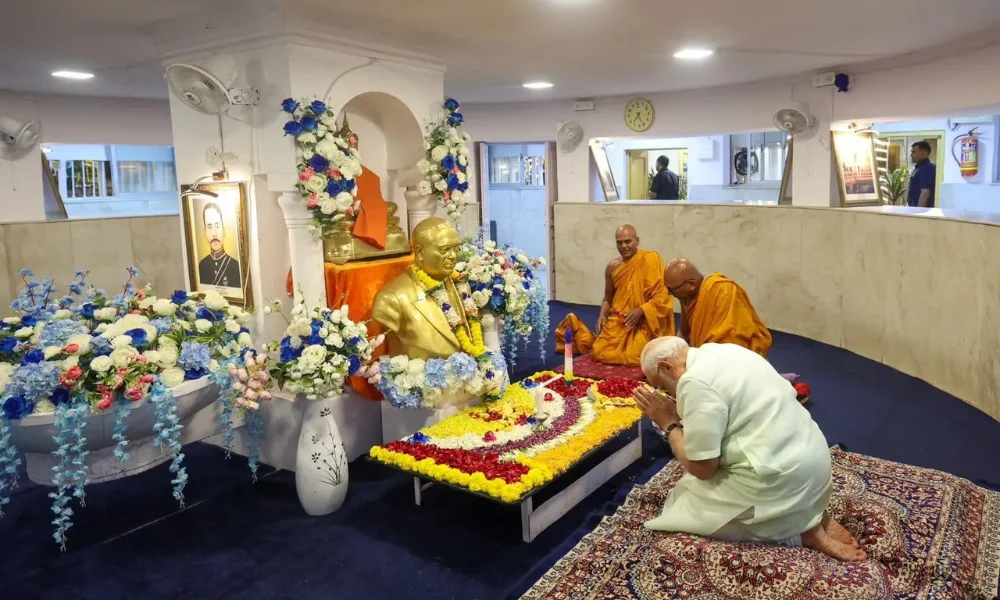
Prime Minister Pays Tribute to Dr. Babasaheb Ambedkar
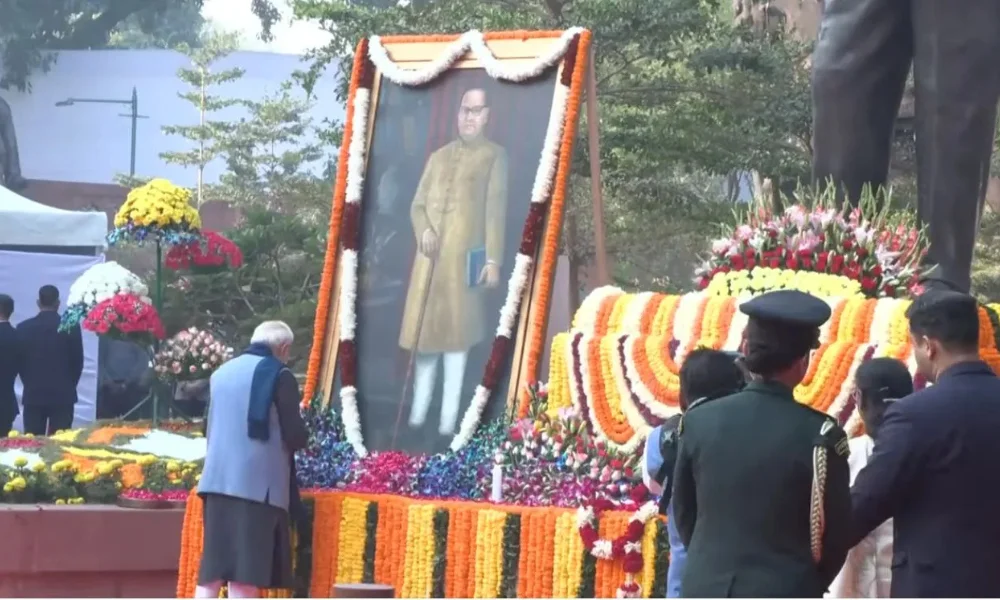
On Mahaparinirvan Diwas, the Prime Minister honored Dr. Babasaheb Ambedkar, recalling his enduring legacy as one of the principal architects of modern India. The tribute was not just a ceremonial gesture; it was presented as a reaffirmation of the nation,s ongoing commitment to the values that Dr. Ambedkar championed throughout his life. Justice, equality, and a strong constitutional framework were highlighted as the pillars that continue to shape India,s democratic journey and guide its future aspirations.
Mahaparinirvan Diwas is observed as a day of remembrance and reflection, marking Dr. Ambedkar,s passing and celebrating his contributions to social reform, legal thought, and democratic governance. On this occasion, the Prime Minister,s message underlined how Ambedkar,s ideas remain highly relevant for a country that is constantly evolving and striving to deliver better opportunities and justice to every citizen. The tribute also functioned as a national reminder that true progress depends on an unwavering commitment to the principles embedded in the Constitution.
In his remarks, the Prime Minister acknowledged Dr. Ambedkar,s steadfast dedication to constitutionalism as a guiding force in India,s national development. He noted that Ambedkar,s work went beyond drafting legal provisions, aiming instead to build a social order where dignity is protected for all and where institutions serve the people fairly. The tone of the tribute framed Ambedkar not only as a historical figure but as an enduring moral and intellectual compass for the nation.
The message also highlighted that Mahaparinirvan Diwas is an important moment for policymakers, citizens, and institutions alike to revisit the founding principles that guide India,s democracy. By recalling Dr. Ambedkar,s contributions on this day, the Prime Minister underscored the responsibility of current and future generations to keep strengthening the constitutional framework, protecting fundamental rights, and ensuring inclusive growth. This approach reflects a broader national narrative that links today,s policy choices directly to the constitutional vision laid out at the time of independence.
Ambedkar,s Ideals as a Guiding Force
The Prime Minister emphasized that Dr. Babasaheb Ambedkar,s unwavering dedication to justice, equality, and constitutional principles continues to guide the nation,s progress in a very concrete way. Ambedkar,s work on social justice reshaped how India understands rights and responsibilities, particularly for communities that faced historical discrimination and exclusion. By evoking these themes, the Prime Minister linked today,s national priorities with the reformist spirit that defined Ambedkar,s public life.
According to the statement, Ambedkar,s insistence on equality before the law remains central to India,s democratic structure. The Prime Minister recalled that Ambedkar viewed the Constitution as a living document, meant to protect citizens from arbitrary power and to guarantee them a fair chance to participate in every sphere of public life. This perspective is crucial in contemporary debates on governance, social welfare, and inclusion, where the demand for transparency and fairness has become stronger than ever.
In highlighting Ambedkar,s ideals as a guiding force, the Prime Minister also pointed to the way his thoughts inspire policy directions aimed at inclusive development. The focus on education, opportunities, and equal access to institutions are rooted in Ambedkar,s belief that democracy must deliver real, measurable change in people,s lives. For a country seeking to position itself among the world,s leading nations, these principles offer a framework to balance rapid economic growth with social equity and justice.
The remark that Ambedkar,s vision continues to guide “many generations” underscores his cross-generational impact. Students, professionals, lawmakers, and activists frequently draw on his writings and speeches to support causes related to human rights, civil liberties, and social reform. The Prime Minister,s tribute echoed this sentiment, presenting Ambedkar,s work as a reference point for contemporary India,s ongoing efforts to address inequality, strengthen democracy, and ensure that constitutional guarantees translate into everyday realities for citizens.
Commitment to Human Dignity and Democracy
The Prime Minister highlighted how Dr. Babasaheb Ambedkar,s life and work have consistently upheld human dignity and strengthened democratic values across the country. Ambedkar,s commitment to safeguarding the dignity of every individual, regardless of caste, creed, or background, has become a foundational element of India,s democratic identity. By bringing this aspect to the forefront, the Prime Minister underlined that respect for human dignity is not an abstract idea but a practical goal that must inform laws, policies, and public behavior.
In his remarks, the Prime Minister noted that Ambedkar,s efforts to build a fair and inclusive social order were crucial in shaping the Constitution,s emphasis on fundamental rights. Provisions related to equality, freedom, and protection against discrimination are widely recognized as direct outcomes of Ambedkar,s vision. By referring to these principles, the tribute linked current democratic practices and institutional frameworks to the values that Ambedkar promoted through his scholarship and public service.
The Prime Minister further observed that strengthening democratic values requires constant vigilance and commitment. Free and fair elections, an independent judiciary, and a responsive executive are all rooted in the constitutional system that Ambedkar helped design. The tribute suggested that the best way to honor Ambedkar on Mahaparinirvan Diwas is to ensure that these institutions function with integrity, transparency, and sensitivity to the needs of the people, especially the most vulnerable sections of society.
The mention of human dignity also aligns with contemporary discussions on social justice, welfare delivery, and inclusive governance. The Prime Minister,s statement implied that development is meaningful only when every citizen feels respected and protected. In this context, Ambedkar,s legacy serves as a reminder that democracy must extend beyond electoral processes to include everyday respect, equality of opportunity, and protection from exploitation. Such an approach, the tribute suggested, is central to building a society that truly reflects the spirit of the Constitution.
The focus on democracy in the tribute also highlighted the importance of active citizenship. Ambedkar often stressed that constitutional safeguards can succeed only when citizens are aware of their rights and duties. By recalling this, the Prime Minister encouraged people to stay engaged with public affairs, respect democratic institutions, and contribute constructively to national development. The message portrayed Ambedkar,s legacy as a call to participate responsibly in the democratic process and to uphold the values of justice and equality in day-to-day life.
Message Shared on X
To reach a wider audience and mark the occasion in the digital sphere, the Prime Minister shared a detailed message on X. In this post, he wrote, “Remembering Dr. Babasaheb Ambedkar on Mahaparinirvan Diwas. His visionary leadership and unwavering commitment to justice, equality, and constitutionalism continue to guide our national journey. He inspired generations to uphold human dignity and strengthen democratic values. May his ideals keep lighting our path as we work towards building a Viksit Bharat.” This message captured the core themes of the tribute in a concise yet impactful form suited for a breaking news update.
The use of the phrase “visionary leadership” in the post underlined Ambedkar,s foresight in anticipating the social and political challenges that a newly independent India would face. By stressing his commitment to justice, equality, and constitutionalism, the Prime Minister signaled that these values remain central in today,s policy discourse and governance agenda. The message framed Ambedkar as a guiding presence whose ideas are not confined to the past but actively shape current strategies aimed at inclusive growth and institutional reform.
The post also referred to Ambedkar,s ability to inspire generations to “uphold human dignity and strengthen democratic values.” This reflects a broader recognition that Ambedkar,s influence extends far beyond legal texts and formal institutions. His thoughts have energised social movements, academic work, and public debates on equality and rights. By repeating this theme on Mahaparinirvan Diwas, the Prime Minister,s message positioned Ambedkar,s legacy as a living force that continues to motivate citizens and leaders to defend democratic norms and push for necessary reforms.
A key part of the post was the expression of hope that Ambedkar,s ideals will keep “lighting our path as we work towards building a Viksit Bharat.” The phrase “Viksit Bharat” represents the aspiration of transforming India into a fully developed, inclusive, and prosperous nation. By explicitly linking this vision with Ambedkar,s principles, the Prime Minister suggested that true development cannot be separated from justice, equity, and the rule of law. Economic growth, infrastructure expansion, and technological advancement must all be rooted in a framework that respects the Constitution and protects the weakest sections of society.
The message on X therefore served multiple purposes: it honored Dr. Babasaheb Ambedkar on Mahaparinirvan Diwas, reinforced the centrality of constitutional values in India,s ongoing development journey, and communicated to citizens that the government views Ambedkar,s legacy as a compass for present and future policy choices. Presented in a format suited for fast-moving digital platforms and news updates, the tribute underlined that Ambedkar,s ideas remain deeply embedded in the national conversation about justice, equality, and the path towards a Viksit Bharat.
Facebook Comments









-
 Explore the upcoming Tamil film Maaman - cast, sto...
 -
 Read the ACE (2025) movie review starring Vijay Se...
 -
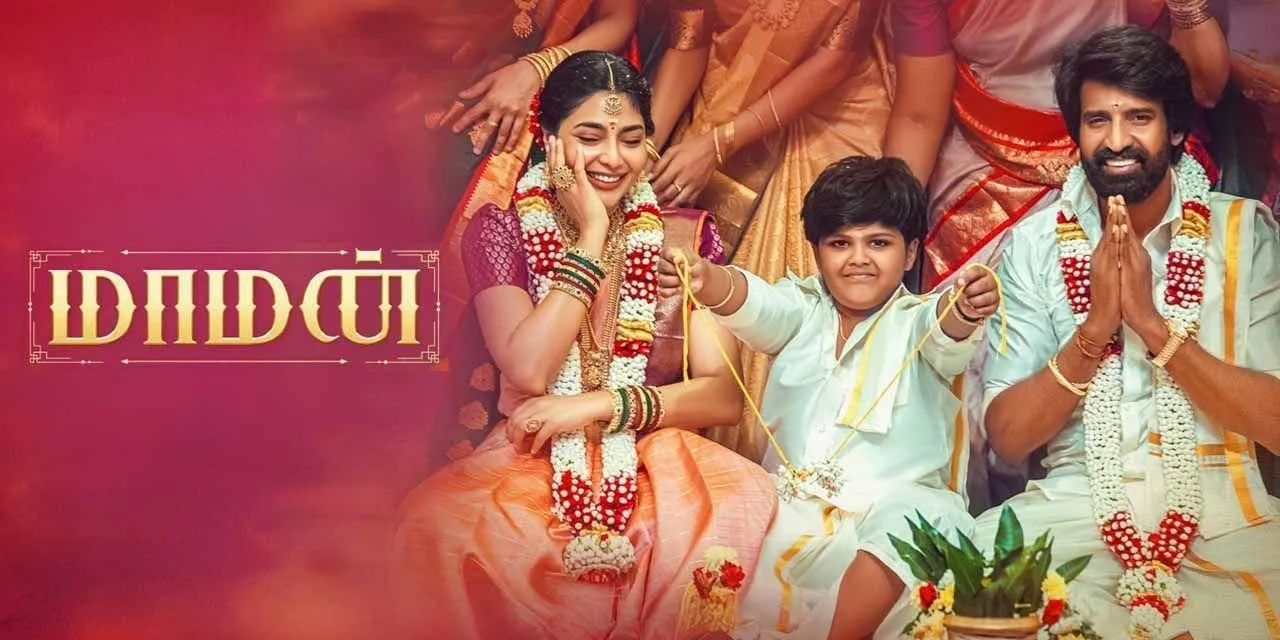 Check out Maaman's 1st day box office collection a...
 -
 Explore tourist family reviews for Maaman movie –...
Popular Posts
Vote / Poll
Recent Posts




Recommended Posts

-
 Discover the best schools in Nagercoil f...
 -
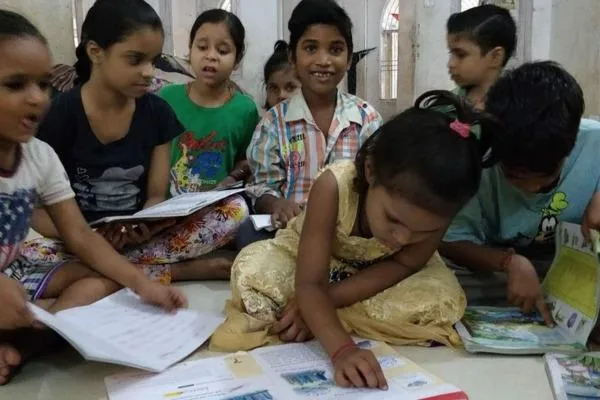 Discover the top-rated preschools in Nag...
 -
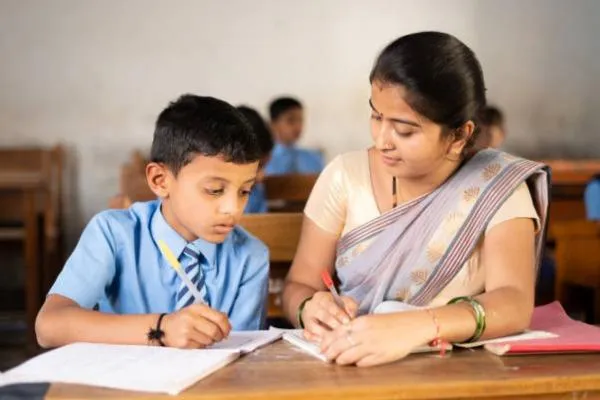 Explore the best schools in Nagercoil th...

Comment / Reply From