Hybrid Cars in India 2025 Best Models Mileage Tax Benefits
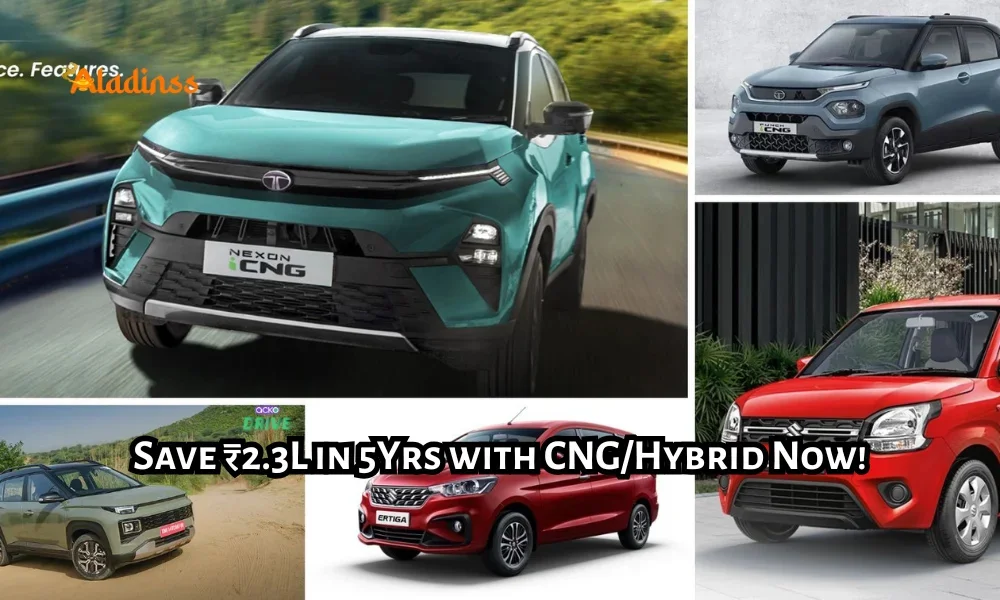
Hybrid Cars in India 2025 – Best Models, Mileage & Tax Benefits Explained
The hybrid cars in India 2025 segment has exploded with over 25 models offering 20–40 km/l mileage and significant tax savings. Combining petrol engines with electric motors, hybrids deliver EV-like efficiency without charging infrastructure dependency. This guide compares top models, real-world mileage, performance, and government incentives shaping the market.
Hybrids now qualify for 5% GST (versus 28% for petrol SUVs) and up to 43% road tax exemption in select states. Best hybrid cars 2025 save ₹3–5 lakh in taxes while delivering 30% better fuel economy than petrol counterparts. Urban commuters benefit most from regenerative braking and electric-only driving modes.

From compact sedans to luxury SUVs, hybrids span ₹10 lakh to ₹80 lakh price range. Strong hybrid systems enable 2–3 km electric-only range while mild hybrids enhance acceleration and efficiency. This comprehensive analysis covers technology, ownership costs, and hybrid car tax benefits India for informed purchase decisions.
1. Maruti Suzuki Grand Vitara Strong Hybrid – Best Value
Grand Vitara delivers ARAI-certified 27.97 km/l using 1.5L petrol + electric motor producing 114 bhp. Priced ₹18–20 lakh, it undercuts rivals by ₹5–7 lakh. Electric-only mode works up to 60 km/h for city traffic. Regenerative braking recovers 40% energy during deceleration.
Real-world mileage averages 23–25 km/l in mixed conditions. 6 airbags, 360-camera, and panoramic sunroof enhance premium appeal. Battery warranty covers 8 years/1.6 lakh km. Service costs remain similar to petrol variants. 5% GST saves ₹2.5 lakh versus petrol Creta.
E-CVT transmission ensures smooth power delivery. All-wheel-drive variant offers off-road capability. Boot space accommodates 373 liters despite battery placement. Waiting period extends to 3 months due to strong demand.
2. Toyota Urban Cruiser Hyryder – Premium Alternative
Hyryder shares platform with Grand Vitara but offers Toyota’s proven reliability. 27.97 km/l mileage matches sibling with refined cabin materials. Self-charging hybrid system requires no external charging. Electric motor assists during acceleration for responsive performance.
Priced ₹19–21 lakh with superior resale value. 10-year battery warranty exceeds industry standard. TNGA platform provides better handling dynamics. ADAS features include adaptive cruise control and lane departure warning in top variants.
- 27.97 km/l ARAI mileage
- Self-charging technology
- 10-year battery warranty
- ADAS safety suite
- AWD option available
3. Honda City e:HEV – Most Efficient Sedan
City hybrid achieves 26.5 km/l using intelligent power management switching between EV, hybrid, and engine modes. 1.5L i-VTEC engine produces 126 bhp combined. Electric drive operates up to 80 km/h in city conditions. Real-world efficiency touches 24 km/l.
Priced ₹19–20 lakh with segment-first features like Alexa integration and wireless charging. Boot space remains 410 liters. 8-year battery warranty covers 1.6 lakh km. Smooth e-CVT delivers seamless transitions. LaneWatch camera enhances safety.
ADAS includes collision mitigation and adaptive cruise. Premium interiors feature leather upholstery. Service interval extends to 10,000 km. 5% GST applicability saves ₹3 lakh versus petrol Verna.
4. Toyota Innova Hycross – Family MPV King
Hycross delivers 23.24 km/l in 7/8-seater configuration using 2.0L engine + electric motor producing 184 bhp. Self-charging system enables 2 km electric-only range. Priced ₹19–30 lakh across variants. Captain seats and ottoman functionality enhance luxury.
800-liter boot space accommodates family luggage. Panoramic sunroof and rear entertainment screens available. 10-year battery warranty covers unlimited kilometers. Monocoque construction improves handling over ladder-frame Crysta.
ADAS, 360-camera, and powered tailgate feature in top ZX variant. Real-world mileage averages 20–22 km/l with AC and passengers. 5% GST saves ₹4–5 lakh versus diesel competitors.
5. Maruti Suzuki Invicto – Premium People Mover
Invicto premiumizes Hycross with captain seats and enhanced features. 23.24 km/l mileage matches Toyota sibling. Priced ₹25–29 lakh targeting luxury MPV buyers. Ventilated front seats and dual-zone climate control standard.
Maruti’s extensive service network reduces maintenance costs. 8-year battery warranty applies. Digital rear-view mirror and powered tailgate enhance convenience. 7-airbag safety suite includes knee airbag.
- Captain seats with ottoman
- 23.24 km/l efficiency
- 800L boot space
- Panoramic sunroof
- Maruti service network
6. Toyota Camry – Executive Sedan
Camry achieves 19.1 km/l using 2.5L engine producing 218 bhp combined. Priced ₹46 lakh with luxury features including heads-up display and 3-zone climate. Rear seat recline and ventilation cater to chauffeured driving.
10-year battery warranty covers unlimited distance. 5% GST applicability saves ₹8 lakh versus petrol Superb. Real-world mileage touches 16–18 km/l. JBL audio and panoramic sunroof enhance premium experience.
ADAS includes pre-collision system and dynamic radar cruise. 9 airbags provide comprehensive protection. Service costs remain competitive despite premium positioning. Resale value stays strong after 5 years.
7. Lexus NX 350h – Luxury Compact SUV
NX delivers 18–20 km/l using 2.5L hybrid system producing 240 bhp. Priced ₹68–74 lakh with imported quality. Mark Levinson audio and 360-camera standard. Electric-only range extends to 5 km.
10-year battery warranty covers 2 lakh km. 5% GST saves ₹12 lakh versus petrol Q5. Adaptive suspension enhances ride quality. Interior materials rival German competitors. Service through Toyota network reduces costs.
F-Sport variant adds performance styling. Panoramic sunroof and ventilated seats included. Real-world efficiency averages 16 km/l in city driving. Resale value remains 60% after 3 years.
8. MG Hector Plus Hybrid – Feature-Loaded
Hector mild hybrid achieves 15–16 km/l using 1.5L turbo petrol with 48V system. Priced ₹18–22 lakh with 14-inch touchscreen and ADAS. 6/7-seater configurations available. Panoramic sunroof spans both rows.
Mild hybrid assists during acceleration and enables start-stop. 5-year battery warranty covers 1 lakh km. Connected car features include remote AC control. 5% GST applicability saves ₹3 lakh versus diesel XUV700.
- 14-inch infotainment
- ADAS safety suite
- Panoramic sunroof
- 6-airbag protection
- Connected features
Understanding Hybrid Technology Types
Strong hybrids like Grand Vitara operate in electric-only mode using larger batteries. Mild hybrids assist petrol engines with 48V systems improving efficiency by 10–15%. Plug-in hybrids remain absent due to charging infrastructure limitations.
Self-charging systems recover braking energy eliminating plug requirement. Battery placement affects boot space minimally in modern designs. Thermal management ensures performance in Indian heat. Software updates optimize efficiency over time.
E-CVT transmissions provide seamless power delivery. Regenerative braking extends brake pad life by 50%. Electric motor torque fills petrol engine gaps for linear acceleration. System reliability exceeds 2 lakh km with proper maintenance.
Government Tax Benefits and Incentives
Strong hybrids under 4 meters with petrol engines below 1.2L qualify for 5% GST. Road tax exemption reaches 100% in Uttar Pradesh, 50% in Maharashtra for hybrids. Delhi offers 10-year registration validity versus 15 years for EVs.
FAME-II subsidy absence affects hybrids but GST reduction compensates. Green number plates enable parking benefits in select cities. Insurance premiums remain similar to petrol vehicles. Resale value stays 10% higher than petrol counterparts.
State-wise incentive variation requires local RTO verification. Corporate tax benefits apply for company-registered hybrids. Depreciation claims follow 40% rate versus 15% for petrol vehicles. Total ownership savings exceed ₹5 lakh over 5 years.
Real-World Ownership Experience
Hybrid owners report 25–35% fuel savings versus petrol SUVs. Service costs increase marginally due to specialized components. Battery replacement after 8 years costs ₹1.5–2 lakh covered under warranty. Software updates delivered over-the-air enhance features.
Regenerative braking reduces brake wear significantly. AC performance remains consistent in EV mode. Highway efficiency drops to 18–20 km/l but still beats petrol rivals. Resale market accepts hybrids readily due to fuel savings.
The hybrid cars India 2025 ecosystem matures with expanding service networks and spare parts availability. Technology adoption accelerates as fuel prices rise. Future models promise 30+ km/l efficiency with improved electric range.
Facebook Comments










-
 Explore the upcoming Tamil film Maaman - cast, sto...
 -
 Read the ACE (2025) movie review starring Vijay Se...
 -
 Check out Maaman's 1st day box office collection a...
 -
 Explore tourist family reviews for Maaman movie –...
Popular Posts
Vote / Poll
Recent Posts




Recommended Posts

-
 Discover the best schools in Nagercoil f...
 -
 Discover the top-rated preschools in Nag...
 -
 Explore the best schools in Nagercoil th...

Comment / Reply From