How to Maintain Car in Summer Cooling AC Battery Care Tips
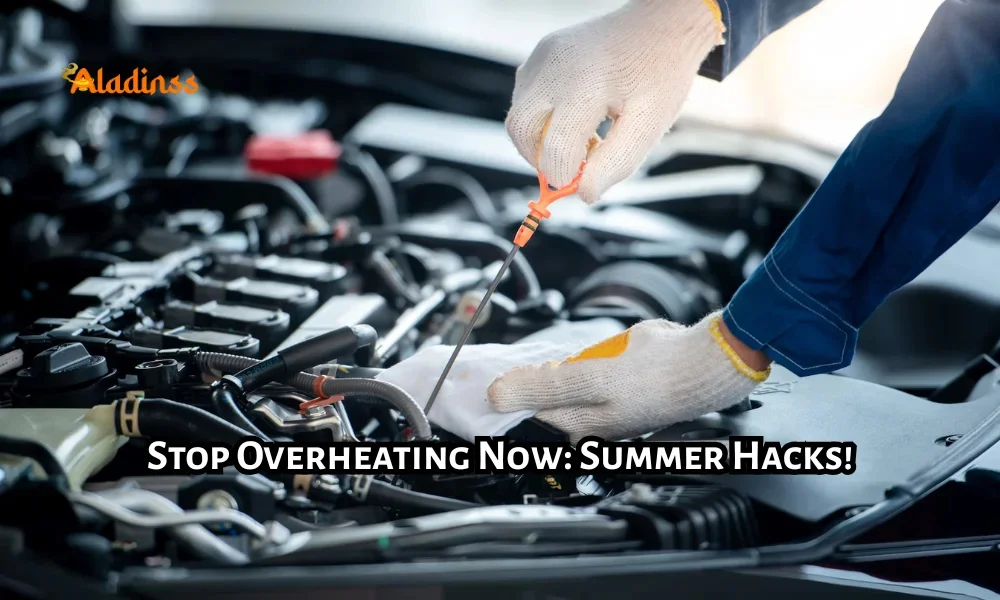
How to Maintain Your Car in Summer – Cooling, AC Care & Battery Tips
Protecting your vehicle during Indian summer requires proactive car maintenance in summer to prevent breakdowns and expensive repairs. Temperatures exceeding 45°C stress cooling systems, AC performance, batteries, and tires. This 2025 guide covers essential checks, cleaning methods, and driving habits to keep your car running smoothly through peak heat.
Engine overheating affects 1 in 5 vehicles during summer months, while AC failures spike 40% above 40°C. Summer car care tips include coolant replacement, battery terminal cleaning, and cabin filter changes that extend component life by 2–3 years. Regular attention saves ₹15,000–₹30,000 in potential repair costs.

From radiator flushing to windshield protection, these practical steps ensure reliability during long drives and traffic jams. Implementing car AC maintenance summer routines improves cooling efficiency by 25% while reducing fuel consumption. This comprehensive checklist covers every critical area for complete summer preparedness.
1. Cooling System Maintenance – Prevent Overheating
Coolant loses effectiveness after 2 years or 40,000 km. Replace with manufacturer-recommended 50:50 mix of coolant and distilled water. Check reservoir levels weekly never open radiator cap when hot. Flush system every 4 years to remove rust and deposits.
Inspect radiator fins for bent damage blocking airflow. Clean with compressed air or soft brush. Pressure test cap annually faulty caps cause 30% of overheating cases. Thermostat replacement every 5 years ensures proper temperature regulation.
Water pump bearings wear faster in heat. Listen for whining noise during idle. Electric fan operation must activate at 90°C. Auxiliary fans in automatic cars require separate fuse checks. Coolant hoses harden after 5 years squeeze for cracks.
2. AC System Care – Maximum Cooling Efficiency
Cabin filter replacement every 10,000 km or 6 months prevents airflow restriction. Dirty filters reduce cooling by 40%. Run AC on fresh air mode initially to expel hot cabin air. Park in shade or use windshield sunshade to reduce initial load.
AC gas recharge every 2 years maintains pressure. Low refrigerant causes compressor damage. Clean condenser fins monthly dust accumulation reduces heat dissipation. Blower motor cleaning prevents musty smell from bacterial growth.
- Run AC 10 mins weekly
- Clean evaporator coils
- Check belt tension
- Replace cabin filter
- Use recirculate mode
3. Battery Health – Beat Heat-Related Failures
Battery life reduces 50% above 35°C. Clean terminals monthly with baking soda solution to prevent corrosion. Check electrolyte levels in non-maintenance-free batteries top up with distilled water only. Secure battery hold-down to prevent vibration damage.
Load test battery annually summer heat accelerates plate sulfation. AGM batteries perform better in extreme temperatures. Turn off all accessories before shutting engine to reduce startup load. Night parking in covered areas extends battery life.
Voltage should read 12.6V when cold, 13.8–14.4V when running. Slow cranking indicates weak battery. Jump-starting requires proper cable sequence. Battery warranty claims need temperature records in some cases.
4. Tire Care – Prevent Blowouts and Wear
Increase tire pressure by 2–3 PSI above recommended in summer heat expands air. Check pressure weekly when cold. Rotate tires every 8,000 km for even wear. Inspect tread depth monthly replace below 4mm for safety.
Wheel alignment prevents uneven wear from heat-softened roads. Balance wheels if vibration felt above 80 km/h. Avoid overloading extra weight increases tire temperature. Nitrogen filling reduces pressure fluctuation by 60% versus air.
Spare tire pressure must match others. Valve caps prevent dust ingress. Sidewall cracks indicate UV damage replace immediately. Lower speed on hot tar roads reduces heat buildup.
5. Engine Oil and Fluid Management
Use 5W-40 or 10W-40 synthetic oil for better heat resistance. Change oil every 7,500 km in summer versus 10,000 km normally. Check levels bi-weekly heat thins oil faster. Oil filter replacement prevents circulation issues.
Brake fluid absorbs moisture replace every 2 years. Power steering fluid turns dark from heat flush when needed. Transmission fluid for automatics requires 60,000 km replacement. Windshield washer fluid with summer formula prevents evaporation.
- Synthetic oil change
- Brake fluid flush
- Coolant top-up
- Washer fluid refill
- ATF check
6. Exterior Protection – Paint and Glass Care
Wash car weekly to remove dust preventing paint etching. Apply polymer wax every 3 months for UV protection. Ceramic coating lasts 2 years reducing heat absorption. Clean bird droppings immediately acidic content damages clear coat within hours.
Windshield treatment with rain repellent improves visibility. Check wiper blades replace every 6 months. Headlight polishing removes yellowing improving night visibility. Undercarriage wash prevents rust from road salt residue.
Park facing east for morning sun on windshield not engine. Use car cover with breathable material. Window tinting with 70% VLT front, 50% rear reduces cabin temperature by 10°C.
7. Interior Care – Prevent Cracking and Fading
Dashboard treatment with UV protectant prevents cracking. Leather seats require conditioning every 3 months. Fabric seats benefit from scotchgard protection. Ventilate cabin before AC use to release trapped heat.
Floor mats removal for cleaning prevents moisture trapping. AC vent cleaning with foam cleaner removes dust buildup. Steering wheel cover protects from direct sunlight. Child seat bases leave permanent marks use protective pads.
Electronic screens require microfiber cleaning. Seatbelt cleaning prevents dust accumulation. Glovebox organization prevents rattling. Air freshener placement away from vents prevents residue buildup.
8. Brake System Checks – Safety in Heat
Brake fluid boiling point drops with moisture absorption. Bleed system every 2 years. Pad thickness below 3mm requires replacement. Rotor scoring indicates heat damage. ABS sensor cleaning prevents malfunction in dust.
Handbrake cable lubrication prevents sticking. Brake pedal feel should remain firm. Squealing noise indicates pad wear. Emergency brake holding test on slope ensures functionality. Caliper piston seizure common in coastal areas.
- Fluid replacement
- Pad inspection
- Rotor measurement
- Cable lubrication
- Sensor cleaning
9. Emergency Kit Preparation
Carry 5 liters coolant, 2 liters oil, jumper cables, and tire inflator. Reflective triangle and flashlight essential for night breakdowns. First aid kit with burn gel for hot surface contact. Tow rope rated for vehicle weight. Mobile charger ensures communication.
Tool kit with pliers, screwdriver, and duct tape. Spare fuses in all ratings. Paper towels for quick cleanup. Umbrella for rain during repairs. Emergency contact numbers including roadside assistance.
Water bottles prevent dehydration. Energy bars for long waits. Sun hat and gloves protect during repairs. Reflective vest increases visibility. Fire extinguisher with valid pressure gauge.
10. Driving Habits for Summer
Avoid peak afternoon driving between 12–3 PM. Use lower gears in traffic to reduce engine load. Turn off AC during steep climbs to prevent overheating. Maintain 1500–2000 RPM in automatics for optimal cooling.
Gradual acceleration prevents turbo lag heat buildup. Coast to stops using engine braking. Keep windows slightly open initially for heat escape. Avoid idling with AC move car periodically. Check temperature gauge regularly.
Proper car maintenance summer India combines preventive checks with smart driving. These practices ensure reliability during family trips and daily commutes. Start preparations 2 months before peak summer for complete protection.
Facebook Comments












-
 Explore the upcoming Tamil film Maaman - cast, sto...
 -
 Read the ACE (2025) movie review starring Vijay Se...
 -
 Check out Maaman's 1st day box office collection a...
 -
 Explore tourist family reviews for Maaman movie –...
Popular Posts
Vote / Poll
Recent Posts




Recommended Posts

-
 Discover the best schools in Nagercoil f...
 -
 Discover the top-rated preschools in Nag...
 -
 Explore the best schools in Nagercoil th...

Comment / Reply From