Tesla Introduces a Cheaper Model 3 in Europe

Tesla Introduces a Cheaper Model 3 in Europe
Tesla has introduced a more affordable version of its Model 3 in Europe, positioning the launch as a timely update in a market where competition is growing rapidly and demand has started to cool. The company is looking to regain momentum after a period in which new electric vehicle registrations have slowed, even as Tesla refreshed its popular Model Y lineup. Buyers across the region are exploring rival electric vehicles, with models such as Volkswagen's ID.3 and BYD's Atto 3 becoming common alternatives for cost-conscious and value-focused customers.
The lower-priced Model 3 is a strategic response to this shift in consumer behaviour and to the wider evolution of the European electric vehicle market. Many potential buyers are no longer impressed by premium badges alone and instead weigh total cost of ownership, real-world range, and everyday practicality when making purchasing decisions. By trimming certain high-end features while protecting core performance and range, Tesla aims to offer a car that still feels like a true Model 3 but is more accessible in terms of price. This move is being closely watched as one of the latest developments in the ongoing electric vehicle price war.
Rising Pressure in the European EV Market
The European electric vehicle market has become one of the most competitive arenas in the global auto industry. Traditional brands such as Volkswagen, along with newer entrants and Chinese manufacturers, are rushing to release models that target the mass market with attractive price tags. Against this backdrop, Tesla has seen demand soften, with fewer new registrations in several key countries despite improvements to existing models. This trend highlights a more cautious and price-sensitive consumer mindset, where buyers compare specifications, incentives, and monthly costs in much greater detail than in the past.
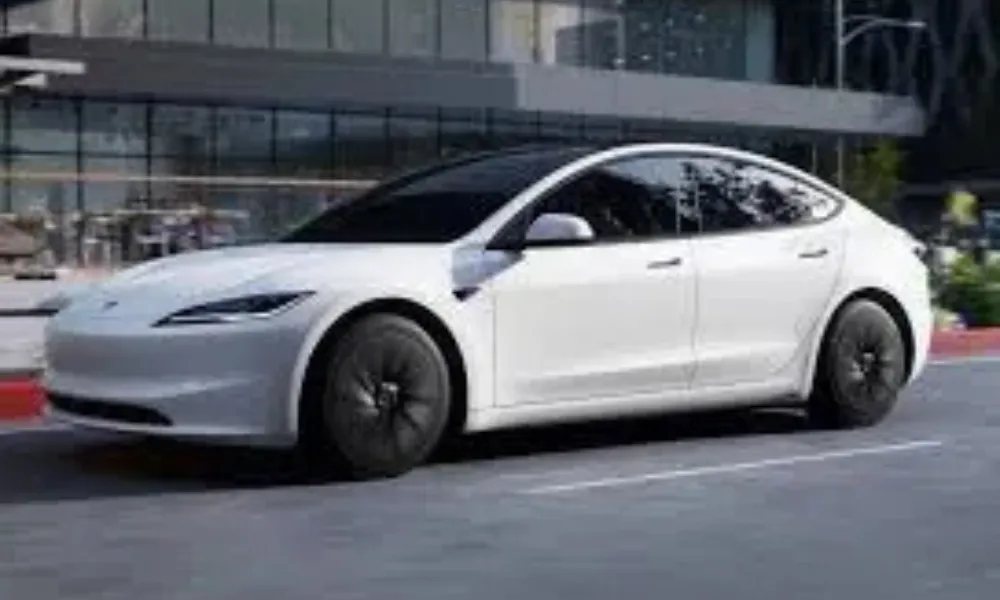
For Tesla, which once dominated the electric vehicle conversation in Europe, the challenge is no longer simply about being the most recognisable EV brand. The company now needs to balance innovation with affordability. The introduction of a cheaper Model 3 is effectively a response to that reality. It is meant to help defend Tesla's market share at a time when many competitors are advertising electric cars at lower prices, often supported by aggressive promotions and local incentives. This news update underlines how quickly the European EV landscape is shifting and how Tesla is adjusting its strategy to stay relevant.
Features and Range of the New Model 3 Variant
The newly introduced Model 3 variant focuses on what most drivers need on a daily basis rather than on premium finishes. Tesla has reduced some of the more luxurious touches found in higher trims, but it has maintained a driving range of more than 300 miles, or about 480 kilometres. This range keeps the car competitive in real-world usage, covering commuting, weekend trips, and long highway journeys without constant charging anxiety. It reinforces Tesla's reputation for strong range performance, while keeping the overall package aligned with a more budget-conscious audience.
Tesla is presenting this Model 3 as a car with an ultra-low cost of ownership, rather than a model that revolves around luxury or prestige. That positioning is important for potential buyers comparing running costs with those of petrol or diesel vehicles, as well as other electric cars. Factors such as energy efficiency, charging network availability, and expected maintenance costs all play into the total value calculation. By keeping range high and simplifying some features, Tesla aims to show that drivers can still enjoy the core Model 3 experience while benefiting from a more approachable price point and a practical everyday electric driving experience.
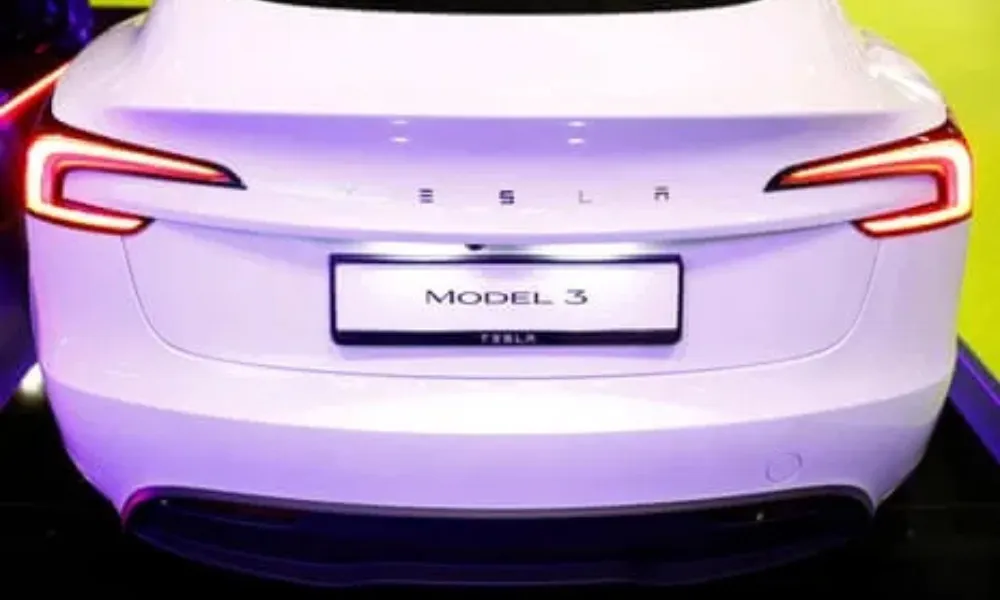
Pricing Across Key European Markets
One of the central points in this update is the pricing structure for the new Model 3 in Europe. The car is listed at 37,970 euros in Germany, which positions it as a more affordable entry point into the Tesla ecosystem compared with the premium versions. In Norway, a major electric vehicle market, the same model is priced at 330,056 Norwegian crowns. In Sweden, it comes in at 449,990 Swedish crowns. These figures indicate that Tesla is carefully tailoring its prices to local currencies and purchasing power, while working to keep the Model 3 competitive against other mid-range electric options.
In Germany, the next step up in the Model 3 family, often described as the premium version, remains notably more expensive than this lower-cost variant. That price gap is significant because it offers buyers a clear choice between higher-end features and a more budget-friendly configuration. For many households, especially those purchasing their first electric car, the cheaper version may now seem more realistic. This latest development in pricing strategy also signals that Tesla is willing to adjust its product ladder in Europe to keep pace with local market realities and to appeal to a broader set of customers who follow automotive news, price updates, and incentives closely.
Comparison with U.S. Pricing and Global Strategy
The cheaper Model 3 variant is not entirely new to Tesla's global lineup. The Standard version was introduced earlier in the United States, where it has been selling for 36,990 dollars since its October debut. Bringing this configuration to Europe aligns the company's transatlantic strategy, ensuring that customers on both sides of the ocean have access to a more affordable Model 3. While currency differences and regional taxes affect the final sticker price, the underlying idea is consistent: use a streamlined version of an existing model to reach more buyers without designing an entirely new vehicle from the ground up.
Globally, this approach allows Tesla to leverage economies of scale in manufacturing and components, reusing much of the existing Model 3 platform. It can then make targeted adjustments in trim, features, and pricing based on each market's conditions. From an investor and industry perspective, this latest report reinforces the view that Tesla is responding tactically to slowing demand and fiercer competition by adjusting its pricing ladder instead of relying solely on entirely new models. It also shows how interconnected Tesla's strategies are across regions, using knowledge and performance data from one market to inform decisions in another.
Musk's Mass-Market Vision and Analyst Concerns
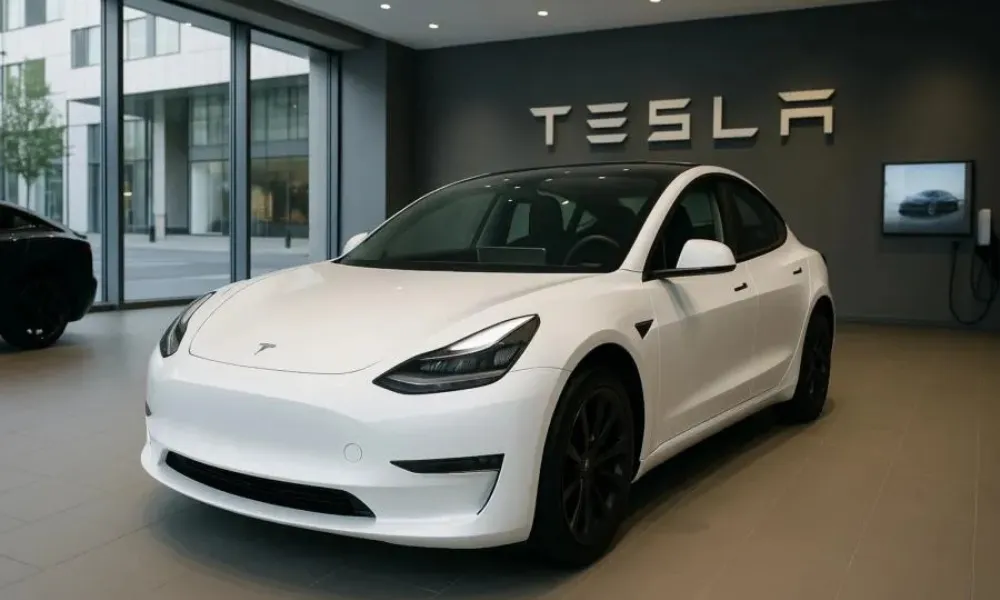
Elon Musk has long spoken about making electric cars affordable enough for the mass market. At one stage, there was discussion around an all-new, lower-priced electric vehicle, sometimes referred to as a potential 25,000 dollar car. Instead of fully pursuing that path for now, Tesla has shifted towards lowering prices on existing models and offering more basic trims such as this new Model 3 variant. This strategy keeps development costs under control but has triggered debate among analysts and industry observers, many of whom are concerned about the impact on the company's profit margins.
Some market watchers argue that cheaper trims could cannibalise demand for higher-priced versions of the Model 3 and Model Y, which traditionally contribute more to Tesla's earnings. Others, however, view the move as a necessary response to the current environment, where more and more electric vehicles are being launched at aggressive price points. For Tesla, the balance lies in defending sales volume and market relevance while trying to preserve profitability. This news update on the European launch highlights how the company is walking that line, using targeted price adjustments and feature changes instead of relying solely on premium positioning.
Competition from European and Chinese EV Makers
A key driver behind the introduction of the cheaper Model 3 in Europe is rising competition from both European brands and Chinese manufacturers. Vehicles like Volkswagen's ID.3 and models from BYD, including the Atto 3, are now regular contenders when customers research their next electric car. Many of these rivals are positioned at competitive price points and feature equipment levels that appeal to mainstream buyers, including families and commuters who prioritise practicality and value over brand exclusivity.
In this context, Tesla can no longer rely solely on being first to market or being the most talked-about electric vehicle brand. The company must present offers that stand up to direct comparison on price, specifications, and total ownership costs. The new Model 3 variant is clearly designed as part of that effort. It allows Tesla to put a strong range figure and a familiar brand name against rivals that are increasingly viewed as credible alternatives. As more consumers search for the latest EV updates, reviews, and ownership experiences, having a competitively priced model becomes crucial for maintaining visibility and interest.
Tesla's Focus on AI, Robotaxis, and Core Vehicle Sales
While this new Model 3 launch is centred on pricing and market strategy, it sits alongside Tesla's broader ambitions in artificial intelligence. Elon Musk has increasingly highlighted projects such as robotaxis and humanoid robots as major pillars of the company's long-term vision. These initiatives generate headlines and shape perceptions of Tesla as a technology company, not just a carmaker. However, for the present moment, revenue still depends heavily on the sale of vehicles like the Model 3 and Model Y in markets such as Europe and North America.
The introduction of a lower-cost Model 3 in Europe therefore acts as an important bridge between Tesla's current business model and its future aspirations. It helps sustain sales volumes and brand presence while the company continues to invest in advanced software and autonomous driving technologies. From a news and analysis perspective, this update shows that even as Tesla talks about next-generation technologies, it remains very much engaged in the practical realities of car pricing, consumer sentiment, and regional market dynamics.
What the Cheaper Model 3 Means for European Drivers

For European drivers, the arrival of this cheaper Model 3 variant offers a new option in the expanding electric vehicle landscape. It provides access to Tesla's charging ecosystem, software experience, and long-range capability at a lower entry price than before. Buyers who previously viewed Tesla as slightly out of reach may now be more inclined to consider a test drive or include the Model 3 in their shortlist. The combination of more than 300 miles of range and a reduced price point directly addresses common concerns around affordability and range confidence.
This launch also sends a signal to the broader market that price adjustments and new trims are likely to continue as competition intensifies. For now, the cheaper Model 3 stands as one of Tesla's key tools for defending its position in Europe, even as rivals move quickly and economic conditions remain challenging. As consumers look for the latest reports and breaking news on electric vehicles, this development will be closely watched by drivers, competitors, and industry analysts alike, not only for what it means today but for what it suggests about the next phase of the EV transition in Europe.
Facebook Comments













-
 Explore the upcoming Tamil film Maaman - cast, sto...
 -
 Read the ACE (2025) movie review starring Vijay Se...
 -
 Check out Maaman's 1st day box office collection a...
 -
 Explore tourist family reviews for Maaman movie –...
Popular Posts
Vote / Poll
Recent Posts




Recommended Posts

-
 Discover the best schools in Nagercoil f...
 -
 Discover the top-rated preschools in Nag...
 -
 Explore the best schools in Nagercoil th...

Comment / Reply From