GST 2.0 Takes Effect: Will Apple, Samsung, Xiaomi Mobiles Above ₹50,000 Become Cheaper?
GST 2.0 Takes Effect: Will Apple, Samsung, Xiaomi Mobiles Above ₹50,000 Become Cheaper? Breaking News Update September 22, 2025
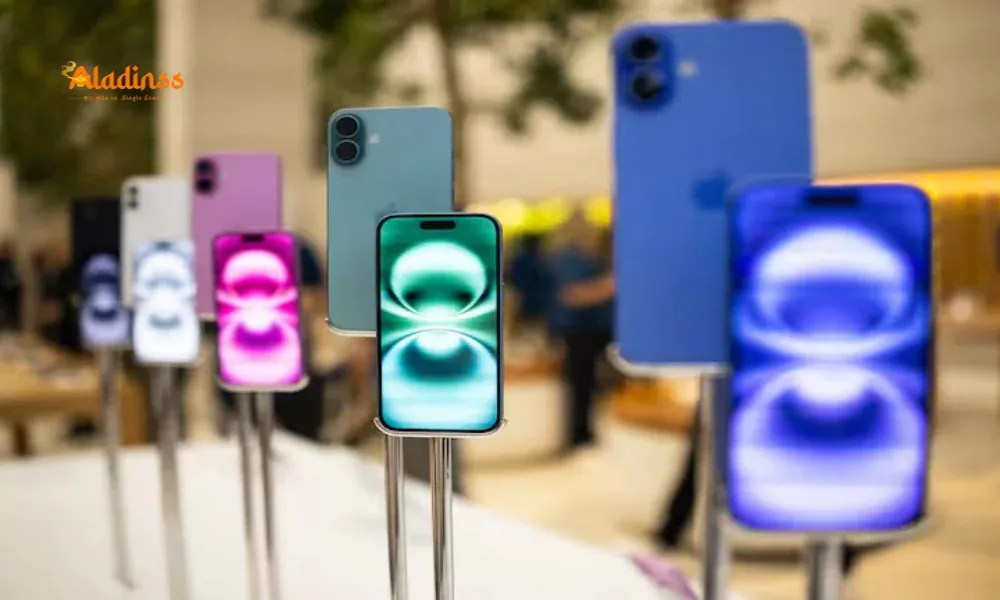
In a landmark fiscal reform, the Indian government has rolled out GST 2.0 effective from September 22, 2025, streamlining the tax system into just two simplified slabs based on goods categories. This overhaul aims to ease compliance for businesses and potentially lower prices for consumers across various sectors. While the electronics industry stands to gain in some areas, the smartphone segment remains untouched, raising questions about affordability for high-end devices from brands like Apple, Samsung, and Xiaomi.
The new GST regime replaces the multi-tiered structure with a more uniform approach, focusing on essential versus luxury classifications. This shift is part of broader economic strategies to boost consumption and support domestic manufacturing under initiatives like Make in India. As festive sales loom, shoppers are eyeing how these changes interplay with promotional discounts on mobiles priced above ₹50,000.
Key Features of GST 2.0 Implementation
GST 2.0 introduces a binary slab system: a lower rate for essentials and a standard rate for others, eliminating complexities from the previous 5, 12, 18, and 28 percent brackets. This simplification is expected to reduce administrative burdens on small businesses and improve tax collection efficiency. For consumers, the immediate impact varies by product category, with household essentials seeing the most relief.
The reforms come at a time when inflation concerns and global supply chain disruptions have heightened focus on domestic pricing. By rationalizing taxes, the government hopes to stimulate demand in key sectors, fostering economic recovery post-pandemic. Early indicators suggest positive market responses, with shares in consumer goods companies ticking up in pre-market trading on September 22.
Electronics Sector Benefits Under New Tax Regime
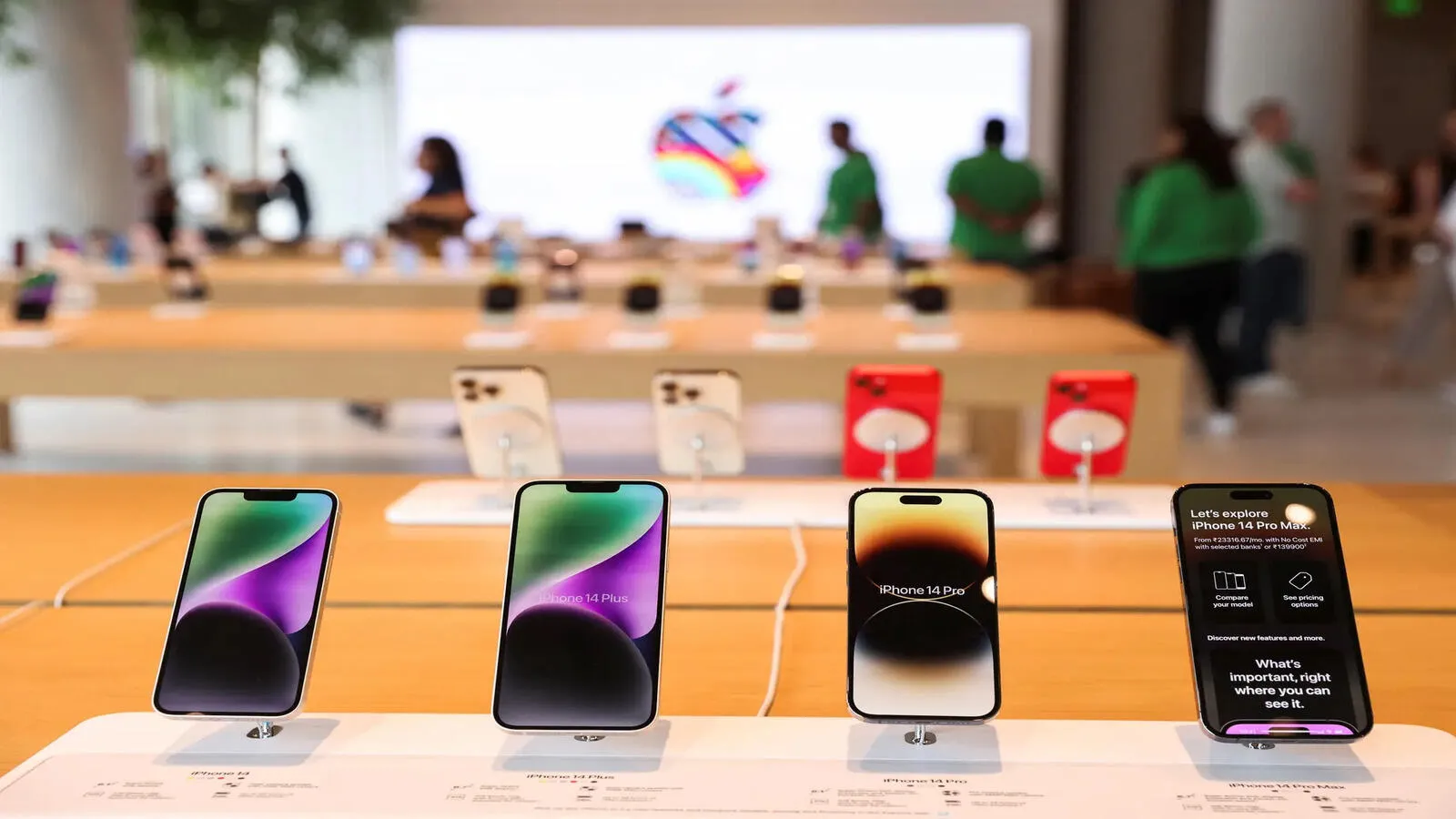
Consumers in the electronics segment are reaping early rewards from GST 2.0. Items like televisions and air conditioners, now classified under the lower slab, have witnessed a GST reduction from previous rates. This adjustment acknowledges their evolution from luxuries to necessities, driven by remote work trends and rising temperatures necessitating cooling solutions.
For televisions, the tax cut could translate to savings of up to 10 percent on mid-range models, making 4K and smart TVs more accessible to middle-income households. Air conditioners, particularly energy-efficient inverter models, benefit similarly, aligning with government pushes for sustainable appliances. Retailers anticipate a surge in footfalls as families upgrade home setups ahead of the festive season.
This targeted relief extends to other white goods like refrigerators and washing machines, potentially lowering ex-factory prices and enabling competitive pricing strategies. Manufacturers such as LG, Sony, and Whirlpool have hinted at passing on these benefits, though the extent depends on input cost stabilizations. Overall, the electronics market could see a 5 to 7 percent volume uptick in the coming quarter.
Smartphones and Laptops: No Change in GST Rates
Despite the sweeping changes, smartphones and laptops remain in the 18 percent GST bracket, unaffected by the overhaul. This stasis means retail prices for popular models from Apple, Samsung, and Xiaomi will not dip due to tax adjustments. For devices above ₹50,000, such as the iPhone 16 series or Galaxy S25, buyers will continue paying the prevailing rates without fiscal incentives.
The decision to exempt these categories has ignited discussions on equity in taxation. Smartphones, integral to education, banking, and healthcare, are viewed by many as modern essentials warranting lower slabs. Critics argue that maintaining 18 percent hinders affordability, especially for premium segments where import duties already inflate costs. Industry bodies like the Indian Cellular Association have called for reviews, citing stagnant growth in domestic production.
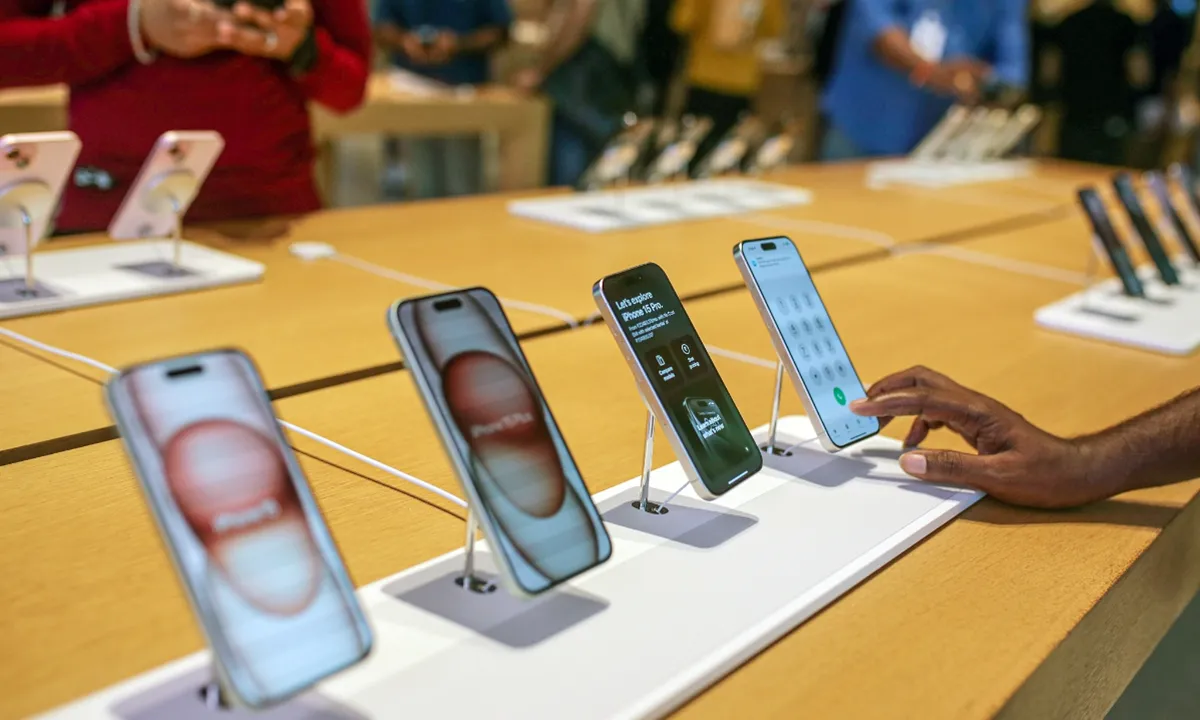
Laptops face similar scrutiny, with professionals relying on them for remote operations. The unchanged rate preserves revenue streams for the exchequer but may slow adoption in tier-two and three cities. Analysts predict that without tax relief, e-commerce platforms will lean heavier on subsidies and exchange offers to drive sales.
Debate on Smartphone Classification as Essential Goods
The exclusion of smartphones from GST reductions has fueled a broader debate on what constitutes an essential good in 2025. With over 800 million mobile users in India, these devices facilitate UPI transactions, online learning, and telemedicine, blurring lines between luxury and necessity. Advocates for reclassification point to rural penetration rates exceeding 60 percent, underscoring their role in digital inclusion.
Economists suggest that lowering GST to 12 percent could boost smartphone shipments by 15 percent annually, aiding local assemblers like Foxconn and Wistron. However, fiscal hawks counter that such moves might erode tax bases, given the sector’s ₹2 lakh crore contribution. The discourse highlights tensions between revenue generation and consumer welfare in policy-making.
Public sentiment, gauged through social media trends, leans toward affordability enhancements. Hashtags like #LowerGSTonMobiles are gaining traction, with influencers and tech reviewers amplifying calls for parity with other electronics. As the government monitors implementation feedback, a mid-year review could address these concerns.
Festive Sales: Discounts on Premium Mobiles from Apple, Samsung, Xiaomi
Although GST 2.0 offers no direct price cuts for mobiles, the festive calendar provides ample opportunities for savings. Amazon’s Great Indian Festival launches on September 23, 2025, featuring slashed prices on flagships from Apple, Samsung, Xiaomi, OnePlus, iQOO, realme, and Lava. Prime members enjoy exclusive early access starting 24 hours prior, with additional perks like no-cost EMI and bank cashbacks.
Expect deals on iPhone 15 Pro Max dropping below ₹1 lakh, Samsung Galaxy Z Fold6 with bundle offers, and Xiaomi 14 Ultra at aggressive discounts. Accessories like cases and chargers round out the savings, potentially totaling 20 percent off retail. Flipkart’s Big Billion Days mirrors this fervor, spotlighting Apple AirPods Pro, Samsung Galaxy Book4 laptops, iPads, boAt soundbars, Fujifilm Instax Mini films, and Philips grooming kits.
These sales events, timed perfectly with GST rollout, could amplify consumer spending by blending tax-neutral pricing with promotional incentives. E-tailers project a 30 percent year-on-year increase in electronics orders, driven by tier-one city millennials and emerging rural buyers via easy financing options.
Automotive Sector Gains from GST Reduction
In stark contrast to mobiles, the automotive industry celebrates substantial GST relief under the new regime. Small cars now attract 18 percent GST, down from 28 percent, prompting manufacturers to announce price hikes reversals across models. This move democratizes car ownership, targeting first-time buyers in the sub ₹10 lakh segment.
Maruti Suzuki, Hyundai, and Tata Motors lead with cuts of ₹20,000 to ₹50,000 on popular hatches like Swift, Grand i10 Nios, and Punch. Electric vehicles under 4 meters also qualify, aligning with green mobility goals and potentially accelerating EV adoption. Dealerships report booking spikes, with festive tie-ups offering free insurance and accessories.
The sector’s ripple effects extend to ancillary industries, boosting steel and component suppliers. With road infrastructure expansions, lower entry barriers could elevate passenger vehicle sales by 12 percent this fiscal, per SIAM estimates. This disparity with electronics underscores selective policy impacts on consumer durables.
Implications for Consumers and Market Dynamics
For everyday shoppers, GST 2.0 reshapes budgeting priorities. While premium mobiles stay pricey, savings on TVs and ACs free up funds for bundled purchases. High-end smartphone aspirants above ₹50,000 thresholds must pivot to sales events, where effective yields mimic tax cuts through layered discounts.
Market dynamics shift toward value-driven decisions, with brands differentiating via service warranties and software updates. Xiaomi’s aggressive pricing strategy gains edge over Apple’s ecosystem lock-in, while Samsung balances with foldables innovation. Laptops see similar patterns, with Dell and HP leaning on back-to-school extensions into festive deals.
Broader economic indicators suggest moderated inflation from these reforms, enhancing disposable incomes. Retail analytics forecast a 25 percent electronics category growth during sales, underscoring resilience despite uneven GST applications. As implementation unfolds, consumer advocacy will likely push for inclusive adjustments.
Future Prospects and Policy Reviews
Looking ahead, GST 2.0’s success hinges on adaptive reviews. The GST Council may reconvene in December 2025 to assess smartphone inclusions based on usage data. Enhanced local value addition could trigger slab revisions, benefiting assemblers and reducing reliance on imports.
For brands, this landscape demands agile pricing models, integrating tax stability with dynamic offers. Consumers stand to gain from informed choices, leveraging tools like price trackers during peaks. Ultimately, these reforms signal a maturing tax ecosystem, balancing growth with equity.
Consumer Strategies for Maximizing Savings
To navigate the unchanged GST rates on smartphones, consumers should focus on festive sales for maximum value. Platforms like Amazon and Flipkart offer tools to compare deals, with price alerts ensuring optimal purchase timing. Combining bank offers with exchange discounts can yield effective prices below ₹50,000 for flagships like the iPhone 16 or Galaxy S25.
Budget-conscious buyers can explore mid-range options from Xiaomi and realme, which often bundle accessories at no extra cost. For laptops, extending warranties during sales adds long-term value. Social media campaigns on X, trending under #GST2India and #MobileDeals2025, provide real-time deal updates, empowering shoppers to act swiftly.
Industry Response and Economic Outlook
Industry leaders have mixed reactions to GST 2.0. While electronics manufacturers like LG applaud relief on TVs, smartphone brands push for parity. The Indian Cellular Association projects a 10 percent sales dip without tax cuts, urging policy tweaks. Meanwhile, automotive firms like Maruti capitalize on momentum, forecasting record Q3 sales.
Economically, GST 2.0 could add 0.5 percent to GDP growth by boosting consumption, per RBI estimates. Retail sentiment on X reflects cautious optimism, with #MakeInIndia trending alongside deal hashtags. As the festive season unfolds, the interplay of policy and promotions will shape India’s consumer landscape.
Facebook Comments












-
 Explore the upcoming Tamil film Maaman - cast, sto...
 -
 Read the ACE (2025) movie review starring Vijay Se...
 -
 Check out Maaman's 1st day box office collection a...
 -
 Explore tourist family reviews for Maaman movie –...
Popular Posts
Vote / Poll
Recent Posts



Recommended Posts

-
 Discover the best schools in Nagercoil f...
 -
 Discover the top-rated preschools in Nag...
 -
 Explore the best schools in Nagercoil th...

Comment / Reply From