Red Fort History Architecture and Significance
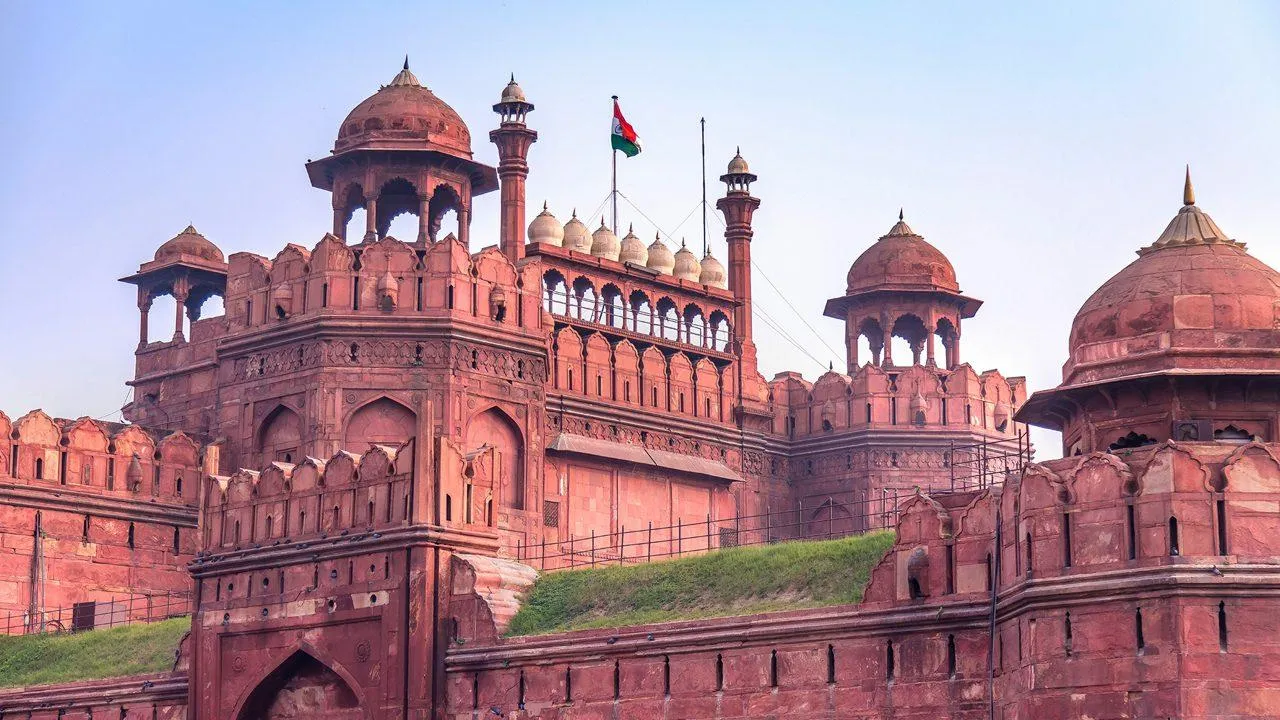
Red Fort: A Symbol of India's Rich Mughal Heritage
The Red Fort, also known as Lal Qila, is one of the most iconic and historically significant monuments in India. Located in the heart of Old Delhi, the fort was constructed by the Mughal Emperor Shah Jahan in 1648. It served as the main residence of the Mughal emperors for nearly 200 years until the British colonial era.
This majestic fort is an outstanding example of Mughal architecture, combining Persian, Timurid, and Indian styles. It is built from red sandstone, giving it its distinctive color and name. The Red Fort stands as a symbol of India's rich past and continues to play an essential role in the country's cultural identity.
History of the Red Fort
Shah Jahan commissioned the Red Fort as part of his capital, Shahjahanabad. The fort took about ten years to complete and became a focal point for the empire's governance and ceremonial affairs. It witnessed several historic events, including the 1857 revolt and India's first Independence Day speech by Prime Minister Jawaharlal Nehru in 1947.
Architecture and Design
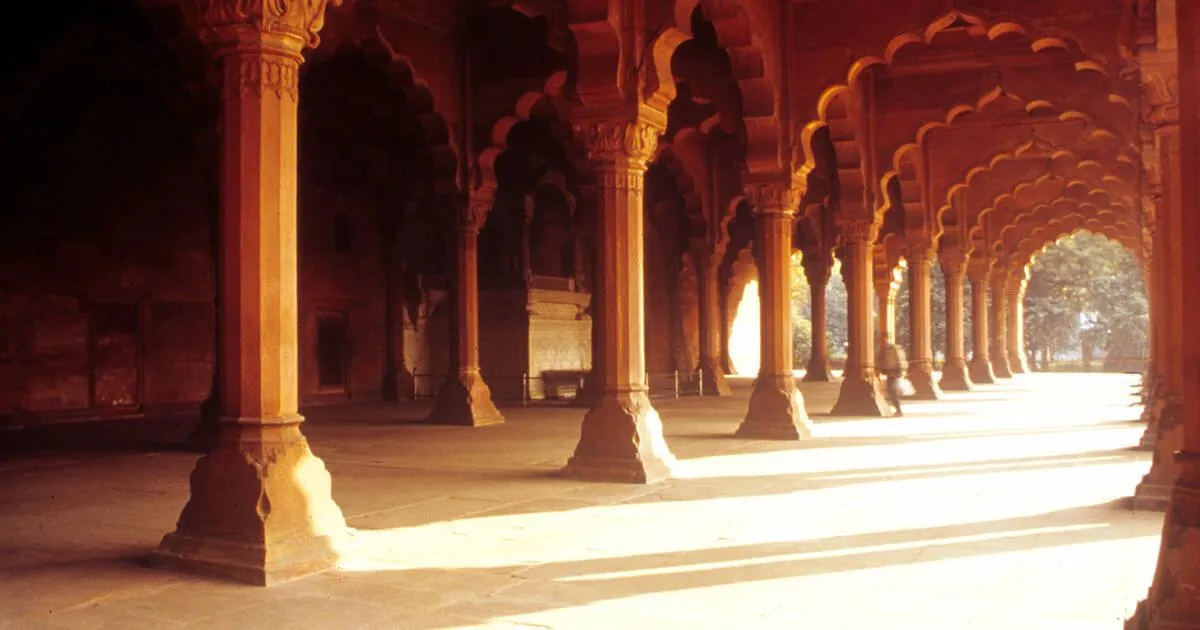
The Red Fort features massive walls, intricate marble inlays, and beautiful gardens. Key structures within the fort include the Diwan-i-Aam (Hall of Public Audience), Diwan-i-Khas (Hall of Private Audience), the Pearl Mosque, and Rang Mahal. The planning of the fort reflects the grandeur of the Mughal era and its architectural prowess.
Cultural and National Significance
Today, the Red Fort is a UNESCO World Heritage site and an enduring symbol of India’s independence. Every year on August 15, the Prime Minister of India hoists the national flag and delivers a speech from the ramparts of the fort, keeping its historical relevance alive in the hearts of Indians.
Visitor Information
The Red Fort is open to visitors throughout the week, except on Mondays. Tourists from around the world visit to explore its grand structures and museums that house artifacts from the Mughal period. The light and sound show in the evening provides a vivid depiction of the fort’s history.
Conclusion
The Red Fort is more than just a monument; it is a vibrant emblem of India's legacy, freedom struggle, and cultural diversity. Whether you are a history enthusiast or a traveler seeking architectural wonders, the Red Fort offers an unforgettable journey through time.
Facebook Comments













-
 Explore the upcoming Tamil film Maaman - cast, sto...
 -
 Read the ACE (2025) movie review starring Vijay Se...
 -
 Check out Maaman's 1st day box office collection a...
 -
 Explore tourist family reviews for Maaman movie –...
Popular Posts
Vote / Poll
Recent Posts



Recommended Posts

-
 Discover the best schools in Nagercoil f...
 -
Discover the top-rated preschools in Nag...
-
 Explore the best schools in Nagercoil th...

Comment / Reply From