Toss, Dew in Spotlight as South Africa Chase Historic Double
Toss, Dew in Spotlight as South Africa Chase Historic Double
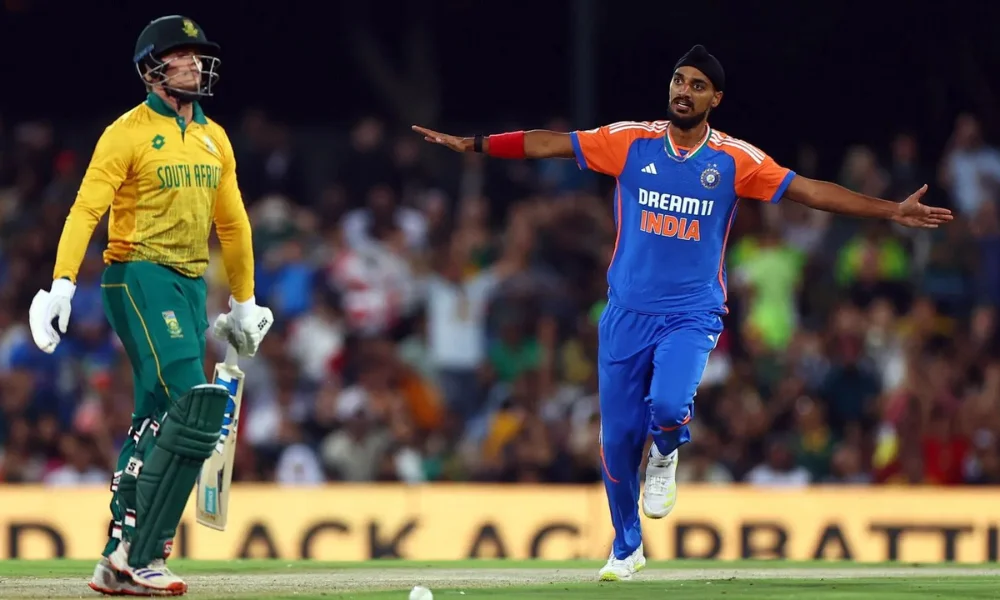
India find themselves at a fascinating crossroads as South Africa arrive in Visakhapatnam chasing a rare and historic double across formats. The home side have not lost both a Test and an ODI series on their own soil since the 1986-87 season, when Pakistan achieved a memorable twin triumph. Nearly four decades later, South Africa now stand on the verge of replicating that uncommon feat, turning this contest into one of the most closely watched cricket stories and latest developments in international cricket news.
The storyline is not just about results, but about how the small margins of modern white-ball cricket - particularly the toss and the impact of evening dew - can shape entire series. India's prolonged run of bad luck at the toss, combined with the growing influence of wet outfields and a skidding ball under lights, has pushed the toss into the centre of tactical debate. For South Africa, this presents a timely opportunity to convert conditions and momentum into a landmark achievement away from home.
Historic Stakes: India's Long Unbeaten Record at Home
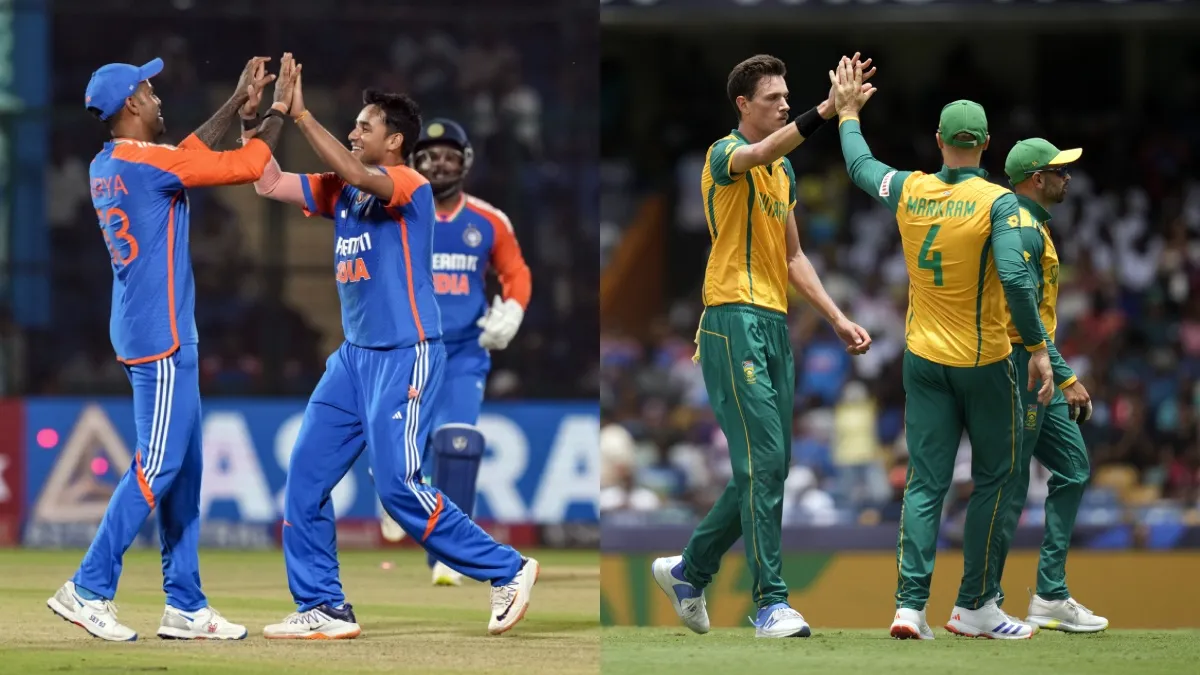
India's dominance in home conditions has been one of the defining themes of modern cricket. While they have faced the occasional setback in a single format, losing both Test and ODI legs of a home tour has been almost unheard of since the late 1980s. Pakistan's 1-0 Test series win and 5-1 ODI triumph in the 1986-87 tour remain a reference point in discussions about visiting teams conquering Indian conditions.
In the years since, India have grown into a powerhouse at home, rarely allowing touring sides to dominate across formats. This is what makes South Africa's current position so compelling. They are not just competing for a series win; they are chasing a result that would place them alongside one of the most celebrated visiting outfits to have toured India. For cricket followers tracking breaking news and updates, this clash in Visakhapatnam carries a strong sense of historical continuity and potential record-breaking drama.
Toss Trouble: Will India Finally Break Their Toss Jinx?
One of the most talked-about aspects of this series has not been a particular batter or bowler, but the coin at the centre of the pitch. India are currently on a remarkable and frustrating run of 20 consecutive losses at the toss in ODIs. The last time they called correctly was in the high-pressure environment of a World Cup semi-final, and since then, the coin has refused to fall their way in bilateral contests.
In isolation, a toss may appear to be a minor element, but in modern day-night ODIs, it can have a significant influence on the direction of a game. Captains must decide whether to bat first and post a total under the sun or to chase later under lights, when dew turns the ball into a slippery bar of soap and makes gripping it for spinners and seamers equally difficult. In this series, results and match reports have repeatedly highlighted how the toss outcome has shaped game plans and pressure moments.
India's consistent misfortune at the toss has put them in reactive mode rather than allowing them to dictate terms. Each time they walk out for the toss, it carries an extra psychological weight. A correct call from the Indian captain could finally align strategy with conditions, offering the hosts a crucial advantage in this decisive ODI and altering the narrative surrounding their recent run of narrow defeats and missed opportunities.
Dew Factor: How Conditions Tilt the Contest
Dew has long been a familiar part of evening cricket in India, but its influence has become more pronounced in recent years. The shift to using a single ball from the 34th over onward in ODIs means that teams bowling first can initially expect some assistance: the harder ball grips the surface, seam movement remains in play, and spinners can get sharper turn. However, as the evening progresses and dew settles in, the same fielding side can find themselves wrestling with a ball that refuses to respond to their skills.
In the previous match of this series, India were ahead by 35 runs at the 34-over mark compared to South Africa's position at the same stage. Yet the visitors still managed to chase down the target, making full use of the easier batting conditions, skidding surface, and challenging fielding environment created by the dew. What looked like a solid first-innings performance from India turned into a marginally below-par total once the ball started zipping on and losing its grip for the bowlers.
Both teams know that in Visakhapatnam, the toss will determine which side gets first crack with a dry ball and which side must prepare for the heavy outfield and slippery ball after sunset. The side that bats first will aim to push their total beyond the usual par score, anticipating the chase-friendly conditions later on. For India, the challenge is to execute with the ball early in the defense before the dew takes over; for South Africa, the focus will be on staying within range until conditions tilt firmly in favour of the batters.
Current Form: India vs South Africa Heading into Visakhapatnam
On recent form, both teams have experienced a mix of highs and lows, creating a sense of unpredictability around this decisive ODI. India's last five results read L W W L L, a sequence that underlines their inconsistency despite flashes of dominance. They have been competitive in most games but have struggled to close out tight situations, particularly when defending scores against well-paced chases in helpful conditions for batting under lights.
South Africa's record in their last five matches - W L L W L - paints a similar picture. They, too, have alternated between strong performances and disappointing outings. Their ability to respond under pressure, particularly when chasing, has been a key talking point in match previews and news analyses. This shared inconsistency adds another layer of tension to the Visakhapatnam clash, as neither side enters the contest with overwhelming momentum, keeping the match finely poised.
Virat Kohli: Home Comforts and Historic Numbers in Visakhapatnam
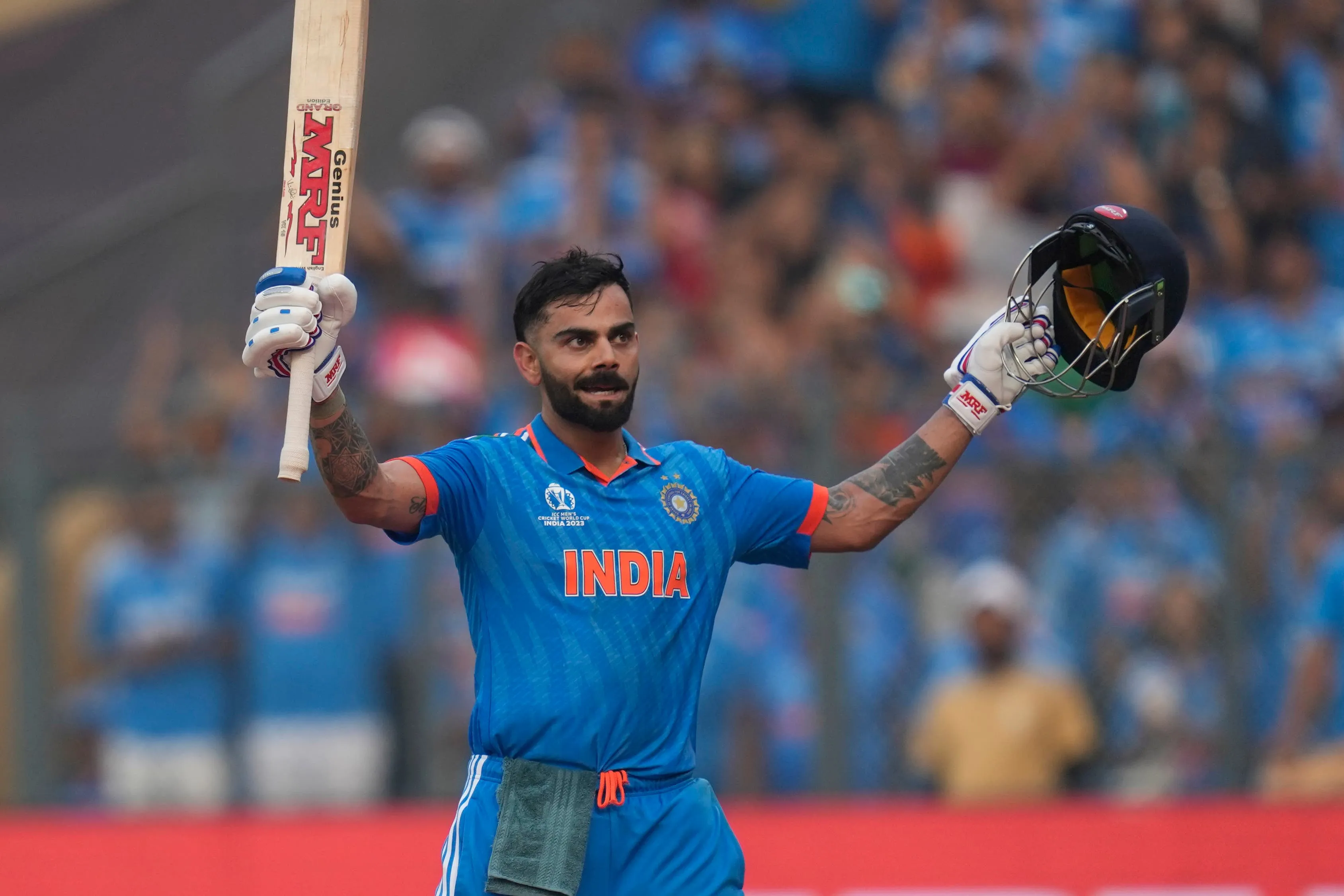
Among all the players taking the field, few command as much attention as Virat Kohli. The former Indian captain returns to one of his most productive grounds in international cricket. In Visakhapatnam, he has already registered four ODI centuries and a Test hundred, accumulating his runs at an extraordinary average of 97.83 in one-day cricket at better than a run a ball. In Tests at the same venue, he has scored 299 runs for just three dismissals, underlining how well he reads both the surface and conditions here.
Kohli has a history of building on form once he finds his rhythm. He has recorded back-to-back ODI centuries on 11 occasions in his career and has even stretched such a run to three in a row once. Arriving in Visakhapatnam on the back of strong recent performances, he stands on the brink of another possible hat-trick of hundreds. For fans following every update and breaking development, this match provides another opportunity to witness a player who thrives on big occasions and landmark chases.
Beyond the numbers, Kohli's presence stabilises India's top order. Batting at number three, he acts as a bridge between the aggressive intent of the openers and the middle order's responsibility to accelerate or rebuild. His familiarity with the venue, combined with his ability to adjust to conditions quickly, makes him central to India's plans whether they are setting a total or chasing under lights in this key fixture.
Marco Jansen: Emerging Allrounder Under the Spotlight
On the South African side, all eyes will be on Marco Jansen as he continues his journey towards becoming a genuine allrounder. So far in the series, he has taken four wickets, but they have come at an average of 34.75 with an economy rate close to seven runs per over. Those numbers highlight both his wicket-taking ability and the room for improvement in his control, especially in conditions where batters can cash in during the later overs.
If Nandre Burger does not recover in time, Jansen may be handed the new ball. That responsibility would place him right at the heart of South Africa's plans with the ball, especially against India's top order featuring Rohit Sharma and Virat Kohli. Early wickets could tilt the match sharply in South Africa's favour, while a wayward opening spell may allow India to impose themselves on a surface expected to favour stroke-play, particularly in the early overs before the ball softens.
With the bat, Jansen's role will be to stretch the batting depth, adding valuable runs in the lower middle order. In a game where conditions are expected to ease out for batters as the evening progresses, his ability to clear the ropes and rotate strike could prove decisive in tight run chases. For South Africa, his development is not just a short-term boost, but a key component of their long-term white-ball strategy.
Team News: India Settle, South Africa Adjust
India are unlikely to make drastic changes to the XI that has produced one win and a narrow defeat despite consistently losing the toss. The top order of Yashasvi Jaiswal, Rohit Sharma, Virat Kohli, and Ruturaj Gaikwad offers a blend of aggression and stability. Gaikwad's century, which matched Kohli almost stroke for stroke in a previous outing, has reinforced his place in the side and given India another reliable scoring option in the top four.
In the bowling department, Prasidh Krishna has gone for runs at over eight an over, but India have no like-for-like fast-bowling alternative in the squad. Replacing him with an allrounder is not currently part of the plan, which means the team management will instead back him to adjust his lengths and plans in Visakhapatnam. Alongside Arshdeep Singh, Kuldeep Yadav, Ravindra Jadeja, Washington Sundar, and Harshit Rana, the attack has the variety to exploit any early assistance before dew reduces the margin for error.
South Africa, by contrast, have been forced into changes. Two hamstring injuries suffered in the previous ODI have ruled out Nandre Burger and Tony de Zorzi, prompting a reshuffle. Ottneil Baartman is expected to come in to bolster the pace attack, while Ryan Rickelton should slot into the batting order. Joined by Aiden Markram, Quinton de Kock, Temba Bavuma, Matthew Breetzke, Dewald Brevis, Marco Jansen, Corbin Bosch, Keshav Maharaj, and Lungi Ngidi, the visitors retain a strong mix of experience and youth across departments.
Pitch and Weather: Visakhapatnam's Dual Personality
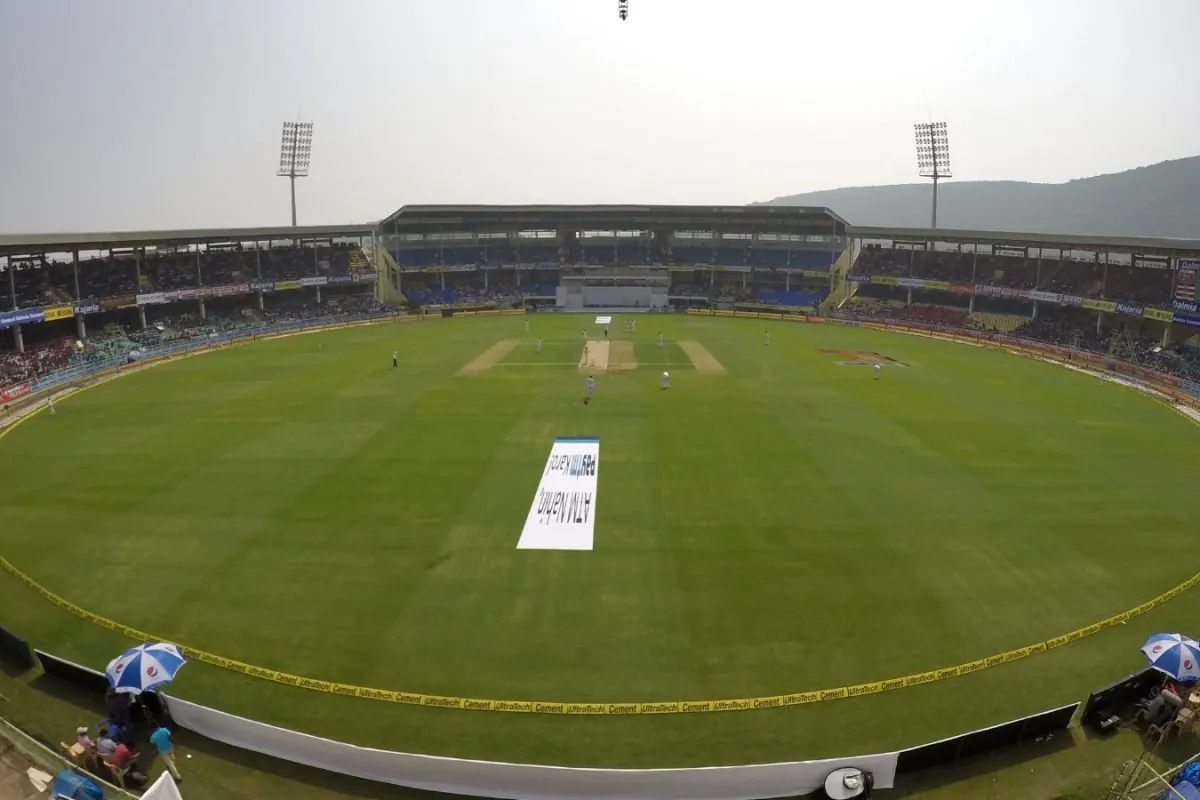
Visakhapatnam's recent ODI history has showcased two extremes. In 2019, India stormed to a massive 387 against West Indies on a pitch that rewarded timing and stroke-play, allowing batters to dominate from start to finish. In sharp contrast, during 2023, India were bundled out for just 117 against Australia on the same ground, where the surface assisted bowlers dramatically and punished any technical or shot-selection errors from the batters.
For this encounter, pitch preparation has not been hampered by adverse weather, and expectations point towards a more batting-friendly wicket. The surface is likely to offer true bounce and consistent pace, rewarding players willing to play their shots. However, early movement with the new ball cannot be ruled out completely, especially for bowlers who hit the right lengths and utilize the seam effectively in the first powerplay.
Weather conditions should be warmer compared to Ranchi and Raipur, but still comfortable for cricket. For players, that means less concern about heavy layering and more focus on hydration and endurance under lights. For viewers following live coverage and written reports, Visakhapatnam promises an engaging mix of scenic setting, competitive cricket, and a surface that can produce high totals if batters settle in and pace their innings intelligently.
Stats and Nuggets: Records on the Line
A key statistical backdrop to this match is the chase for consecutive ODI centuries. Kumar Sangakkara currently holds the world record with four tons in a row, a mark that stands as one of the great batting sequences in the format. Virat Kohli is among the few players to have achieved three consecutive ODI hundreds, and his current form combined with his record at Visakhapatnam puts him once again in the conversation whenever such records are discussed in news features and analytical pieces.
Another interesting nugget centres on South Africa's resilience in Indian conditions. They were the last team to defeat India at home despite losing the toss, back in October 2022. That result underlined their ability to adapt to surfaces, manage pressure phases, and find ways to win even when the coin does not favour them. As they now chase a historic double across formats, that previous success will serve as a psychological boost, reinforcing their belief that they can overcome both conditions and crowd pressure.
Facebook Comments













-
 Explore the upcoming Tamil film Maaman - cast, sto...
 -
 Read the ACE (2025) movie review starring Vijay Se...
 -
 Check out Maaman's 1st day box office collection a...
 -
 Explore tourist family reviews for Maaman movie –...
Popular Posts
Vote / Poll
Recent Posts



Recommended Posts

-
 Discover the best schools in Nagercoil f...
 -
 Discover the top-rated preschools in Nag...
 -
 Explore the best schools in Nagercoil th...

Comment / Reply From