India vs South Africa T20I Called Off Due to Fog and Pollution
India vs South Africa T20I Called Off Due to Fog and Pollution
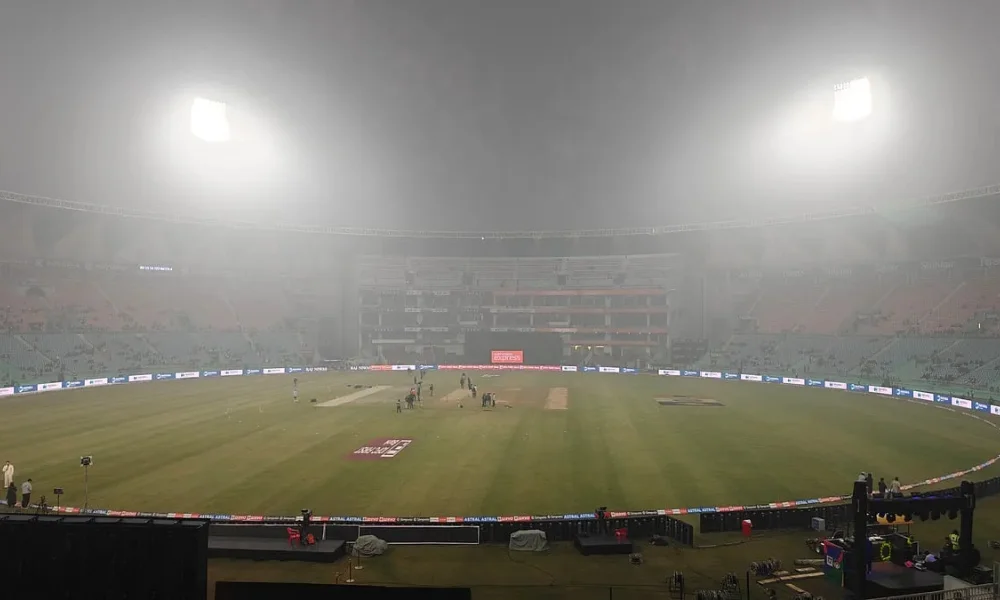
Indian cricket witnessed an unusual and frustrating episode on Wednesday when the fourth T20 International between India and South Africa, scheduled at the Ekana Stadium in Lucknow, was called off without a single delivery being bowled. The match was abandoned due to a combination of dense fog and dangerously high pollution levels, making visibility and playing conditions unsuitable for international cricket. What was expected to be a crucial contest in the five-match series instead turned into a talking point around environmental conditions and scheduling decisions.
The abandonment of an international fixture without any on-field action is a rare occurrence in Indian cricket, especially in a country known for its packed cricket calendar and massive fan following. The incident immediately drew attention not just because of the match being called off, but also due to the broader concerns it raised regarding air quality, player safety, and the planning of fixtures during peak winter months in northern India.
Hazardous AQI Raised Player Safety Concerns
The Air Quality Index in Lucknow remained above the 400 mark throughout the day, placing it firmly in the hazardous category. Such levels are widely considered unsafe even for short-term outdoor exposure, let alone for athletes expected to perform at peak physical intensity. The thick layer of haze hovering over the city severely restricted visibility at the Ekana Stadium, creating conditions that were far from acceptable for professional cricket.
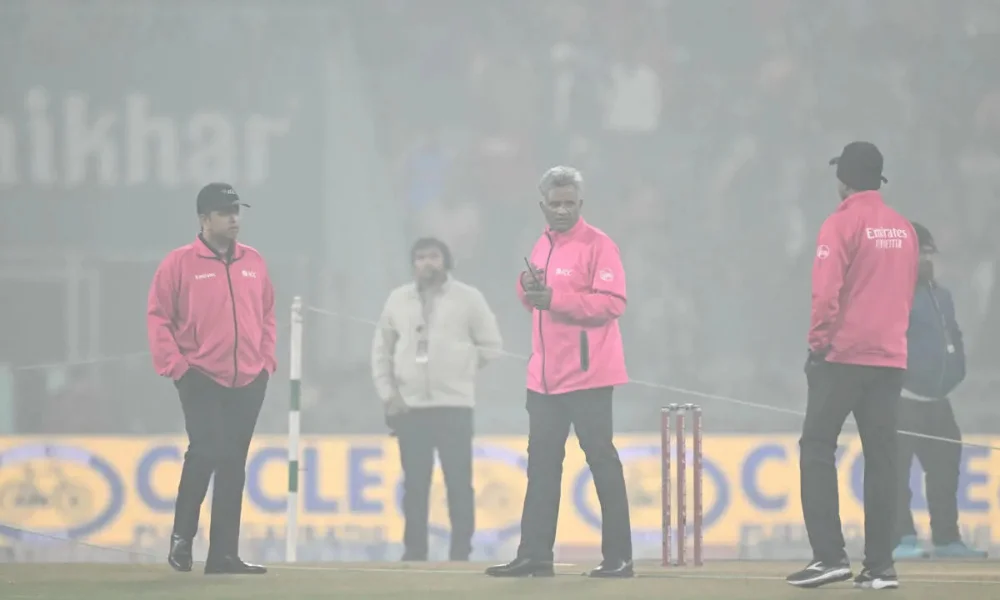
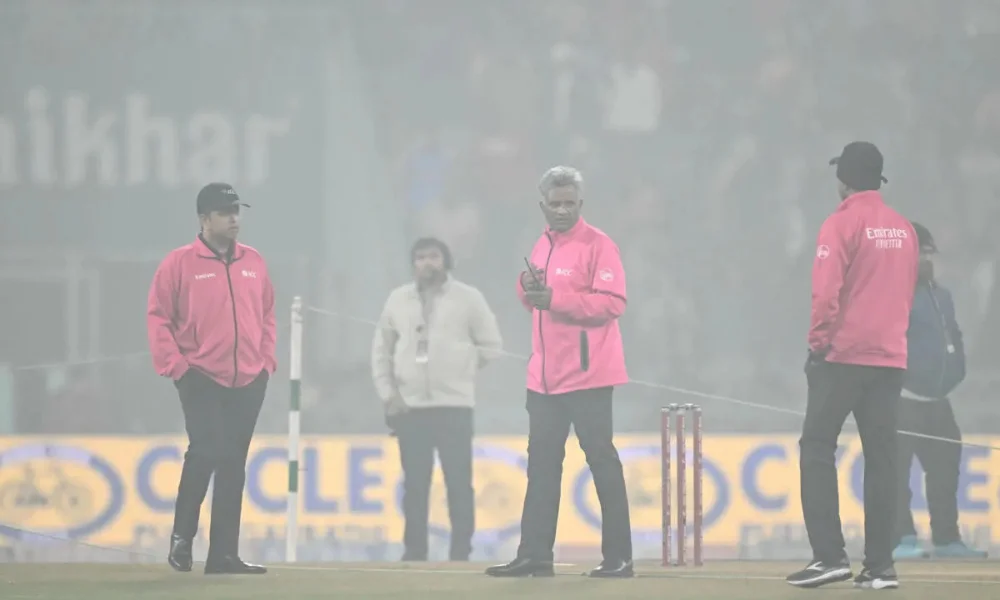
Match officials carried out multiple inspections in an attempt to assess whether conditions might improve as the evening progressed. However, each assessment revealed that the haze was persistent, and visibility remained compromised. Despite waiting and reassessing the situation six times, officials were left with little choice but to prioritize player health and safety, leading to the eventual forfeiture of the match.
The hazardous AQI levels also intensified scrutiny over whether enough consideration was given to environmental factors when selecting venues for international matches. With air pollution becoming a recurring issue in several north Indian cities during winter, the situation in Lucknow highlighted how environmental challenges are increasingly intersecting with sports scheduling.
Poor Visibility Forced Match Abandonment
The match was originally scheduled to begin at 7 PM, but even before the toss could take place, it became clear that conditions were deteriorating rather than improving. A dense haze enveloped the stadium well ahead of the start time, making it difficult to see across the ground. The outfield, stands, and surrounding areas were all blanketed by fog and pollution, creating an eerie atmosphere inside the venue.
Indian all-rounder Hardik Pandya was seen wearing a surgical mask during the team's warm-up session, a visual that quickly became symbolic of the severity of the situation. By around 7:30 PM, players from both sides halted their warm-up routines and returned to their dressing rooms as officials continued to deliberate over the feasibility of starting the game.
As time passed, it became increasingly evident that visibility would only worsen as night set in. At approximately 9:30 PM, after the sixth inspection, the match was officially called off. While the announcement marked the formal end of proceedings, the outcome had long seemed inevitable given the persistent conditions.
Crowd Disappointment at Ekana Stadium
The abandonment was particularly disappointing for the spectators who had turned up in large numbers despite the cold weather. Fans waited patiently in the stands, hoping for an improvement in conditions that would allow at least a shortened game. However, as the evening wore on and visibility continued to decline, optimism gradually faded.
By around 9 PM, a significant portion of the crowd had already begun to leave the stadium, realizing that the chances of play were minimal. The lack of an alternative plan or reserve day only added to the frustration, as ticket-holding spectators were left without any cricketing action to justify their wait.
Questions Over BCCI's Winter Scheduling
The forfeiture of the Lucknow T20I reignited debate over the Board of Control for Cricket in India's scheduling decisions, particularly regarding matches held in northern India during winter. The India vs South Africa tour featured several venues known for harsh winter conditions and elevated pollution levels during November and December, including Lucknow, Dharamsala, and New Chandigarh.
This period typically coincides with worsening air quality across many north Indian cities, often accompanied by fog and low visibility. The choice to host high-profile international fixtures during this timeframe raised concerns about whether sufficient weight was given to historical weather and environmental data while finalizing the itinerary.
Lack of Backup Planning Highlighted
The absence of a reserve day or alternate scheduling option further amplified criticism. With no contingency in place, officials had no flexibility once conditions became unplayable. Observers pointed out that alternative measures, such as afternoon start times or venue adjustments, might have improved the chances of completing the match.
Suggestions were also made regarding a possible exchange of venues with the upcoming New Zealand white-ball series, which is largely scheduled in western and southern India. Such regions generally experience more stable weather conditions during winter, potentially reducing the risk of weather-related disruptions.
Earlier Matches Also Affected by Conditions
The Lucknow washout was not an isolated incident, as earlier matches in the series had already been influenced by challenging conditions. The third T20I in Dharamsala was played in temperatures below 10 degrees Celsius, testing players' endurance and adaptability in extreme cold.
Indian spinner Varun Chakravarthy later acknowledged that the conditions were among the toughest he had experienced. His remarks reflected the broader sentiment within the squad, particularly among players not accustomed to such cold climates. Additionally, air quality during earlier fixtures ranged from poor to severe, underlining a recurring pattern throughout the series.
Series Situation After the Washout
With the fourth T20I officially abandoned, both teams will now travel to Ahmedabad for the final match of the series. India currently holds a 2-1 lead in the five-match contest, setting the stage for a decisive encounter. The washout in Lucknow, however, will remain a significant talking point, not for cricketing action, but for the circumstances that prevented it from taking place.
Facebook Comments














-
 Explore the upcoming Tamil film Maaman - cast, sto...
 -
 Read the ACE (2025) movie review starring Vijay Se...
 -
 Check out Maaman's 1st day box office collection a...
 -
 Explore tourist family reviews for Maaman movie –...
Popular Posts
Vote / Poll
Recent Posts




Recommended Posts

-
 Discover the best schools in Nagercoil f...
 -
 Discover the top-rated preschools in Nag...
 -
 Explore the best schools in Nagercoil th...

Comment / Reply From