History of BCCI From Formation to Global Cricket Powerhouse
History of BCCI: From Formation to Global Cricket Powerhouse
The Board of Control for Cricket in India (BCCI) is the national governing body responsible for managing and regulating cricket in India. It oversees every aspect of the sport, from grassroots development to international representation. Whether it is Test matches, One Day Internationals, T20s, or domestic tournaments, all official cricketing activities in India function under the authority of the BCCI. Over the years, the board has grown far beyond a regulatory role and has become a central pillar of Indian sports culture.
Today, the BCCI is widely regarded as the richest and most influential cricket board in the world. Its financial strength, massive fan base, and control over key cricketing events have given it unmatched authority within global cricket. Decisions taken by the BCCI often influence international schedules, broadcasting structures, and even the commercial direction of the sport worldwide
Founding & Legal Status
The BCCI was founded on 1 December 1928 in Madras (now Chennai) at a time when cricket in India lacked a unified governing structure. Before its formation, the sport was managed by regional bodies and clubs with little coordination. Recognizing the need for a central authority, cricket administrators came together to establish the BCCI, laying the foundation for organized cricket in the country.
Legally, the BCCI was first registered under the Madras Societies Act and later under the Tamil Nadu Societies Registration Act, 1975. One of the most defining aspects of the BCCI is its autonomous nature. It is a private organization and does not receive financial grants from the Government of India or the Ministry of Sports. Instead, it operates as a consortium of state cricket associations, whose representatives elect the BCCI president and key office-bearers, ensuring internal governance through its member bodies.
International Membership
Even before its formal establishment, Indian cricket gained international recognition when the BCCI joined the Imperial Cricket Conference (ICC) in 1926. This early membership gave India official status in international cricket and allowed the country to participate in global cricketing affairs.
Joining the ICC was a significant milestone, as it placed India among the recognized cricketing nations of the world during the colonial era. Over time, as India's influence in cricket expanded, the BCCI's role within the ICC grew stronger, eventually becoming one of the most powerful voices in international cricket governance.
Headquarters

The headquarters of the BCCI is located at the Cricket Centre, Wankhede Stadium, Mumbai, Maharashtra. Situated in one of India's most iconic cricket venues, the headquarters serves as the administrative nerve center of Indian cricket.
From this office, the BCCI manages national teams, domestic competitions, broadcasting rights, sponsorship deals, and international relations. Mumbai's historical connection with Indian cricket makes it a fitting location for an institution that has shaped the sport's journey for nearly a century.
Role & Responsibilities
The BCCI plays a comprehensive role in managing cricket across all levels in India. One of its primary responsibilities is overseeing the Indian national teams, including the men's, women's, and various youth squads. It ensures proper selection processes, coaching appointments, training facilities, and international exposure for players.
In addition, the BCCI organizes major domestic cricket tournaments such as the Ranji Trophy, Duleep Trophy, and other competitions that form the backbone of India's cricketing structure. It also schedules international tours and home series, coordinates with other cricket boards, and manages player development programs. Another major responsibility is the organization of the Indian Premier League (IPL), one of the world's richest and most popular sports leagues, which has transformed cricket into a global entertainment product.
Revenue & Influence
The BCCI's financial strength is unmatched in world cricket. Its revenue runs into tens of thousands of crores, making it the wealthiest cricket governing body globally. A significant portion of this income comes from broadcasting rights, sponsorships, and the commercial success of the IPL.
Because of India's massive cricket audience and market value, the BCCI receives a substantial share of ICC revenue. This financial dominance has translated into strong influence over international cricketing decisions, including tournament scheduling, revenue-sharing models, and policy frameworks within the ICC.
Important Events in History
The journey of the BCCI began with a nationwide meeting in Delhi in 1927, where administrators agreed on the need for a controlling body for Indian cricket. This led to the formal establishment of the BCCI in December 1928, with R. E. Grant Govan as its first president and Anthony De Mello as the first secretary.
Captains of India Across All Three Formats (Men & Women)
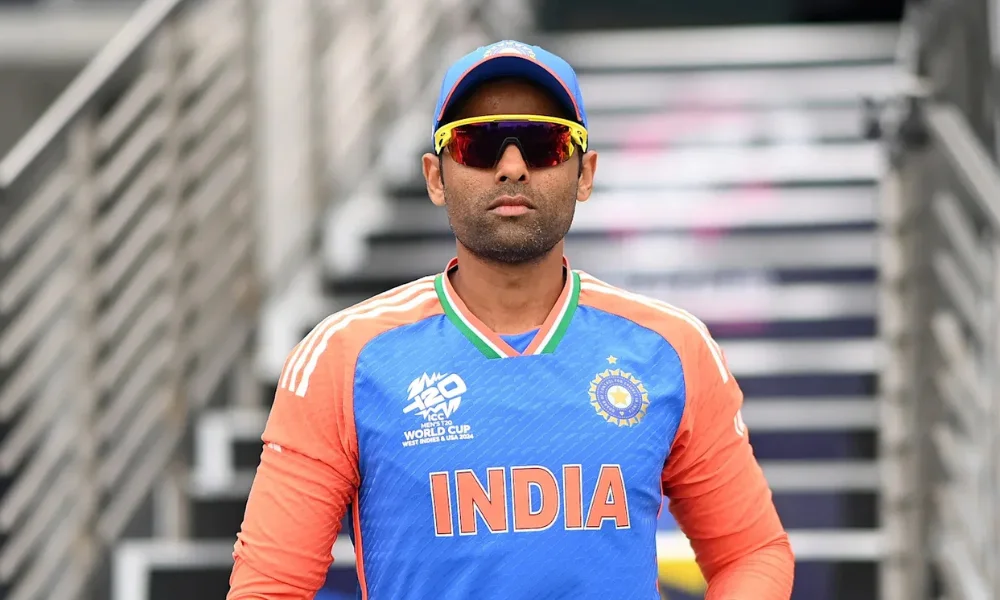
The leadership of Indian cricket across Test, One Day International, and T20 formats has played a decisive role in shaping the team's identity under the BCCI. Each format demands a different mindset - patience and resilience in Tests, balance and strategy in ODIs, and fearless innovation in T20 cricket. Over the years, the BCCI has entrusted captaincy to individuals who not only excelled as players but also carried the responsibility of guiding the team through changing eras of the game.
In men's cricket, Indian captains have evolved from traditional, technique-focused leaders to modern tacticians who emphasize fitness, adaptability, and aggressive intent. Similarly, in women's cricket, leadership has grown stronger with time, producing captains who have led India to global recognition and consistency. Together, these leaders across formats reflect how Indian cricket leadership has matured under structured administration and long-term planning.
Indian Men's Team Captains - Test, ODI, and T20I
Indian men's cricket has witnessed a rich captaincy history across all three formats. In Test cricket, leaders such as Sunil Gavaskar and Mohammad Azharuddin carried Indian cricket through transitional periods, while Sourav Ganguly brought a new sense of belief and competitiveness, especially overseas.This foundation was strengthened by MS Dhoni, who emphasized calm leadership and consistency, and later by Virat Kohli , under whom India became one of the most dominant Test sides in the world, particularly away from home.
This foundation was strengthened by MS Dhoni, who emphasized calm leadership and consistency, and later by Virat Kohli, under whom India became one of the most dominant Test sides in the world. In ODI cricket, captaincy success reached iconic heights under Kapil Dev and MS Dhoni, while in T20 Internationals, Dhoni led India to victory in the inaugural 2007 T20 World Cup. laying the foundation for India's T20 culture. Recent leadership transitions have continued to focus on flexibility, squad depth, and tactical sharpness across formats.
Indian Women's Team Captains - Test, ODI, and T20I
The growth of women's cricket in India is closely linked to the leadership provided by its captains. Early leaders helped establish credibility, while modern captains elevated India into a consistent global contender.In ODIs and T20Is, captains like Mithali Raj provided stability, discipline, and longevity, guiding the team through major tournaments and setting benchmarks for professionalism.
Mithali Raj brought stability and professionalism, while Harmanpreet Kaur encouraged fearless cricket and backed young talent. Their leadership reflects the BCCI's increasing investment in women's cricket, including better domestic structures, contracts, and exposure. Across all formats, women captains have played a crucial role in transforming Indian women's cricket from a developing side into a respected international force.
Captaincy History Under BCCI Administration
The history of Indian cricket captaincy mirrors the broader evolution of the BCCI itself. In the early decades, captaincy was often symbolic, with limited resources and minimal international success. Leaders focused on maintaining competitiveness and learning from stronger teams. As infrastructure, domestic cricket, and administration improved, captaincy became more strategic and influential.From Kapil Dev's inspirational leadership in the 1980s to Sourav Ganguly's team-building phase in the early 2000s, and from MS Dhoni's trophy-winning calm to Virat Kohli's aggressive, fitness-driven era, each captain represented a distinct phase of Indian cricket's growth. In women's cricket, the transition from survival to competitiveness and finally to dominance in key moments highlights the impact of consistent leadership. Under the BCCI's governance, captaincy has evolved into a role that balances performance, discipline, and long-term vision.
Legacy of Leadership in Indian Cricket
Captains have always been the bridge between the BCCI's administration and the players on the field. Their decisions, temperament, and ability to handle pressure have shaped match results, team culture, and public trust. Over nearly a century, Indian cricket captains - both men and women - have carried not just the weight of performance but the expectations of a cricket-loving nation.Today, Indian captaincy reflects depth, preparation, and adaptability across formats. This legacy of leadership continues to evolve, ensuring that the future of Indian cricket remains strong, competitive, and globally respected.
Administration & Current Office-Bearers
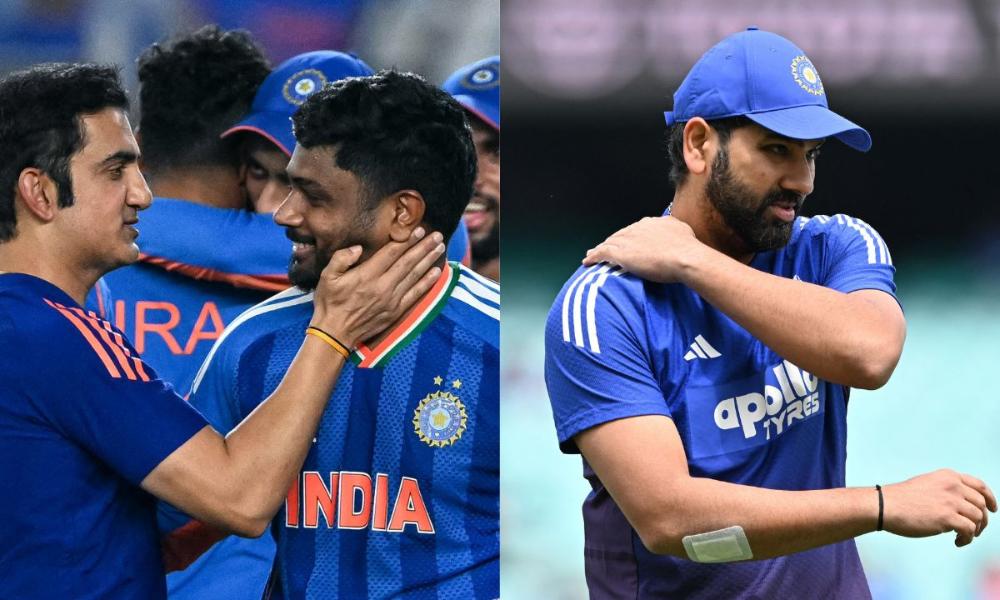
As per the latest available updates, the BCCI is led by President Mithun Manhas, with Rajeev Shukla serving as Vice-President and Devajit Saikia as Secretary. These office-bearers oversee policy decisions, financial planning, and overall governance of Indian cricket.On the sporting side, the Indian men's team is coached by Gautam Gambhir, while the women's team is guided by Amol Muzumdar. Together, the administrative and coaching leadership works to maintain India's competitiveness across all formats and age groups.
Interesting Facts
One of the most notable facts about the BCCI is that it is entirely privately funded and does not rely on government financial support. This independence has allowed it greater flexibility in decision-making and commercial expansion. The BCCI governs multiple national teams, including senior men's and women's teams, under-19 squads, and other developmental teams. It also continues to host major ICC events and plays a crucial role in promoting cricket infrastructure and talent development across India, ensuring the sport's continued growth for future generations.In 1932, India played its first-ever Test match in England, marking a historic entry into international cricket. The introduction of the Ranji Trophy in 1936 further strengthened domestic cricket and created a structured pathway for talent. Another landmark moment came in 1987, when the BCCI hosted the Cricket World Cup, the first time the tournament was held outside England. The launch of the Indian Premier League (IPL) in 2008 proved to be a turning point, revolutionizing cricket's commercial and entertainment landscape worldwide.
National Teams Under BCCI (Men's and Women's)
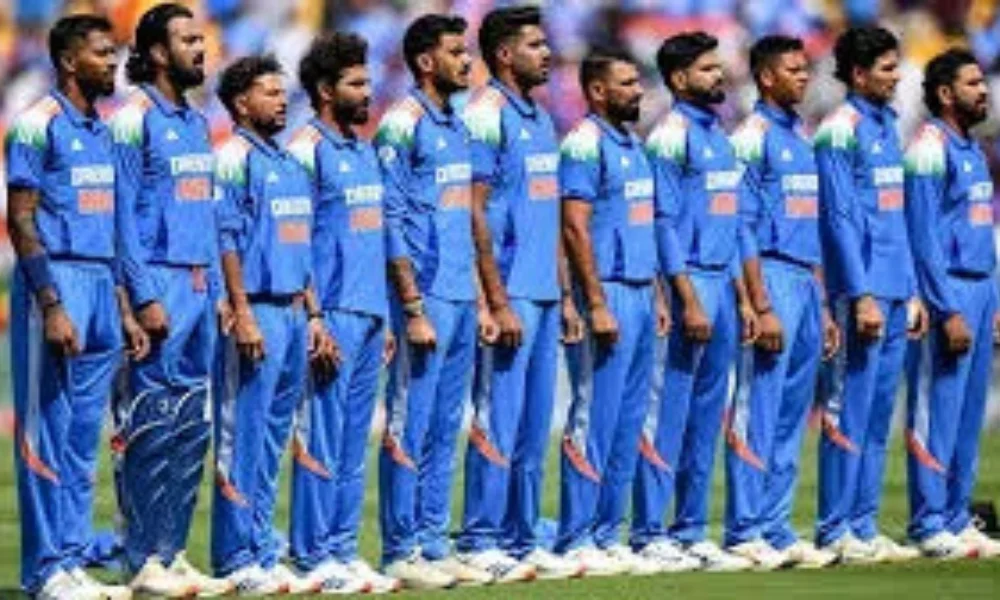
The BCCI governs all Indian national cricket teamsIndian national cricket teams across formats and age groups. This includes the Indian men's and women's senior teams, as well as under-19, A teams, and emerging squads. The board is responsible for team selection policies, coaching appointments, fitness standards, and long-term player development. Over the years, structured systems introduced by the BCCI have helped India maintain strong bench strength, ensuring a steady supply of talent capable of competing at the highest international level. Indian women's cricket, in particular, has seen remarkable growth under the BCCI's direct administration. Increased investment, centralized contracts, improved domestic competitions, and regular international tours have helped elevate the women's team into a consistent global contender. Today, both the men's and women's teams represent India with professionalism, depth, and global respect across all formats.
BCCI Franchise-Level Tournaments
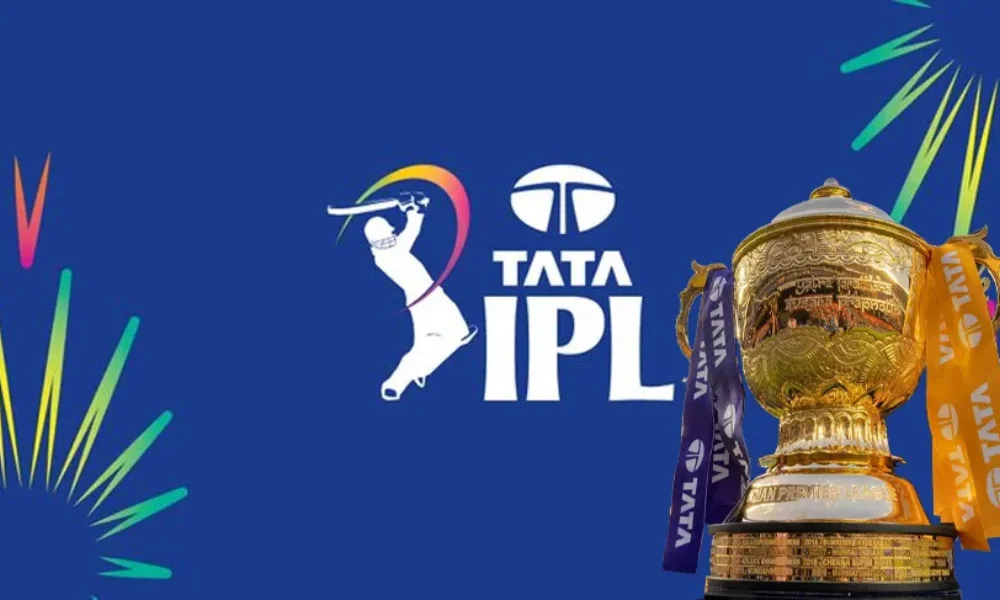
One of the most transformative contributions of the BCCI to world cricket has been the introduction of franchise-based tournaments. The Indian Premier League (IPL), launched in 2008, redefined the sport by blending cricket with entertainment, global talent, and massive commercial appeal. Featuring city-based franchises, international stars, and young Indian players, the IPL quickly became one of the most watched and valuable sports leagues in the world.
Beyond the IPL, the BCCI has also supported other franchise-style and league formats at domestic levels, providing players with exposure to high-pressure environments. These tournaments have improved player skills, fitness, and adaptability while also creating economic opportunities for cricketers, coaches, and support staff. The success of the IPL has inspired similar leagues across the globe, further cementing BCCI's influence in modern cricket.
India's ICC Trophy Wins Under BCCI Administration
Under the administration of the BCCI, India has enjoyed several historic triumphs in ICC tournaments, each marking a defining moment in the nation's cricketing journey. The 1983 Cricket World Cup victory transformed Indian cricket forever, led by Kapil Dev and supported by a fearless team that believed it could challenge the strongest sides in the world. This win sparked nationwide passion and laid the foundation for cricket's massive popularity in India.
India continued its ICC success with the 2007 ICC T20 World Cup, where a young and energetic team led by MS Dhoni introduced a new era of aggressive, modern cricket. The 2011 Cricket World Cup, won on home soil, stands as one of the most emotional moments in Indian sporting history, with players like Sachin Tendulkar, Yuvraj Singh, MS Dhoni, and Gautam Gambhir playing crucial roles. India further added to its legacy by winning the 2013 ICC Champions Trophy, demonstrating consistency, depth, and dominance across formats.
Iconic Players Who Shaped BCCI's Legacy
The rise of the BCCI is closely linked to the legendary players who wore the Indian jersey and shaped the country's cricketing identity. Icons like Sunil Gavaskar and Kapil Dev laid the early foundations, proving that Indian players could succeed on the world stage. Sachin Tendulkar, often regarded as the greatest batsman of his generation, became the face of Indian cricket and played a vital role in its global popularity.
The modern era saw leaders such as MS Dhoni, whose calm leadership brought multiple ICC trophies, and Virat Kohli, who redefined fitness, aggression, and consistency in international cricket. Alongside them, players like Rahul Dravid, Sourav Ganguly, Anil Kumble, Yuvraj Singh, and Rohit Sharma Rohit Sharma contributed significantly to India's rise as a cricketing powerhouse. These players not only achieved personal milestones but also strengthened the reputation and stature of the BCCI in world cricket.
India as One of the Most Successful Teams in ICC Tournaments
Under the governance of the BCCI, India has established itself as one of the most successful and consistent teams in ICC history. Across formats, Indian teams have repeatedly reached knockout stages, finals, and semi-finals, reflecting depth, adaptability, and sustained excellence. From dominating Test cricket cycles to excelling in limited-overs tournaments, India's presence in ICC events has become a benchmark for performance and preparation.
India's success is not limited to trophies alone. The team has consistently topped ICC rankings across formats and has produced match-winners in every era. Strong domestic structures, fitness-focused preparation, data-driven strategies, and leadership stability under the BCCI have ensured that India remains a powerhouse regardless of format or opposition. This consistency has earned India global respect as one of the strongest teams in world cricket.
Looking Ahead: Waiting for the Upcoming World Cups
As Indian cricket moves forward, anticipation continues to build around upcoming ICC World Cups across formats. With a strong core of experienced players and an exciting group of young talents emerging from domestic cricket and the IPL, expectations remain high. The BCCI's emphasis on workload management, bench strength, and long-term planning has positioned India well for future global tournaments.
Fans across the country eagerly await the next World Cup challenge, hopeful of witnessing another historic triumph. Each upcoming tournament represents not just a chance to win silverware, but an opportunity to extend India's cricketing legacy on the world stage. With preparation already underway and leadership focused on excellence, Indian cricket enters every World Cup cycle as a serious contender, carrying the hopes of millions.
Facebook Comments













-
 Explore the upcoming Tamil film Maaman - cast, sto...
 -
 Read the ACE (2025) movie review starring Vijay Se...
 -
 Check out Maaman's 1st day box office collection a...
 -
 Explore tourist family reviews for Maaman movie –...
Popular Posts
Vote / Poll
Recent Posts



Recommended Posts

-
 Discover the best schools in Nagercoil f...
 -
 Discover the top-rated preschools in Nag...
 -
 Explore the best schools in Nagercoil th...

Comment / Reply From