PM Modi Avoids Trump Calls as US-India Ties Sour: Report
PM Modi Avoids Trump Calls as US-India Ties Sour: Report
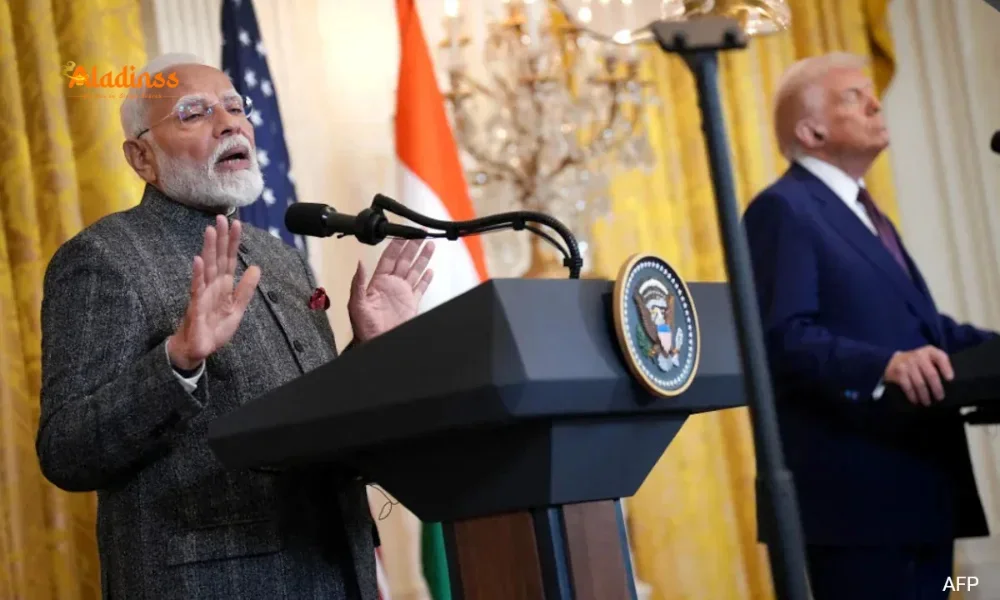
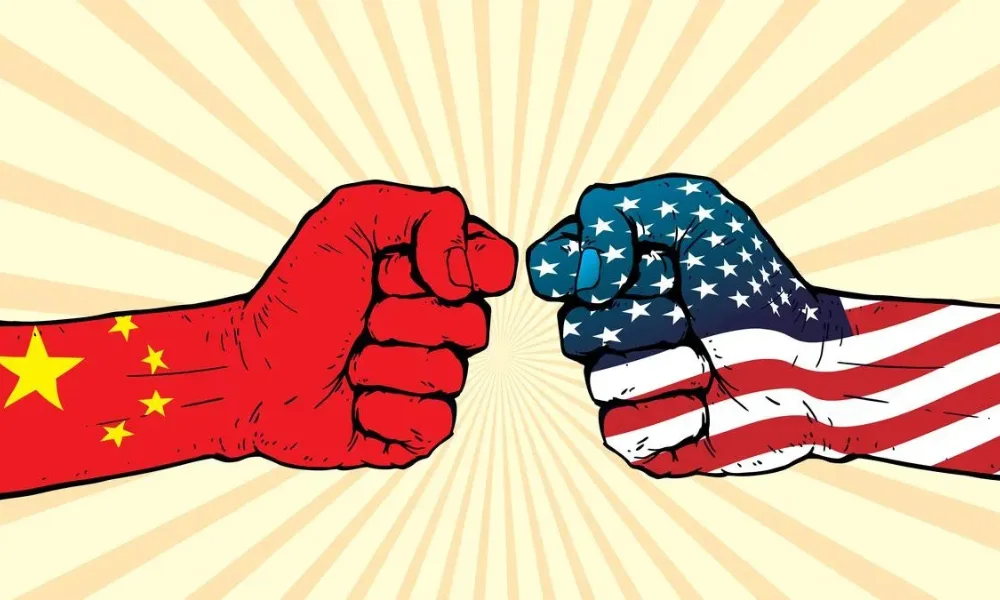
In a significant development highlighting strains in US-India relations, Prime Minister Narendra Modi reportedly declined to take four phone calls from US President Donald Trump in recent weeks, according to a report by German newspaper Frankfurter Allgemeine Zeitung (FAZ) on August 26, 2025. The refusal comes amid escalating trade tensions, with the US imposing a 50% tariff on Indian exports, effective August 27, 2025, marking a low point in what both nations have often described as the "most consequential relationship of the 21st century." The FAZ report, echoed by Japanese outlet Nikkei Asia, suggests that Modi's actions reflect India’s resolve to resist American pressure while balancing its strategic ties with both Washington and Beijing. This breaking news has sparked global discussions about the future of US-India bilateral ties, with analysts warning of a potential shift in India’s geopolitical alignment.
Background of the Trade Dispute
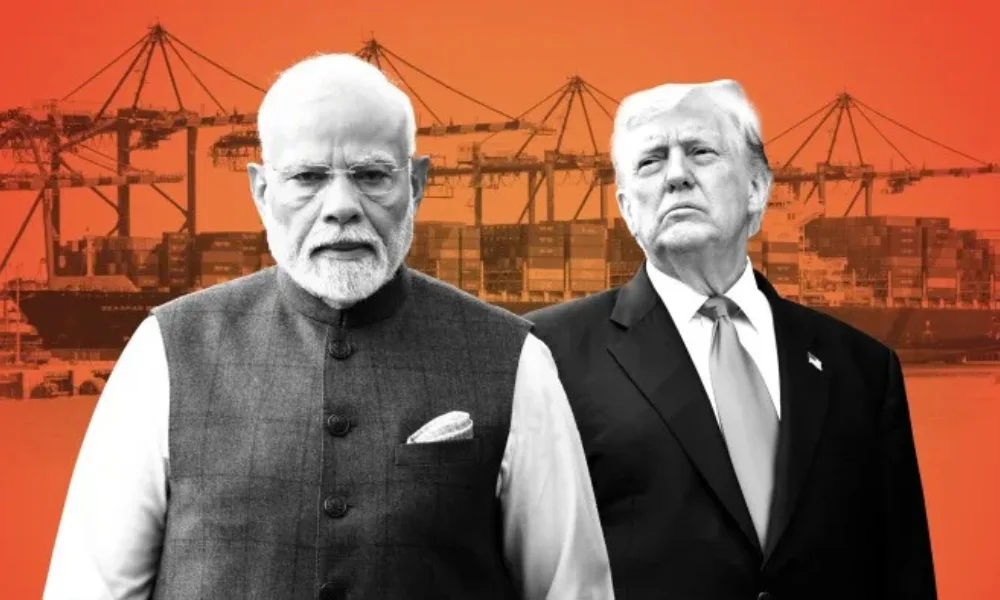
The reported snub by PM Modi coincides with a deepening trade dispute between India and the United States, primarily driven by President Trump’s decision to impose a 50% tariff on Indian goods, the highest for any country except Brazil. This includes a 25% additional duty targeting India’s continued purchase of Russian crude oil, a move that has drawn sharp criticism from New Delhi. The tariffs, effective from August 27, 2025, have disrupted ongoing trade negotiations aimed at achieving a $500 billion bilateral trade goal by 2030. India has steadfastly refused to open its agriculture and dairy sectors to US imports, prioritizing the interests of its farmers and small businesses, a stance Modi reiterated in a public address on August 10, 2025, vowing to “never compromise” on these sectors.
The FAZ report, while not citing specific sources, opined that the trade clash illustrates India’s determination to assert its autonomy in international relations. Nikkei Asia similarly noted that Modi’s refusal to engage with Trump over the phone has “heightened Trump’s frustration,” signaling a growing rift. The Indian Ministry of External Affairs (MEA) has condemned the US tariffs as “unjustified,” particularly the penalties tied to Russian oil imports, which account for 35–40% of India’s crude oil supply, up from just 0.2% before the Russia-Ukraine conflict in 2022. This trade dispute has cast a shadow over the strategic partnership, with analysts suggesting that personal tensions between the two leaders are exacerbating policy disagreements.
Modi’s Cautious Approach to Diplomacy
A key Indian diplomat, speaking anonymously earlier in August 2025, clarified that it is not PM Modi’s style to negotiate critical matters over the phone, preferring structured dialogues through official channels. This approach, the diplomat suggested, stems from Modi’s intent to avoid misunderstandings or misrepresentations, particularly given Trump’s history of making exaggerated claims. A notable instance is Trump’s repeated assertion that he prevented a nuclear war between India and Pakistan, a claim New Delhi has dismissed as baseless. Trump has frequently cited random figures, such as the number of jets lost or wars averted, which American analysts have characterized as a “delusional attempt to cadge a Nobel Peace Prize.”
Another source indicated that Modi’s decision to avoid Trump’s calls may be a strategic move to prevent the US President from misrepresenting their conversations, especially on sensitive issues like India-Pakistan relations. In June 2025, Modi also declined an impromptu invitation from Trump to visit Washington following the G-20 summit in Canada, where the two leaders did not meet due to Trump’s early departure. The invitation was reportedly linked to Trump’s desire to host both Modi and Pakistan’s de facto military ruler, Asim Munir, simultaneously, a move India viewed as equating a “perpetrator of terrorism” with a “victim of terrorism.” This perceived false equivalence has deepened India’s resentment toward Trump’s diplomatic approach.
Trump’s Claims and India’s Response
President Trump’s claims about averting a nuclear war between India and Pakistan have been a recurring point of contention. Over the past four months, he has made dozens of statements asserting that his interventions, often tied to trade leverage, prevented catastrophic conflict. In a recent speech, he claimed that India and Pakistan were “two weeks away from a nuclear war,” a statement widely disputed by both Indian officials and American analysts. India’s Ministry of External Affairs clarified on June 18, 2025, that a conversation between Modi and Trump on June 17, lasting 35 minutes, focused on India’s Operation Sindoor and explicitly rejected any notion of US mediation in India-Pakistan talks. “The discussion to cease military action took place directly between India and Pakistan… initiated at Pakistan’s request,” the MEA stated, emphasizing India’s firm stance against external mediation.
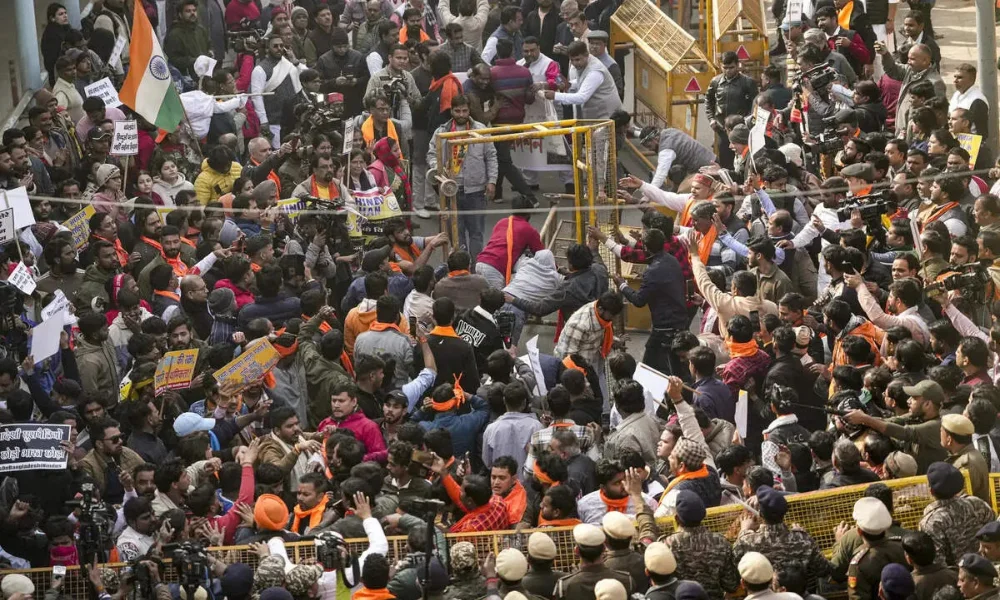
India’s frustration is compounded by Trump’s overtures toward Pakistan, including a working dinner with Pakistan’s army chief, Asim Munir, in the Oval Office, which New Delhi perceived as provocative. Additionally, Trump’s suggestion that India might purchase oil from Pakistan, following his announcement of a “massive oil partnership” with Pakistan, has further strained relations. Indian social media has erupted with criticism, with users decrying Trump’s actions as undermining India’s security concerns. The FAZ report noted that public sentiment in India, which once viewed Trump favorably (with a Pew Research survey in June 2025 showing 50% trust), has shifted sharply against him due to these developments.
Geopolitical Implications and Analyst Insights
Seasoned US analysts, including former National Security Advisor John Bolton, have warned that Trump’s personal frustrations, rather than policy differences, are driving US-India relations “off the cliff.” Bolton, who faced an FBI raid on August 26, 2025, in a separate national security investigation, wrote that India feels “deeply aggrieved” by Trump’s selective targeting through tariffs and sanctions, while Russia and China face lesser scrutiny. “The longer India hangs out to dry, the worse the New Delhi-Washington relationship gets,” he cautioned, suggesting that Trump’s approach risks pushing India closer to China and Russia.
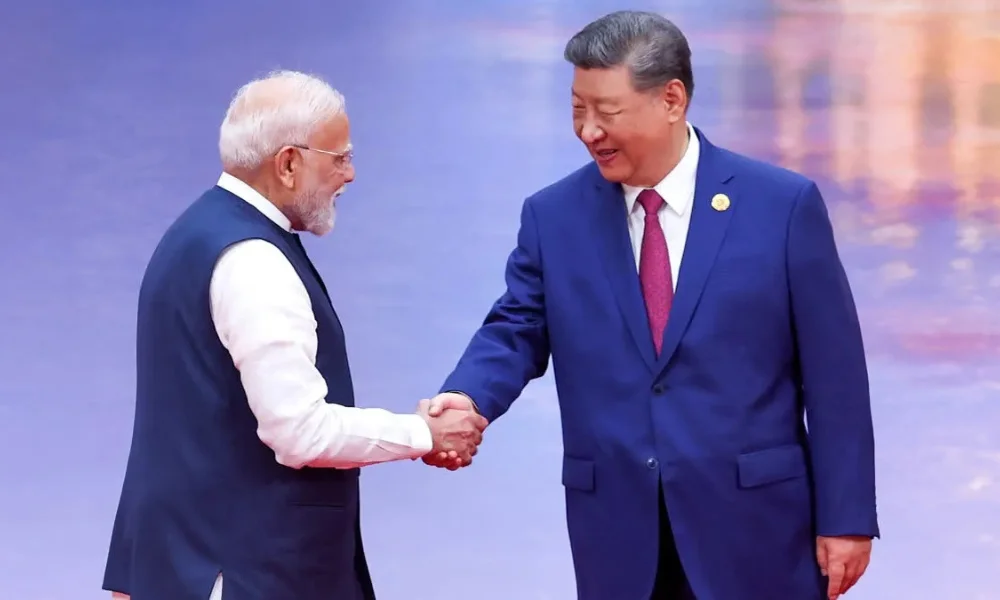
This concern aligns with India’s strategic pivot, as evidenced by Modi’s planned attendance at the Shanghai Cooperation Organisation (SCO) summit in Tianjin, China, on August 29, 2025. The visit, Modi’s first to China in seven years, signals an effort to ease tensions with Beijing while navigating the volatile US-China dynamic. Analyst Mark Frazier, co-director of the India-China Institute at the New School in New York, argued that the US vision of an Indo-Pacific alignment, with India as a counterweight to China, is “falling apart.” He noted that India never intended to fully align with Washington against Beijing, sharing common interests with China in global institutions and industrial growth.
Economic and Strategic Fallout
The 50% tariffs, comprising 25% for trade imbalances and 25% for Russia’s oil purchases, threaten India’s economic growth, with economists projecting a potential drop from 6.5% to 5.5% annually. India exports about one-fifth of its goods to the US, primarily textiles, gems, and auto parts, making the tariffs a significant blow. The cancellation of a sixth round of trade talks in New Delhi on August 25, 2025, further underscores the breakdown in negotiations. Trump’s adviser, Peter Navarro, indicated that no further extensions on tariff relief are likely, adding pressure on India to concede in trade discussions.
India’s response has been to double down on its “swadeshi” (self-reliance) push, with Modi urging domestic industries to prioritize local production. The FAZ report highlighted India’s resistance to Trump’s tactics, noting a past incident where Trump renegotiated a US-Vietnam trade deal over a single phone call and prematurely announced its success on social media. Modi’s caution in avoiding similar traps reflects a strategic approach to safeguard India’s interests, both economically and diplomatically, amid a complex global landscape.
Global Reactions and Social Media Sentiment
The news of Modi avoiding Trump’s calls has sparked intense discussions on social media, particularly on X, where users have debated the implications for US-India ties. Posts reflect a mix of support for Modi’s stance and criticism of Trump’s diplomatic approach. One user wrote, “Modi’s refusal to take Trump’s calls shows India won’t bend to US pressure. Time to prioritize our own path.” Another commented, “Trump’s obsession with Pakistan and tariffs is pushing India away. Bad move for the Indo-Pacific strategy.” The hashtag #USIndiaTensions has trended, amplifying global interest in the deteriorating relationship.
The international media has also taken note, with outlets like Nikkei Asia and India Today emphasizing the personal and strategic dimensions of the rift. The FAZ report, shared by Thorsten Benner of the Global Public Policy Institute on X, underscores the “depth of Modi’s anger and caution,” highlighting the broader geopolitical stakes. As India strengthens ties with China and Russia, the US risks undermining its Indo-Pacific strategy, which relies on India as a key partner to counter China’s influence.
Facebook Comments





-
 Explore the upcoming Tamil film Maaman - cast, sto...
 -
 Read the ACE (2025) movie review starring Vijay Se...
 -
 Check out Maaman's 1st day box office collection a...
 -
 Explore tourist family reviews for Maaman movie –...
Popular Posts
Vote / Poll
Recent Posts

Recommended Posts

-
 Discover the best schools in Nagercoil f...
 -
 Discover the top-rated preschools in Nag...
 -
 Explore the best schools in Nagercoil th...

Comment / Reply From