Pakistan and Afghanistan Hold Urgent Talks in Turkey to Resolve Border Tensions
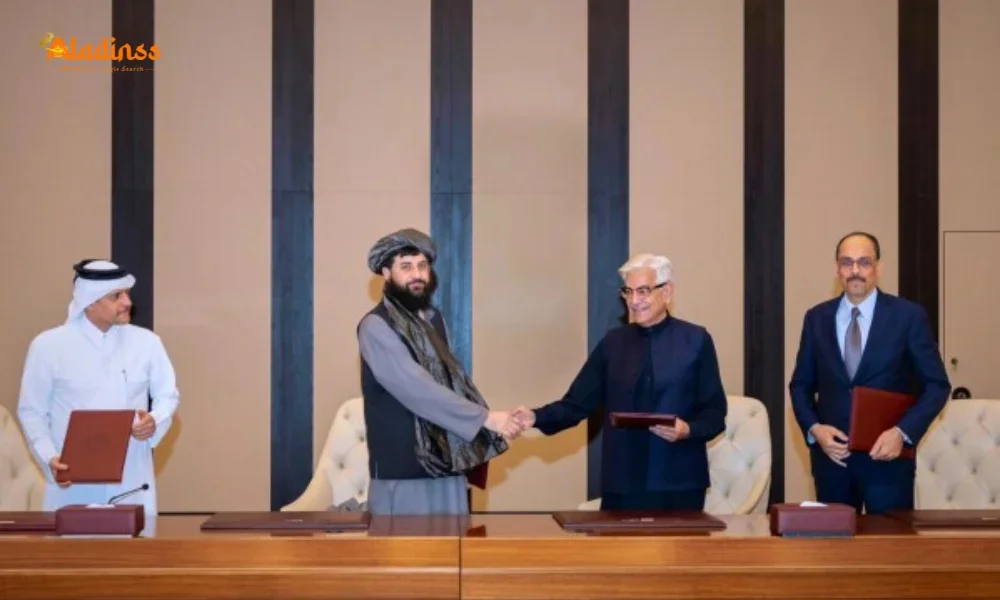
Pakistan and Afghanistan Resume Talks in Turkey to Ease Border Tensions
On October 25, 2025, Pakistan and Afghanistan are set to hold a critical second round of negotiations in Istanbul, Turkey, aimed at resolving escalating border tensions and addressing terrorism concerns. The talks follow a preliminary meeting in Doha on October 19, facilitated by Qatar and Turkey, which temporarily eased hostilities along the volatile Pakistan-Afghanistan border. Both nations are seeking a negotiated solution to curb cross-border terrorism, particularly from groups operating out of Afghan territory, and to restore regional stability.
The discussions, confirmed by Pakistan’s Foreign Office spokesperson Tahir Andrabi, will focus on establishing a verifiable mechanism to combat terrorism, with Pakistan urging Afghan authorities to take concrete action against groups like the Tehreek-i-Taliban Pakistan (TTP) and the Balochistan Liberation Army (BLA). This dialogue underscores Pakistan’s commitment to peace while addressing longstanding security challenges along the contentious Durand Line.
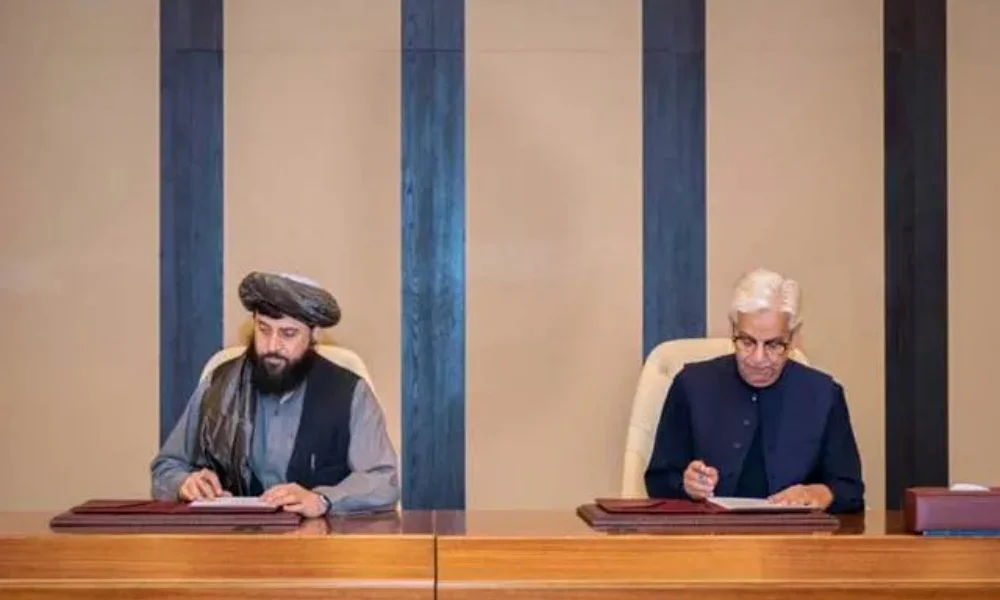
Background of Pakistan-Afghanistan Border Tensions
The 2,611-km Durand Line, which forms the border between Pakistan and Afghanistan, has long been a flashpoint for conflict. Afghanistan’s refusal to formally recognize the border, combined with a surge in militant activities since the Taliban’s takeover of Kabul in 2021, has fueled tensions. Pakistan has repeatedly accused the Afghan interim government of failing to curb terrorist groups like the TTP, which allegedly use Afghan soil as a base for launching attacks inside Pakistan.
The recent wave of militant attacks in Pakistan’s border regions, particularly in Balochistan and Khyber Pakhtunkhwa, has heightened Islamabad’s concerns. Cross-border skirmishes have further strained bilateral relations, prompting both nations to seek diplomatic solutions through international mediation. The Doha meeting marked a tentative step toward de-escalation, with both sides agreeing to continue discussions in Istanbul to address unresolved issues.
Details of the Istanbul Talks
The Istanbul talks, scheduled for October 25, 2025, will be led by a high-level Afghan delegation headed by Mawlawi Rahmatullah Najeeb, deputy minister at Afghanistan’s Ministry of Interior. Pakistan’s delegation, though not specified, is expected to include senior officials from the Foreign Office and security agencies. The agenda includes addressing Pakistan’s demand for a “concrete and verifiable monitoring mechanism” to prevent terrorist activities originating from Afghanistan.
Pakistan’s Foreign Office spokesperson, Tahir Andrabi, emphasized that Islamabad is not seeking escalation but expects the Afghan Taliban to honor international commitments. Specifically, Pakistan has called for decisive action against the TTP and BLA, which it accuses of orchestrating attacks that have claimed numerous lives in recent years. The talks aim to build on the progress made in Doha, where both sides agreed to prioritize halting cross-border terrorism and fostering peace along the border.
Role of Qatar and Turkey in Mediation
Qatar and Turkey have emerged as key mediators in facilitating dialogue between Pakistan and Afghanistan. The first round of talks in Doha, hosted by Qatar on October 19, was praised by both nations as a constructive step toward de-escalation. Turkey’s role in hosting the second round in Istanbul reflects its growing influence as a neutral broker in regional conflicts. Both countries have been lauded for their diplomatic efforts in bringing the two neighbors to the table.
The involvement of Qatar and Turkey underscores the international community’s interest in stabilizing the Pakistan-Afghanistan border region. Their mediation efforts aim to bridge the trust deficit between the two nations, which has been exacerbated by years of mutual accusations and sporadic violence. The success of the Istanbul talks will depend on the willingness of both sides to compromise and implement actionable measures.
Pakistan’s Security Concerns and Expectations
Pakistan’s primary concern in these talks is the unchecked activities of terrorist groups operating from Afghan soil. The TTP, in particular, has been a persistent threat, launching attacks on Pakistani security forces and civilians. The Balochistan Liberation Army has also been implicated in violent incidents, further complicating the security landscape in Pakistan’s border regions. Islamabad is pressing for a robust mechanism to monitor and prevent such activities, with verifiable outcomes to ensure accountability.
Tahir Andrabi reiterated Pakistan’s commitment to regional peace, stating that the country does not seek escalation but expects reciprocal action from Afghanistan. The establishment of a monitoring system would require cooperation from Afghan authorities, including intelligence sharing and coordinated border patrols. However, Afghanistan’s interim government has historically resisted external pressure, citing sovereignty concerns, which could complicate negotiations.
Afghanistan’s Perspective and Challenges
Afghanistan’s interim administration, led by the Taliban, faces its own set of challenges in addressing Pakistan’s demands. The Afghan delegation, represented by Mawlawi Rahmatullah Najeeb, has signaled its intent to resolve “remaining issues” during the Istanbul talks. However, the Taliban’s reluctance to recognize the Durand Line as the official border remains a sticking point, contributing to ongoing disputes over territorial sovereignty.
The Taliban has also struggled to consolidate control over Afghanistan’s vast and rugged terrain, making it difficult to curb militant groups like the TTP. Internal political divisions and limited resources further hamper their ability to meet Pakistan’s expectations. Despite these challenges, the Afghan side has expressed willingness to engage in dialogue, indicating a potential shift toward pragmatic diplomacy.
Historical Context of Pakistan-Afghanistan Relations
The relationship between Pakistan and Afghanistan has been marked by periods of cooperation and conflict. The Durand Line, established in 1893, has been a source of contention, with Afghanistan rejecting its legitimacy. The Taliban’s return to power in 2021 exacerbated tensions, as Pakistan reported a surge in cross-border attacks. Previous attempts at dialogue have yielded mixed results, with trust deficits hindering progress.
The current talks represent a renewed effort to address these longstanding issues. The involvement of neutral mediators like Qatar and Turkey offers hope for a breakthrough, but the complexity of the security and political landscape poses significant challenges. Both nations must navigate domestic pressures and regional dynamics to achieve lasting peace.
Implications for Regional Stability
The outcome of the Istanbul talks could have far-reaching implications for South Asian security. A successful resolution to the border tensions would reduce the risk of cross-border violence and foster greater cooperation between Pakistan and Afghanistan. It could also pave the way for broader regional stability, encouraging economic collaboration and refugee repatriation efforts.
Conversely, failure to address Pakistan’s concerns about terrorism could escalate tensions, potentially leading to further military confrontations along the Durand Line. The international community, particularly Qatar and Turkey, will play a crucial role in ensuring that both sides remain committed to the negotiation process.
What to Expect from the Istanbul Talks
The Istanbul talks are expected to focus on practical steps to address cross-border terrorism and border management. Key agenda items include:
- Establishing a joint monitoring mechanism to track militant activities.
- Enhancing intelligence-sharing protocols to prevent terrorist attacks.
- Negotiating border security measures to reduce clashes.
- Addressing Afghanistan’s concerns about Pakistani policies and refugee issues.
While the Doha meeting laid the groundwork for dialogue, the Istanbul talks will test both sides’ commitment to implementing concrete measures. The presence of Turkish mediators could facilitate a more structured discussion, but success will hinge on mutual concessions and trust-building.
Broader Implications for South Asia
The Pakistan-Afghanistan border tensions are not just a bilateral issue but a regional concern with implications for neighboring countries like India, China, and Iran. A stable border could enhance trade routes, such as the China-Pakistan Economic Corridor (CPEC), and facilitate humanitarian efforts in Afghanistan. Conversely, continued instability could exacerbate security challenges, including the spread of militancy and refugee flows.
The international community’s support for these talks reflects the global stakes involved. The United States, the European Union, and regional powers are closely monitoring the situation, as stability in Afghanistan and Pakistan is critical to countering terrorism and promoting economic development in South Asia.
As the Istanbul talks unfold, the world awaits the outcome of this pivotal diplomatic effort. For the latest updates on Pakistan-Afghanistan relations and the fight against cross-border terrorism, stay tuned to trusted news sources.
Facebook Comments










-
 Explore the upcoming Tamil film Maaman - cast, sto...
 -
 Read the ACE (2025) movie review starring Vijay Se...
 -
 Check out Maaman's 1st day box office collection a...
 -
 Explore tourist family reviews for Maaman movie –...
Popular Posts
Vote / Poll
Recent Posts




Recommended Posts

-
 Discover the best schools in Nagercoil f...
 -
 Discover the top-rated preschools in Nag...
 -
 Explore the best schools in Nagercoil th...

Comment / Reply From