President Murmu Honors Sardar Patel on National Unity Day 2025
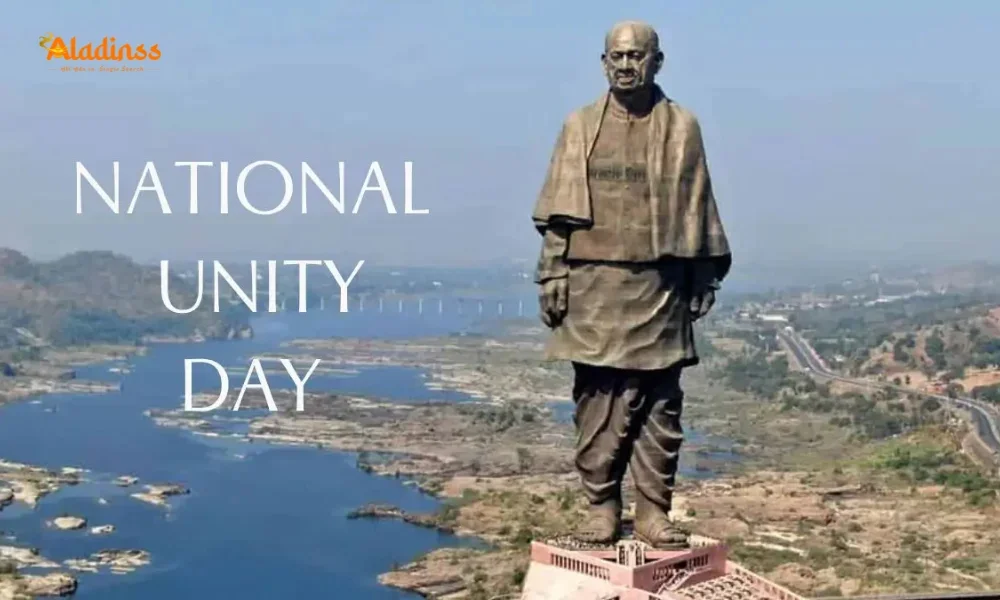
President Murmu Honors Sardar Patel on National Unity Day 2025
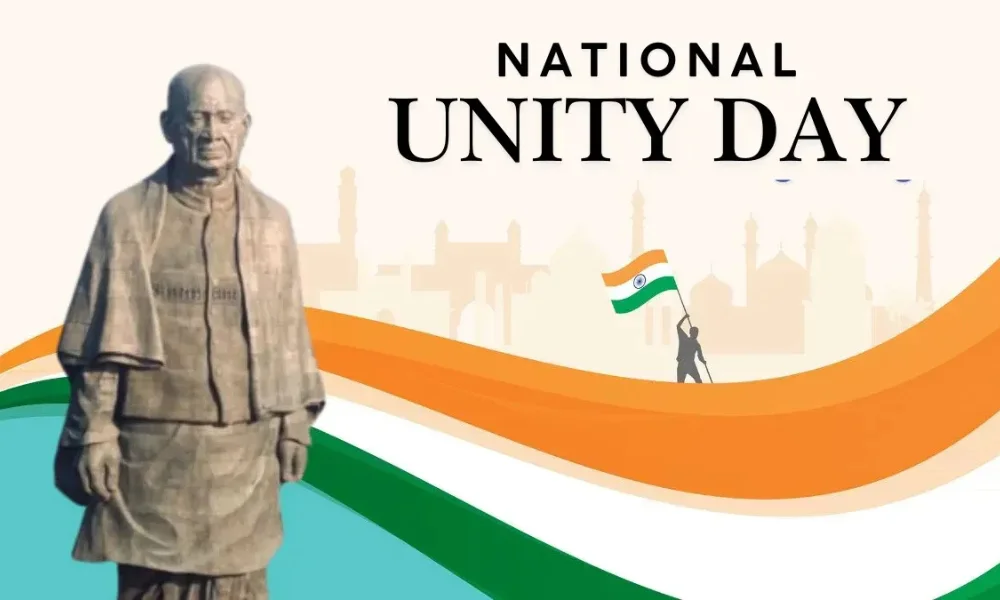
New Delhi, October 31: President Droupadi Murmu led the nation in paying glowing tributes to Sardar Vallabhbhai Patel on his 150th birth anniversary, observed as National Unity Day or Rashtriya Ekta Diwas. In a heartfelt message shared on X, the President hailed the Iron Man of India for his unparalleled role in forging a united India post-independence. National Unity Day celebrations across the country underscore Patel's legacy of integrating 562 princely states into the Indian Union, a feat that continues to inspire generations.
President Murmu's tribute emphasized Sardar Patel's visionary leadership and indomitable courage. "Sardar Patel was a great patriot and nation-builder who accomplished the historic task of unifying the country," she stated. The President's words resonate deeply as India marks this significant occasion with Run for Unity events nationwide, promoting harmony and national integration. National Unity Day, instituted in 2014, has become a symbol of collective resolve to build a strong and inclusive India.
Uttarakhand Chief Minister Pushkar Singh Dhami also paid rich tributes to Sardar Vallabhbhai Patel, highlighting his diplomacy and foresight in creating a united India. "Sardar Patel's contributions to safeguarding national unity and integrity will always be remembered," the CM said in an official statement. He urged citizens to draw inspiration from Patel's dedication and work towards a harmonious nation. Similar sentiments echoed across states as leaders and citizens participated in National Unity Day events.
Sardar Vallabhbhai Patel: The Architect of Unified India
Born on October 31, 1875, in Nadiad, Gujarat, Sardar Vallabhbhai Patel emerged as a pivotal figure in India's freedom struggle and post-independence consolidation. Known as the Iron Man of India, Patel's strategic acumen enabled the merger of over 560 princely states, preventing balkanization and ensuring territorial integrity. His role as India's first Deputy Prime Minister and Home Minister from 1947 to 1950 laid the foundation for modern administrative frameworks.
Patel's integration efforts involved deft negotiations, persuasive diplomacy, and when necessary, firm action. States like Junagadh, Hyderabad, and Travancore were brought into the Indian fold through operations like Police Action in Hyderabad. His vision of Ek Bharat, Shreshtha Bharat continues to guide national policies. National Unity Day serves as a reminder of these monumental achievements and encourages citizens to uphold unity in diversity.
The 150th birth anniversary celebrations in 2025 have taken on added significance, with year-long programs highlighting Patel's life and teachings. From school pledge-taking ceremonies to cultural events, the focus remains on fostering national pride. President Murmu's message called for collective resolve: "Let us unite and build a strong, harmonious, and excellent India." This aligns with the government's emphasis on inclusive development and cultural cohesion.
Also Read: Guru Nanak Jayanti 2025 Gurpurab Wishes
Nationwide Celebrations and Run for Unity Events
Since 2014, National Unity Day has featured the iconic Run for Unity, drawing participation from millions across urban and rural areas. In 2025, marathons, cyclothons, and walkathons are being organized in cities like Delhi, Mumbai, Ahmedabad, and Dehradun. Schools, colleges, and government offices conduct pledge ceremonies reaffirming commitment to national integration. The Statue of Unity in Kevadia, Gujarat – the world's tallest statue – serves as a focal point for major events.
Uttarakhand CM Dhami participated in Dehradun's Run for Unity, joined by thousands of enthusiasts. Similar events in Uttarakhand's districts promoted fitness alongside patriotic fervor. The state government distributed informational booklets on Sardar Patel's contributions, educating youth about his role in nation-building. National Unity Day 2025 has witnessed record participation, reflecting growing awareness of Patel's legacy.
Educational institutions incorporated special assemblies featuring speeches, quizzes, and exhibitions on Patel's life. Themes like "Unity in Diversity" and "Patel's Vision for India" dominated discussions. Digital campaigns using hashtags like #NationalUnityDay and #SardarPatel150 amplified reach on social media platforms. President Murmu's X post garnered millions of impressions, underscoring the day's digital resonance.
Legacy of the Iron Man: Inspiring Modern India
Sardar Patel's administrative reforms, including the creation of the Indian Administrative Service (IAS), continue to shape governance. His emphasis on strong internal security led to the establishment of robust intelligence frameworks. Patel's famous quote – "Every Indian should forget that he is a Rajput, a Sikh, or a Brahmin" – remains relevant in addressing contemporary challenges to social harmony.
The Sardar Patel National Memorial in Ahmedabad preserves his legacy through artifacts and interactive displays. Annual lectures and seminars during National Unity Day explore applications of his principles in modern contexts like federalism and cooperative governance. Scholars highlight how Patel's integration model offers lessons for conflict resolution in diverse societies.
In 2025, special focus falls on Patel's contributions to women's empowerment and rural development. His support for the Bardoli Satyagraha, led by women farmers, exemplified grassroots mobilization. National Unity Day programs include sessions on these lesser-known aspects, presenting a holistic view of the leader's multifaceted personality.
President Murmu's Vision for United India
President Droupadi Murmu, herself a symbol of inclusive leadership, drew parallels between Patel's era and contemporary challenges. Her message emphasized building "a strong, harmonious, and excellent India" through collective effort. This vision encompasses economic prosperity, social justice, and cultural preservation – core elements of Patel's nation-building philosophy.
The President's tribute resonated particularly with tribal communities, given her own background and Patel's efforts in integrating princely states with significant tribal populations. National Unity Day 2025 featured special programs in tribal areas, highlighting Patel's inclusive approach to nation-building that respected regional identities while fostering national consciousness.
Political leaders across party lines echoed similar sentiments. From governors to district collectors, tributes poured in recognizing Patel's statesmanship. The bipartisan appreciation underscores National Unity Day's role in transcending political divisions to celebrate shared heritage.
Historical Context and Integration Challenges
Post-1947, India faced the monumental task of integrating 562 princely states with varying sizes, governance systems, and allegiances. Sardar Patel, heading the States Ministry, employed a combination of persuasion, incentives, and strategic pressure. The Instrument of Accession signed by most rulers ensured smooth transitions, while military interventions in resistant states like Hyderabad prevented fragmentation.
Patel's deputy, V.P. Menon, played a crucial supporting role in negotiations. Together, they completed integration within two years – a remarkable achievement given the geopolitical complexities. National Unity Day educates citizens about these historical details, fostering appreciation for the unified nation we inherit.
The integration process also involved financial negotiations, with privy purses granted to former rulers. Patel's pragmatic approach balanced historical privileges with national interests. His famous speech in Calcutta on January 1948 articulated the vision of "one India" that continues to inspire constitutional values of unity and integrity.
Cultural Programs and Youth Engagement
National Unity Day 2025 features extensive cultural programming, including folk performances representing India's diversity. Unity fairs showcase handicrafts, cuisines, and traditions from different states, promoting cultural exchange. Youth-oriented initiatives like essay competitions and debates focus on "Patel's Relevance in 21st Century India."
Digital initiatives include virtual tours of the Statue of Unity and interactive quizzes on government portals. Social media challenges encourage users to share stories of national integration from their communities. These efforts ensure National Unity Day remains relevant to younger generations connected through digital platforms.
Corporate participation through CSR initiatives supports unity runs and educational programs in rural areas. The holistic approach combines physical activity, cultural celebration, and educational outreach to maximize impact. President Murmu's call for building an "excellent India" finds practical expression through these multifaceted celebrations.
Global Recognition and International Participation
Indian diaspora communities worldwide organize National Unity Day events, extending Patel's message globally. From New York to Sydney, unity walks and cultural programs celebrate India's integration success story. International scholars participate in webinars discussing federalism models inspired by Patel's integration framework.
The Statue of Unity has become a global tourist attraction, drawing visitors interested in leadership and nation-building. National Unity Day coincides with increased footfall, with special exhibitions on Patel's international engagements, including his interactions with global leaders during integration negotiations.
As India positions itself as Vishwa Guru, Sardar Patel's integration model offers valuable lessons in managing diversity. National Unity Day 2025 thus acquires global significance, showcasing India's successful experiment in democratic unification that continues to evolve and inspire.
The collective tributes from President Murmu, state leaders, and citizens reaffirm commitment to Patel's vision. National Unity Day serves not merely as commemoration but as renewal of pledge towards building a stronger, more united India that honors its Iron Man's extraordinary legacy.
Facebook Comments



-
 Explore the upcoming Tamil film Maaman - cast, sto...
 -
 Read the ACE (2025) movie review starring Vijay Se...
 -
 Check out Maaman's 1st day box office collection a...
 -
 Explore tourist family reviews for Maaman movie –...
Popular Posts
Vote / Poll
Recent Posts


Recommended Posts

-
 Discover the best schools in Nagercoil f...
 -
 Discover the top-rated preschools in Nag...
 -
 Explore the best schools in Nagercoil th...

Comment / Reply From