Metro Expansion in Bengaluru
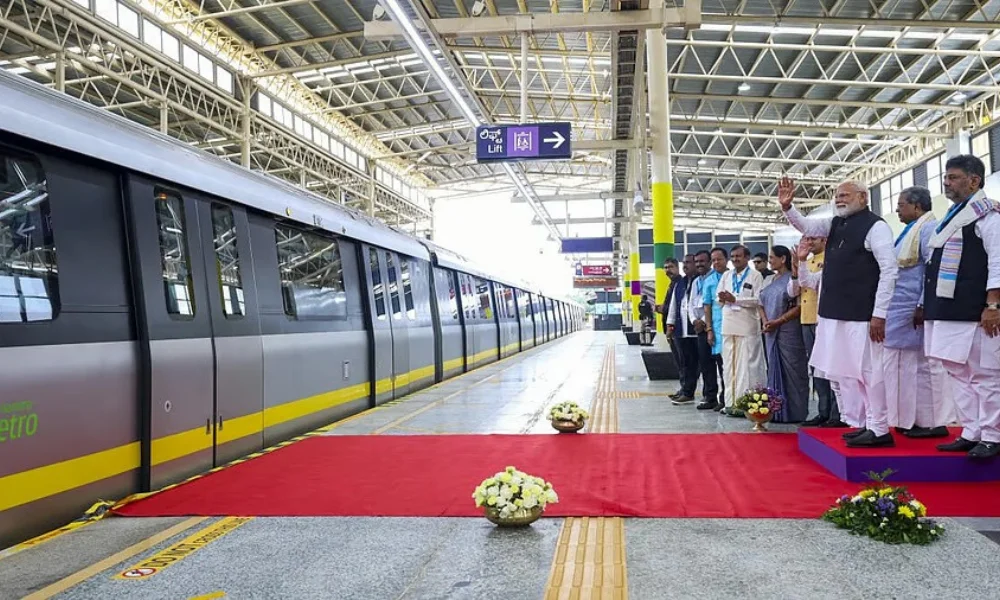
Metro Expansion in Bengaluru: Latest Update on Namma Metro Phase 2, Phase 3 and Future Plans
Metro Expansion in Bengaluru continues to dominate breaking news and infrastructure updates across Karnataka as the city accelerates work on multiple corridors under the ambitious Namma Metro expansion plan. With rapid urban growth, increasing traffic congestion, and rising commuter demand, Bengaluru Metro Rail Corporation Limited is pushing forward with Phase 2, Phase 2A, Phase 2B, and newly approved Phase 3 projects. The latest development report highlights new stations nearing completion, elevated corridors progressing at speed, and long-term proposals that aim to transform Bengaluru into one of India’s most connected metropolitan cities.
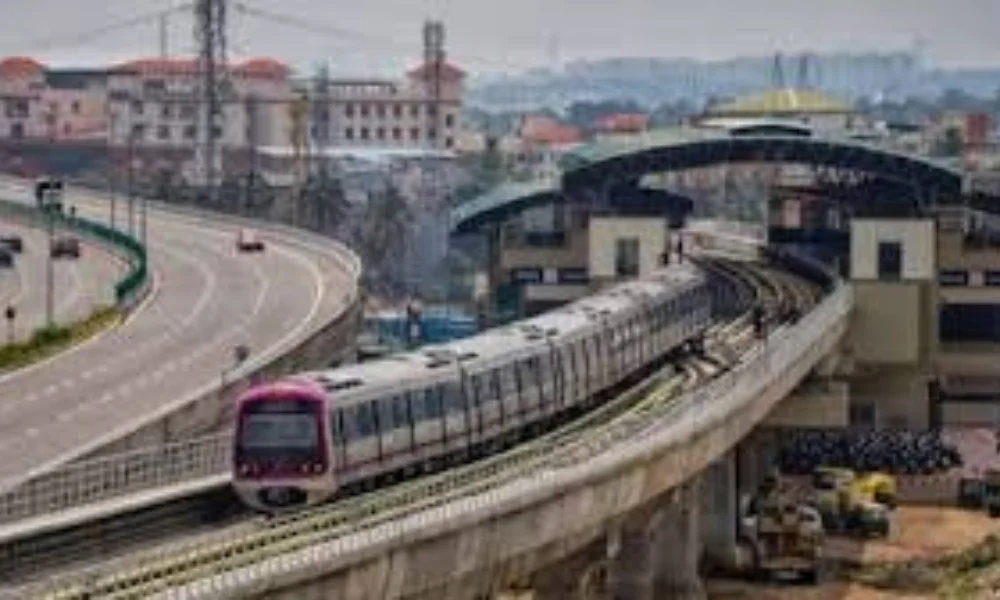
Current Operational Network and Capacity
The operational Namma Metro network currently spans key corridors including the Purple Line and Green Line, serving lakhs of passengers daily. These corridors connect major residential, commercial, and IT hubs across the city. With ridership steadily rising during peak hours, metro services have become a crucial backbone for urban transport. The Bengaluru metro update report indicates that further frequency optimization and signaling upgrades are being implemented to accommodate future passenger growth.
Transport experts state that the existing metro lines have significantly reduced travel time between the eastern and western parts of the city. However, expanding suburban zones and IT corridors require deeper network penetration. This demand has fueled the rapid execution of Metro Expansion in Bengaluru under Phase 2 and beyond.
Phase 2 Expansion: Pink Line and Blue Line Progress
The most talked-about breaking news in the Metro Expansion in Bengaluru project is the progress of Phase 2 corridors. The Pink Line, stretching from Kalena Agrahara to Nagawara, is expected to significantly improve north-south connectivity. Portions of the elevated section are nearing structural completion, while underground tunneling work is advancing steadily. Officials have confirmed that safety inspections and system integration tests will begin once civil works are finalized.
Meanwhile, the Blue Line under Phase 2A and 2B connects the Outer Ring Road corridor and extends toward Kempegowda International Airport. This alignment is strategically crucial as it connects major IT parks and commercial zones. Once operational, daily commuters traveling between KR Pura, Silk Board, and airport-bound routes are expected to experience drastic reductions in travel time.
Airport Connectivity and Economic Impact
One of the biggest highlights in the latest metro expansion report is the improved airport connectivity plan. The Blue Line extension to the airport is considered a game changer for both domestic and international travelers. Bengaluru’s growing reputation as India’s Silicon Valley means thousands of business travelers commute to and from the airport daily. The metro line will reduce dependency on road transport and help ease congestion on airport highways.
Real estate analysts suggest that properties along the airport corridor are witnessing increased demand due to metro accessibility. Commercial developers are actively planning office complexes and residential projects near proposed stations, indicating strong economic momentum driven by Metro Expansion in Bengaluru.
Also Read: Ex-CIA Officer Predicts Pakistan Will Lose War Against India: Shocking Claim Sparks Debate
Phase 3 Approval and Long-Term Vision
The Karnataka government has approved Phase 3 of the metro project, marking another milestone in the city’s transport evolution. Phase 3 includes new elevated corridors that will improve connectivity in western parts of Bengaluru. The Detailed Project Report outlines multiple new stations and interchange hubs, ensuring seamless integration with existing metro lines.
Urban mobility experts emphasize that Phase 3 will serve densely populated areas that currently rely heavily on buses and private vehicles. With better multimodal integration and feeder bus systems, the metro is expected to reduce carbon emissions and promote sustainable transport. Long-term plans aim to expand the total metro network to hundreds of kilometers by the next decade.
Challenges and Construction Delays
Despite rapid progress, Metro Expansion in Bengaluru has faced certain challenges. Land acquisition hurdles, utility shifting, traffic diversions, and environmental clearances have occasionally slowed construction timelines. Rising material costs and funding adjustments have also impacted budget estimates.
However, authorities have reaffirmed their commitment to completing priority corridors within revised deadlines. Regular inspection visits, project monitoring meetings, and contractor performance reviews are being conducted to maintain momentum. According to recent updates, phased openings may begin once safety certifications and signaling trials are complete.
Impact on Daily Commuters
For daily commuters, the latest metro expansion update brings hope for faster and more reliable travel. Office-goers traveling along IT corridors, students commuting to educational institutions, and residents living in peripheral zones are expected to benefit significantly. Travel times that currently exceed 90 minutes during peak hours could be reduced by nearly half once new corridors are operational.
Public transport advocates believe that expanding the metro network will also encourage more residents to shift from private vehicles to mass transit. This shift is crucial for reducing traffic congestion, lowering pollution levels, and improving overall urban quality of life.
Future Outlook and Strategic Importance
Metro Expansion in Bengaluru is not just a transport upgrade but a strategic urban transformation initiative. The integration of smart ticketing systems, digital passenger information displays, and advanced signaling technology positions the city among India’s leading metro networks. Infrastructure planners are focusing on transit-oriented development models that promote residential and commercial growth around metro stations.
As construction progresses across multiple corridors, citizens eagerly await official announcements regarding opening dates and trial runs. The coming months are expected to bring further breaking news updates regarding inspection clearances and inauguration schedules. With sustained government backing and public support, the metro network is set to reshape Bengaluru’s mobility landscape for decades to come.
Facebook Comments













-
 Explore the upcoming Tamil film Maaman - cast, sto...
 -
 Read the ACE (2025) movie review starring Vijay Se...
 -
 Check out Maaman's 1st day box office collection a...
 -
 Explore tourist family reviews for Maaman movie –...
Popular Posts
Vote / Poll
Recent Posts




Recommended Posts

-
 Discover the best schools in Nagercoil f...
 -
 Discover the top-rated preschools in Nag...
 -
 Explore the best schools in Nagercoil th...

Comment / Reply From