GST Tax Cut 2025: Price Changes for 353 Items
GST Tax Cut 2025: Which Items Will See Price Reductions and Increases?
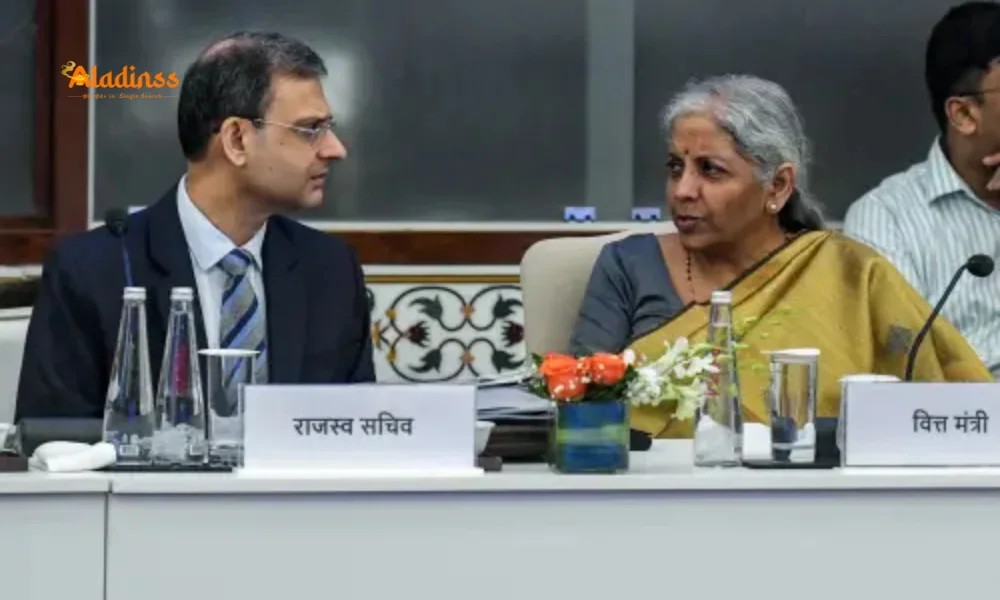
In a transformative move, the 56th GST Council meeting, chaired by Union Finance Minister Nirmala Sitharaman in New Delhi on September 4, 2025, has approved a major overhaul of India's Goods and Services Tax (GST) structure. The council has reduced the existing four-tier GST system (5%, 12%, 18%, and 28%) to a simplified two-tier system of 5% and 18%, effective from September 22, 2025. Additionally, a 40% tax rate has been introduced for luxury goods and tobacco products. This reform will reduce the prices of 353 items while increasing the prices of 38 items, reshaping the cost landscape for consumers across India.

Background of the GST Tax Reform
Since its introduction in 2017, the GST unified sales and service taxes into a single framework, operating under four tax slabs. However, the complexity of multiple tax rates often posed challenges for businesses and consumers alike. During his Independence Day speech on August 15, 2025, Prime Minister Narendra Modi announced significant GST reforms, promising benefits for the common man during the upcoming Diwali festival. The 56th GST Council meeting addressed these promises by streamlining the tax structure, aiming to make goods and services more affordable while ensuring fiscal stability.
Items Exempted from GST
One of the most impactful decisions from the GST Council is the complete exemption of several essential goods and services from GST. Union Finance Minister Nirmala Sitharaman highlighted that daily necessities such as milk, senna, paneer, roti, and other Indian breads will now be GST-free. This exemption directly benefits households, particularly low- and middle-income families who rely on these staples for their daily meals. By removing GST, the prices of these items are expected to drop significantly, providing immediate relief to consumers.
Additionally, the council has exempted educational supplies like notebooks, pencils, erasers, and maps, making them more affordable for students. Personal insurance, medical insurance, and 33 life-saving medicines, including those for cancer, rare diseases, and chronic conditions, have also been fully exempted from GST. These exemptions aim to reduce financial burdens on students, patients, and families, aligning with the government’s goal of inclusive economic growth.
Items Reduced to 5% GST
The GST Council has significantly reduced the tax rates on a wide range of everyday goods, bringing 99% of items previously taxed at 12% down to the 5% slab. This includes essentials such as coconut oil, soap, shampoo, toothpaste, sugar, coffee, butter, ghee, sauces, chocolates, biscuits, and dry fruits. Other items benefiting from this reduction include bicycles, tables, chairs, marble, corrective glasses, renewable energy devices, cooking utensils, and medical equipment. The move to a 5% tax rate is expected to lower the prices of these 353 items, making them more accessible to consumers across various income groups.
This reduction is particularly significant for rural and semi-urban households, where these goods form a substantial part of daily expenses. For instance, lower taxes on cooking utensils and renewable energy devices will support sustainable living, while reduced rates on corrective glasses and medical equipment will enhance healthcare affordability.
Items Reduced to 18% GST
The GST reform has also brought 90% of items previously taxed at 28% down to the 18% slab, further reducing costs for consumers. This category includes air conditioners, 32-inch televisions, small cars, two-wheelers with engine capacities below 350 cc, cement, buses, motor vehicle parts, three-wheelers, and goods vehicles. The reduction from 28% to 18% is expected to make these goods more affordable, particularly for middle-class consumers and small businesses reliant on vehicles and construction materials.
For example, the lower tax rate on cement will reduce construction costs, benefiting infrastructure development and real estate sectors. Similarly, reduced taxes on small cars and two-wheelers will make personal transportation more affordable, boosting demand in the automotive industry.
Items Facing a 40% GST Increase
To offset the revenue loss from tax exemptions and reductions, the GST Council has introduced a new 40% tax slab for luxury goods and harmful products. This includes carbonated soft drinks, SUVs, luxury cars, private jets, tobacco, pan masala, and cigarettes. The higher tax rate on these 38 items is expected to increase their prices, aligning with the government’s focus on public health and fiscal responsibility.
The 40% tax on tobacco products and pan masala aims to discourage their consumption, contributing to long-term health benefits. Similarly, higher taxes on luxury cars and private jets ensure that the tax burden is shifted to high-income consumers, maintaining equity in the tax system. The revenue generated from this 40% slab, estimated at Rs 45,000 crore, will help mitigate the projected revenue loss of Rs 93,000 crore due to the GST reforms.
Economic Impact and Consumer Benefits
The GST tax cut is poised to have a profound impact on India’s economy. By reducing the prices of 353 items, the reform will enhance affordability for consumers, particularly for essentials like food, healthcare, and education. The exemptions on milk, paneer, and insurance, combined with lower taxes on daily-use goods, will provide significant relief to households, especially during the festive season. Prime Minister Narendra Modi welcomed the reform, noting that it will improve citizens’ lives and simplify business operations for small traders.
For businesses, the simplified two-tier GST system reduces compliance complexities, making it easier for small and medium enterprises (SMEs) to manage their tax obligations. The reduction in tax rates for items like cement and motor vehicle parts will lower production costs, potentially boosting manufacturing and infrastructure sectors. However, the increased taxes on luxury goods may impact demand in high-end markets, though this is expected to be offset by the overall economic stimulus from lower prices on essential goods.
Implementation and Future Outlook
The new GST regime, effective from September 22, 2025, marks a significant step toward a more transparent and consumer-friendly tax system. The GST Council is expected to monitor the implementation closely, addressing any challenges faced by businesses and consumers during the transition. Awareness campaigns will likely be launched to educate stakeholders about the revised tax rates and their benefits.
Looking ahead, the GST reform could pave the way for further enhancements, such as the inclusion of petroleum products under GST or the adoption of technology-driven compliance mechanisms. For now, the focus remains on ensuring a smooth rollout and maximizing the benefits of the two-tier tax system for India’s diverse population.
Facebook Comments









-
 Explore the upcoming Tamil film Maaman - cast, sto...
 -
 Read the ACE (2025) movie review starring Vijay Se...
 -
 Check out Maaman's 1st day box office collection a...
 -
 Explore tourist family reviews for Maaman movie –...
Popular Posts
Vote / Poll
Recent Posts




Recommended Posts

-
 Discover the best schools in Nagercoil f...
 -
 Discover the top-rated preschools in Nag...
 -
 Explore the best schools in Nagercoil th...

Comment / Reply From