GST Council Meeting 2025: Next-Gen Reforms Begin
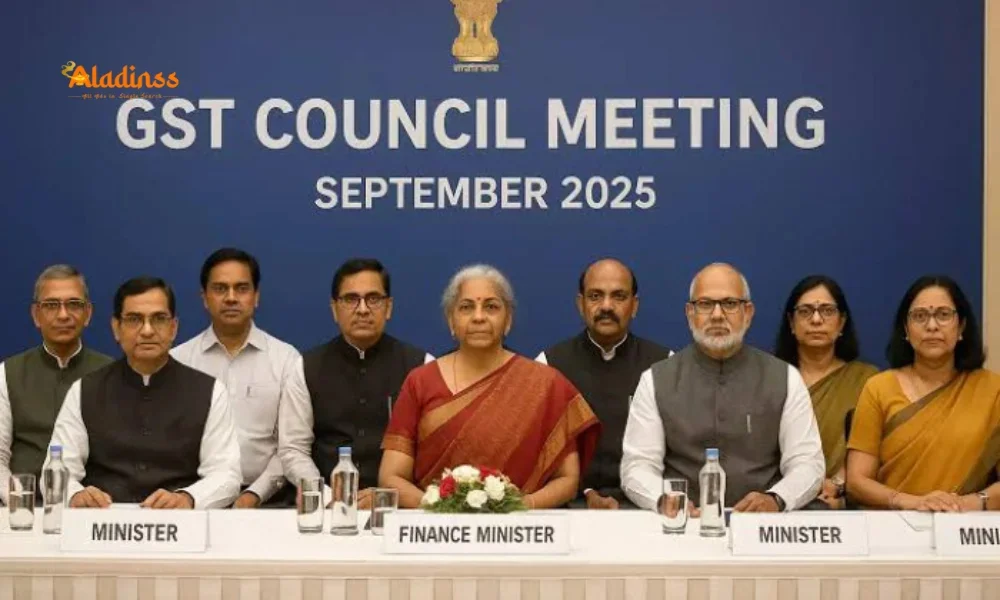
GST Council Meeting 2025: Two-Day Session Begins, Next-Gen Reforms in Focus
The 56th Goods and Services Tax (GST) Council meeting commenced today, September 3, 2025, in New Delhi, marking a pivotal moment for India’s tax regime. Chaired by Union Finance Minister Nirmala Sitharaman, the two-day session brings together representatives from 31 states and union territories to deliberate on transformative next-generation GST reforms. Following Prime Minister Narendra Modi’s Independence Day announcement on August 15, 2025, the Council is set to discuss sweeping tax cuts, a simplified two-slab structure, and enhanced compliance mechanisms aimed at benefiting consumers, businesses, and the economy at large.
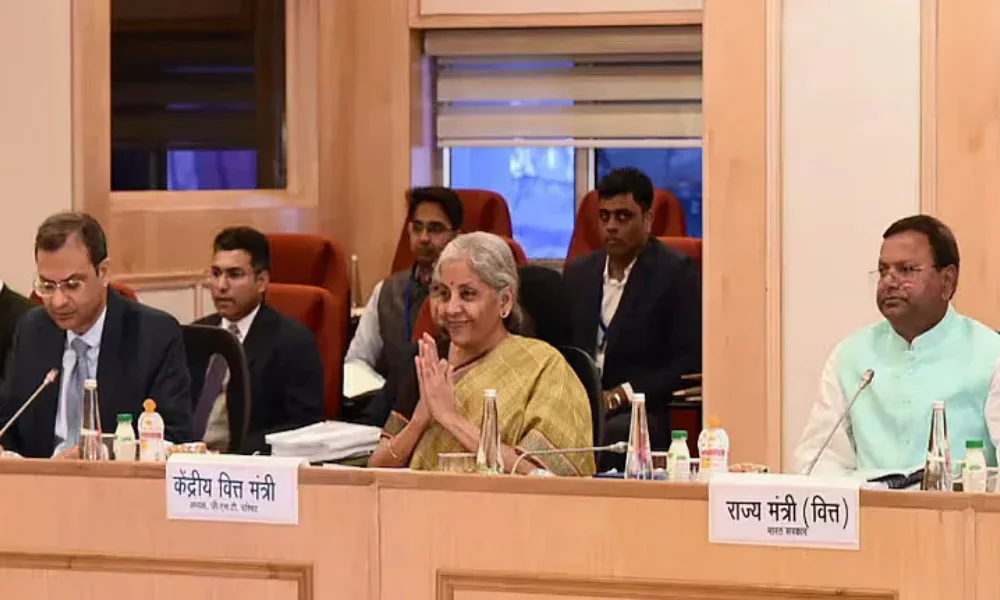
A Landmark Reform in India’s Tax System
Introduced in July 2017, the GST subsumed 17 indirect taxes and 13 cesses, revolutionizing India’s indirect tax framework. Hailed as the country’s most significant tax reform since Independence, it has undergone multiple rate adjustments over the past eight years. However, the 56th GST Council meeting, held after a six-month gap since the last session in December 2024, is poised to introduce the most comprehensive overhaul yet. The reforms, dubbed “GST 2.0,” focus on three pillars: structural improvements, rate rationalization, and easing compliance for businesses and taxpayers. These changes aim to address longstanding issues like classification disputes and inverted duty structures while making the tax system more consumer-friendly.
Prime Minister Modi’s Independence Day address set the stage for these reforms, promising a “Diwali gift” for citizens through lower taxes on essential goods and simplified processes. The Finance Ministry’s proposal, submitted to a Group of Ministers (GoM) on Rate Rationalisation led by Bihar’s Deputy Chief Minister Samrat Chaudhary, was discussed on August 20-21, 2025, and has now reached the Council for final deliberations. The proposal enjoys broad support from central and state officials, who view it as a “pro-people” initiative designed to boost consumption and economic growth.
Proposed Two-Slab Structure
The cornerstone of the GST reforms is a streamlined two-slab structure, replacing the current four slabs of 5%, 12%, 18%, and 28%. The proposed system includes a merit rate of 5% for essential goods, a standard rate of 18% for most goods and services, and a special 40% rate for sin and demerit goods like tobacco, pan masala, and luxury items. Approximately 99% of items currently taxed at 12% will shift to the 5% slab, while 90% of those in the 28% slab will move to 18%, significantly reducing the tax burden on consumers and businesses.
The GoM considered increasing the lowest slab to 6% but decided against it to avoid raising prices for essential goods, prioritizing affordability for the common person. The compensation cess, introduced to support states during GST’s initial years and extended until March 2026, will be phased out by October 31, 2025, with sin goods transitioning to the 40% slab. To maintain the current tax incidence on tobacco (around 88%), the Centre plans to impose the National Calamity Contingent Duty (NCCD).
Sector-Specific Tax Reductions
The proposed reforms target multiple sectors to make goods and services more affordable. In the consumer goods sector, packaged and branded food items such as fruit juices, butter, cheese, pasta, and nuts will see GST rates reduced from 12% to 5%. Essential items like ultra-high temperature milk, paneer, pizza bread, khakra, and plain roti are proposed to be exempt from GST, down from 5%. Medical supplies, including medical-grade oxygen, gauze, bandages, and diagnostic kits, will also move to the 5% slab from 12%, enhancing affordability in healthcare.
The agriculture and renewable energy sectors are set to benefit significantly. Fertilizer inputs like sulphuric acid, nitric acid, and ammonia will see tax cuts from 18% to 5%, supporting farmers and reducing production costs. Renewable energy products, such as solar cookers, solar water heaters, and hydrogen vehicles, will also shift to the 5% slab from 12%. In textiles, items like synthetic yarns, carpets, and woven fabrics will see reduced rates from 12% to 5%, although high-value apparel (above ₹2,500) may face a hike to 18% from 12%.
Relief for Consumers and Small Businesses
The automotive sector will see differentiated tax rates, with small cars potentially moving from 28% (plus 1-3% cess) to 18%, making them more affordable. Larger SUVs and luxury vehicles, however, may face the 40% rate. The GoM has also proposed increasing GST on four-wheeled electric vehicles (EVs) valued between ₹20 lakh and ₹40 lakh to 18% from 5%, and those above ₹40 lakh to 40%. These changes aim to balance affordability with revenue needs, though they may reduce the tax advantage for high-end EVs.
Services like individual health and life insurance are proposed to be exempt from the current 18% GST, potentially saving households significant costs. Hotels with tariffs up to ₹7,500 per day will see GST reduced from 12% to 5% without input tax credit, boosting tourism. However, sectors like online gaming, horse racing, lotteries, and casinos will face a higher 40% tax rate, up from 28%, aligning with the focus on taxing demerit goods more heavily.
Addressing Structural Challenges
The reforms aim to resolve longstanding issues in the GST system, such as the inverted duty structure, where input taxes exceed output taxes, leading to refund delays and cash flow issues for businesses. By aligning input and output rates, particularly in sectors like textiles, fertilizers, and electronics, the proposal seeks to improve working capital management. Additionally, classification disputes—such as those over roti vs. parotta or fryums vs. papad—will be minimized by placing similar items in the same tax slab, reducing litigation and compliance costs.
To enhance ease of living, the proposal includes technology-driven solutions like pre-filled GST returns to reduce manual errors and automated refund processes for faster clearances, particularly for exporters and businesses with inverted duty structures. Streamlined registration processes will benefit small businesses and startups, fostering a more business-friendly environment and encouraging formalization of the economy.
Revenue Concerns and State Demands
While the reforms promise significant benefits, they come with revenue concerns. The 18% slab currently generates 73% of GST revenue, followed by 28% (12%), 5% (8%), and 12% (5%). The proposed changes, including the insurance exemption (₹9,900 crore annual loss) and slab rationalization, could lead to a revenue shortfall of ₹70,000-80,000 crore, according to the Centre’s estimates. States, however, project losses between ₹85,000 crore and ₹2 lakh crore, fearing a 15-20% revenue drop. Eight opposition-ruled states support the reforms but demand compensation for any growth below 14% for five years, potentially through an additional levy on sin goods or central loans secured against future receipts.
There are also concerns about whether tax cuts will translate into lower prices for consumers or result in windfall profits for companies. The Council is expected to address these issues, ensuring mechanisms to pass on benefits to the public. The Finance Ministry remains optimistic, projecting that increased consumption and compliance will offset initial revenue losses, aligning with the goal of an open, transparent, and inclusive tax system.
Facebook Comments













-
 Explore the upcoming Tamil film Maaman - cast, sto...
 -
 Read the ACE (2025) movie review starring Vijay Se...
 -
 Check out Maaman's 1st day box office collection a...
 -
 Explore tourist family reviews for Maaman movie –...
Popular Posts
Vote / Poll
Recent Posts




Recommended Posts

-
 Discover the best schools in Nagercoil f...
 -
 Discover the top-rated preschools in Nag...
 -
 Explore the best schools in Nagercoil th...

Comment / Reply From