Governor's Power to Suspend Bills: Central Govt Tells SC
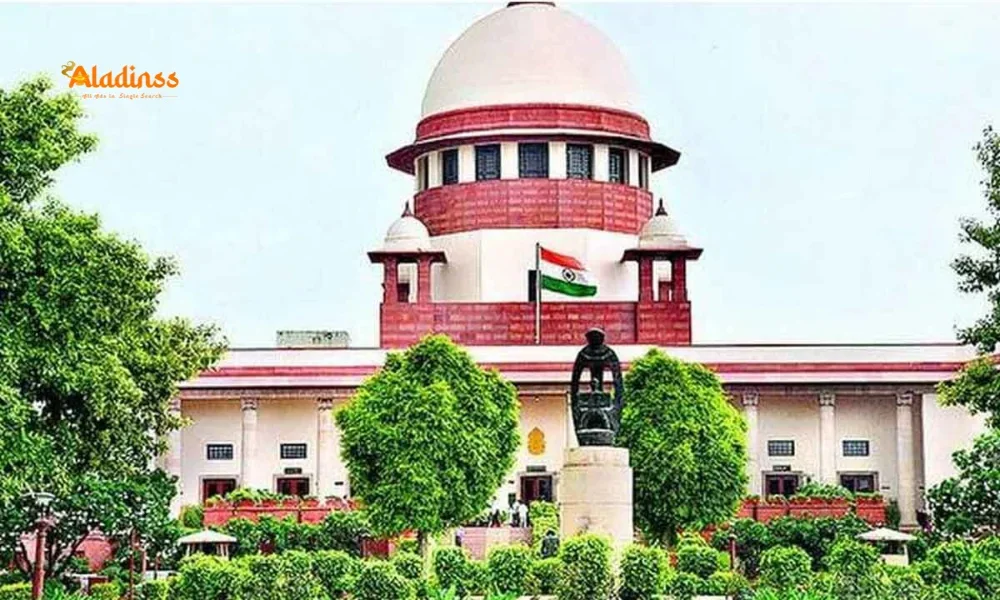
Governor Has Power to Suspend Bill: Central Government Informs Supreme Court
In a significant development in the ongoing debate over the governor power suspend bill, the central government has informed the Supreme Court that the governor has the authority to suspend a bill passed by the state legislative assembly if it is deemed anti-democratic or violates fundamental rights. This statement came during a crucial hearing where the Supreme Court is examining the need for deadlines on decisions regarding bills sent by state governments to governors and the president. The case highlights the tensions between state governments and central appointees, raising questions about the balance of power in India's federal structure.
Central Government's Arguments on Governor Powers
During the Supreme Court hearing, Solicitor General Tushar Mehta, representing the central government, outlined four key options available to the governor when dealing with a state bill: approving it, withholding approval, referring it to the president for consideration, or returning it to the legislative assembly for reconsideration. Mehta emphasized that there is no constitutional deadline for the governor to make a decision, allowing flexibility in handling sensitive legislation. He further argued that the governor power suspend bill extends to suspending bills that could undermine democracy or infringe on citizens' fundamental rights, positioning the governor as a safeguard against potentially harmful state laws.
Tushar Mehta also clarified that the governor is not bound by the advice of the state council of ministers, asserting that the Supreme Court cannot intervene in the constitutional powers granted to the governor. This stance has sparked intense debate, with the bench questioning whether democratically elected state governments are left at the mercy of the governor, a central appointee. The hearing underscores the ongoing friction in India's federal system, where governor power suspend bill cases have become flashpoints in states like Tamil Nadu and others.
Supreme Court's Response and Key Questions
The Supreme Court bench, hearing the petition, posed pointed questions to the central government's counsel, highlighting concerns over the potential for governors to indefinitely delay or suspend bills, which could paralyze state governance. The judges remarked on the implications for democracy, asking if elected state governments should be subordinate to the governor's discretion. This case is part of a broader examination of constitutional provisions related to bill approvals, with the court scheduled to continue hearings today to delve deeper into the governor power suspend bill and related issues.
Meanwhile, President Draupadi Murmu has sought clarifications on 14 specific questions regarding the feasibility of setting deadlines for governors and the president on bill decisions. In a letter to the court, she inquired about the impact on discretionary powers and constitutional balance. The Supreme Court, under Chief Justice P.R. Kawai, addressed this during yesterday's session, where lawyers for the Tamil Nadu government, including Abhishek Manu Singhvi and Harish, argued that existing judgments already provide clear answers to these queries, rendering the petition redundant.
Tamil Nadu Government's Stance and Central Counterarguments
Representing the Tamil Nadu government, which has been at the forefront of challenging delays in bill approvals, Singhvi and Harish contended that constitutional provisions leave no room for ambiguity, and all 14 questions raised by the president have been addressed in prior Supreme Court rulings. They urged the court to dismiss the plea, emphasizing the need for timely decisions to ensure effective governance. On the other hand, central government lawyers argued that imposing deadlines would erode the president's discretionary powers, potentially leading to rushed decisions on critical legislation.
The bench responded by offering to provide further explanations on previous judgments concerning the governor power suspend bill and presidential roles but firmly stated that established rulings cannot be altered. This position reinforces the judiciary's role in interpreting constitutional powers without overstepping into legislative domains, a key aspect of India's separation of powers.
Implications for Federalism and Democracy
This case has broader implications for India's federal structure, where conflicts between state governments and governors appointed by the central government have become increasingly common. Critics argue that the governor power suspend bill could be misused to undermine opposition-led states, while supporters view it as a necessary check against unconstitutional legislation. The Supreme Court's eventual ruling could set precedents for how bills are handled, potentially mandating timelines to prevent undue delays.
As the hearing continues, stakeholders from various states are watching closely, hoping for clarity on the governor's role in bill processes. The debate touches on core constitutional principles, including the balance between state autonomy and central oversight, ensuring that democratic processes are not hindered by procedural bottlenecks.
Stay tuned for updates on this developing story as the Supreme Court deliberates on the governor power suspend bill and related constitutional matters. The outcome could reshape how state bills are managed in India's vibrant democracy.
Facebook Comments












-
 Explore the upcoming Tamil film Maaman - cast, sto...
 -
 Read the ACE (2025) movie review starring Vijay Se...
 -
 Check out Maaman's 1st day box office collection a...
 -
 Explore tourist family reviews for Maaman movie –...
Popular Posts
Vote / Poll
Recent Posts




Recommended Posts

-
 Discover the best schools in Nagercoil f...
 -
 Discover the top-rated preschools in Nag...
 -
 Explore the best schools in Nagercoil th...

Comment / Reply From