Electricity Privatization: Draft Bill 2025 Details
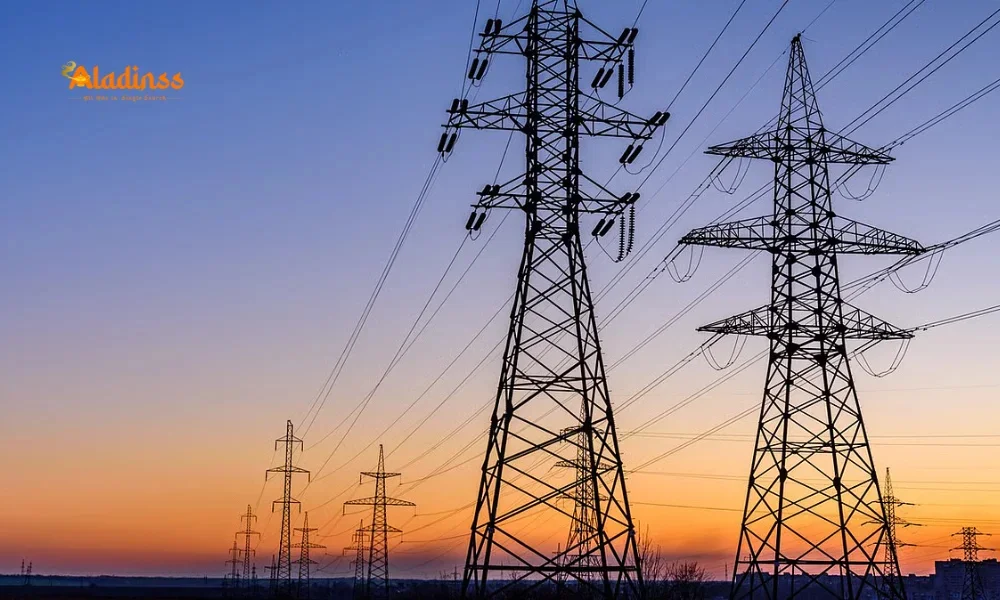
Electricity Sector Privatization India: Central Government's Draft Bill 2025 Unveiled
In a transformative move for India's power landscape, the central government has introduced the Draft Electricity Amendment Bill 2025, paving the way for enhanced private participation in electricity distribution. This electricity sector privatization India initiative amends the Electricity Act 2003, aiming to foster competition, infuse capital, and elevate service quality across the nation's grid. By allowing private entities to supply electricity nationwide, the bill addresses longstanding inefficiencies in state-run discoms, where losses exceed 20% annually. The proposal, released on October 10, 2025, also establishes a National Electricity Board under the Union Power Minister's chairmanship, with state counterparts as members, to oversee tariffs, distribution, and regulatory compliance.
Currently, only 16 private discoms operate in select areas like Delhi, Mumbai, Odisha, West Bengal, and Gujarat out of 67 total systems, serving a fraction of the 1.4 billion population. The draft envisions expanding this footprint, potentially revolutionizing access for millions while curbing cross-subsidies that burden industries. As debates swirl on electricity privatization pros and cons, stakeholders from consumers to investors eye the bill's passage, expected after public consultations ending November 2025.
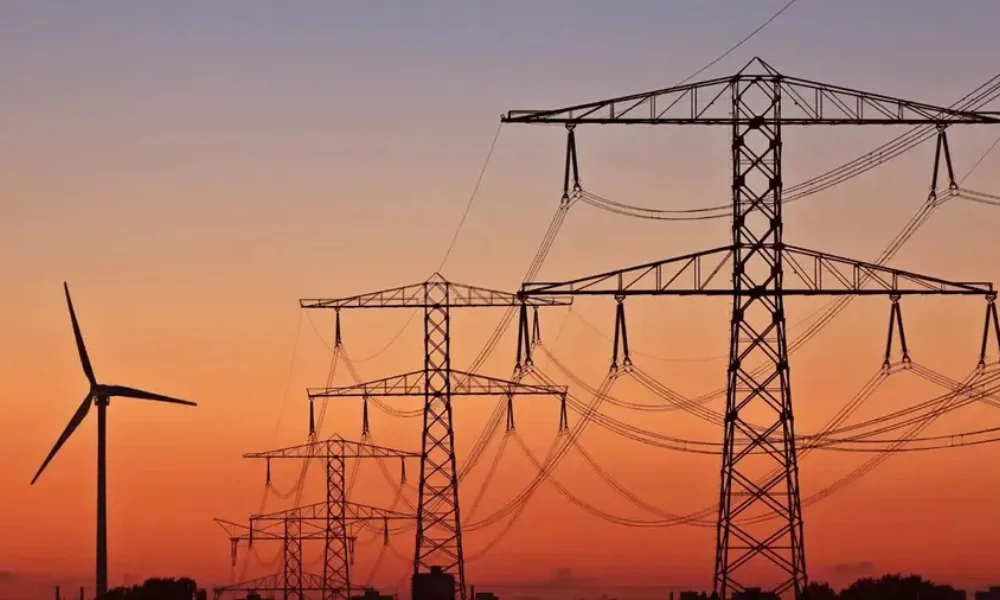
The Electricity Amendment Act 2025 draft emphasizes market-based mechanisms, including 'Contracts for Difference' to de-risk renewable investments, aligning with India's 500 GW non-fossil target by 2030. This shift promises healthier competition but raises concerns over affordability for rural households, where tariffs could fluctuate under private regimes.
Core Provisions: Private Entry and National Electricity Board Role
At its heart, the draft bill unlocks private participation in electricity distribution by removing geographic monopolies, enabling multiple licensees in the same area – a departure from the 2003 Act's state-centric model. Private players can now bid for franchisees or operate independently, monitored by the Central Electricity Regulatory Commission (CERC) for uniformity. This electricity distribution privatization aims to slash aggregate technical and commercial (AT&C) losses, currently at 17.9% nationally, through tech infusions like smart meters and AI-driven grids.
The National Electricity Board emerges as a pivotal overseer, chaired by the Union Minister and comprising state ministers, tasked with harmonizing policies on tariffs, renewables integration, and cross-state transmission. It will review discom performance biannually, enforcing penalties for non-compliance while rewarding efficiency. Proponents argue this board will mitigate disputes, as seen in the 2022 Delhi-Mumbai tariff wars, fostering a unified market worth $300 billion by 2027.
Additionally, the bill empowers regulators to revise tariffs suo motu, curbing subsidies that distort markets and ensuring cost-reflective pricing. This could attract Rs. 2 lakh crore in private investments over five years, per government estimates, bolstering infrastructure amid rising demand from EVs and data centers.
Also Read: Orange Alert Nilgiris: Chennai Rain Today
Current Landscape: Private Discoms and Challenges Ahead
India's power sector, generating 1,700 billion units annually, grapples with distribution woes, where state discoms owe Rs. 1.5 lakh crore to generators. Private entities like Tata Power in Delhi and Adani in Odisha have slashed losses by 50% in their zones through digitization, serving as models for nationwide rollout. Yet, scaling this requires robust safeguards against profiteering, with the draft mandating consumer protection clauses and open access for all.
Critics, including unions like AIPEF, decry the move as a sell-off, fearing job losses for 10 lakh workers and tariff hikes for low-income groups. The bill counters this by preserving public discoms' rights to operate alongside privates, ensuring a hybrid model. In Gujarat and Maharashtra, where privates thrive, consumer satisfaction scores 20% higher, hinting at potential upsides if equity is prioritized.
The amendment also integrates renewables, allowing energy storage systems (ESS) for consumers, reducing reliance on coal (70% of mix) and aligning with net-zero goals. This could democratize green power, with rooftop solar mandates for new builds.
Also Read: Anand-Modi Meet Boosts India-Canada Ties
Implications for Consumers, Investors, and Economy
For everyday users, electricity privatization India could mean reliable supply and competitive tariffs, but vigilance is key. The board's tariff oversight promises stability, yet rural electrification (99% coverage) demands subsidies to prevent exclusion. Urban centers like Bengaluru may see faster upgrades, with smart grids curbing theft and outages.
Investors hail the draft for de-risking, with FDI inflows projected to double to $10 billion annually. It streamlines captive generation rules, easing self-consumption for industries, while 'Contracts for Difference' hedge against price volatility, spurring 100 GW solar additions by 2027.
Economically, a revamped sector could add 1-2% to GDP via efficiency gains, powering Make in India with uninterrupted juice. However, states like Uttar Pradesh, mulling privatization, face resistance, underscoring the need for consensus-building.
Historical Context: Evolution from Electricity Act 2003
The 2003 Act unbundled state utilities into generation, transmission, and distribution, birthing players like NTPC and PGCIL, yet distribution lagged with chronic underinvestment. Amendments in 2020 targeted renewables, but the 2025 draft goes bolder, drawing from global models like the UK's competitive market since 1990, which cut prices 40%.
India's journey mirrors this: from colonial grids to post-independence SEBs, now eyeing a liberalized era. The bill's focus on regulatory autonomy addresses past overreach, as in the 2019 tariff disputes that hiked industrial costs 15%.
- 2003 Act: Introduced open access, spurring 4x capacity growth.
- 2020 tweaks: Mandated 100% metering, halving losses.
- 2025 draft: Enables multi-licensees, boosting competition.
- Projected impact: 24x7 power for all by 2028.
Stakeholder Reactions and Path to Implementation
Industry bodies like CII applaud the draft for modernizing markets, while FICCI pushes for faster clearances. Environmentalists welcome ESS provisions but seek stricter emission norms. Labor groups demand safeguards, echoing Odisha's 2019 privatization backlash that led to protests.
Implementation hinges on parliamentary approval post-stakeholder inputs, with pilots in willing states like Gujarat. The Power Ministry's roadmap includes capacity-building for regulators and digital platforms for bidding.
As India powers its $5 trillion economy dream, this electricity sector reform could be the spark. Balancing privatization with equity will define its legacy, ensuring lights stay on for all.
The draft's release marks a watershed, inviting discourse on a resilient, inclusive grid. With renewables at 40% by 2030, private vigor could illuminate paths to sustainability.
Facebook Comments











-
 Explore the upcoming Tamil film Maaman - cast, sto...
 -
 Read the ACE (2025) movie review starring Vijay Se...
 -
 Check out Maaman's 1st day box office collection a...
 -
 Explore tourist family reviews for Maaman movie –...
Popular Posts
Vote / Poll
Recent Posts




Recommended Posts

-
 Discover the best schools in Nagercoil f...
 -
 Discover the top-rated preschools in Nag...
 -
 Explore the best schools in Nagercoil th...

Comment / Reply From