Eating Fibre The Wrong Way? 8 Common Mistakes To Avoid

Eating Fibre The Wrong Way? 8 Mistakes To Avoid That Can Affect Gut Health
Fibre has long been recognized as a nutritional powerhouse, praised in the latest health reports for improving digestion, regulating blood sugar, and supporting heart health. However, recent expert updates reveal that many individuals are consuming fibre incorrectly, leading to bloating, constipation, and gut imbalance. Gastroenterologists are now highlighting common fibre intake mistakes that may prevent people from fully benefiting from this essential nutrient. This health report explores eight common errors and practical strategies to optimize fibre consumption for better gut health.
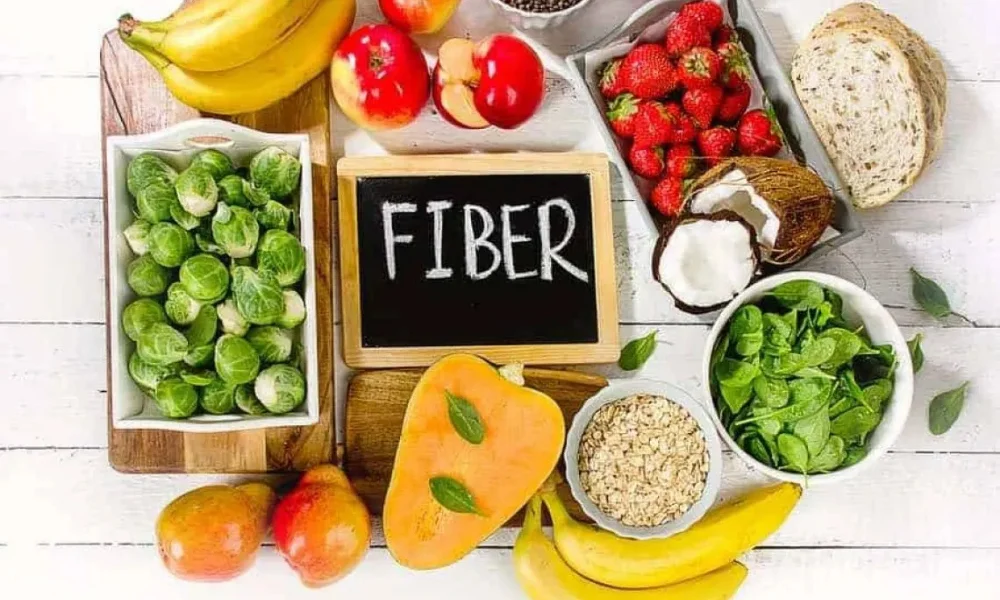
Why Fibre Matters for Gut Health
Dietary fibre plays a crucial role in maintaining a healthy digestive system. It supports bowel regularity, nourishes beneficial gut bacteria, and helps regulate cholesterol levels. The latest wellness update confirms that fibre also contributes to immune function, metabolic balance, and even mood regulation through the gut-brain connection. Despite its importance, studies suggest that a large percentage of adults fail to meet the recommended daily intake of 25 to 30 grams.
While adding fibre to the diet seems straightforward, improper consumption can cause discomfort. Rapid changes, insufficient hydration, and lack of dietary diversity are among the most common mistakes affecting gut health today.
1. Increasing Fibre Intake Too Quickly
One major mistake highlighted in recent health discussions is dramatically increasing fibre intake overnight. While fibre feeds beneficial gut bacteria, a sudden surge can overwhelm the digestive system. This often results in gas, bloating, abdominal cramps, and discomfort.
Experts recommend gradually increasing fibre intake over several weeks. This allows gut microbes time to adapt and ensures smoother digestion without unpleasant side effects.
2. Not Drinking Enough Water
Fibre absorbs water as it moves through the digestive tract. Without adequate hydration, fibre can lead to hard stools and constipation instead of relieving it. The latest nutrition update emphasizes the importance of drinking sufficient water throughout the day, particularly when increasing fibre intake.
Aim for at least eight glasses of water daily, adjusting for climate and activity levels. Proper hydration keeps stool soft and supports efficient bowel movements.
3. Relying Only on Vegetables
Vegetables are excellent sources of fibre, but depending exclusively on them limits fibre diversity. Recent gut health research shows that a varied fibre intake supports a more diverse microbiome, which is essential for immune strength and digestive balance.
Include beans, lentils, oats, chia seeds, fruits, nuts, and whole grains in your diet. A wide range of fibre sources encourages beneficial bacteria growth and enhances overall gut resilience.
4. Eliminating All Carbohydrates
Low-carb diets often eliminate whole grains and legumes, which are important fibre sources. While reducing refined carbohydrates may benefit health, removing complex carbohydrates can unintentionally lower fibre intake.
Whole grains such as quinoa, barley, and brown rice provide essential nutrients along with fibre. Including these foods supports balanced digestion and sustained energy.
5. Overdependence on Supplements
Fibre supplements can assist in meeting daily requirements, but they should not replace natural food sources. Whole foods provide additional vitamins, minerals, antioxidants, and prebiotics that supplements lack.
Use supplements as a supportive measure rather than a primary source. Real, minimally processed foods remain the most effective way to nourish gut bacteria.
6. Assuming Fibre Only Relieves Constipation
Fibre’s role extends far beyond preventing constipation. Recent scientific findings indicate that fibre supports heart health, regulates blood sugar, strengthens immunity, and even influences mood through gut-brain signaling pathways.
Understanding fibre’s broader impact encourages consistent intake and helps individuals prioritize long-term health benefits rather than short-term relief.
7. Not Meeting Daily Fibre Requirements
Even individuals who consider their diets healthy may fall short of recommended fibre intake. Adults should aim for at least 25 to 30 grams daily. Tracking intake through meal planning or food journals can ensure adequate consumption.
Incorporating fibre-rich snacks such as fruits, nuts, and seeds throughout the day can help reach these targets without drastic dietary changes.
8. Ignoring Food Labels
Many packaged foods labeled as whole grain may contain minimal fibre. The latest nutrition guidance recommends checking labels carefully and choosing products with at least three grams of fibre per serving.
Prioritizing unprocessed whole foods ensures higher fibre density and better overall nutrition. Reading labels helps prevent misleading choices and supports informed dietary decisions.
This comprehensive health update underscores that fibre is essential for digestive balance and overall wellbeing, but mindful consumption is key. By gradually increasing intake, staying hydrated, diversifying fibre sources, and focusing on whole foods, individuals can avoid common mistakes and strengthen long-term gut health.
Facebook Comments














-
 Explore the upcoming Tamil film Maaman - cast, sto...
 -
 Read the ACE (2025) movie review starring Vijay Se...
 -
 Check out Maaman's 1st day box office collection a...
 -
 Explore tourist family reviews for Maaman movie –...
Popular Posts
Vote / Poll
Recent Posts




Recommended Posts

-
 Discover the best schools in Nagercoil f...
 -
 Discover the top-rated preschools in Nag...
 -
 Explore the best schools in Nagercoil th...

Comment / Reply From