Bluetoothing Trend Fuels HIV Surge Among Youth
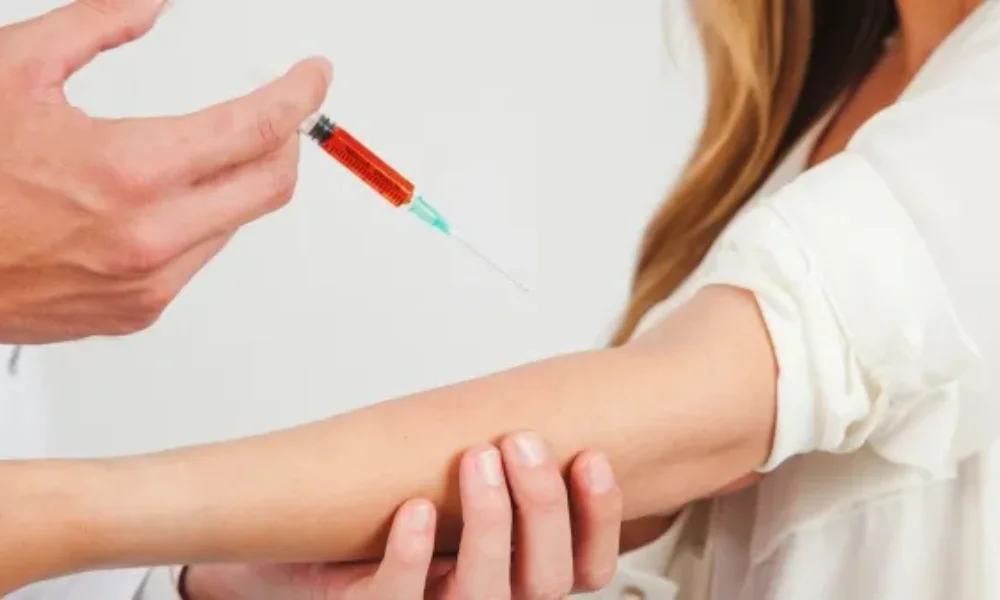
Bluetoothing Drug Trend: Deadly Blood-Sharing Practice Fueling HIV Surge Among Youth
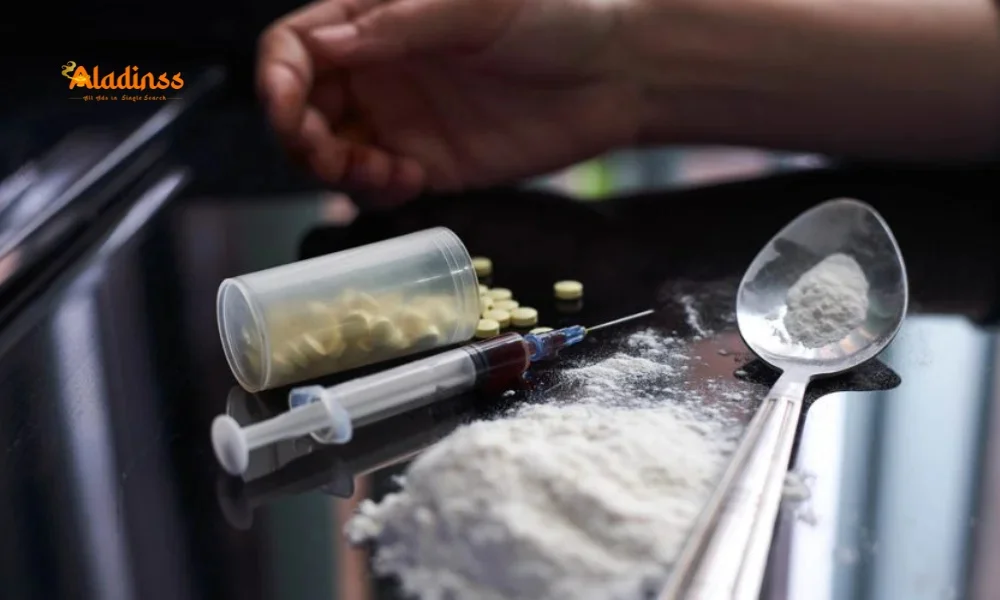
A chilling new drug trend known as "bluetoothing" is sweeping through impoverished communities, particularly among young people, and driving a dramatic rise in HIV infections worldwide. This dangerous practice involves injecting oneself with the blood of another drug user to share the high, offering a low-cost way to get high but at an extraordinarily high risk of transmitting bloodborne diseases like HIV and hepatitis. Health experts warn that bluetoothing HIV risks are escalating in regions like Fiji and South Africa, where cases have surged tenfold in recent years, highlighting a crisis fueled by poverty, limited access to clean needles, and the opioid epidemic's spread.
Originating in Tanzania around 2010, bluetoothing-also called "flashblooding" or "hotspotting"-has gained traction in areas where drug prices soar and supplies dwindle. Users extract blood from a vein post-injection to capture residual drug effects, then pass it to others via shared syringes. While it saves money-one dose serves multiple users-the method is deadlier than needle-sharing alone, exposing participants to thousands of viral particles per drop.
The trend's impact is stark: Fiji reported 1,093 new HIV cases in the first nine months of 2024, a 13-fold increase from pre-2014 levels, with over 200 tied to injection practices like bluetoothing. Globally, UNAIDS data shows youth aged 15-34 bearing the brunt, with young children as young as 10 affected through family or community exposure.
What is Bluetoothing? The Mechanics of a Deadly High
Bluetoothing mimics wireless data transfer but with lethal consequences: After injecting a drug like methamphetamine or heroin, the user draws back blood into the syringe-now laced with residual narcotics-and injects it into another person's vein. This "secondary high" provides a diluted rush at minimal cost, appealing in poverty-stricken areas where a single dose costs as little as 10 Fijian dollars ($3.30).
The practice, first documented in Tanzania's heroin scenes around 2010, spread to South Africa's nyaope users- a mix of heroin and cannabis-where a 2023 PLOS One study found 38% of injectors had tried it. In Fiji, meth's influx since 2018 has amplified its use, with young users in Suva's suburbs lining up for shared syringes. Experts like Emory University's Brian Zanoni describe it as "underexplored but super high-risk," emphasizing that even small blood volumes carry tens of thousands of HIV particles.
The allure lies in economics: In high-poverty settings, one hit serves a group, but the diminished dose often yields a placebo effect, per medical analyses. This desperation, coupled with meth's affordability in Pacific islands, has normalized the trend, turning social circles into transmission networks.
The Alarming HIV Surge: Global Hotspots and Statistics
Bluetoothing has supercharged HIV epidemics in vulnerable regions. Fiji, once with under 500 cases in 2014, now has nearly 6,000 living with HIV by 2024, with 1,583 new infections-a 13-fold jump. Half of those on antiretrovirals contracted it via injection, including bluetoothing, per UNAIDS 2024 data. The 15-34 age group dominates, with children as young as 10 affected, as frontline workers report "young kids dying from HIV" linked to drug use and sex.
In South Africa, 18% of injectors engage in the practice, per Zanoni's research, contributing to 7.5 million HIV cases nationwide. Tanzania saw early spikes in the 2010s, while Pakistan and other meth hotspots report similar upticks. Globally, UNAIDS warns of 39 million living with HIV, with injection-related transmissions rising 20% in Asia-Pacific since 2020, exacerbated by bluetoothing.
Fiji declared a "national emergency" in 2024, linking the trend to meth's spillover from Asia-Australia routes. Stigma and limited needle exchanges amplify spread, with only 40% of injectors accessing antiretrovirals.
Health Dangers Beyond HIV: A Cascade of Complications
The bluetoothing drug trend poses multifaceted threats. Primarily, it accelerates HIV transmission-far riskier than needle-sharing due to direct blood infusion. Hepatitis B and C also spread easily, with co-infections complicating treatment and raising liver cancer risks. Incompatible blood types can trigger hemolytic reactions, causing organ failure.
Overdose dangers loom: Diluted doses mask potency, leading to miscalculations. Bacterial infections from unclean syringes cause abscesses or sepsis, while meth's neurotoxicity exacerbates mental health issues like psychosis.
- HIV/Hepatitis Transmission: Direct blood exposure multiplies viral load risks by 10x over needle-sharing.
- Overdose and Toxicity: Unpredictable dosing heightens fatal reactions.
- Infections and Reactions: Bacterial contaminants and blood mismatches cause severe complications.
- Mental Health Toll: Addiction cycles deepen depression and suicide risks among youth.
Youth vulnerability is acute: In Fiji, meth use among 13-year-olds has normalized bluetoothing, per health minister Penioni Ravunawa. Long-term, survivors face stigma, treatment access barriers, and lifelong antiretrovirals.
Socioeconomic Drivers: Poverty and the Opioid Crisis
Poverty fuels bluetoothing's rise. In South Africa's townships, where unemployment tops 40%, a single meth syringe at 20 rand ($1) serves groups, per Zanoni. Fiji's meth influx-smuggled from Asia-targets impoverished suburbs, where youth unemployment hits 30%.
The opioid epidemic's evolution plays a role: Meth's affordability and meth-HIV links in Pacific islands mirror US fentanyl crises, but with blood-sharing as a desperate innovation. Stigma deters harm reduction; only 40% of injectors access clean needles in South Africa, per PLOS One.
Global meth production, up 20% since 2020 per UNODC, floods vulnerable areas. In Tanzania, women's housing instability correlates with higher bluetoothing rates, intertwining gender, poverty, and addiction.
Expert Warnings and Global Responses
UNAIDS Director Eamonn Murphy called bluetoothing "extremely alarming," urging expanded screening and destigmatization. Fiji's 2024 emergency declaration includes mobile testing and needle exchanges, yet treatment gaps persist-50% of diagnosed avoid antiretrovirals due to shame.
South Africa's harm reduction programs, like those in Cape Town, distribute naloxone and educate on bluetoothing perils, reducing transmissions by 15% in pilots. Tanzania's community outreach targets women, combining rehab with HIV care.
WHO recommends routine drug user screening, PrEP access, and meth demand reduction via education. In 2025, AI apps for anonymous reporting could scale interventions, per UNAIDS pilots.
Prevention Strategies: Breaking the Cycle
Combating bluetoothing demands multifaceted action. Community education on risks, coupled with free needle programs, can slash transmissions by 50%, per CDC models. Youth-focused initiatives-like Fiji's school programs-address meth's appeal through sports and counseling.
Economic support-job training in poverty hotspots-tackles root causes. Telehealth expands HIV testing, reducing stigma. Families and peers play key roles; early intervention prevents escalation from experimentation to addiction.
Global funding, via PEPFAR, targets Pacific surges, with $100 million pledged for 2025. Success stories from Tanzania show 30% uptake in clean needles post-education.
The Human Cost: Stories from the Frontlines
Behind statistics are lives upended. In Fiji, 13-year-old Sesenieli Naitala's network aids HIV-positive youth orphaned by meth and bluetoothing. South Africa's Thomas, a nyaope user, described lining up for "Bluetooth" hits as "desperate survival," regretting infections that sidelined his family.
These narratives reveal desperation: Poverty traps youth in cycles where a cheap high costs health and future. Yet, recovery tales inspire-rehab and support groups in Cape Town boast 25% success rates.
The bluetoothing crisis demands urgent action: Educate, equip, and empower to halt this blood-soaked trend before it claims more lives.
Facebook Comments













-
 Explore the upcoming Tamil film Maaman - cast, sto...
 -
 Read the ACE (2025) movie review starring Vijay Se...
 -
 Check out Maaman's 1st day box office collection a...
 -
 Explore tourist family reviews for Maaman movie –...
Popular Posts
Vote / Poll
Recent Posts




Recommended Posts

-
 Discover the best schools in Nagercoil f...
 -
 Discover the top-rated preschools in Nag...
 -
 Explore the best schools in Nagercoil th...

Comment / Reply From