PM Kisan Scheme 2025: How Farmers Get ₹6,000 Every Year
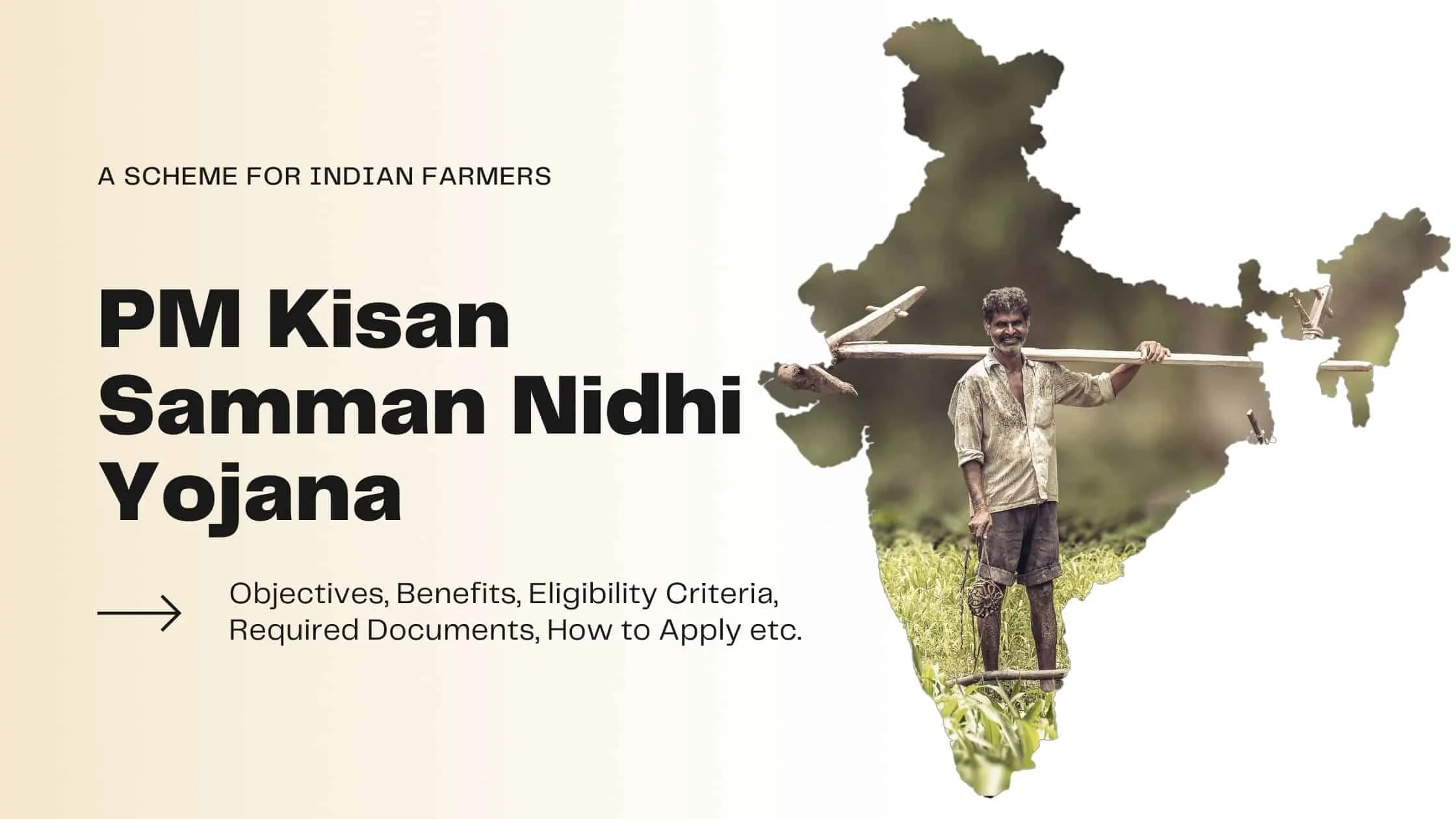
PM Kisan Scheme 2025: How Farmers Get ₹6,000 Every Year
The Government of India launched the Pradhan Mantri Kisan Samman Nidhi (PM-KISAN) scheme to provide assured income support to small and marginal farmers across the country. At a time when the agricultural sector has been facing rising input costs, fluctuating market prices, and declining profitability, the PM-KISAN scheme has emerged as a critical financial support system for vulnerable farming households.
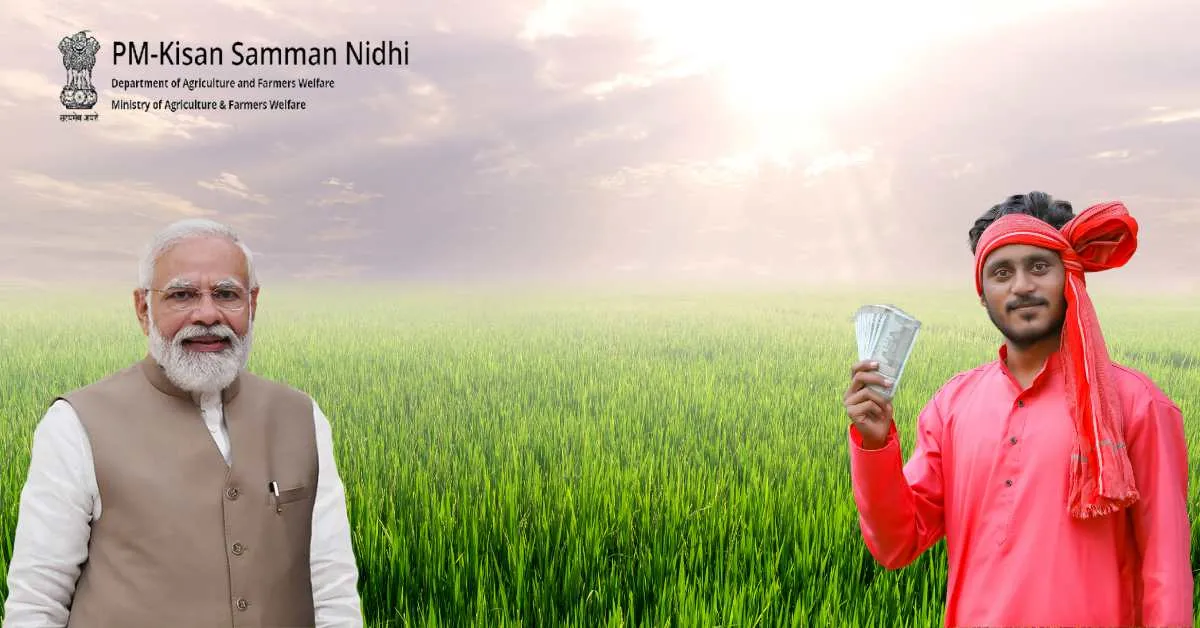
Under this flagship welfare initiative, eligible farmer families receive direct income support of ₹6,000 per year. The amount is transferred directly into the beneficiaries' bank accounts in three equal installments, ensuring transparency, financial inclusion, and timely assistance without intermediaries.
Background of the PM-KISAN Scheme
The PM-KISAN scheme was introduced to address the long-standing issue of income instability among small and marginal farmers. India's agricultural sector employs a significant portion of the population, yet the majority of farmers operate on fragmented landholdings with limited access to capital and institutional credit. The scheme aims to supplement farmers' financial needs and stabilize their income base.
Vulnerable landholding farmer families possessing cultivable land up to two hectares are eligible for the scheme. The income support is not linked to the size of land owned beyond eligibility, ensuring equitable assistance and focusing on those who need it the most.
Need for the PM-KISAN Scheme
The necessity of the PM-KISAN scheme became evident due to multiple challenges faced by the agricultural sector in recent years. One of the key issues has been the decline in prices of agricultural commodities in international markets. Since 2017-18, farmers have experienced reduced returns due to falling food consumption growth relative to non-food sectors.
Additionally, the continued fragmentation of landholdings due to inheritance and population growth has resulted in reduced farm sizes. Smaller land parcels limit economies of scale, reduce productivity, and directly impact farmers' income. These structural challenges have made farming increasingly unsustainable for many rural households.
The PM-KISAN scheme was designed to provide structured income support that farmers can use to meet essential agricultural expenses such as seeds, fertilizers, farm equipment, labor costs, irrigation needs, and other production-related requirements. By offering direct financial assistance, the scheme reduces farmers' dependence on informal credit sources.
Key Features of PM-KISAN Scheme 2025
The PM-KISAN scheme stands out due to its simplicity and direct benefit structure. The scheme provides ₹6,000 annually to each eligible farmer family, paid in three installments of ₹2,000 each. These payments are made through the Direct Benefit Transfer system, ensuring that funds reach beneficiaries without delays or leakages.
Another significant feature of the scheme is that it is not linked to the extent of land possessed beyond eligibility criteria. This approach ensures that sharecroppers, actual tillers, and small farmers benefit equally, regardless of land fragmentation or ownership complexities.
How PM-KISAN Contributes to Farmer Welfare
The PM-KISAN scheme plays a vital role in improving the overall welfare of farmers by acting as a strong consumption stimulus in rural areas. With assured income support, farmers are better equipped to meet household expenses, invest in agricultural inputs, and manage unforeseen financial challenges.
This increased purchasing power contributes directly to economic growth, particularly at a time when rural demand has weakened. The scheme supports local markets, boosts consumption, and creates a multiplier effect that benefits the broader economy.
Enhancing Farmer Autonomy and Productivity
One of the most important aspects of the PM-KISAN scheme is the autonomy it provides to farmers. Unlike in-kind transfers, direct cash support allows farmers to decide how best to use the funds according to their individual needs. This flexibility empowers farmers and enhances decision-making at the grassroots level.
The assured income enables farmers to invest in quality inputs, adopt improved farming practices, and enhance agricultural productivity. Over time, this leads to higher output, better income stability, and improved living standards for rural households.
Role in Poverty Reduction and Financial Inclusion
The PM-KISAN scheme contributes significantly to poverty reduction by providing a safety net against income shocks, health emergencies, and crop failures. The guaranteed income support helps stabilize household finances and reduces vulnerability among small and marginal farmers.
The scheme also promotes financial inclusion by encouraging farmers to maintain active bank accounts. Increased banking participation leads to improved access to formal credit, insurance, and other financial services, strengthening the rural financial ecosystem.
Economic Impact and Rural Demand Revival
By guaranteeing a minimum income, the PM-KISAN scheme reduces the daily financial stress faced by farmers. This assurance instills confidence and motivates farmers to focus on improving efficiency and productivity rather than merely meeting subsistence needs.
The scheme helps revive rural demand, which is essential for sustaining overall economic growth. Increased rural spending supports manufacturing, services, and employment generation, creating a positive feedback loop for the national economy.
Facebook Comments




![How to Download Netflix MOD APK v9.34.0 build 6 63420 [Premium Unlocked, 4K, No Ads]](https://genie.aladinss.com/genie/cloud/classifieds/articles/2025/how-to/20250919/Netflix-Mod-Apk/Netflix-Mod-Apk-main-banner.webp)




-
 Explore the upcoming Tamil film Maaman - cast, sto...
 -
 Read the ACE (2025) movie review starring Vijay Se...
 -
 Check out Maaman's 1st day box office collection a...
 -
 Explore tourist family reviews for Maaman movie –...
Popular Posts
Vote / Poll
Recent Posts




Recommended Posts

-
 Discover the best schools in Nagercoil f...
 -
 Discover the top-rated preschools in Nag...
 -
 Explore the best schools in Nagercoil th...

Comment / Reply From