Tips to Identify Quality Silk in a Saree

Tips to Identify Quality Silk in a Saree
How to Identify the Quality of Silk in a Silk Saree: Some Tips for You
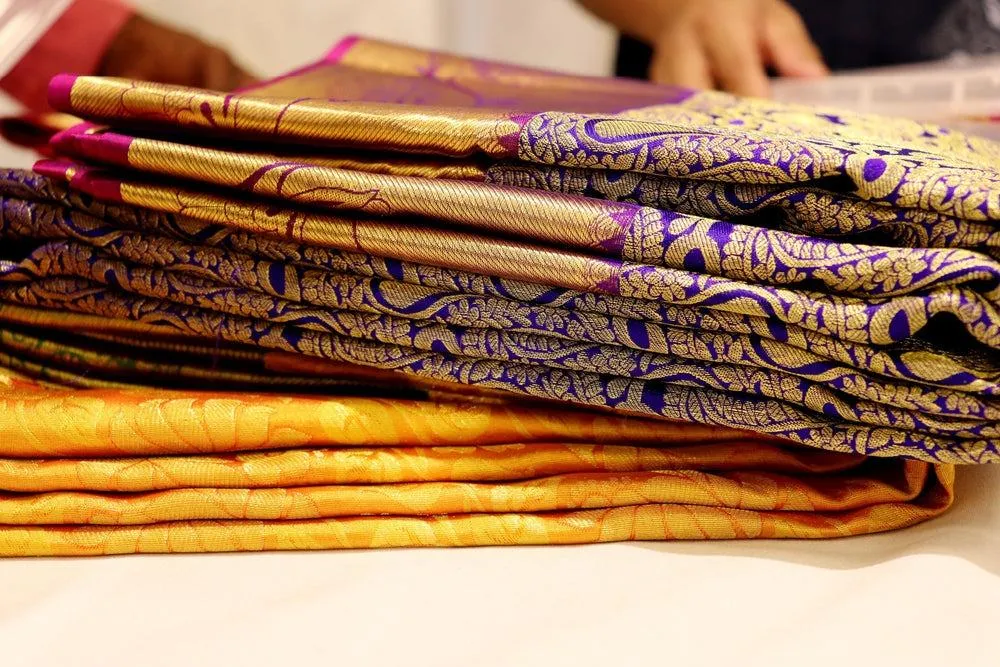
Buying a silk saree is an important moment for many women, especially in India where sarees are cherished attire for weddings, festivals, and special events. Silk sarees, in particular, hold a prestigious place for their elegance, texture, and traditional value. However, the market is flooded with imitations, making it difficult for consumers to distinguish between genuine silk and fake alternatives.
To ensure that you are investing in real silk, it is crucial to understand how to identify pure silk sarees. Whether you are purchasing from a trusted shop or buying online, knowing these techniques will help you avoid being deceived by counterfeit products.
Why Silk Quality Matters
Everyone prefers to purchase silk sarees from reputed and trusted stores due to the importance of quality. A genuine silk saree not only looks elegant but also lasts longer and maintains its charm for years. With online shopping becoming increasingly popular, there is also a growing risk of being tricked by artificial silk that looks authentic but lacks the purity and feel of real silk.
Simple Tests to Identify Real Silk Sarees
Here are five simple and effective tests that you can perform to check the authenticity and quality of silk before purchasing a silk saree:
1. Touch Test
Gently rub the fabric between your fingers. Real silk feels cool to the touch and is smooth and soft. It has a natural texture that is slightly rough due to the weaving of pure silk threads. Fake silk, on the other hand, feels overly smooth, plasticky, or slippery and lacks the cool sensation.
2. Burning Test
This method is suitable if you can get a small silk thread sample. Carefully burn the thread and observe the result. Real silk burns with the smell of burnt hair and leaves behind fine, black, and powdery ash. Fake silk, usually made of polyester, smells like burning plastic and leaves a hard bead-like residue.
3. Water Test
Place a drop of water on the silk saree. If it is genuine silk, it will slowly absorb the water into the threads. With synthetic or fake silk, the water will either bead up and roll off or absorb unnaturally fast without spreading. This is a quick way to test silk while in-store or at home.
4. Wrinkle Test
Squeeze a small portion of the saree in your hand and then release it. Real silk will develop temporary creases that disappear within moments, showing the fabric’s natural flexibility. Fake silk may show stubborn or permanent wrinkles due to the synthetic fibers used.
5. Ring Test
Take a corner of the silk saree and try to pass it through a small ring. Pure silk slides smoothly and easily through the ring due to its fine quality and lightweight weave. If it resists or gets stuck, the saree is likely made from an artificial material or a silk blend.
Conclusion: Invest in Authenticity
These simple tests can be done by anyone and are effective in determining whether a silk saree is genuine or not. With the rising popularity of online shopping, it’s more important than ever to be educated about product quality, especially when buying expensive items like silk sarees.
Always try to purchase from authorized and trusted silk stores or certified weavers. Look for silk mark certifications when available. A genuine silk saree is not just a piece of clothing but a timeless investment. By using these identification methods, you can make sure your purchase is worth every rupee.
Be informed, shop smart, and wear your silk saree with pride and confidence!